What Is a Hydraulic Butt Fusion Welding Machine?
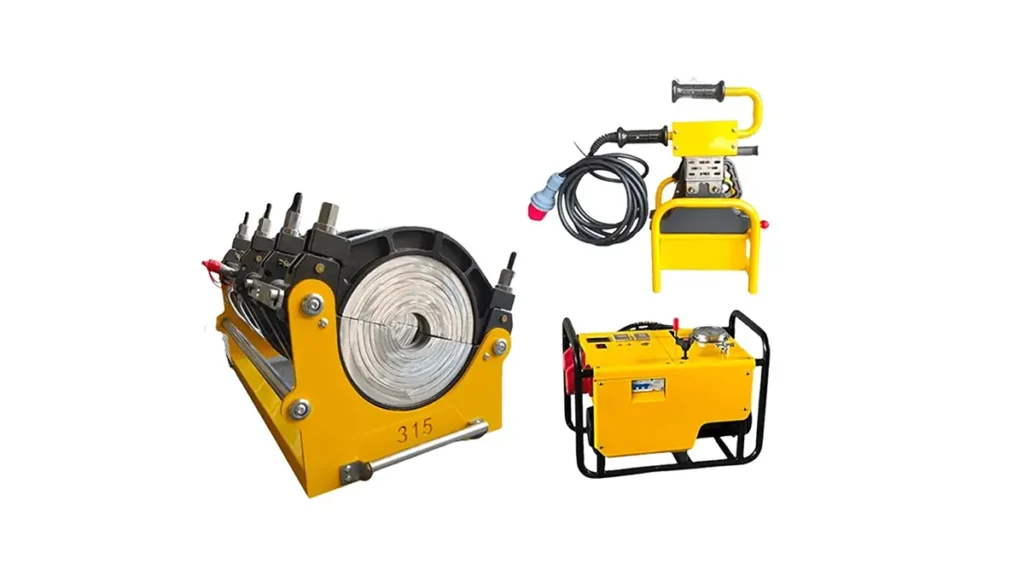
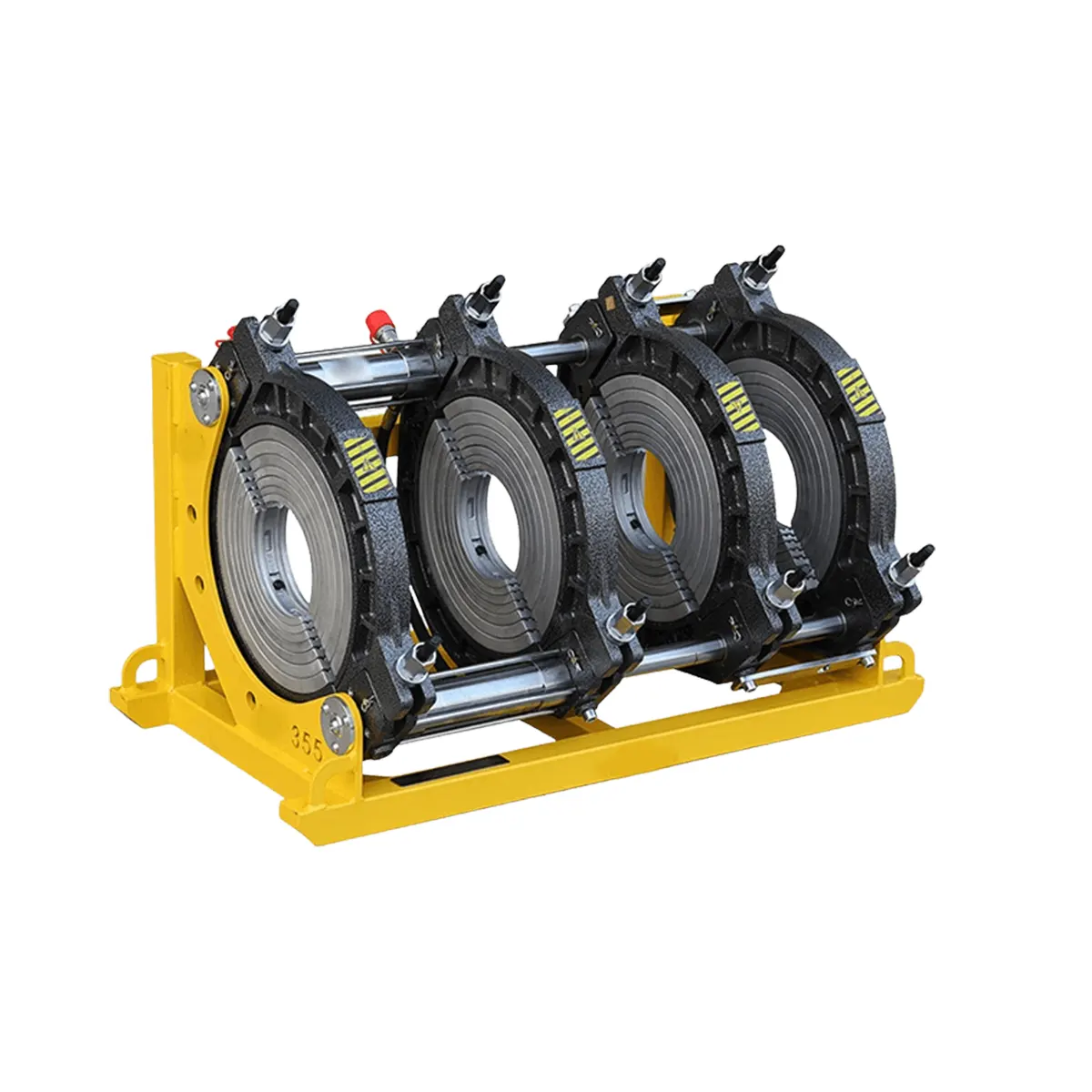
A hydraulic butt fusion welding machine is a specialized tool designed to join HDPE pipes and fittings through a controlled thermal process. By utilizing a hydraulic power unit, this equipment generates the precise force required to heat pipe ends and forge them together under regulated pressure. This method creates a permanent, leak-proof joint that is often stronger than the pipe itself, making it the preferred choice for critical applications in water supply, gas distribution, and industrial piping systems.
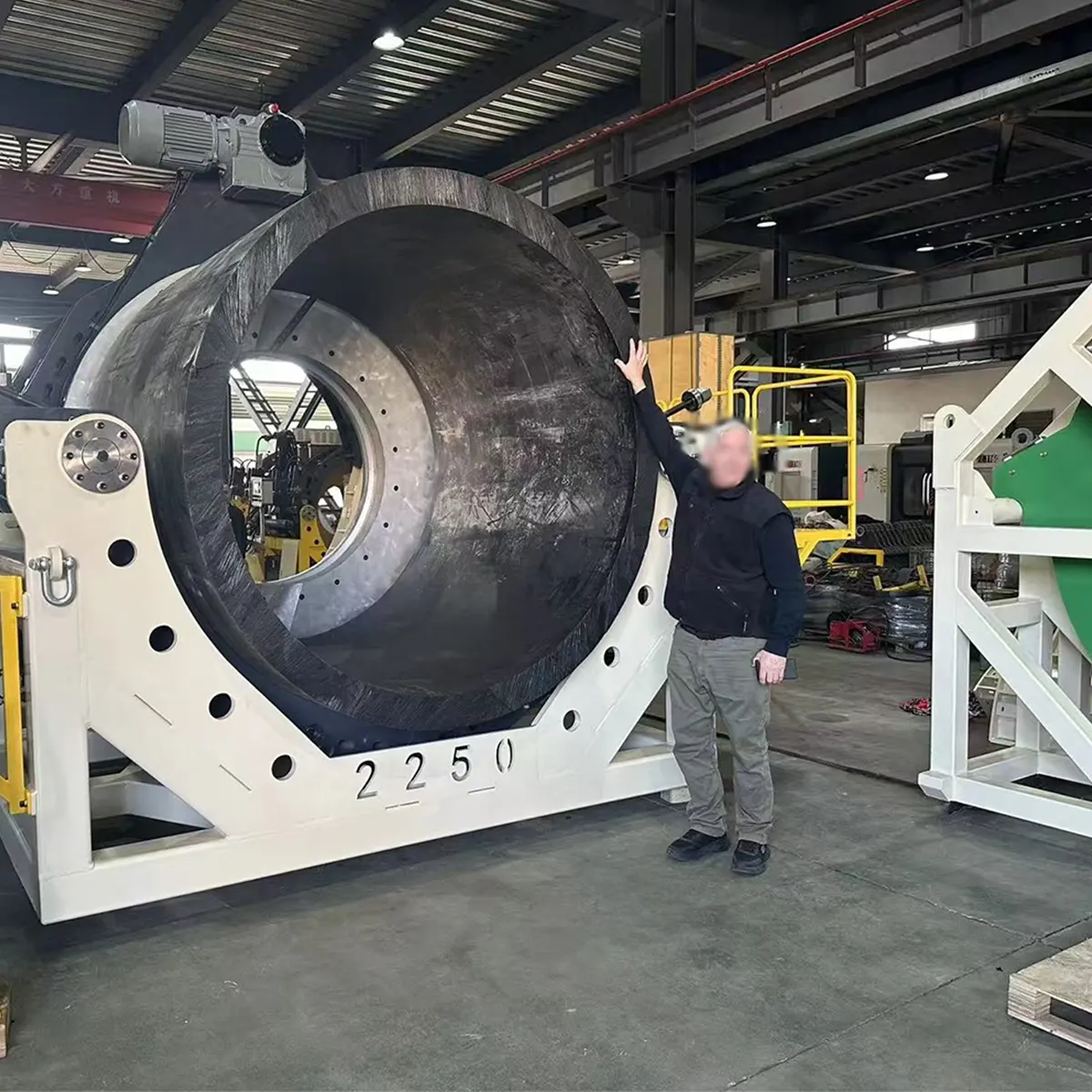
The technology relies on the principle of heating the pipe ends to a molten state and then pressing them together to form a homogeneous bond. Unlike manual machines, the hydraulic system automates the clamping and fusion movements, ensuring consistent pressure and alignment even for large-diameter pipes. This machine is essential for contractors handling pipes ranging from 63mm up to 2500mm, where manual force alone would be insufficient.
Core Working Principle of Hydraulic Butt Fusion
The hydraulic butt fusion welding machine working principle is based on three fundamental parameters controlled simultaneously: temperature, time, and pressure. The hydraulic unit provides the muscle, while the heating plate and control system deliver the precision. The process follows strict international guidelines such as ISO 21307 to guarantee weld integrity.
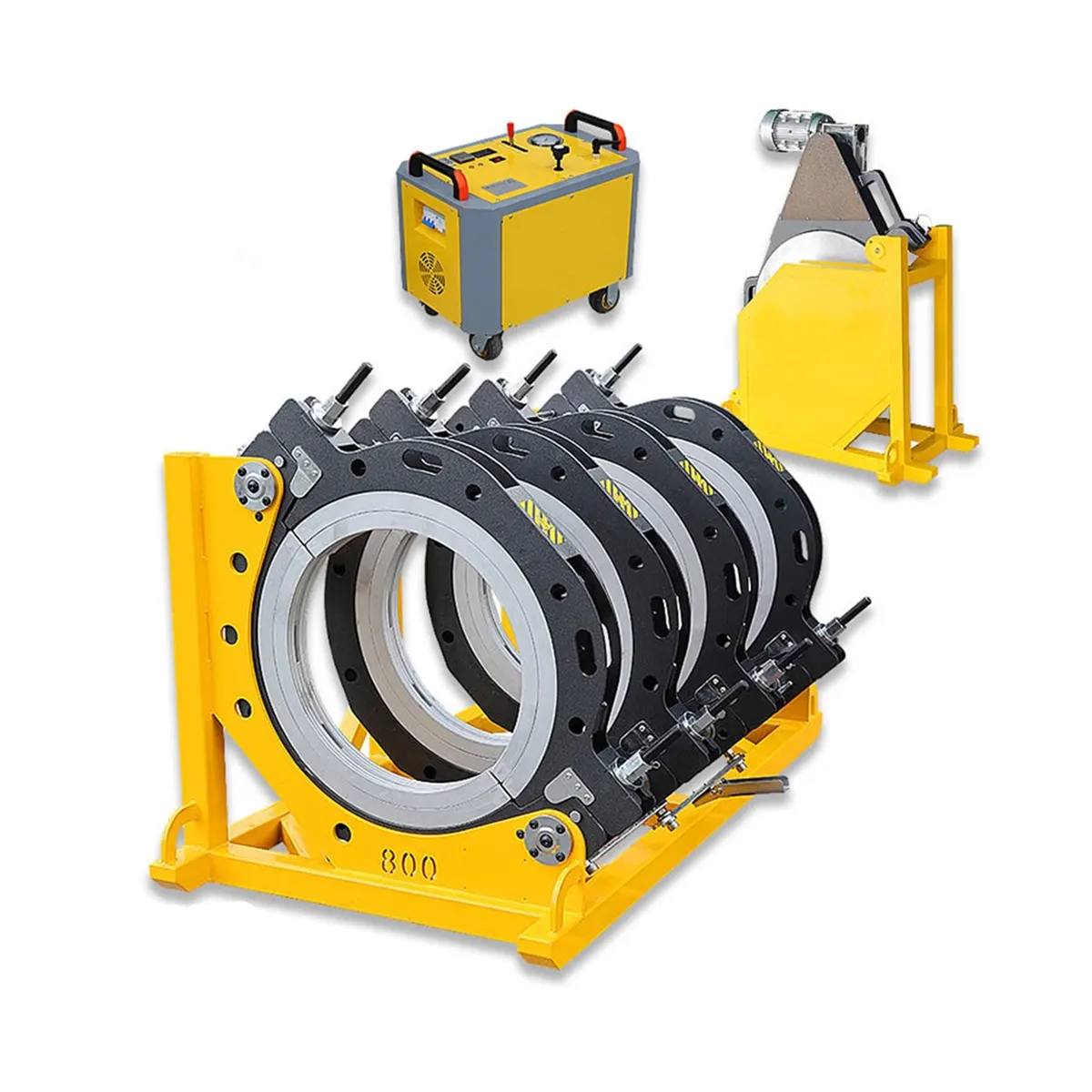
Initially, the pipes are secured in the machine clamps. The hydraulic system activates the movable jaw to face the pipe ends against a rotating trimmer, creating perfectly parallel, clean surfaces. Once the pipes are aligned, the heating plate is inserted, and the hydraulic cylinder pushes the pipe ends against it with a controlled force. This builds up a uniform melt bead. During the final fusion stage, the heater is removed, and the hydraulic pressure drives the molten ends together, allowing the material to cool and form a single monolithic joint.
Key Parameters for Consistent Fusion
| Parameter | Function | Standard Requirement |
|---|---|---|
| Heating Temperature | Melts the pipe surface without thermal degradation | 200°C – 220°C |
| Hydraulic Pressure | Ensures proper mixing of molten material | Calculated per pipe wall area |
| Cooling Time | Solidifies the joint under maintained pressure | Based on pipe diameter and wall thickness |
Step-by-Step Fusion Process
Understanding the specific stages of the hydraulic butt fusion welding machine working principle is vital for operators. These steps must be followed sequentially to achieve a quality weld that meets project specifications.
1. Clamping and Alignment
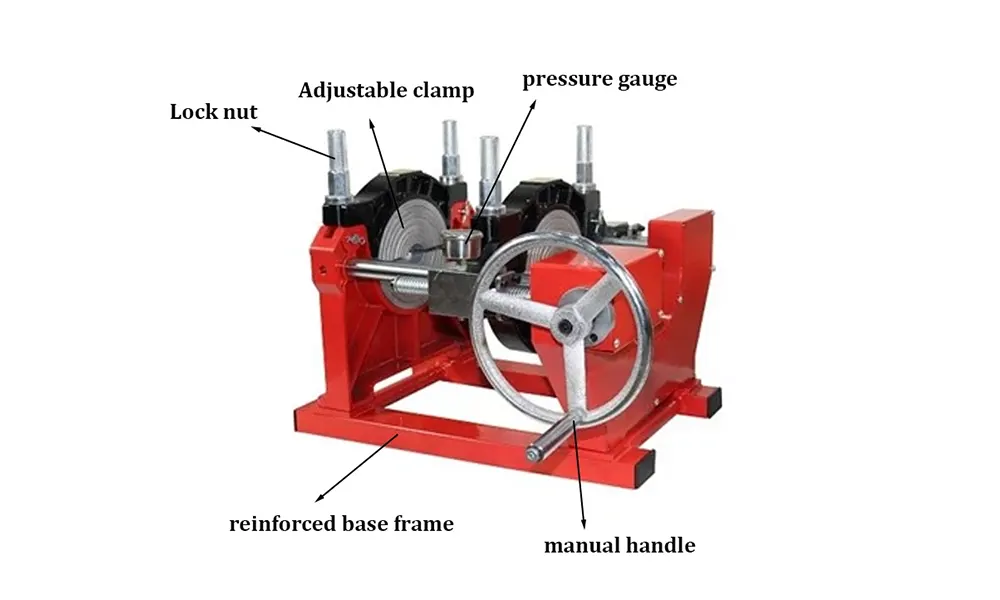
The first critical step is properly securing the pipes in the machine’s clamps. The hydraulic unit powers the base clamps to hold the pipes firmly. High-low alignment is adjusted to ensure the pipe walls match perfectly. Poor alignment is a leading cause of weld failure, but hydraulic butt fusion welders use robust jaw systems to minimize misalignment.
2. Facing the Pipe Ends
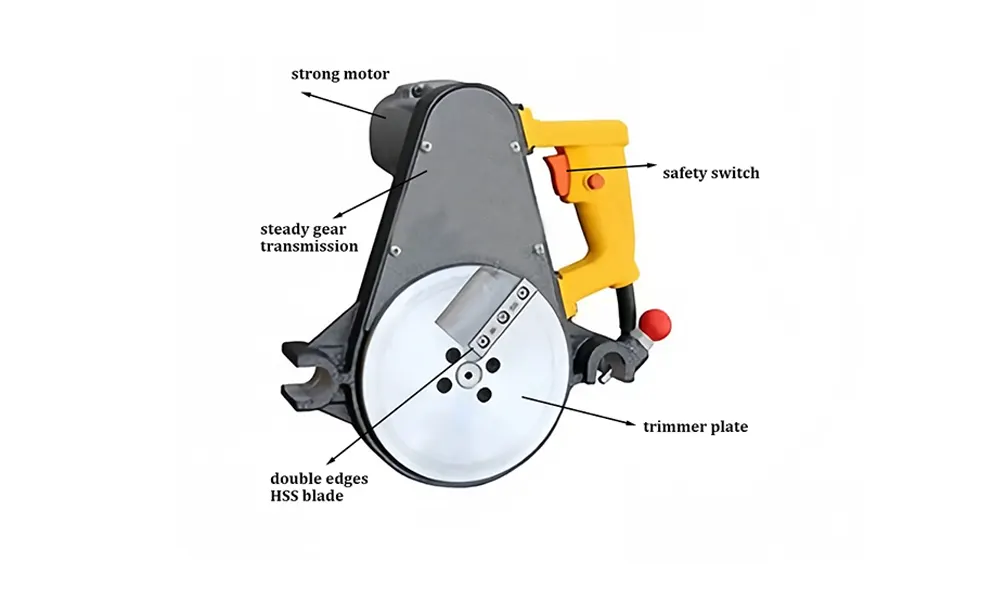
The electric trimmer is moved into position between the two pipe ends. The hydraulic carriage pushes both pipes against the rotating trimmer disc. This shaves off a thin layer of material, creating a fresh, clean surface that is perpendicular to the pipe axis. The process continues until a continuous ribbon of material is produced, indicating full face contact.
3. Heating Cycle
After checking the cleanliness and alignment, the facing tool is removed, and the heating plate is inserted. The hydraulic pressure pushes the pipe ends against the coated heating plate. This phase builds up a bead of molten material. Once the specified bead size is achieved, the pressure is reduced to a drag pressure, allowing heat to soak into the pipe wall without pushing out too much material.
4. Fusion and Cooling
The operator quickly removes the heating plate and immediately closes the carriage. This is the critical changeover phase, and speed is essential. The hydraulic system applies the full fusion pressure, pushing the two molten ends together. The melted material mixes and flows, forming a uniform joint. The pressure is maintained throughout the entire cooling period until the plastic has resolidified.
Benefits of Hydraulic Butt Fusion Technology
Contractors and utilities prefer hydraulic machines over manual or semi-automatic models for heavy-duty projects. The integration of hydraulic power introduces significant advantages in terms of productivity and joint reliability.
| Benefit | Description |
|---|---|
| Consistent Force Application | The hydraulic system eliminates the fatigue and inconsistency associated with manual hand-wheel operation, delivering smooth, repeatable pressure every cycle. |
| High Diameter Capacity | Hydraulic models can handle large-diameter HDPE pipes (up to 2500mm) that are impossible to weld manually, making them essential for major infrastructure. |
| Reduced Operator Fatigue | Automated clamping, facing, and welding reduce physical strain on the operator, allowing for longer, more productive shifts without compromising safety. |
| Precise Speed Control | Adjustable flow control valves allow operators to finely tune the carriage movement speed during the critical changeover phase. |
Applications Across Industries
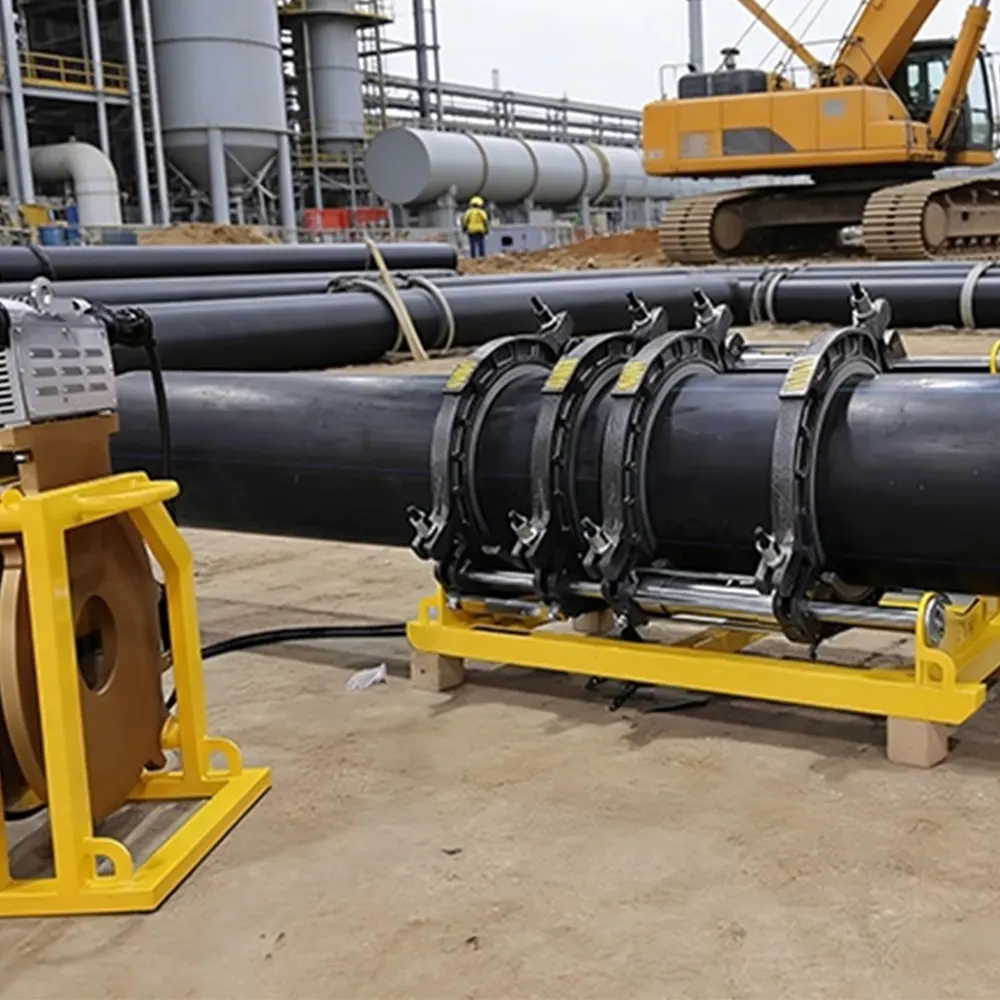
The hydraulic butt fusion welding machine is the workhorse of the polyethylene piping industry. Its ability to create end-load resistant joints makes it suitable for trenchless technologies and demanding environments.
-
Municipal Water Supply: For joining large trunk mains and distribution networks where zero leakage is mandatory.
-
Gas Distribution: Creating PE gas pipe fusion joints that meet stringent safety regulations such as ISO 4437.
-
Mining and Slurry Transport: Abrasion-resistant HDPE pipes are fused to transport tailings and chemical solutions efficiently.
-
Industrial Effluent Treatment: Large-diameter pipes carry corrosive fluids, and the butt fusion joint provides a leak-free seal for environmental safety.
-
Marine and Dredging: Floating pipelines are assembled using hydraulic fusion machines to ensure buoyancy and joint integrity.
Hydraulic vs. Other Machine Types
Choosing between a hydraulic, manual, or CNC automatic machine depends on your specific project scope. The table below helps differentiate their core characteristics.
| Feature | Hydraulic Machine | Manual Machine |
|---|---|---|
| Power Source | External hydraulic pump | Hand-wheel or lever |
| Size Range | 63mm – 2500mm | 20mm – 315mm |
| Consistency | High, pressure regulator controlled | Dependent on operator skill |
Choosing a Reliable Equipment Partner
When investing in a hydraulic butt fusion welding machine, procurement managers look for durability, compliance with standards like ISO 12176-1, and after-sales support. The market offers numerous options, but verifying the build quality of the frame, the precision of the clamps, and the reliability of the hydraulic power pack is essential. Welding machines must perform consistently under harsh field conditions, from dusty construction sites to muddy trenches.
As a professional butt fusion machine manufacturer, JQ-Fusion specializes in a comprehensive range of HDPE pipe welding machines, from compact manual models to large-scale CNC automatic machines. The hydraulic series is engineered to handle demanding infrastructure tasks with precision and long-term reliability.
Essential Maintenance Checklist
Maintaining your hydraulic butt fusion welding machine ensures consistent output and extends the lifespan of the equipment. Below are the core checks every operator should perform.
-
Inspect heating plate surfaces for PTFE coating damage or residue buildup.
-
Check hydraulic oil levels and look for leaks in hoses or cylinder seals.
-
Verify the calibration of the temperature controller using a digital pyrometer.
-
Clean and lubricate the clamp sliding rods and facing tool tracks.
-
Test the hydraulic pressure relief valve settings to match the pipe specifications.
Quality Assurance and Operator Safety
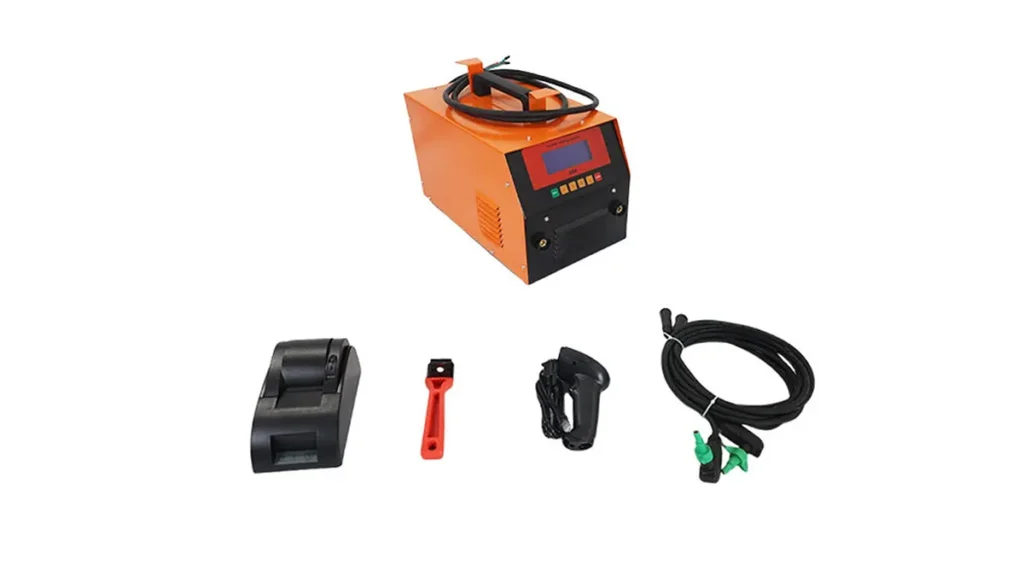
To achieve perfect hydraulic butt fusion welding machine working principle execution, operators must be trained on safety protocols. The heating plate operates at high temperatures, and the hydraulic system generates significant force. Proper PPE, including thermal-resistant gloves and safety glasses, is required. Furthermore, recording machine parameters through traceability systems helps validate that international welding standards were met during each joint.
Routine inspection of the final joint is also crucial. A proper butt fusion weld will exhibit a uniform double bead appearance around the circumference of the pipe. The bead size should be consistent, and there should be no signs of contamination, cold spots, or misalignment. These visual checks, combined with periodic destructive and non-destructive testing, ensure the pipeline’s long-term performance.
Conclusion
Mastering the hydraulic butt fusion welding machine working principle opens the door to executing superior large-diameter pipe installations. By combining hydraulic pressure control with accurate thermal input, these machines deliver joints that are homogenous, durable, and entirely leak-proof. Whether upgrading municipal water lines or installing industrial slurry pipes, the hydraulic fusion process remains unmatched in reliability. Pairing a high-quality operator with a robust machine ensures that every butt weld stands the test of time.