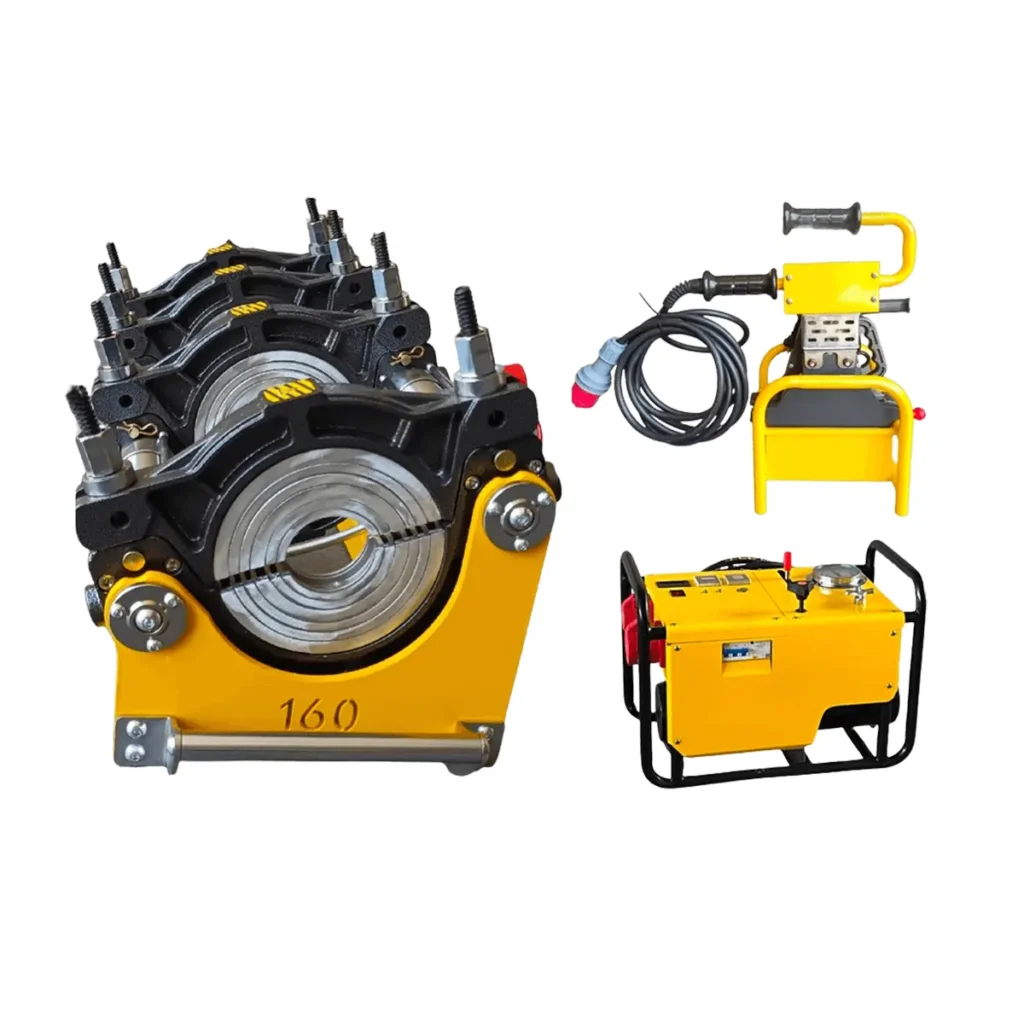
High-density polyethylene HDPE gas pipeline welding is the cornerstone of modern natural gas distribution networks. The integrity of a gas pipeline system depends almost entirely on the quality of its joints. Unlike traditional materials such as steel, HDPE offers exceptional corrosion resistance, flexibility, and a service life exceeding 50 years — but only when welding methods are executed to exacting standards. This guide covers the primary butt fusion welding machines and electrofusion techniques used globally for safe, leak-free gas connections.
Why Welding Method Matters for Gas Pipelines
Natural gas is a volatile substance transported under pressure. A single faulty joint can lead to catastrophic failure, environmental damage, and loss of life. Regulatory bodies worldwide, including PHMSA in the United States and ISO committees internationally, mandate strict adherence to qualified fusion procedures. The two dominant methods approved for gas service are butt fusion and electrofusion, both of which create homogeneous bonds between PE pipe sections when performed correctly.
Key factors influencing method selection include pipe diameter, wall thickness, site accessibility, ambient conditions, and project scale. Understanding the technical nuances of each approach allows contractors and utility companies to make informed decisions that prioritize long-term pipeline safety.
Butt Fusion Welding for HDPE Gas Pipes
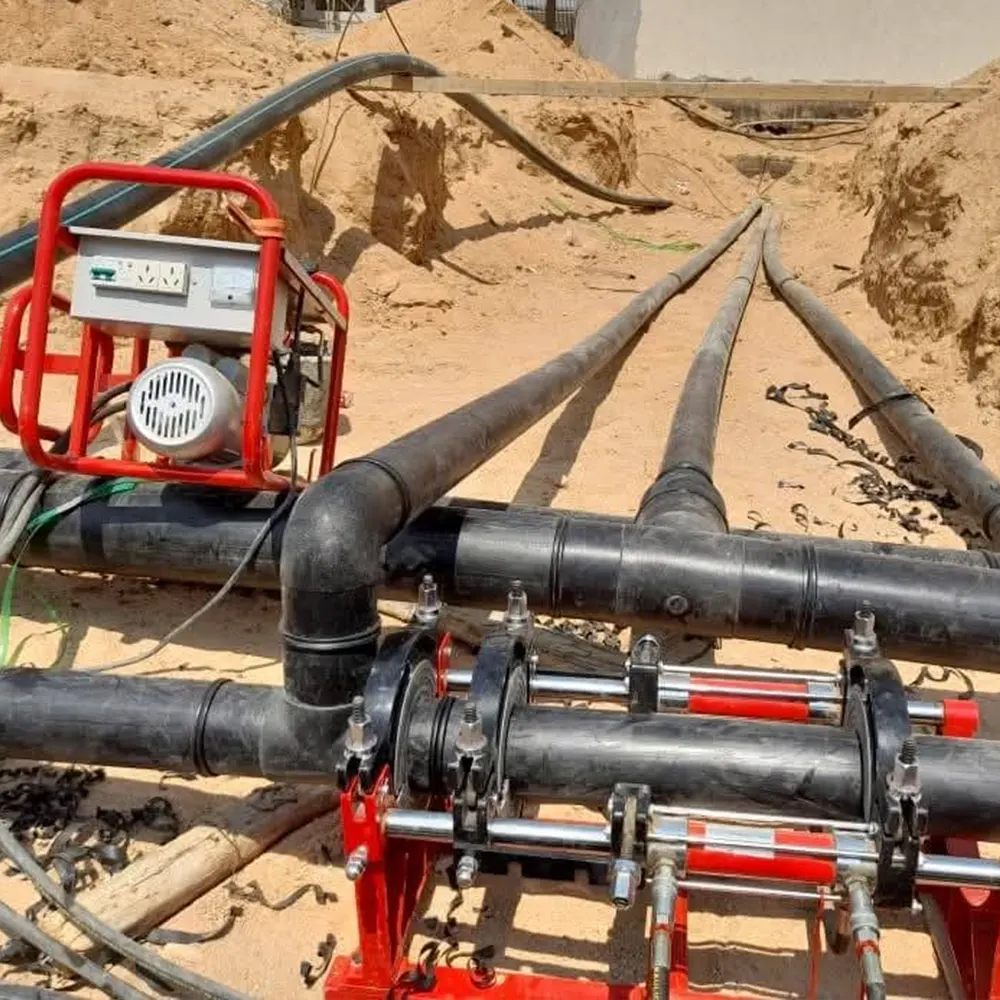
Butt fusion is the most widely used method for joining HDPE pipes in gas distribution systems, particularly for diameters above 63 mm. The process involves heating the pipe ends against a temperature-controlled plate until a molten bead forms, then pressing them together under controlled force to create a permanent, monolithic joint. The resulting weld is as strong as — or stronger than — the pipe itself when parameters are properly maintained.
How the Butt Fusion Process Works
The procedure follows a precise sequence defined by standards such as ISO 21307 butt fusion procedures and ASTM F2620. Each stage must be monitored and recorded for quality assurance:
- Clamping and Alignment: Pipe ends are secured in the butt fusion machine clamps and aligned to within 10% of wall thickness. Misalignment beyond this tolerance can create stress risers in gas service.
- Facing: A rotary facing tool trims both pipe ends simultaneously, ensuring perfectly parallel, clean surfaces free from oxidation and contamination.
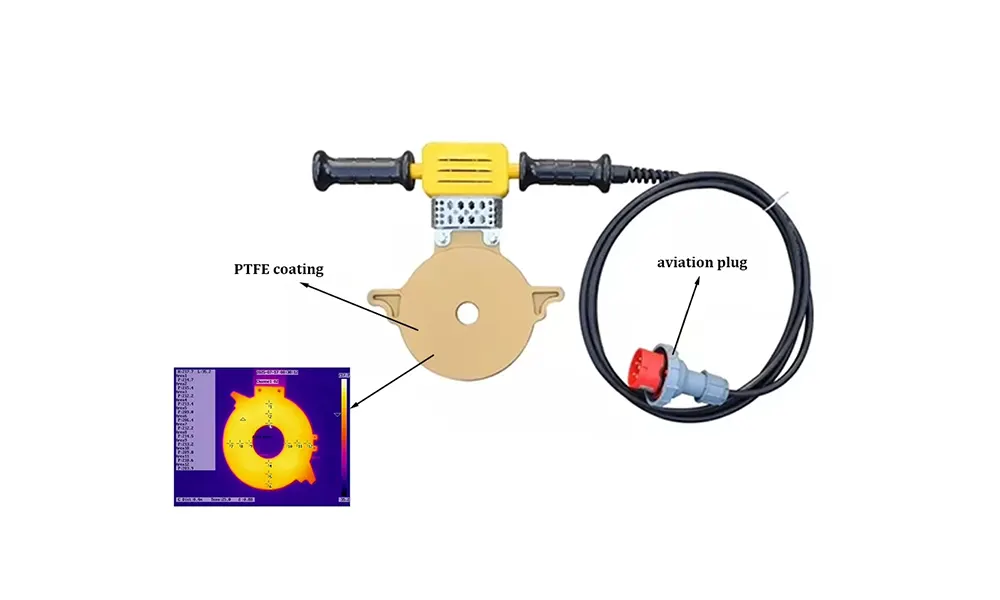
- Heating: A non-stick coated heating plate, maintained at approximately 210°C–225°C for PE materials, is placed between the pipe ends. The pipes are pressed against the plate under controlled pressure to form a uniform melt bead.
- Heater Removal and Fusion: The plate is swiftly removed, and the molten ends are brought together at the specified fusion pressure. This step is time-critical — delays can result in cold joints.
- Cooling Under Pressure: The joint must remain clamped under pressure throughout the entire cooling cycle. Premature release can compromise joint integrity.
Critical Parameters for Gas-Grade Butt Fusion
Gas pipeline applications demand tighter tolerances than water or drainage systems. The following parameters are essential for compliant joints per ASTM F2620 heat fusion requirements:
| Parameter | Recommended Range | Impact on Joint Quality |
|---|---|---|
| Heating Plate Temperature | 210°C – 225°C | Insufficient temperature prevents proper melt; excessive temperature degrades material |
| Bead-Up Pressure | 0.15 – 0.18 MPa | Controls initial melt formation and ensures even heat distribution |
| Fusion Pressure | 0.15 MPa (constant) | Maintains intimate contact during molecular diffusion and cooling |
| Cooling Time (per mm wall) | 1.5 – 2.0 min/mm | Insufficient cooling causes residual stress and potential crack formation |
| Dwell Time (Heat Soak) | Per manufacturer / ISO 21307 | Allows full heat penetration through pipe wall thickness |
Equipment Categories for Butt Fusion
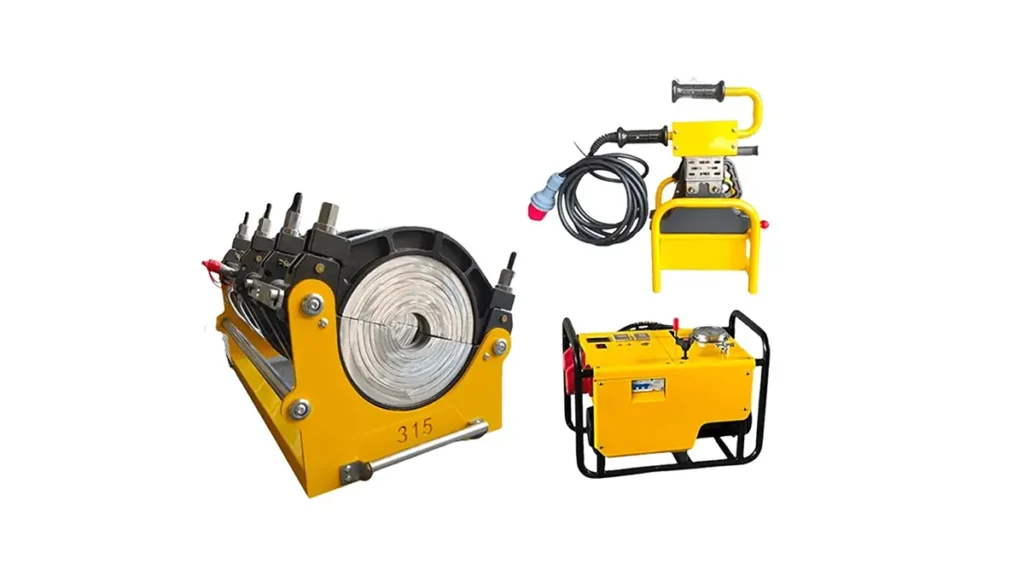
Selecting the right hydraulic butt fusion welding machine depends on pipe diameter and job site conditions. Equipment falls into three main categories:
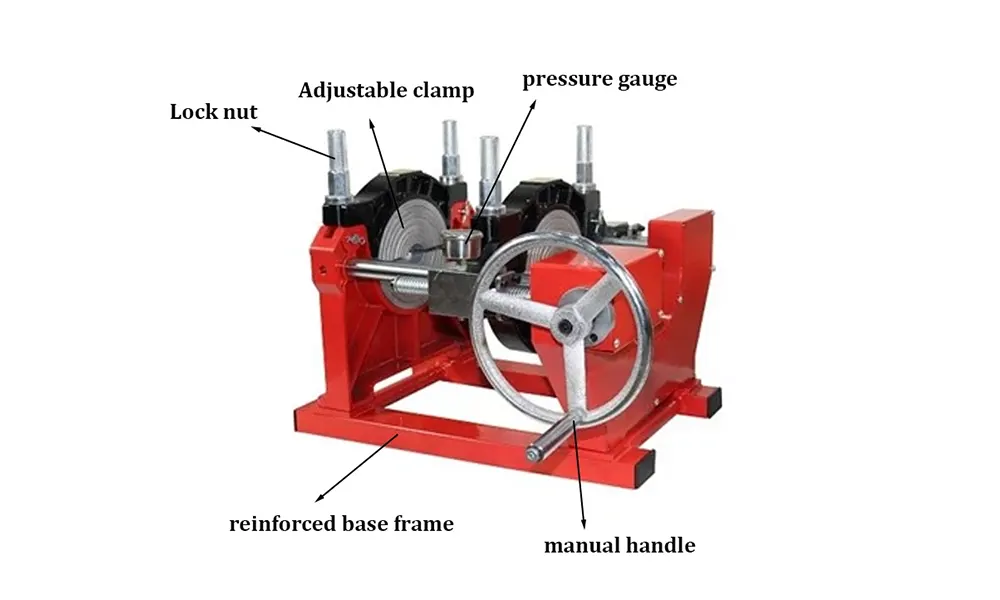
- Manual Butt Fusion Machines: Suitable for smaller diameters (up to 315 mm), these rely on operator skill for clamping force application. Ideal for field repairs and small-scale gas service lines.
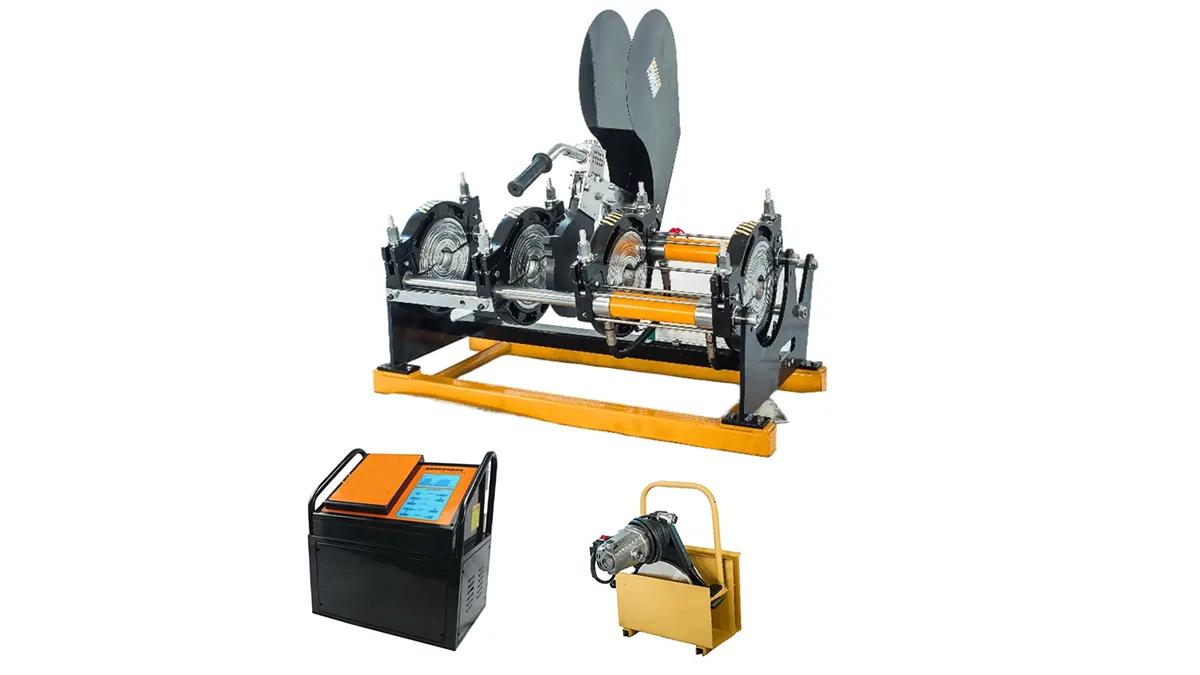
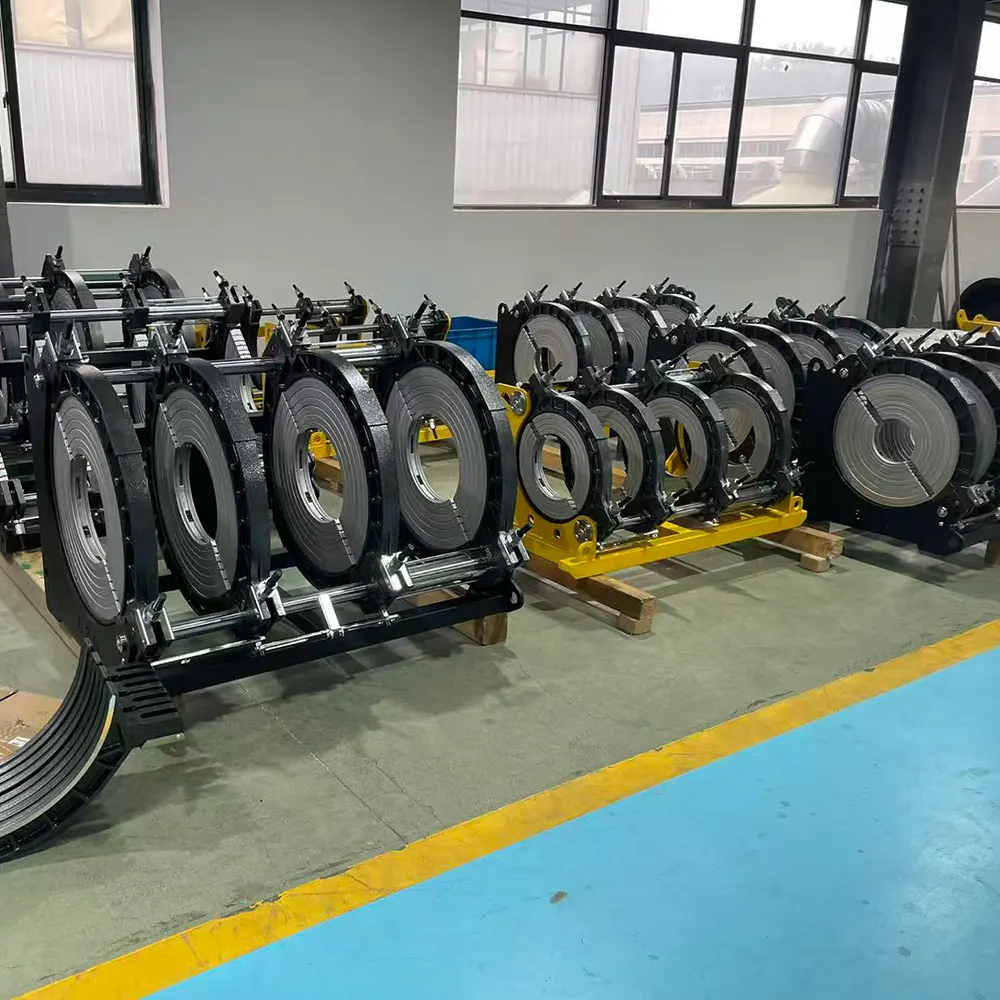
- Hydraulic Butt Fusion Machines: Covering ranges from 160 mm to over 2000 mm, hydraulic systems provide consistent, measurable fusion pressure through powered cylinders. These are the standard for mainline gas distribution welding.
- CNC Automatic Butt Fusion Machines: Computer-controlled systems that automate the entire fusion cycle, including pressure ramping, temperature monitoring, and data logging. Increasingly specified for critical gas infrastructure where traceability is mandatory per PE fusion traceability standards.
Electrofusion Welding for Gas Applications
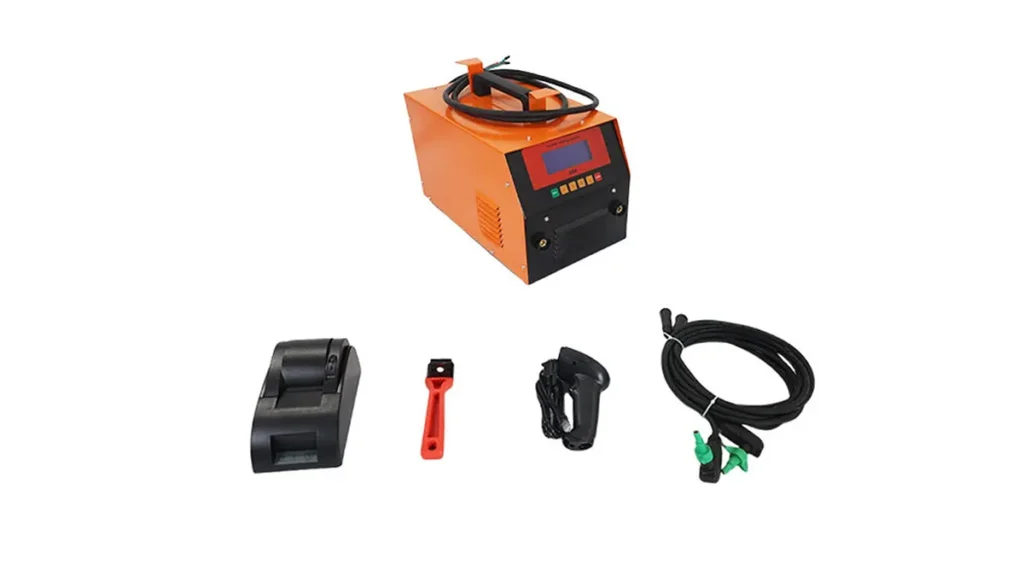
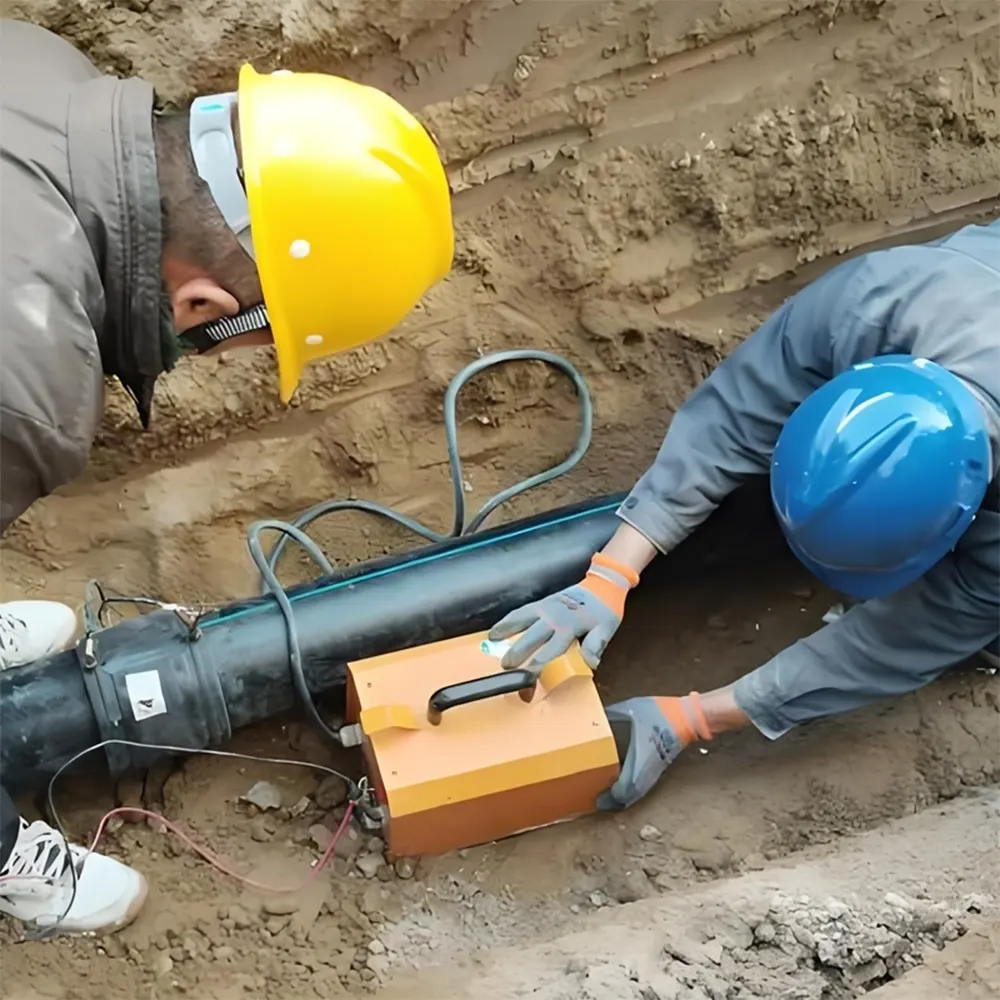
Electrofusion is an equally critical method for HDPE gas piping, particularly valuable in trenchless installations, tie-ins, and repair scenarios where butt fusion equipment cannot be practically deployed. The process uses factory-manufactured fittings with embedded resistance wire coils. When energized by a dedicated electrofusion equipment unit, these coils generate precisely controlled heat that melts the interface between the fitting and pipe, creating a reliable fusion joint.
Electrofusion Process Steps
The electrofusion cycle is governed by PE electrofusion equipment standard ISO 12176-2 and requires meticulous preparation:
- Pipe Surface Preparation: The pipe surface must be scraped to remove the oxidized layer immediately before insertion into the fitting. This step is non-negotiable — unscraped pipe can result in fusion failure.
- Cleaning and Alignment: Both pipe ends and the fitting interior must be thoroughly cleaned with approved solvent wipes. Proper pipe alignment and insertion depth are verified against fitting markings.
- Electrical Connection: The electrofusion processor connects to the fitting terminals, automatically reading the fitting’s barcode or RFID tag to apply the correct fusion parameters.
- Fusion Cycle: The processor delivers precisely timed electrical current through the embedded coils. Real-time monitoring tracks voltage, current, and ambient temperature compensation.
- Cooling Without Movement: As with butt fusion, the joint must remain completely undisturbed during the specified cooling period. Any movement can disrupt the forming bond.
Advantages of Electrofusion in Gas Systems
Electrofusion offers distinct benefits that complement butt fusion in gas pipeline construction. It excels in confined spaces, allows for post-installation tie-ins without axial movement, and provides excellent joint traceability through embedded data logging. The method is indispensable for saddle fusion applications where branch connections are added to existing mains under pressure or during system expansions.
| Feature | Butt Fusion | Electrofusion |
|---|---|---|
| Typical Diameter Range | 63 mm – 2000+ mm | 20 mm – 710 mm |
| Equipment Portability | Moderate to heavy | Lightweight and compact |
| Joint Traceability | Via external data loggers | Built-in fitting identification and recording |
| Cost Per Joint (Large Dia.) | Economical for high-volume production | Higher fitting cost; economical for selective use |
| Trenchless Compatibility | Limited | Excellent for tight excavations |
Qualification and Operator Training Requirements
No welding method can guarantee safety without qualified operators. Industry best practices, including the PE fusion qualification guidelines from the Plastics Pipe Institute, require that all personnel performing gas pipeline welding complete documented training programs and periodic re-qualification. Key elements include:
- Demonstrated proficiency in the specific welding method and equipment type used on the project
- Understanding of material identification, storage conditions, and handling requirements
- Ability to perform and document visual inspection of completed joints
- Knowledge of rejection criteria and when to escalate quality concerns
- Familiarity with PE fusion operator requirements under ISO 12176-3
Inspection and Quality Control for Gas Welds
Post-weld inspection is mandatory for gas pipeline joints. Visual examination is the first line of defense — trained inspectors evaluate bead size, shape, and symmetry against acceptance criteria defined in PE gas piping systems standards. Destructive testing on sample coupons, including bend-back tests and tensile testing, provides quantitative verification of fusion quality. For critical installations, non-destructive ultrasonic phased-array techniques are increasingly employed to detect internal flaws without compromising the pipeline.
Common Welding Defects and Root Causes
Understanding failure modes helps prevent them. The most frequent defects observed in HDPE gas pipeline welding include:
- Cold Joints: Result from insufficient heating, prolonged heater removal time, or inadequate fusion pressure. Appears as a flat, narrow bead with poor intermixing.
- Contamination Inclusions: Dirt, moisture, or oxidized material trapped in the weld zone. Emphasizes the importance of proper pipe cleaning and facing.
- Misalignment Defects: Pipe ends not properly aligned create stress concentrations that can initiate cracks under pressure cycling.
- Incomplete Fusion at Fitting Interface: Common in electrofusion when pipe scraping is omitted or insufficient, preventing proper melt at the coil interface.
Safety Protocols During HDPE Gas Pipeline Welding
Welding on gas infrastructure carries inherent risks that demand rigorous safety measures. The work area must be verified as free from flammable atmospheres before commencing any fusion operation. All electrical equipment, including HDPE pipe welding machines and generators, must be properly grounded and positioned outside potential vapor zones. Personal protective equipment requirements include heat-resistant gloves, safety glasses with side shields, and flame-resistant clothing when working near open trenches where residual gas may accumulate.
Emergency shutdown procedures should be established and communicated to all crew members before work begins. A fire watch with appropriate extinguishing equipment must be maintained during all welding activities on or near existing gas facilities.
Selecting Welding Equipment for Gas Projects
The reliability of a gas pipeline welding operation starts with the equipment. Contractors and utilities should evaluate machines based on temperature control accuracy, clamp alignment precision, and data logging capability. Modern CNC and hydraulic machines from established manufacturers incorporate real-time parameter monitoring and automatic shutdown if deviations are detected — features that significantly reduce the risk of non-compliant joints entering service. JQ-Fusion provides a comprehensive range of butt fusion and electrofusion equipment engineered to meet the stringent requirements of gas distribution welding, with machines available for diameters from 160 mm to 2250 mm and full OEM/ODM customization options including color, branding, and control system configuration.
Key Equipment Selection Criteria
- Pipe Diameter Compatibility: Confirm the machine’s clamping range covers all pipe sizes on the project
- Heating Plate Uniformity: Temperature variation across the plate surface should not exceed ±5°C
- Pressure Control Precision: Hydraulic and automatic systems should maintain fusion pressure within ±0.01 MPa
- Data Recording: Capability to log all fusion parameters for regulatory compliance and quality audits
- Portability and Setup Time: Critical for distributed projects with numerous joint locations
Reference Standards and Technical Resources
Compliance with international standards is the foundation of gas pipeline welding quality. The following resources provide authoritative guidance for HDPE gas system joining:
- ISO 21307 — Butt Fusion Jointing Procedures for PE Piping Systems
- ISO 4437 — PE Piping Systems for Gaseous Fuels Supply
- ASTM F2620 — Standard Practice for Heat Fusion Joining of PE Pipe and Fittings
- PPI TR-33 — Generic Butt Fusion Joining Procedure for Field Joining of PE Pipe
- PPI Handbook of Polyethylene Pipe — Comprehensive PE Joining Reference
- TEPPFA Good Practice Guides for PE Pipe Jointing Technologies
Conclusion: Safe, reliable HDPE gas pipeline connections are achieved through rigorous adherence to proven welding methods, qualified operator practices, and properly maintained equipment. Whether employing butt fusion for mainline construction or electrofusion for service connections and repairs, the commitment to quality at every joint determines the long-term integrity of the gas distribution network.