Common Polyethylene Welding Machine Problems and How to Identify Them
Operating a polyethylene welding machine requires precision and consistency. When a machine malfunctions, it can lead to weak joints, costly rework, or even pipeline failure. Understanding the root causes of common issues is the first step toward effective polyethylene welding machine troubleshooting. Below, we break down the most frequent problems encountered in the field, from inconsistent heating to hydraulic pressure drops.
Many welding defects stem from improper parameter settings, worn components, or environmental factors. Whether you are using a manual, hydraulic, or CNC automatic butt fusion machine, recognizing these symptoms early can save time and material. Always refer to established guidelines such as the ISO 21307 butt fusion procedures to ensure your process aligns with international standards.
Machine Not Heating or Reaching Correct Temperature
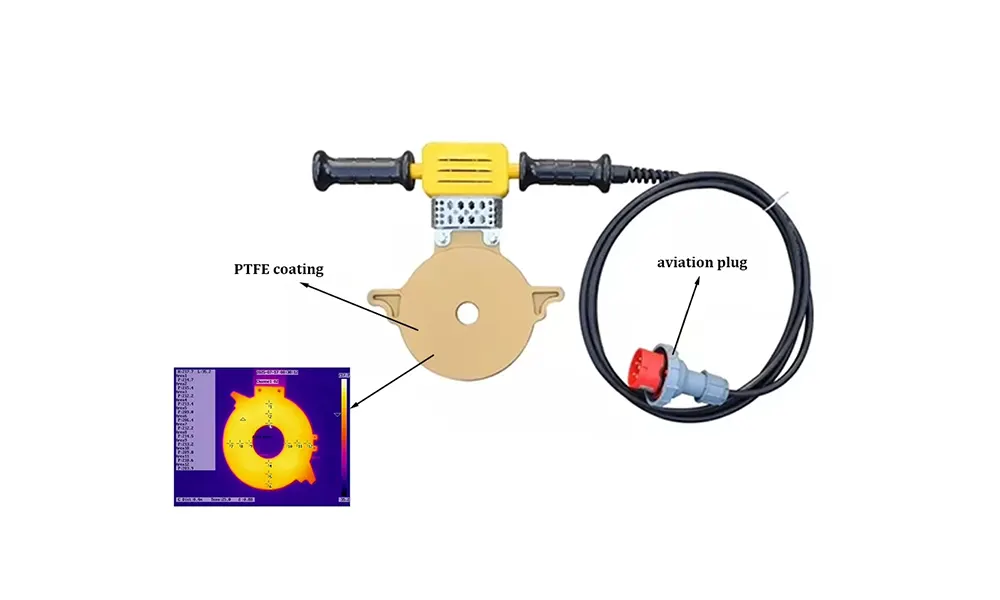
One of the most critical aspects of pipe fusion is maintaining accurate heating plate temperature. If your machine fails to heat or fluctuates significantly, the weld integrity is compromised.
- Problem: Heating plate does not power on.
- Possible Cause: Damaged power cable or tripped circuit breaker.
- Solution: Inspect the power supply cord for cuts or loose connections. Check the main electrical panel and reset the breaker if necessary.
- Problem: Temperature overshoots or fails to reach setpoint.
- Possible Cause: Malfunctioning thermocouple or damaged heater element.
- Solution: Test the thermocouple with a multimeter and replace if readings are unstable. Verify the heater element resistance matches the manufacturer’s specification. Regular calibration against a certified pyrometer is strongly recommended by the PE butt fusion equipment standard.
Quick Checklist for Temperature Issues
| Checkpoint | Action |
|---|---|
| Power Indicator | Confirm LED lights are on |
| Circuit Breaker | Reset if tripped |
| Heater Resistance | Measure against spec sheet |
| Surface Cleanliness | Remove PE residue with a non-abrasive cloth |
Loss of Hydraulic Pressure or Movement Failure
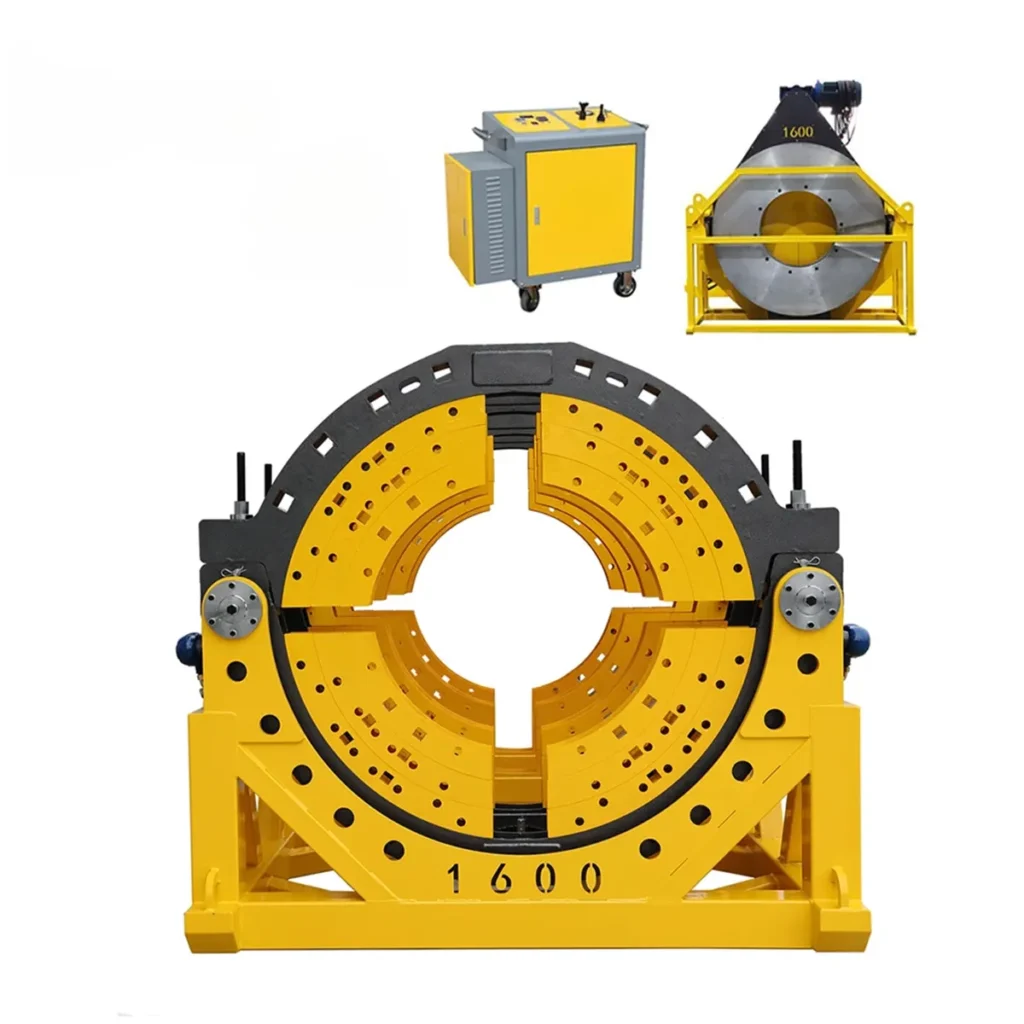
Hydraulic systems are the muscle of large-diameter welding machines. A failure here can halt operations entirely. Hydraulic pressure problems often manifest as chattering movements, uneven clamping force, or a complete lack of response from the control lever.
Start by checking the hydraulic oil level and quality. Contaminated or low oil is a primary suspect in polyethylene welding machine troubleshooting. Next, inspect the quick-connect couplings; a loose connection can introduce air into the system, causing spongy carriage movement. According to the PPI butt fusion procedure, machines should undergo a daily functional check before joining begins.
- Symptom: Carriage drifts backward during fusion.
- Cause: Internal seal leakage in the hydraulic cylinder.
- Fix: Rebuild or replace the cylinder seals. Do not attempt to block the carriage mechanically; this is a safety hazard.
Pipe Slippage and Clamping Issues
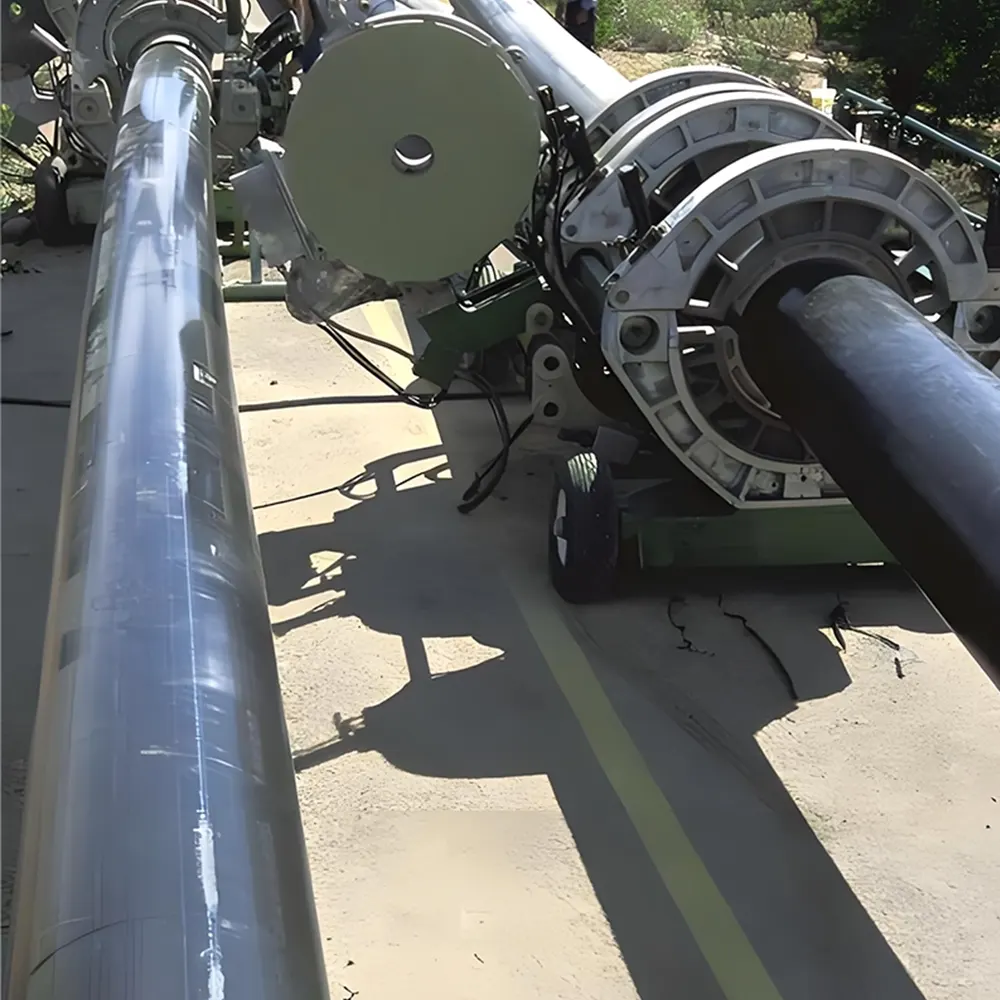
Pipe slippage during the facing or fusion stages leads to misaligned beads and weak joints. This is particularly common when working with HDPE pipes that have a slick outer surface or when clamps are improperly sized.
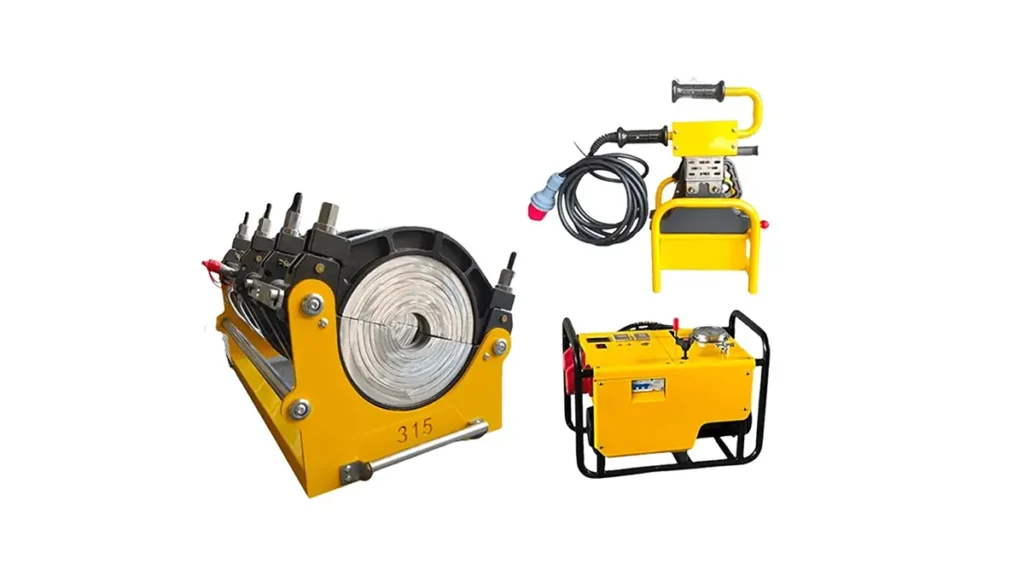
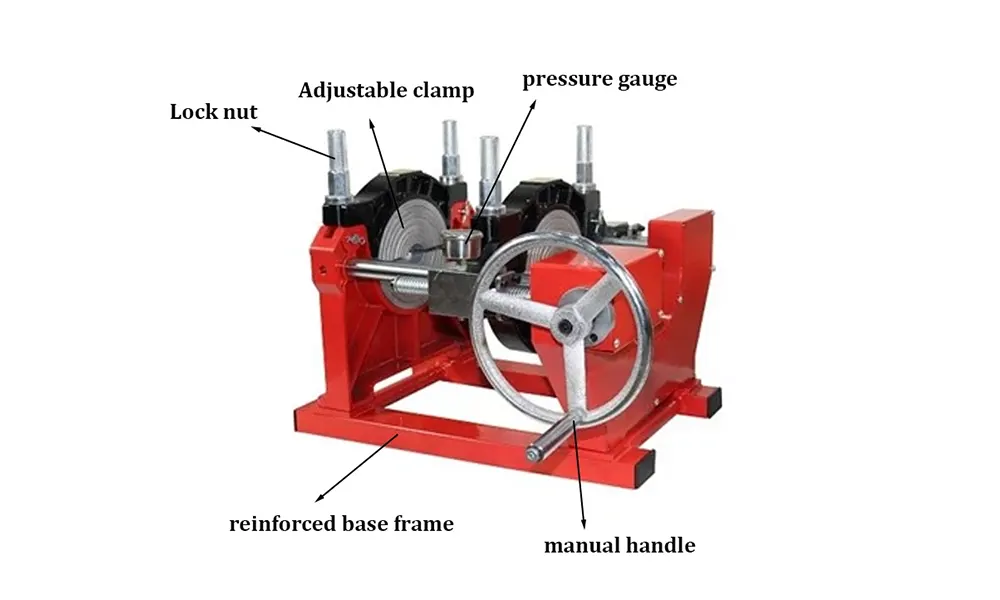
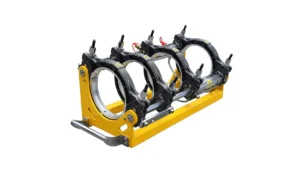
Always ensure the clamp inserts match the pipe diameter exactly. Worn-out inserts lose their grip and must be replaced. If the pipe still slips, check the clamping pressure. For manual and hydraulic systems alike, the clamping force must be sufficient to resist the fusion drag pressure. You can explore various hydraulic butt fusion welding machine options that offer enhanced clamping stability for high-demand projects.
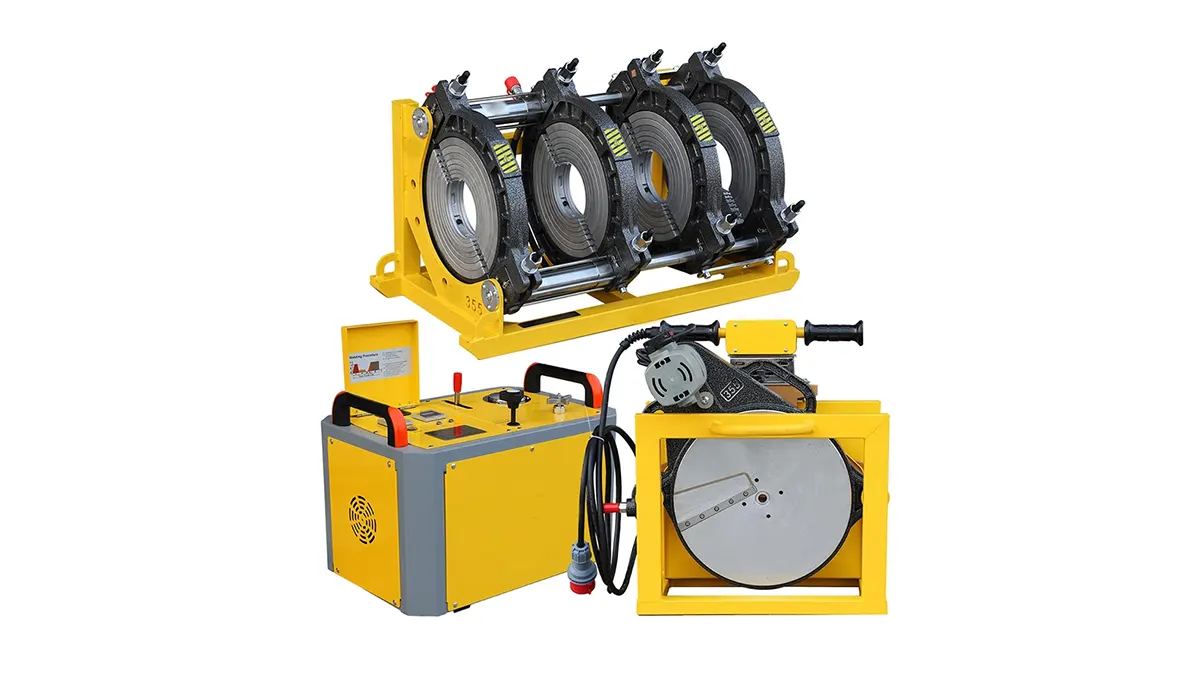
Trimmer Blade and Facing Problems
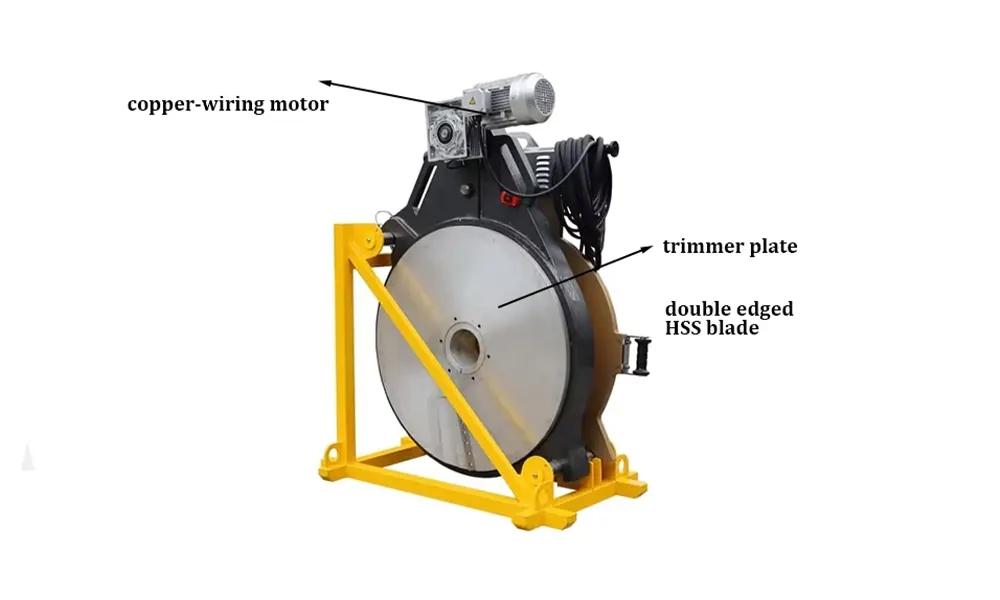
A clean, square pipe face is essential for proper fusion bonding. If the trimmer is leaving a rough surface, spiral marks, or not cutting evenly, the final joint will likely fail a bend test.
Dull blades are the usual culprit. Sharpening or replacing the trimmer blades should resolve most surface finish issues. Also, verify that both pipe ends are completely stationery and fully supported during the facing operation. Vibration during trimming often indicates worn bearings in the trimmer motor or an unstable work surface.
Addressing an Uneven Facing Surface
- Stop the trimmer immediately if you hear unusual noise.
- Remove the trimmer and inspect the blade edge for chips or rounded sections.
- Ensure the locking mechanism prevents any axial movement of the pipe during trimming.
- Jointly re-face the pipe ends until a complete, unbroken ribbon of PE material forms on both sides.
Inconsistent Bead Appearance and Joint Quality
The weld bead tells a story about the parameters used. A bead that is too small, too large, or asymmetric indicates a deviation from the standard welding procedure. Polyethylene welding machine troubleshooting often focuses on these visual cues to prevent destructive testing failures.
| Bead Defect | Likely Cause | Corrective Action |
|---|---|---|
| Small, flat bead | Insufficient fusion pressure | Recalculate drag pressure and adjust the hydraulic relief valve accordingly. |
| Oversized, deformed bead | Excessive pressure or temperature too high | Reduce hydraulic pressure; verify the heating plate temperature with a second calibrated pyrometer. |
| Asymmetric or uneven bead | Misalignment or high-low mismatch | Re-clamp pipes using the alignment function; shim if necessary. Check clamp frame for damage. |
| Brittle, shiny fracture surface | Contamination or moisture | Thoroughly clean pipe ends with approved solvents and allow to dry completely before facing. |
Electrical Faults and Control System Errors
Modern automatic and CNC machines are equipped with sophisticated control systems that display error codes. Do not ignore warning lights or error messages; they are your first line of defense in protecting the machine from severe damage. Common electrical issues include blown fuses, faulty emergency stop buttons, and communication errors between the control unit and the hydraulic power pack.
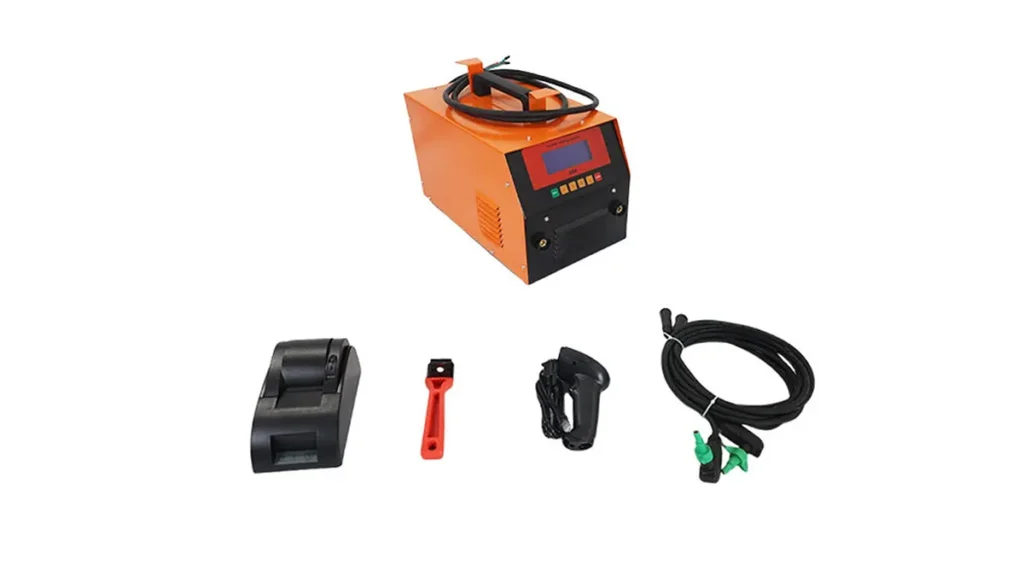
For persistent polyethylene welding machine troubleshooting related to electronics, ensure the power supply is stable and matches the machine’s voltage requirements. Loose terminal connections can cause intermittent faults that are difficult to trace. Many professionals rely on the detailed guidance found in the ASTM F2620 heat fusion standard to maintain consistent data recording practices, which helps in spotting gradual electrical drift.
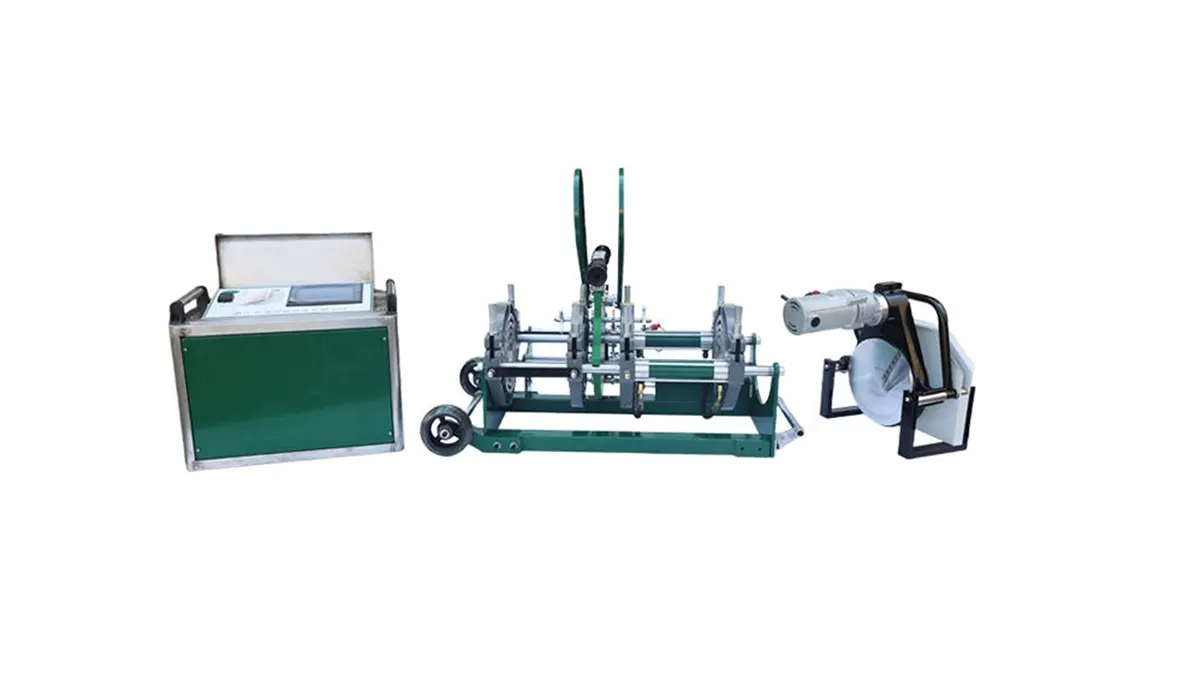
Preventative Maintenance to Minimize Downtime
The most effective polyethylene welding machine troubleshooting strategy is preventing problems before they start. A structured maintenance schedule extends the lifespan of your equipment and ensures consistent welding quality.
Daily tasks should include cleaning the heating plate surface with a clean, dry cotton cloth while the plate is at fusion temperature, inspecting the trimmer blades, and greasing the guide rods. Weekly checks might involve hydraulic fluid top-ups and fuse inspections. JQ-Fusion, a professional manufacturer specializing in HDPE pipe welding machines, emphasizes that rigorous quality assurance during production translates directly to fewer field failures, but operator-maintained equipment remains the cornerstone of reliable pipe networks.
- Clean PTFE surfaces only with approved non-abrasive cloths.
- Store the machine under cover and protect the control unit from moisture and dust.
- Calibrate temperature controllers and pressure transducers annually as a minimum.
- Replace hydraulic oil and filters per the manufacturer’s recommended intervals.
When to Contact a Professional Service Team
While many issues can be resolved on-site with a methodical approach, some problems require specialized knowledge. If you have verified all external connections, followed the standard parameters, and the machine still produces inconsistent welds or exhibits structural damage, it is time to seek expert support.
Issues such as a cracked heating plate casting, persistent hydraulic cylinder drift despite seal replacement, or a failed motherboard in the CNC control unit should be addressed by certified technicians. Attempting complex internal repairs without proper training can void warranties and introduce safety risks. Working with a supplier that offers strong after-sales care and custom solutions ensures that your projects stay on track, regardless of technical challenges.