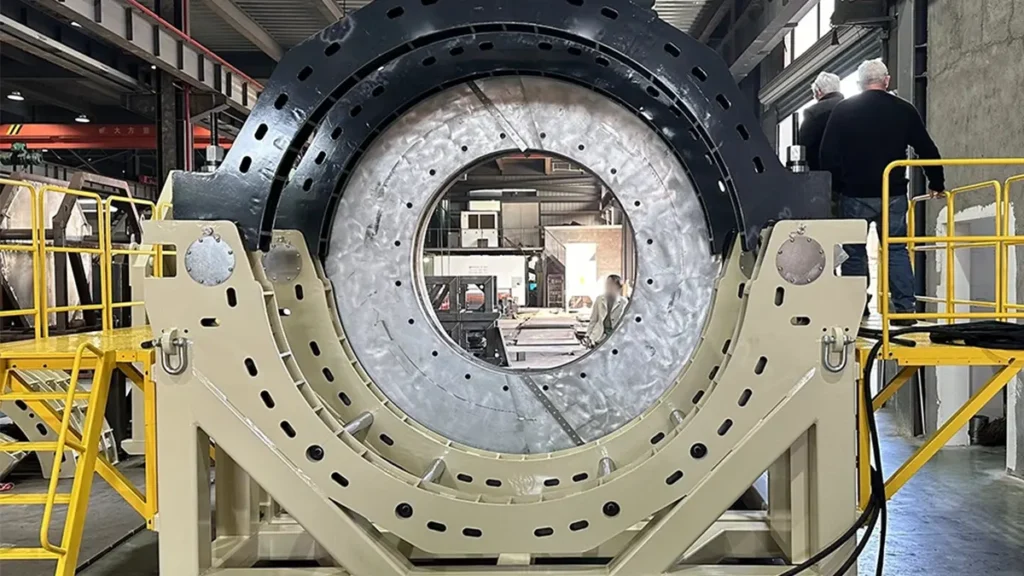
When constructing modern pipeline systems for water supply, gas distribution, mining, and industrial applications, the quality of pipe joints directly determines the long-term reliability of the entire network. A polyethylene welding machine for HDPE pipes is the core equipment that makes these durable, leak-free connections possible. Understanding the different machine types, their specific uses, and what to look for when purchasing is essential for contractors and project managers aiming to deliver high-performance piping systems.
HDPE (High-Density Polyethylene) pipes have become the preferred choice globally due to their flexibility, corrosion resistance, and long service life. However, achieving a proper joint requires more than just heating two pipe ends together. It demands precise temperature control, accurate alignment, and consistent pressure application—all functions that a quality welding machine must deliver reliably. Whether you are working on a municipal water project or a large-scale industrial installation, selecting the right equipment is a critical first step toward successful pipeline construction.
Types of Polyethylene Welding Machines for HDPE Pipes
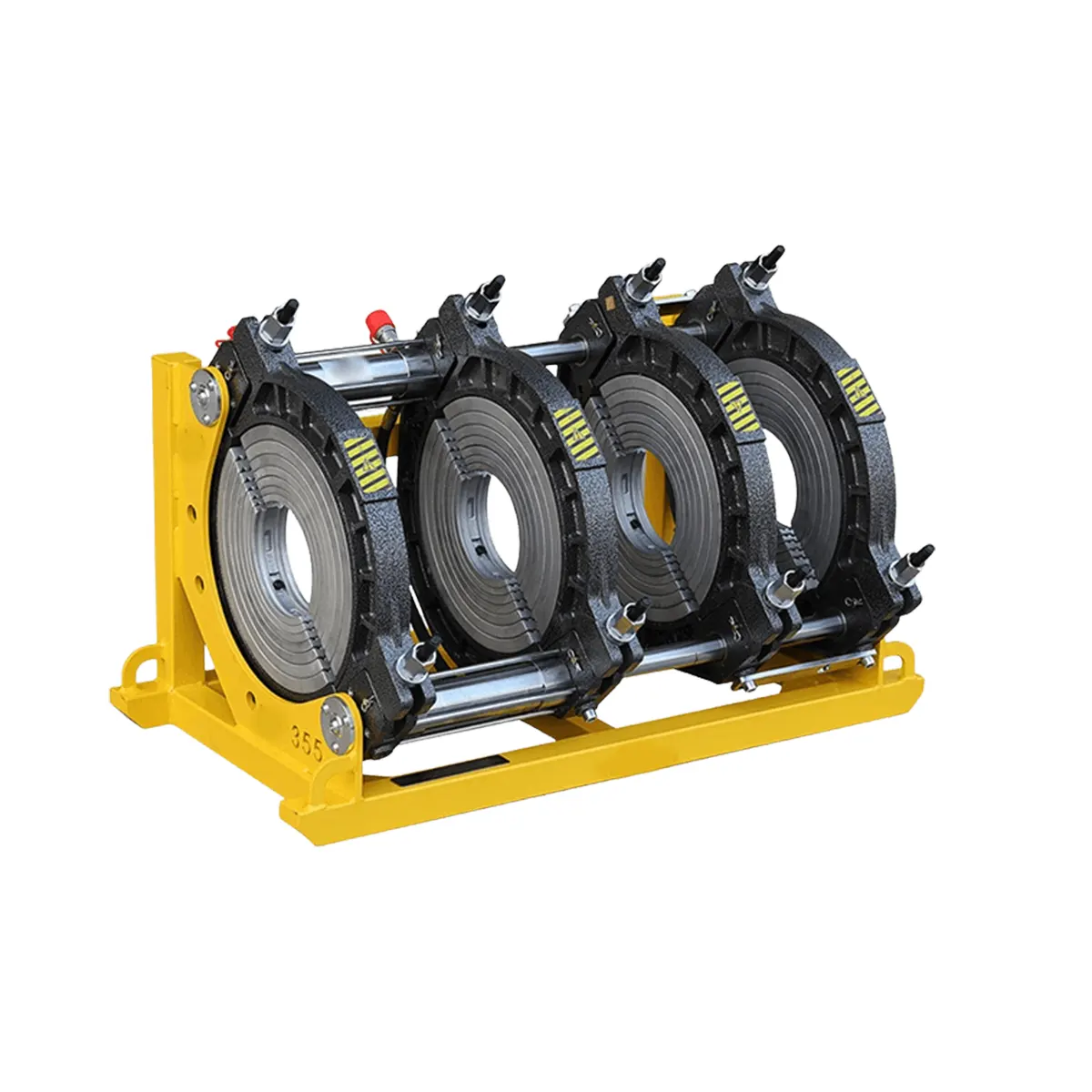
The market offers several categories of polyethylene welding machine for HDPE pipes, each designed to meet different project scales, pipe diameters, and operational requirements. Choosing the right type depends on your specific application, budget, and the level of precision you need. Below are the primary machine types you should evaluate.
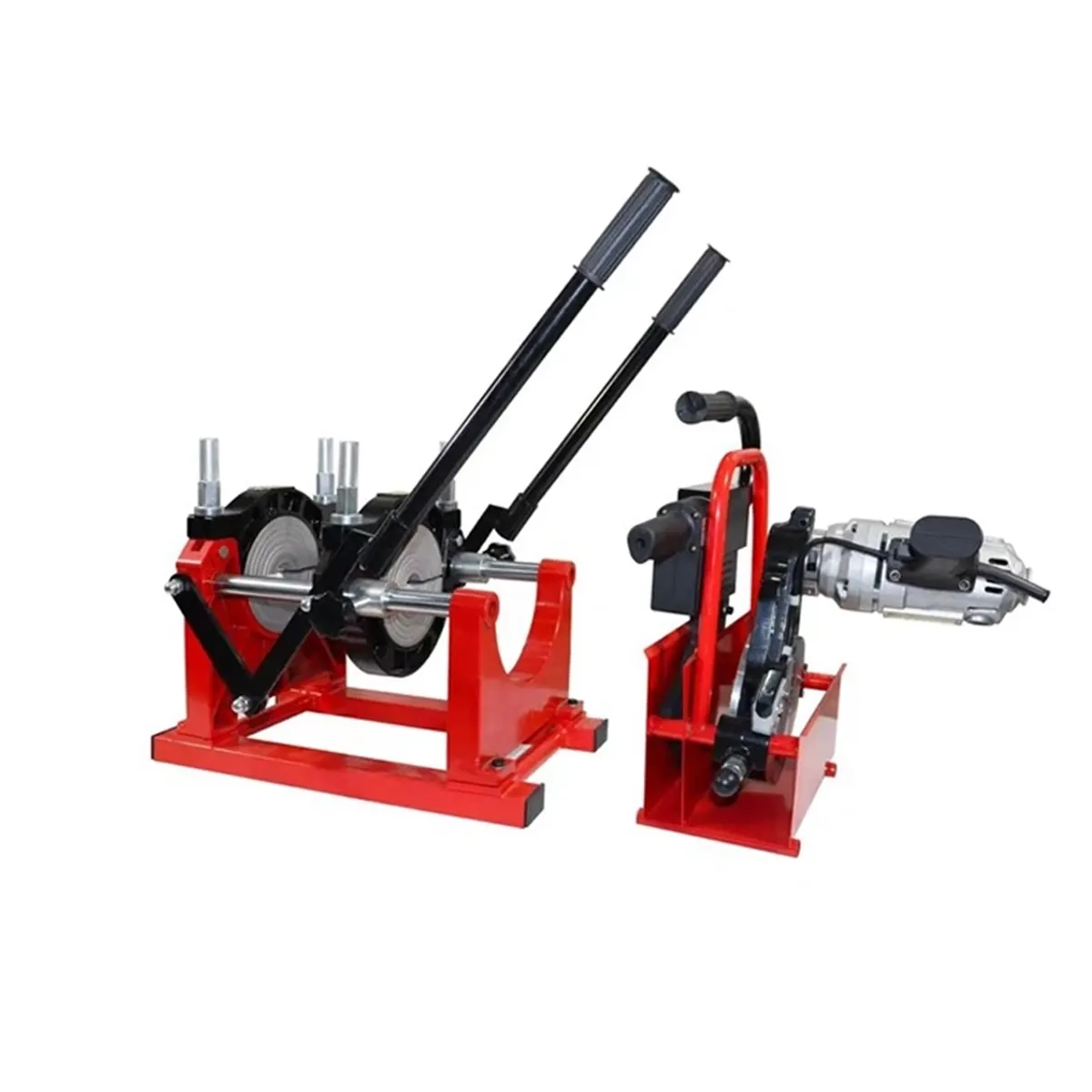
Manual Butt Fusion Welding Machines
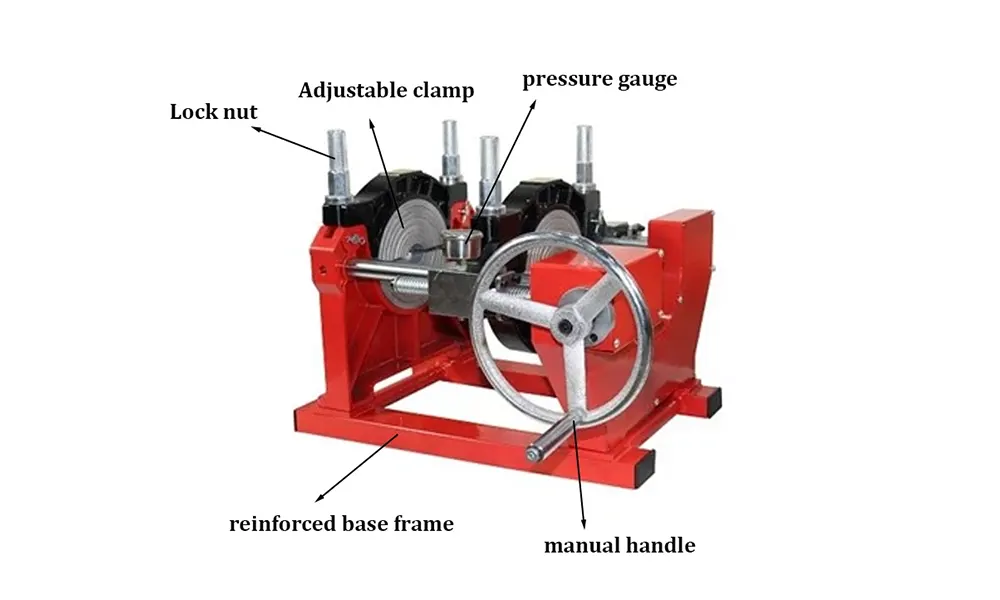
Manual butt fusion machines are the most cost-effective option, ideal for small-diameter pipes typically ranging from 63mm to 315mm. These machines require the operator to manually control the clamping, facing, heating, and fusion stages. They are lightweight, portable, and well-suited for field repairs, rural water supply projects, and small-scale construction where mobility is a priority. While they demand skilled operators to ensure consistent weld quality, they remain a popular choice for contractors managing tight budgets without compromising on basic welding reliability.
Hydraulic Butt Fusion Welding Machines
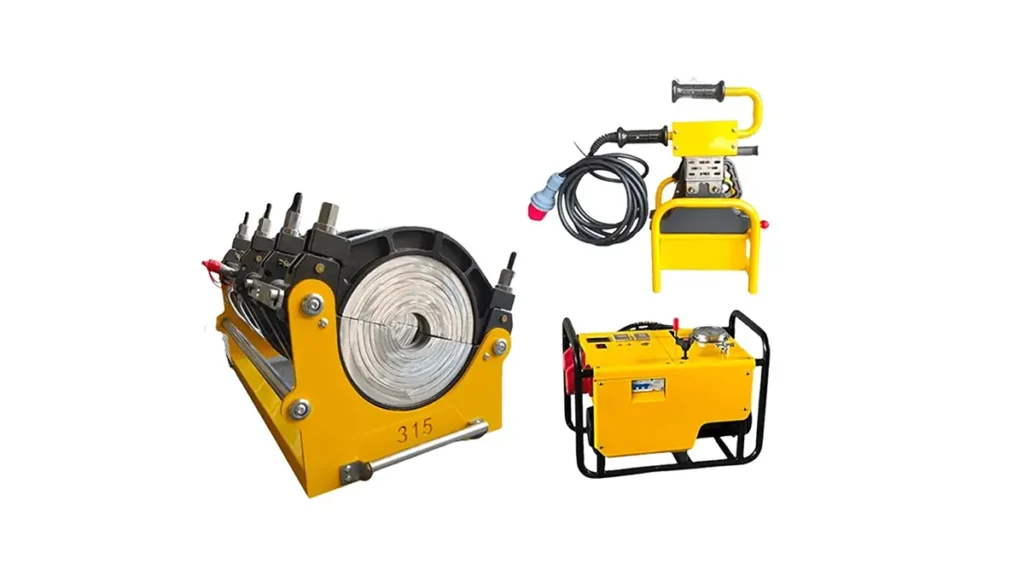
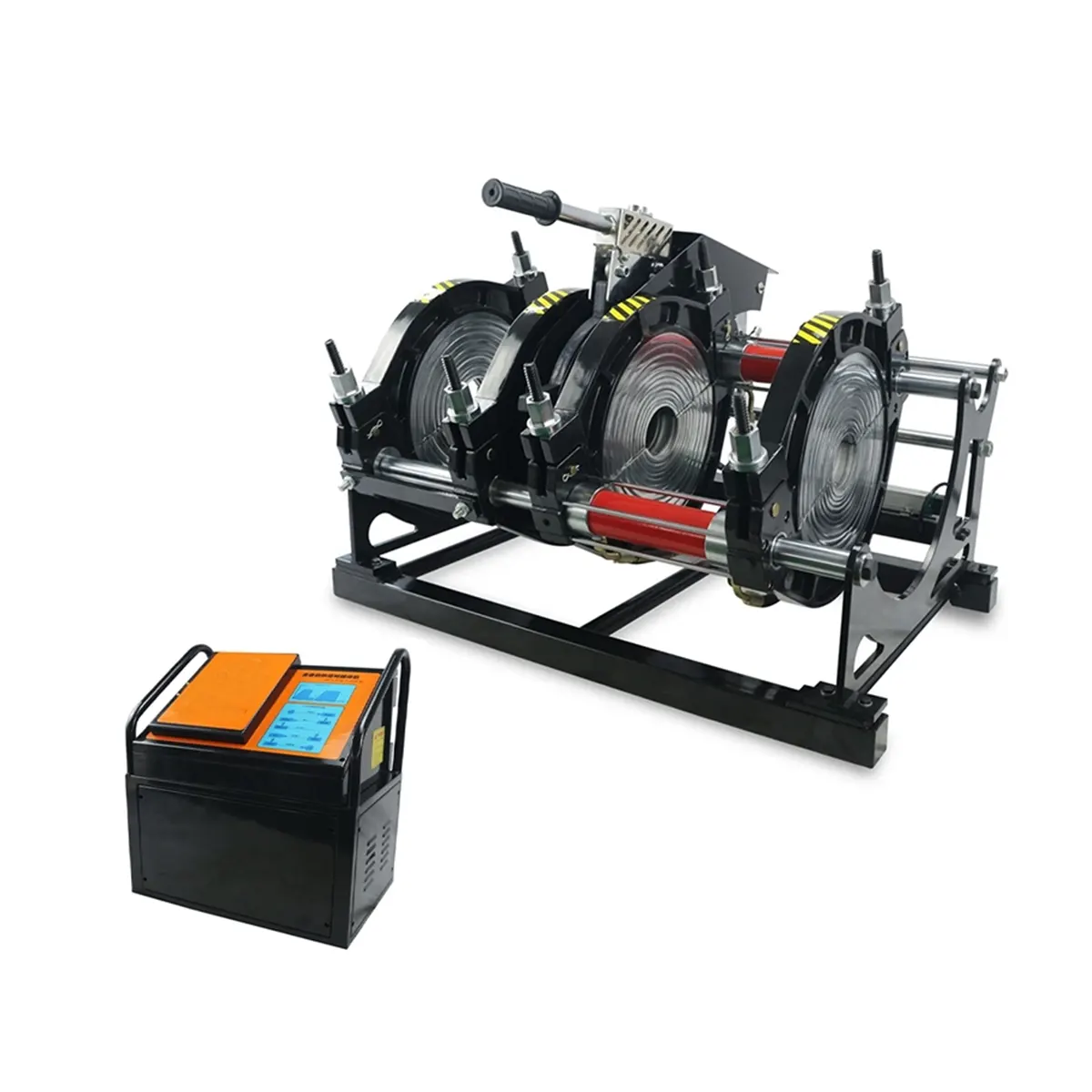
Hydraulic welding machines are designed for medium to large-diameter pipes, typically from 200mm up to 2250mm or more. They use a hydraulic power unit to generate the high clamping and fusion pressure required for large pipe joints. These machines significantly reduce operator fatigue and improve joint consistency compared to manual models. According to PE butt fusion equipment standards, hydraulic systems must maintain precise pressure control throughout the welding cycle to ensure joint integrity. Hydraulic machines are widely used in municipal water mains, gas transmission pipelines, and mining slurry lines where large-diameter HDPE pipes are common.
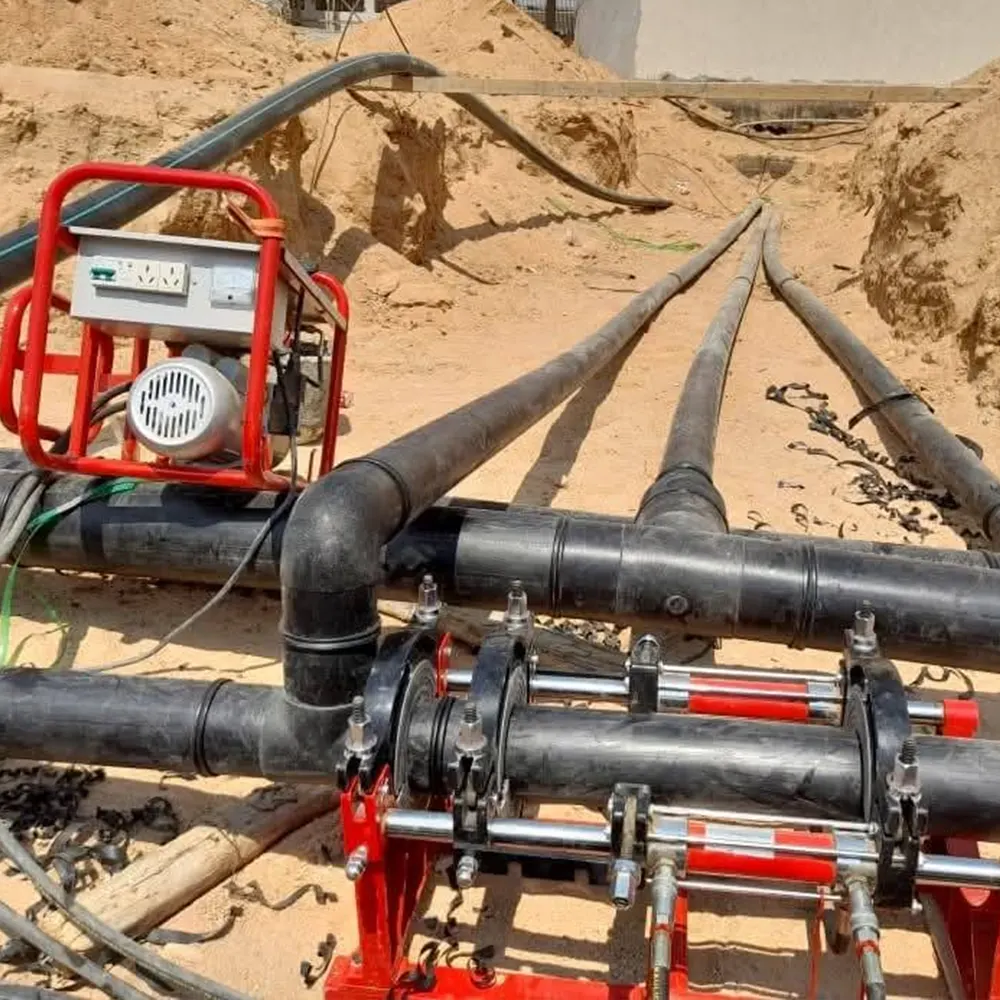
CNC Automatic Butt Fusion Welding Machines
CNC automatic machines represent the highest level of welding precision and automation. Equipped with programmable logic controllers, these machines automatically manage every phase of the HDPE butt fusion process—from heating plate temperature regulation to fusion pressure application and cooling time monitoring. They store welding data for quality assurance and traceability, which is increasingly required in regulated industries. Automatic machines are ideal for projects where weld documentation and repeatable precision are mandatory, such as nuclear power plant cooling systems, large-diameter gas pipelines, and critical infrastructure where joint failure is not an option. The ISO 21307 butt fusion procedures provide the standard framework that these machines follow to ensure compliance.
Electrofusion Welding Machines
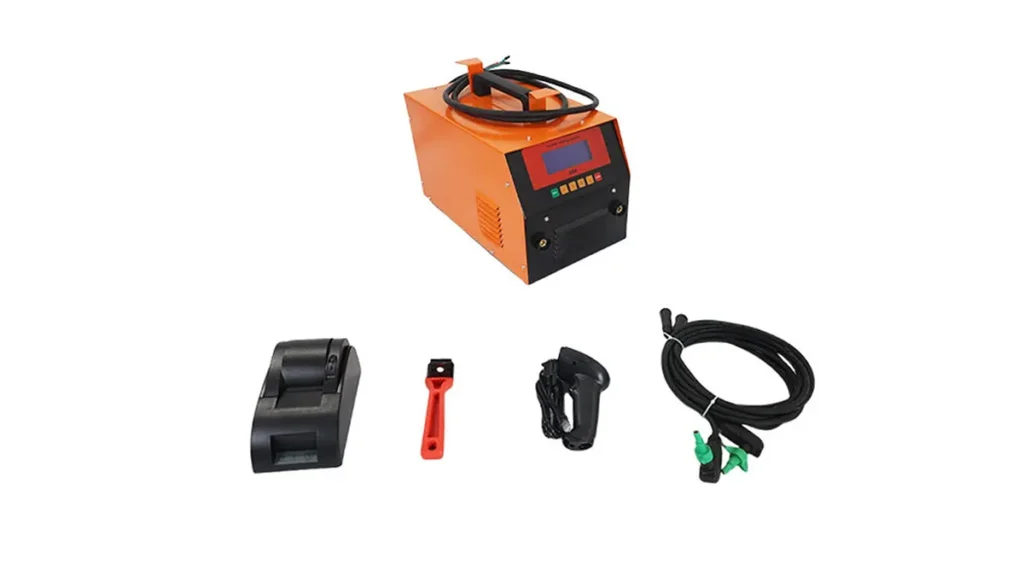
Electrofusion is a different joining method that uses specialized fittings with embedded heating coils. An electrofusion machine sends an electric current through the fitting, melting the inner surface and the outer pipe wall simultaneously. This method is particularly useful for repair work, tight spaces, and joining pipes where butt fusion equipment cannot be positioned. Following the ASTM F2620 heat fusion standards is critical to achieving reliable electrofusion joints. These machines are commonly used for gas distribution networks and industrial piping where space constraints or joint accessibility pose challenges.
Key Applications of HDPE Pipe Welding Machines
The versatility of HDPE pipe welding machines spans numerous industries. Here are the most common application areas where a polyethylene welding machine for HDPE pipes plays a vital role:
- Water Supply Systems: Municipal potable water distribution networks rely on HDPE pipes welded with butt fusion or electrofusion machines for leak-free, contamination-resistant connections that can last over 50 years.
- Gas Distribution: Natural gas and LPG pipelines use HDPE for its superior safety profile. Fusion-welded joints eliminate leak points, making them the preferred choice for gas utilities worldwide.
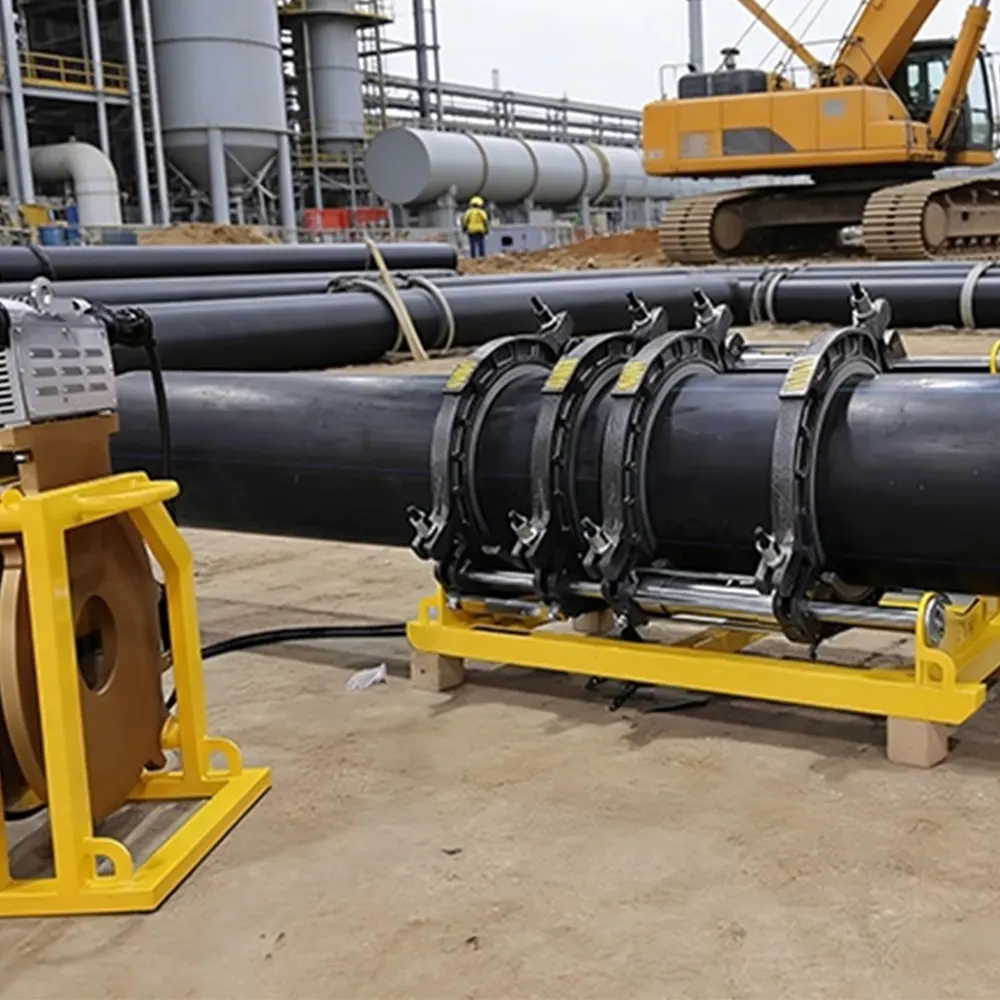
- Mining and Industrial Slurry Lines: HDPE pipes joined with hydraulic welding machines handle abrasive slurries in mining operations, providing wear resistance and flexibility that metal pipes cannot match.
- Irrigation and Agriculture: Large-scale agricultural irrigation systems use HDPE pipelines with butt-welded joints for efficient water transport across vast distances.
- Marine and Dredging: Floating HDPE pipelines assembled with fusion welding are used for dredging operations, effluent discharge, and seawater intake systems.
- Geothermal and Industrial Cooling: HDPE piping systems with precision-welded joints serve geothermal energy projects and industrial cooling circuits where temperature resistance and joint integrity are essential.
Factors to Consider When Buying a Polyethylene Welding Machine
Investing in the right polyethylene welding machine for HDPE pipes requires careful evaluation of several technical and operational factors. The table below summarizes the key considerations to guide your purchasing decision:
| Consideration | Description | Recommendation |
|---|---|---|
| Pipe Diameter Range | The minimum and maximum pipe sizes the machine can accommodate | Match the machine capacity to your current and future project requirements |
| Clamping System | Manual, hydraulic, or automatic clamping mechanisms | Hydraulic clamping is recommended for pipes above 315mm to ensure proper alignment |
| Heating Plate Quality | Temperature uniformity and non-stick coating durability | Look for PTFE-coated plates with digital temperature control for consistent results |
| Facing Tool Performance | Ability to create clean, parallel pipe end surfaces | Dual-sided facing tools with sharp, replaceable blades ensure optimal joint preparation |
| Data Logging Capability | Recording welding parameters for quality assurance | Essential for regulated projects; CNC automatic machines typically include this feature |
| Portability and Weight | Machine weight and ease of transport to job sites | Manual machines offer the best portability; larger hydraulic units may require trailers or cranes |
| Spare Parts Availability | Access to replacement components and consumables | Choose manufacturers with established supply chains and responsive support services |
Industry Standards and Best Practices
Compliance with international standards is non-negotiable when selecting and operating a polyethylene welding machine for HDPE pipes. Key standards include ISO 21307 which defines butt fusion jointing procedures for PE piping systems, and ASTM F2620 which covers heat fusion joining practices. The PPI butt fusion procedure also provides comprehensive generic guidelines adopted widely across North America. Following these standards ensures that your welds meet regulatory requirements for pressure rating, long-term strength, and safety. Operator training and certification are equally important—even the best machine cannot compensate for improper technique.
Maintenance and Longevity Tips
To maximize the service life of your welding machine, regular maintenance is essential. Keep the heating plate surface clean and inspect the PTFE coating for damage before each use. Lubricate moving parts on clamps and hydraulic systems according to the manufacturer’s schedule. Verify temperature calibration periodically using a calibrated thermometer to ensure heating accuracy. When not in use, store the machine in a dry, protected environment to prevent corrosion and contamination. Proper maintenance not only extends equipment life but also ensures consistent weld quality across all your projects.
Making the Right Investment
Selecting the appropriate welding machine is a strategic decision that impacts project timelines, labor costs, and the long-term performance of your pipeline installations. Whether you need a compact manual machine for small-diameter field repairs or a fully automatic CNC system for large-scale infrastructure projects, understanding the technical requirements and matching them to the right equipment is key. For those seeking reliable, customizable solutions, JQ-Fusion offers a comprehensive range of HDPE pipe welding machines backed by rigorous quality control and global support. By prioritizing standards compliance, build quality, and after-sales service, you can ensure that your investment delivers consistent, high-quality welds for years to come.
Related Resources: