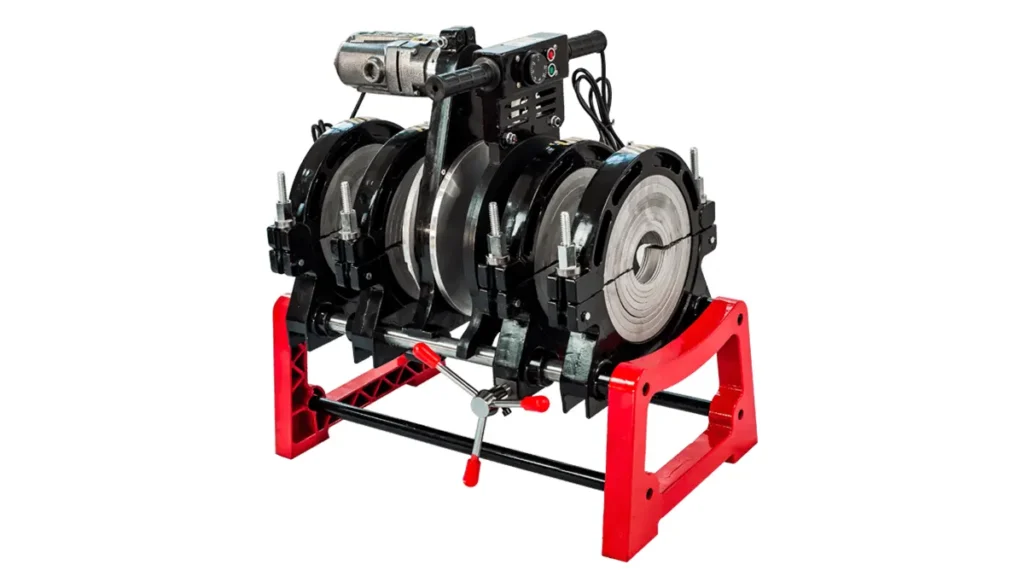
Electrofusion welding is a widely used method for joining HDPE pipes in water supply, gas distribution, and industrial piping systems. However, even experienced operators encounter issues with electrofusion welding machines during field operations. Identifying the root cause quickly can save hours of downtime and prevent costly joint failures. This troubleshooting guide covers the most common problems, their causes, and practical fixes to keep your fusion operations running smoothly.
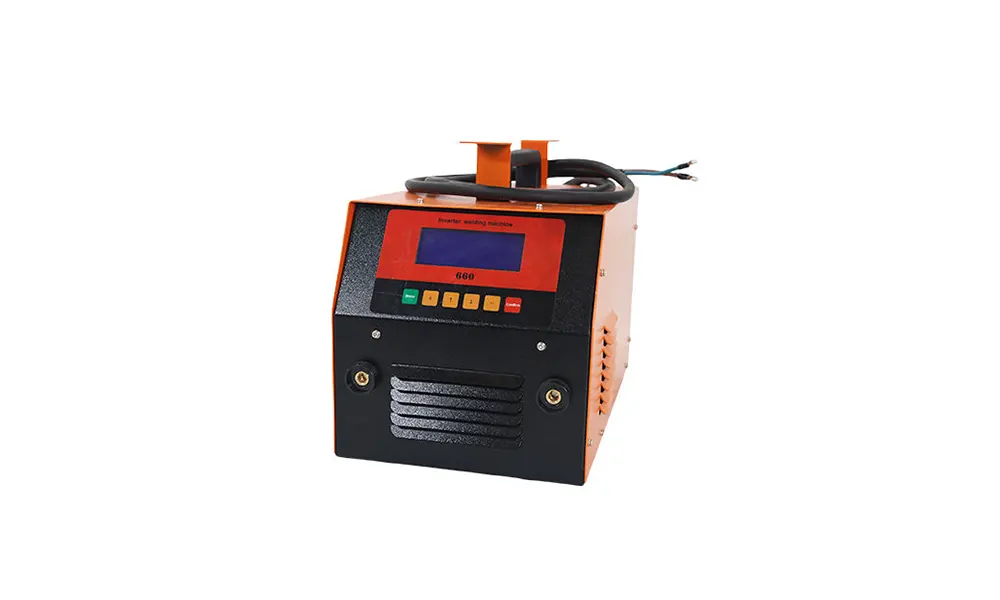
Quick Reference: Common Electrofusion Welder Problems
The table below summarizes the most frequent issues encountered during electrofusion welding, along with their typical causes and recommended solutions. Use this as a first-line reference before diving deeper into each problem.
| Problem | Possible Cause | Fix |
|---|---|---|
| Machine fails to power on | Dead battery, faulty power cable, blown fuse, or loose internal connection | Check battery charge level, inspect cables for damage, replace fuse, or contact technical support |
| Error code displayed mid-weld | Incorrect fusion parameters, damaged fitting, poor electrical contact, or voltage fluctuation | Verify fitting barcode data, clean contact pins, ensure stable power supply, and restart the welding cycle |
| Barcode or fitting not recognized | Dirty scanner lens, damaged barcode label, incompatible fitting, or scanner malfunction | Clean the scanner window, manually input fusion parameters if available, or replace the fitting |
| Joint leakage after welding | Insufficient scraping, pipe misalignment, contamination, or incomplete fusion cycle | Re-scrape pipe surface thoroughly, realign pipes, clean with approved solvent, and re-weld with correct parameters |
| Overheating or burnt smell | Prolonged welding cycle, poor ventilation, internal component failure, or incorrect voltage setting | Allow machine to cool down, check ventilation openings, verify input voltage matches machine specifications |
| Display screen freezes or glitches | Software bug, low battery, electrical interference, or damaged display unit | Perform a hard reset, recharge battery fully, relocate away from strong electromagnetic sources, or update firmware |
| Incomplete fusion indicator | Power interruption during weld, insufficient generator capacity, or loose output connectors | Use a dedicated generator with adequate capacity, secure all connection terminals, and restart the fusion process |
1. Machine Won’t Power On — Electrical Supply Issues
One of the most frustrating situations on a job site is when your electrofusion welder refuses to start. This problem typically traces back to the electrical supply chain. Begin troubleshooting by checking the most obvious components first.
- Battery check: For portable electrofusion units, a deeply discharged battery is the most common culprit. Ensure the battery is fully charged before each use and carry a spare if working in remote locations.
- Cable inspection: Examine the power cable for cuts, kinks, or exposed wiring. Damaged cables can cause intermittent power loss or pose safety hazards.
- Generator compatibility: When using a generator, confirm it provides stable output voltage matching the machine’s requirements. An undersized generator may fail to deliver sufficient starting current for the fusion process.
- Internal fuse or circuit breaker: Many electrofusion machines include a built-in fuse or circuit breaker. If the machine suddenly stops during operation, check and reset the breaker or replace the fuse with one of identical rating.
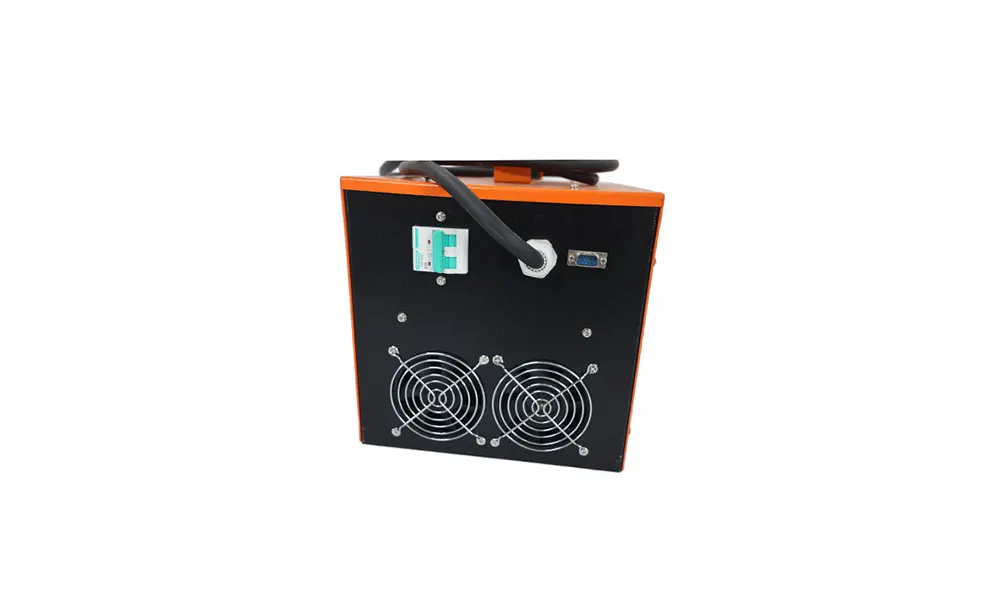
2. Error Codes and Mid-Weld Interruptions
Modern electrofusion control units display error codes to help operators diagnose issues. Each manufacturer may use different code definitions, but the underlying causes often fall into similar categories. Understanding what triggers these errors is essential for effective electrofusion welder troubleshooting.
- Voltage deviation errors: The machine monitors input voltage continuously. If it fluctuates beyond acceptable limits, the welding cycle aborts. This often happens when sharing a generator with other equipment. Always use a dedicated power source for electrofusion welding.
- Resistance out of range: Before applying current, the machine checks the fitting’s heating coil resistance. An abnormal reading may indicate a damaged fitting, poor contact between the machine terminals and fitting pins, or corroded connectors. Clean all contact surfaces thoroughly.
- Ambient temperature compensation failure: Some advanced units adjust fusion parameters based on ambient temperature. If the temperature sensor is faulty or blocked, the machine may refuse to proceed. Ensure the sensor area is clean and unobstructed.
- Data input mismatch: When using manual parameter entry instead of barcode scanning, entering incorrect values can trigger a safety shutdown. Double-check all manually entered data against the fitting manufacturer’s specifications.
3. Poor Fusion Quality and Joint Leakage
Joint leakage is often the result of improper pipe preparation rather than machine malfunction. The PE electrofusion equipment standard (ISO 12176-2) emphasizes that surface preparation is critical for achieving a reliable fusion bond. Follow these checks before assuming the welder is at fault.
- Scrape the pipe surface: The oxide layer on HDPE pipes must be removed completely using a proper scraping tool. Incomplete scraping is one of the leading causes of joint failure. Scrape until a continuous, even surface of fresh material is exposed.
- Clean with approved solvent: After scraping, wipe the surface with isopropyl alcohol or an approved cleaning agent. Never use rags that leave fibers behind, and avoid touching the cleaned surface with bare hands.
- Clamping and alignment: Misaligned pipes place uneven stress on the fusion joint. Use alignment clamps to ensure both pipe ends are perfectly coaxial before and during the welding cycle.
- Cooling period observance: Rushing the cooling phase is a common mistake. Refer to the PPI electrofusion guide for recommended cooling times based on pipe diameter and ambient conditions.
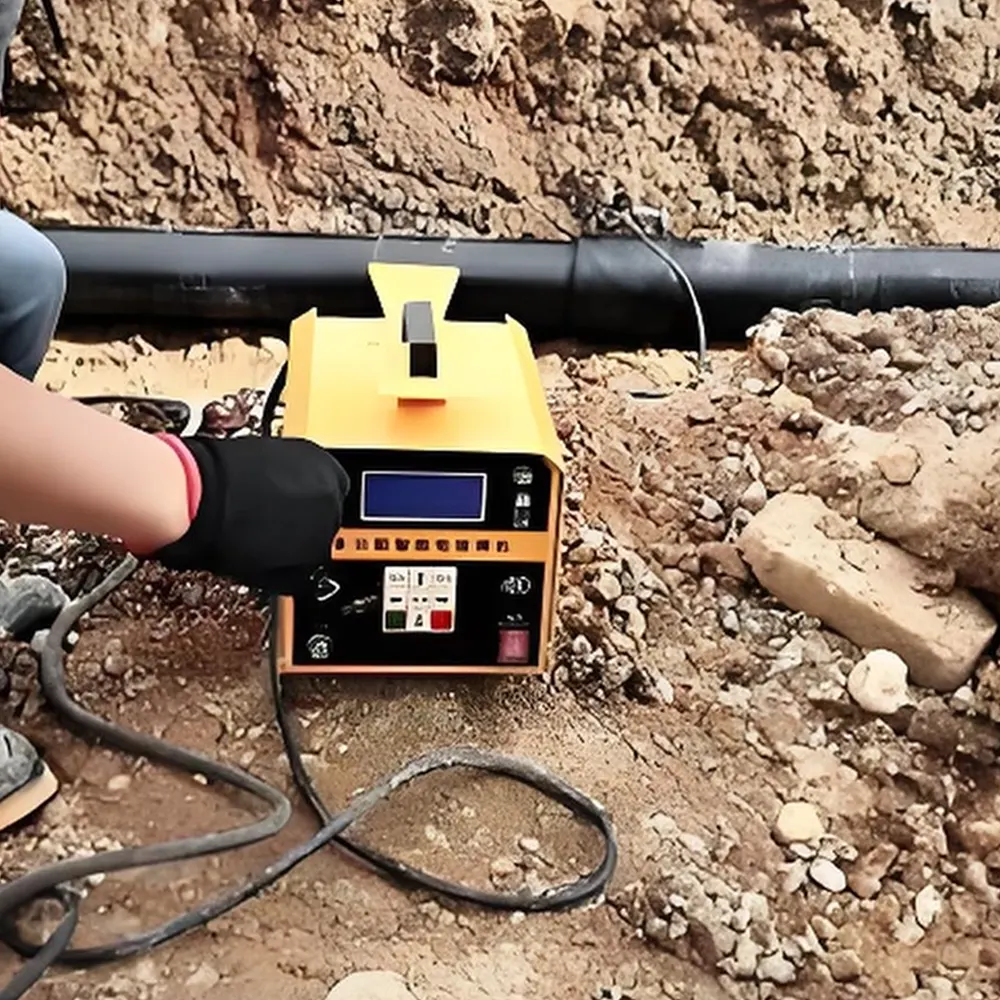
4. Barcode Scanner and Fitting Recognition Problems
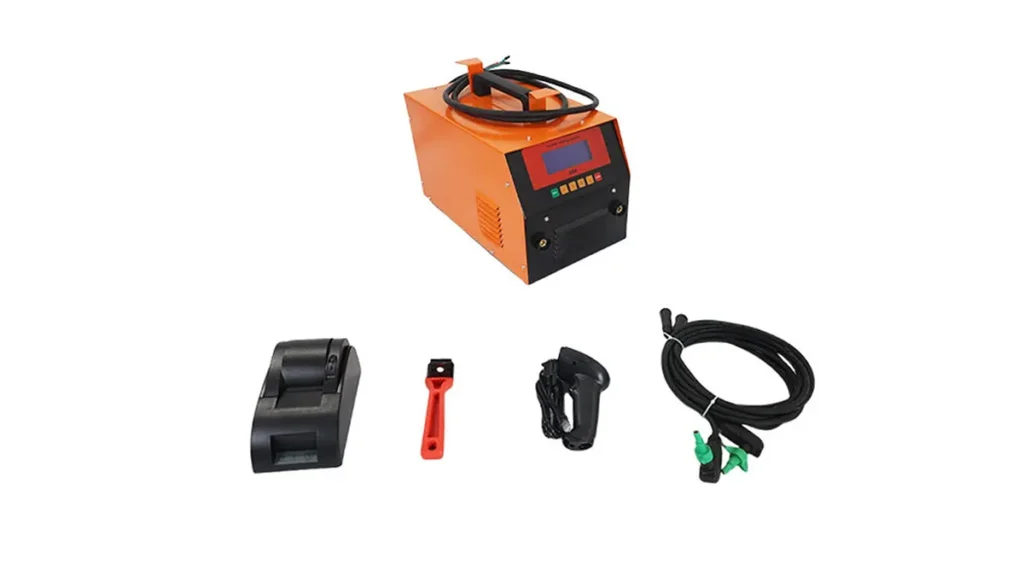
Barcode scanning automates the input of fusion parameters, reducing human error. When the scanner fails to read a fitting’s barcode, operators must decide whether to attempt manual entry or replace the fitting. Here is what to check before making that decision.
- Scanner lens cleanliness: Dust, mud, or condensation on the scanner window can prevent successful reading. Wipe the lens gently with a microfiber cloth.
- Barcode label integrity: Fittings stored outdoors may have faded, scratched, or peeling barcode labels. If the label is unreadable, consult the fitting manufacturer’s documentation for manual parameter entry.
- Fitting compatibility: Not all electrofusion fittings are compatible with every control unit. Verify that the fitting conforms to recognized standards such as ASTM F1055 electrofusion fittings and is within the machine’s supported range.
- Scanner calibration: Some units allow barcode scanner recalibration through the settings menu. If multiple fittings consistently fail to scan, recalibrate the scanner according to the user manual.
5. Display Malfunctions and Software Glitches
Digital displays are the user’s window into the welding process. When screens freeze, flicker, or display garbled information, troubleshooting becomes significantly harder. These issues are often software-related but can also stem from hardware damage.
- Perform a system reset: Most machines feature a reset function accessible through a pinhole button or key combination. A full reset clears temporary memory and often resolves display glitches.
- Update firmware: Manufacturers periodically release firmware updates to fix known bugs. Check the manufacturer’s website or contact their support team for the latest version compatible with your machine model.
- Inspect for physical damage: A cracked or impacted screen may behave erratically. Inspect the display for visible damage and protect the machine during transport with a proper carrying case.
- Electromagnetic interference: Operating near large motors, generators, or radio transmitters can interfere with sensitive electronics. Relocate the machine if interference is suspected.
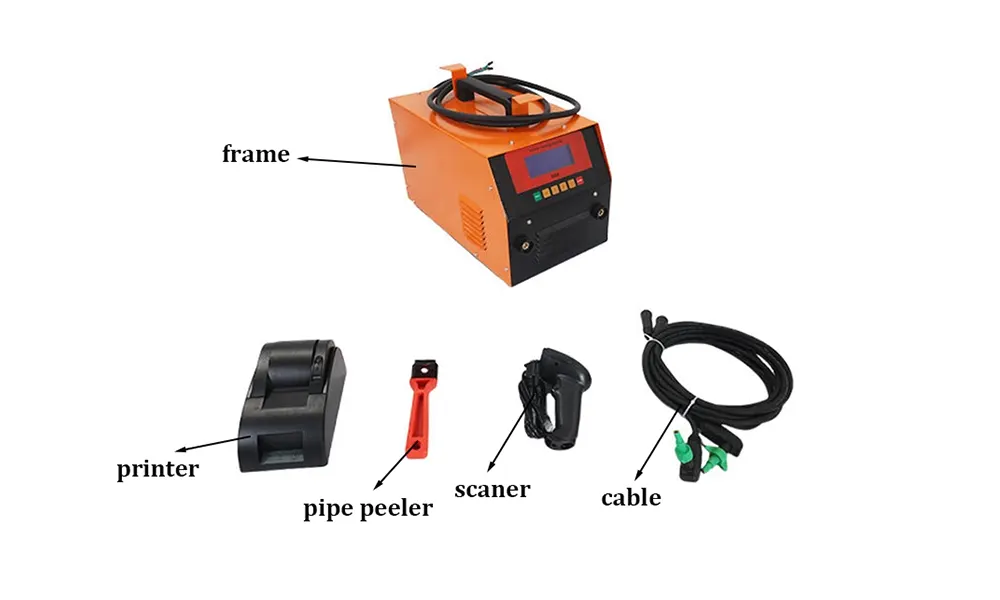
Preventive Maintenance for Reliable Electrofusion Welding
Many electrofusion welder problems can be prevented through regular maintenance. A proactive approach minimizes downtime and extends the service life of your equipment. Incorporate these practices into your operational routine.
- Clean connectors and terminals after each use: Dirt and oxidation on electrical contacts increase resistance and cause erratic performance. Use contact cleaner spray and a soft brush to keep terminals in optimal condition.
- Store equipment in a dry, protected environment: Moisture ingress is a leading cause of internal corrosion and electronic failure. When not in use, store the machine in a weatherproof case away from direct sunlight and humidity.
- Calibrate periodically: Temperature sensors, voltage meters, and timing circuits can drift over time. Schedule annual calibration checks to ensure the machine delivers accurate fusion parameters consistent with industry standards.
- Inspect cables and leads: Frayed or kinked cables not only cause power issues but also pose electrical shock risks. Replace damaged cables immediately with manufacturer-approved parts.
- Document machine usage and issues: Maintaining a logbook for each machine helps identify recurring problems and informs maintenance scheduling. Record error codes, repair actions, and operating hours.
When to Seek Professional Support
While many issues can be resolved through basic troubleshooting, some problems require professional intervention. If you encounter repeated error codes that persist after following the steps above, or if internal components such as the transformer, control board, or power module show signs of damage, it is time to contact qualified service personnel. Attempting to repair sealed electronic modules without proper tools and training can void warranties and create safety hazards.
For operators seeking reliable equipment backed by responsive support, manufacturers like JQ-Fusion offer comprehensive after-sales service and technical guidance. Their range of electrofusion machines is designed to meet the demands of global infrastructure projects, with strict quality control ensuring consistent performance in the field.
Key Takeaways for Operators
- Always start troubleshooting with the simplest possible cause — power supply, cable connections, and cleanliness are the most common failure points.
- Proper pipe preparation is as important as machine functionality. Even a perfectly functioning electrofusion welder cannot compensate for inadequate scraping or contamination.
- Refer to manufacturer documentation and international standards such as ISO 12176-2 for detailed guidance on equipment operation and maintenance.
- Schedule regular preventive maintenance and calibration to catch potential issues before they cause weld failures in the field.
- Invest in operator training — a well-trained operator can identify and resolve many issues independently, reducing costly downtime.
Effective electrofusion welder troubleshooting combines systematic diagnosis with practical field experience. By understanding the common problems outlined in this guide and following the recommended fixes, you can maintain high productivity and ensure the long-term integrity of your HDPE pipeline joints. For further assistance, consult your machine’s user manual or reach out to your equipment supplier’s technical support team.