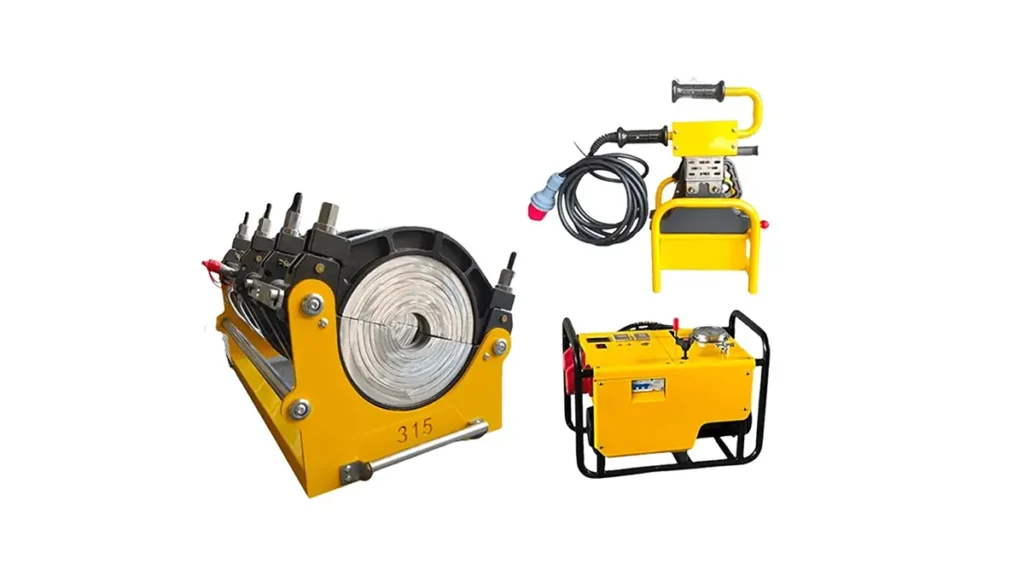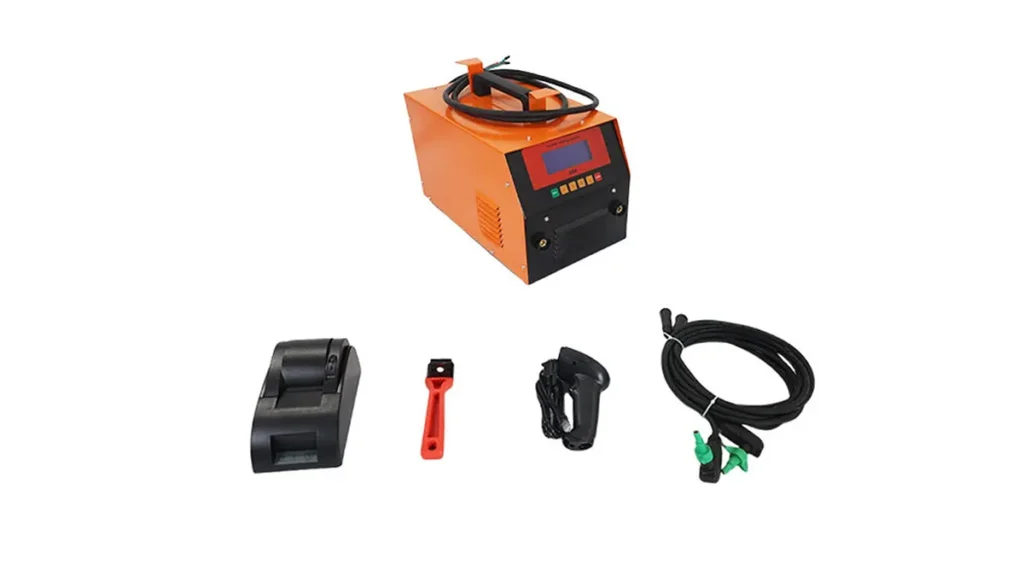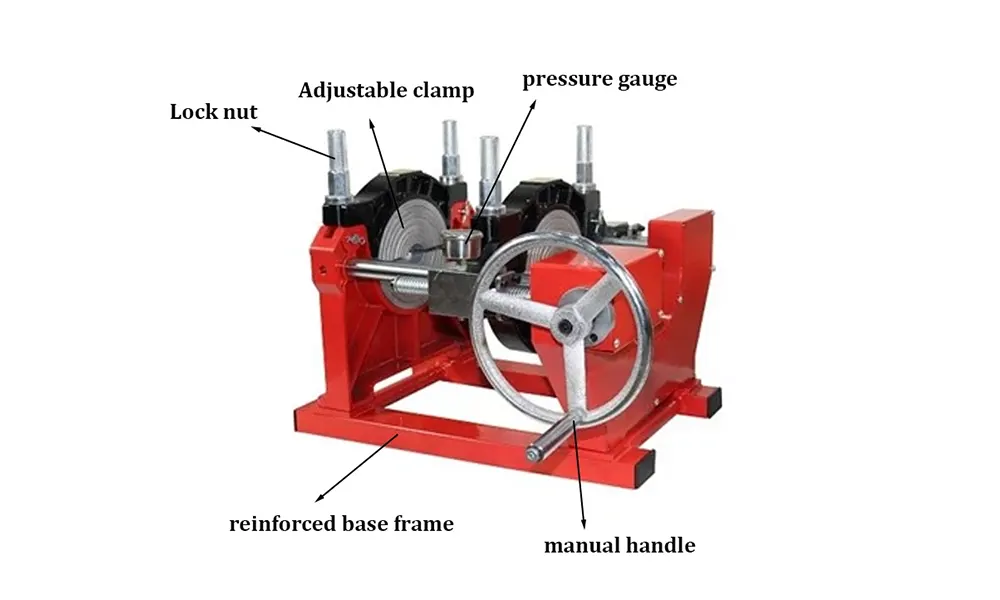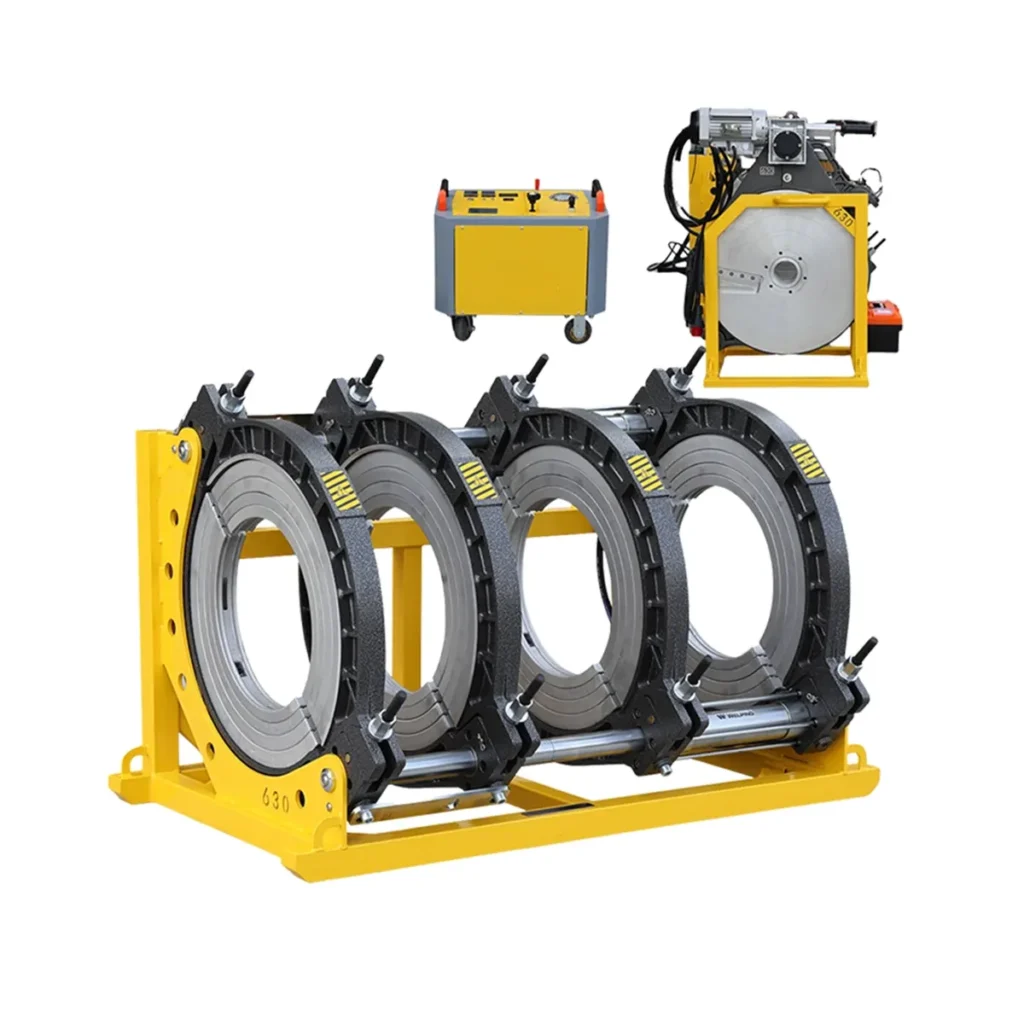
Automatic pipe welding machines represent a significant investment for any pipeline construction or infrastructure operation. Unlike manual systems, these advanced units integrate precision hydraulics, digital controls, and automated data logging to produce consistent, high-strength butt fusion joints. However, even the most robust automatic butt fusion welding machines require regular care to maintain their performance, accuracy, and safety standards. Neglecting routine maintenance can lead to weld defects, costly downtime, and premature component failure — risks that no project manager can afford in today’s demanding construction environment.
This comprehensive guide walks you through the essential maintenance practices that keep your CNC automatic pipe welding equipment operating at peak efficiency. Whether you manage a single unit or a fleet of machines across multiple job sites, these procedures will help extend equipment life, reduce repair costs, and ensure every weld meets industry standards.
Why Routine Automatic Pipe Welding Machine Maintenance Matters
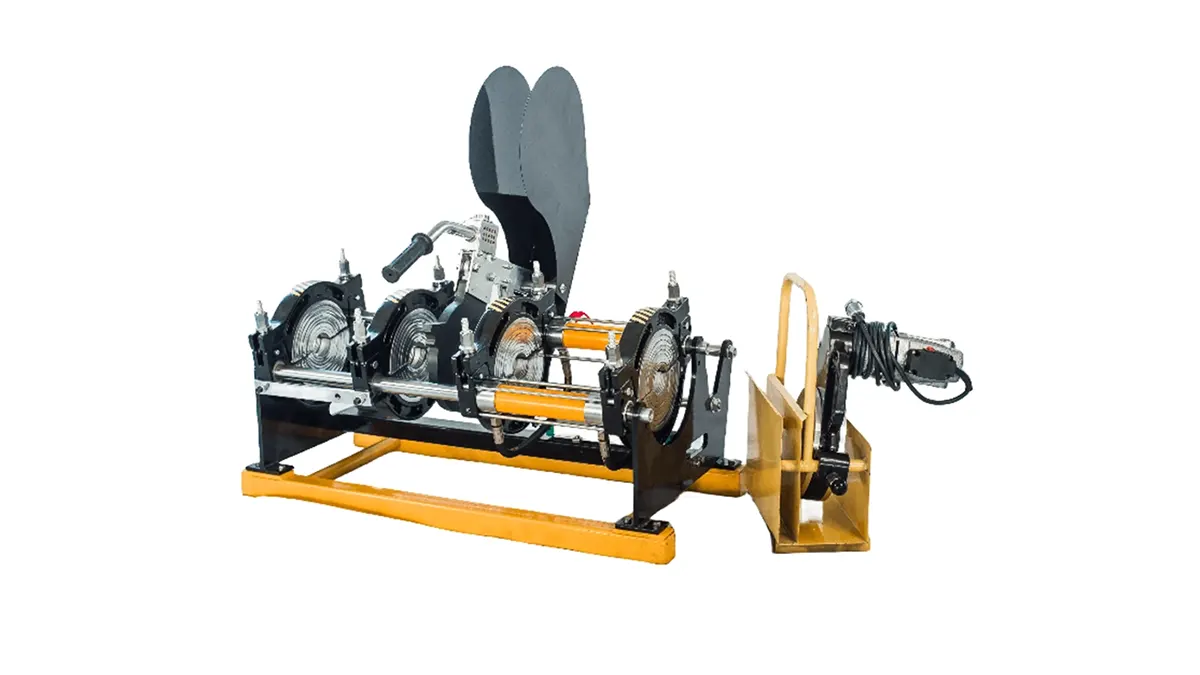
Every automatic butt fusion welding cycle subjects critical components to heat, pressure, and mechanical stress. The heating plate must maintain precise temperature control — typically between 200°C and 230°C depending on pipe material — while the hydraulic system applies exact fusion pressure according to pipe diameter and wall thickness. Over time, even minor deviations in calibration can compromise joint integrity. Regular butt fusion machine maintenance ensures:
- Consistent weld quality that meets ISO 21307 butt fusion procedures and project specifications
- Extended equipment lifespan through proactive wear prevention
- Reduced risk of field failures that can delay project timelines
- Compliance with safety regulations and manufacturer warranty requirements
- Accurate data logging for quality assurance documentation
Daily Inspection Checklist for Automatic Welding Equipment
Before each shift begins, operators should perform a systematic visual and functional inspection. These quick checks help identify potential issues before they affect production welding:
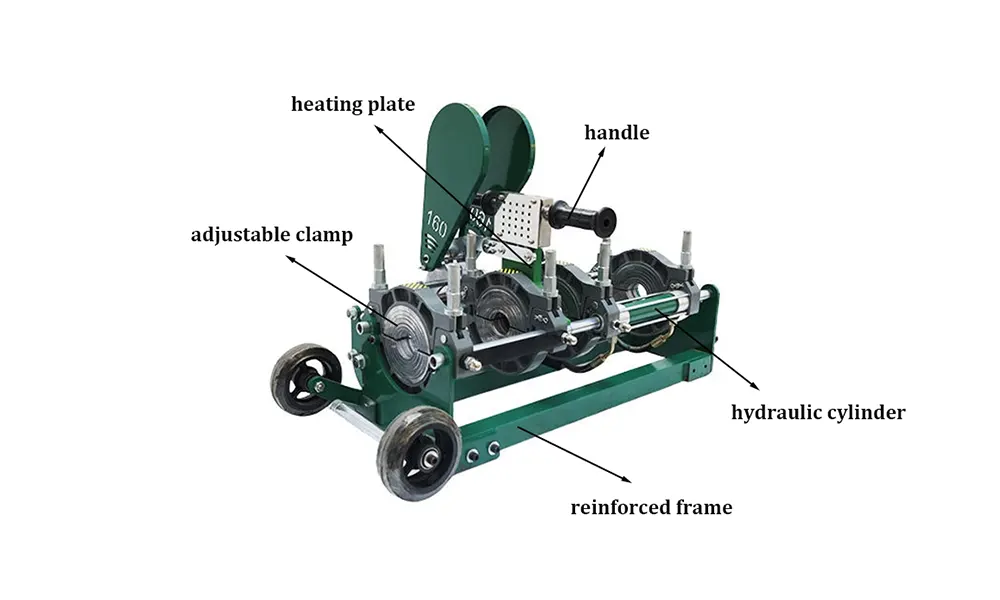
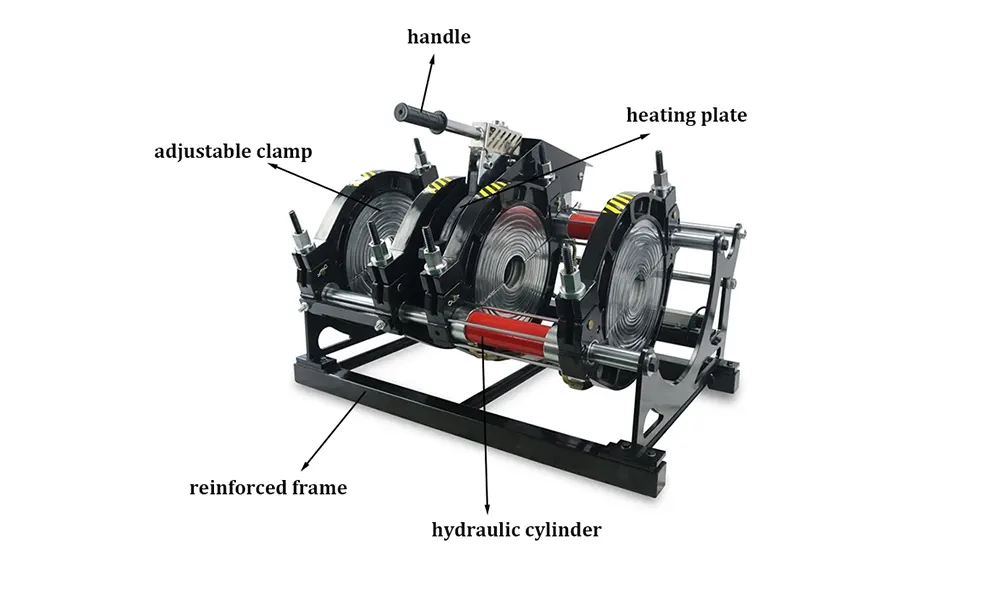
- Heating plate surface: Inspect the non-stick coating for scratches, residue buildup, or uneven wear patterns. A damaged heating plate can cause inconsistent heat transfer across the pipe end face.
- Hydraulic hoses and fittings: Look for signs of leaking fluid, cracks in hose casing, or loose connections. Hydraulic pressure consistency is fundamental to proper fusion force application.
- Clamp inserts and jaws: Verify that all clamp inserts are properly seated and free from debris. Worn inserts may allow pipe slippage during the fusion cycle.
- Trimmer blades: Check blade sharpness and rotation smoothness. Dull blades create rough pipe faces that compromise fusion quality.
- Control panel display: Confirm all digital readings are functional and that no error codes are present on startup.
Critical Component Maintenance for Long-Term Performance
Heating Plate Care and Temperature Calibration
The heating plate is the heart of any automatic pipe welding machine. Its ability to maintain uniform surface temperature directly determines fusion joint strength. Over time, the non-stick PTFE coating can degrade, particularly if operators use metal tools to remove plastic residue. Always use wooden or soft plastic scrapers designed specifically for this purpose. Temperature calibration should be verified weekly using a calibrated surface thermometer, comparing readings across multiple points on the plate surface. If temperature variation exceeds ±5°C between any two points, recalibration or plate replacement may be necessary. Following the PE butt fusion equipment standard guidelines helps maintain optimal heating performance.
Hydraulic System Inspection and Fluid Changes
Hydraulic oil condition directly impacts the precision of fusion pressure control. Contaminated or degraded oil can cause erratic cylinder movement, pressure fluctuations, and premature seal failure. Check hydraulic fluid levels daily and inspect the oil for signs of water contamination or particulate matter. A complete hydraulic fluid change is recommended every 1,000 operating hours or at minimum annually. When servicing hydraulic butt fusion welding machines, always replace the hydraulic filter simultaneously to prevent old contaminants from circulating through fresh oil.
Clamp and Frame Alignment Verification
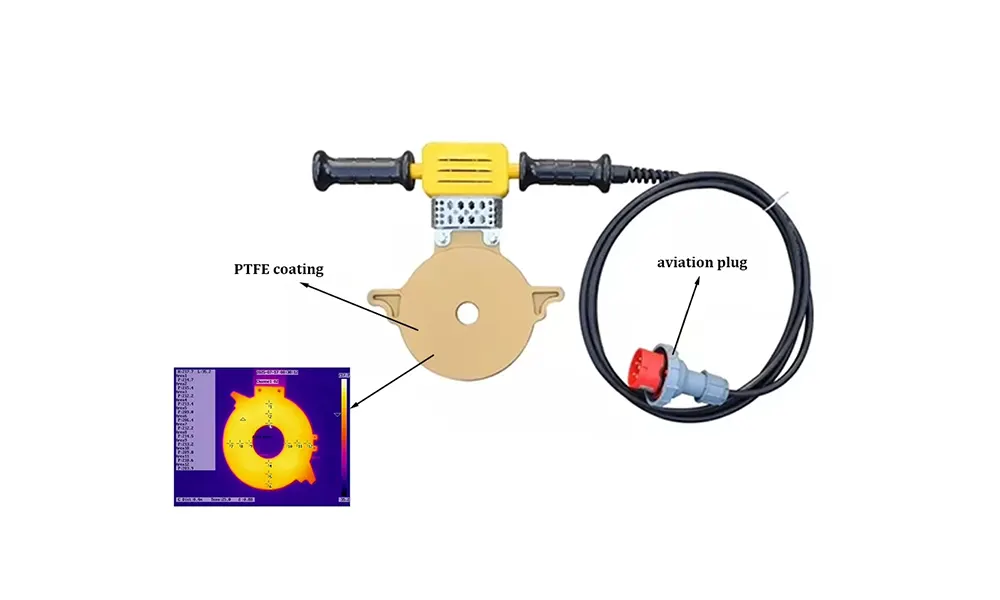
Proper clamp alignment ensures that pipe ends meet squarely during the fusion process. Misalignment of even 0.5mm can create stress concentrations in the finished joint. Every month, verify that all four corners of the frame are level and that movable clamps travel freely along guide rails without binding. Check that clamp inserts maintain consistent grip pressure around the full pipe circumference. Pay special attention to the condition of guide rods and linear bearings on CNC-controlled machines, as these precision components affect the automated alignment sequence.
Trimmer Blade Maintenance and Replacement
The trimmer — also called the facing tool — must produce clean, parallel pipe end faces for proper fusion. Dull or damaged blades tear rather than cut the polyethylene material, leaving a rough surface that prevents proper melt flow during heating. Inspect blade edges under good lighting at least weekly during active operation. Replace blades as a complete set rather than individually to maintain balance. After blade replacement, verify that the trimmer produces continuous, uniform shavings from both pipe ends simultaneously.
Recommended Maintenance Schedule Overview
Following a structured maintenance schedule helps ensure no critical task is overlooked. The table below summarizes routine service intervals for automatic pipe welding machine maintenance:
| Interval | Maintenance Tasks | Responsible Party |
|---|---|---|
| Daily / Pre-Shift | Visual inspection of heating plate, hoses, clamps; control panel function check; clean trimmer blades | Operator |
| Weekly | Heating plate temperature calibration check; hydraulic fluid level and condition assessment; guide rail cleaning | Operator / Site Technician |
| Monthly | Frame alignment verification; clamp insert wear inspection; trimmer blade sharpness check; electrical connection tightening | Site Technician |
| Quarterly | Full hydraulic system inspection; control system calibration; safety interlock testing; data logger verification | Qualified Technician |
| Annually | Complete hydraulic fluid and filter change; heating plate replacement if coating deteriorated; comprehensive frame and component overhaul | Manufacturer Service Team |
Safety Protocols During Maintenance Procedures
Safety must remain the top priority during all maintenance activities. Automatic welding machines contain multiple hazards including high-temperature surfaces, pressurized hydraulic systems, and electrical components. Always follow these essential safety practices:
- Lockout/Tagout procedures: Disconnect the machine from its power source before performing any internal maintenance. For hydraulic systems, release all stored pressure before opening any fittings.
- Heating plate cooldown period: Allow the heating plate to cool completely — a minimum of 30 minutes after shutdown — before handling or storage.
- Personal protective equipment: Wear heat-resistant gloves when handling warm components, safety glasses during trimmer blade inspection, and appropriate footwear in the work area.
- Proper lifting techniques: Many machine components including the heating plate, trimmer assembly, and frame sections are heavy. Use mechanical lifting aids or team lifting for components exceeding 20kg.
- Electrical safety: Only qualified personnel should access control cabinets or perform electrical diagnostics on CNC systems.
Common Issues and Troubleshooting Guide
Even with diligent maintenance, operators may encounter operational issues. The following table addresses frequent problems and their typical solutions:
| Problem | Possible Cause | Recommended Action |
|---|---|---|
| Uneven melt bead formation | Heating plate temperature variation or uneven surface contact | Verify plate temperature calibration; check for coating damage; ensure proper pipe end facing |
| Hydraulic pressure fluctuations | Low fluid level, air in system, or worn pump seals | Check fluid level and top up if needed; bleed air from system; inspect pump and cylinder seals |
| Pipe slippage during fusion | Worn clamp inserts or insufficient clamping force | Inspect and replace worn inserts; verify hydraulic clamping pressure settings |
| CNC control errors or display faults | Loose connections, sensor malfunction, or software issue | Check all electrical connections; recalibrate sensors; consult manufacturer technical support |
| Excessive trimmer vibration | Unbalanced blades or bearing wear | Replace blades as a complete set; inspect and lubricate or replace bearings |
Data Logger and Control System Maintenance
Modern CNC automatic pipe welding machines are equipped with sophisticated data logging systems that record fusion parameters including temperature, pressure, and time for each joint. This data serves as critical quality assurance documentation. To ensure data integrity, regularly back up fusion records to external storage, verify that date and time settings remain accurate, and clean the control panel interface to prevent dust ingress into sensitive electronics. Following the PPI butt fusion procedure documentation requirements helps maintain comprehensive traceability for every weld performed.
Professional Support and Quality Equipment
While routine maintenance can be performed by trained operators and site technicians, certain procedures require manufacturer expertise. Annual comprehensive servicing, major component replacement, and control system diagnostics should be handled by qualified professionals with access to proprietary calibration tools and genuine replacement parts. Investing in high-quality equipment from reputable manufacturers significantly reduces long-term maintenance burdens. JQ-Fusion provides dedicated after-sales support and readily available spare parts to keep your automatic welding equipment performing reliably throughout its service life.
Key Takeaways for Automatic Pipe Welding Machine Maintenance
Effective automatic pipe welding machine maintenance is not simply about fixing problems when they arise — it is a proactive discipline that protects your investment, ensures workforce safety, and guarantees the quality of every fusion joint. By implementing the daily, weekly, monthly, and annual procedures outlined in this guide, you can:
- Maximize equipment uptime and project scheduling reliability
- Produce consistently strong, code-compliant butt fusion welds
- Extend the operational lifespan of expensive capital equipment
- Reduce total cost of ownership through preventive rather than reactive maintenance
- Maintain a safe working environment for all site personnel
Document all maintenance activities in a dedicated log, noting dates, procedures performed, parts replaced, and any observations that may inform future service needs. This record not only supports warranty claims but also provides valuable data for optimizing your maintenance program over time. With proper care, a quality automatic butt fusion welding machine can deliver decades of reliable service across countless infrastructure projects.