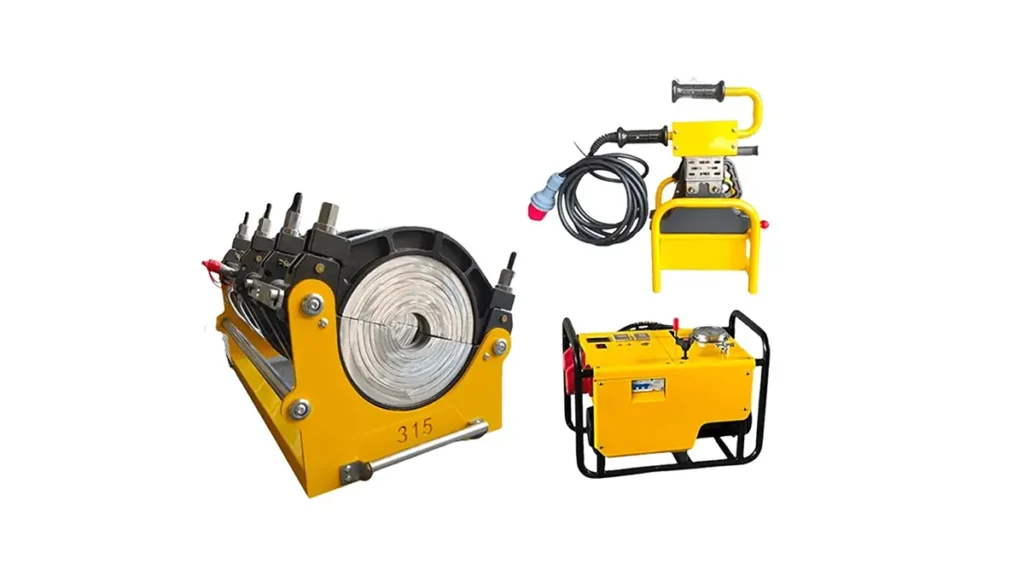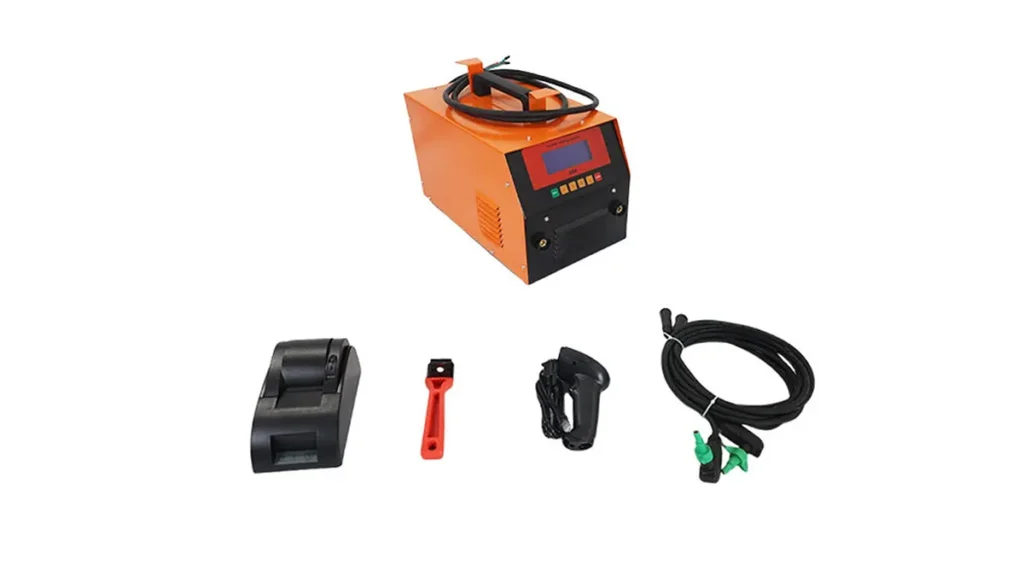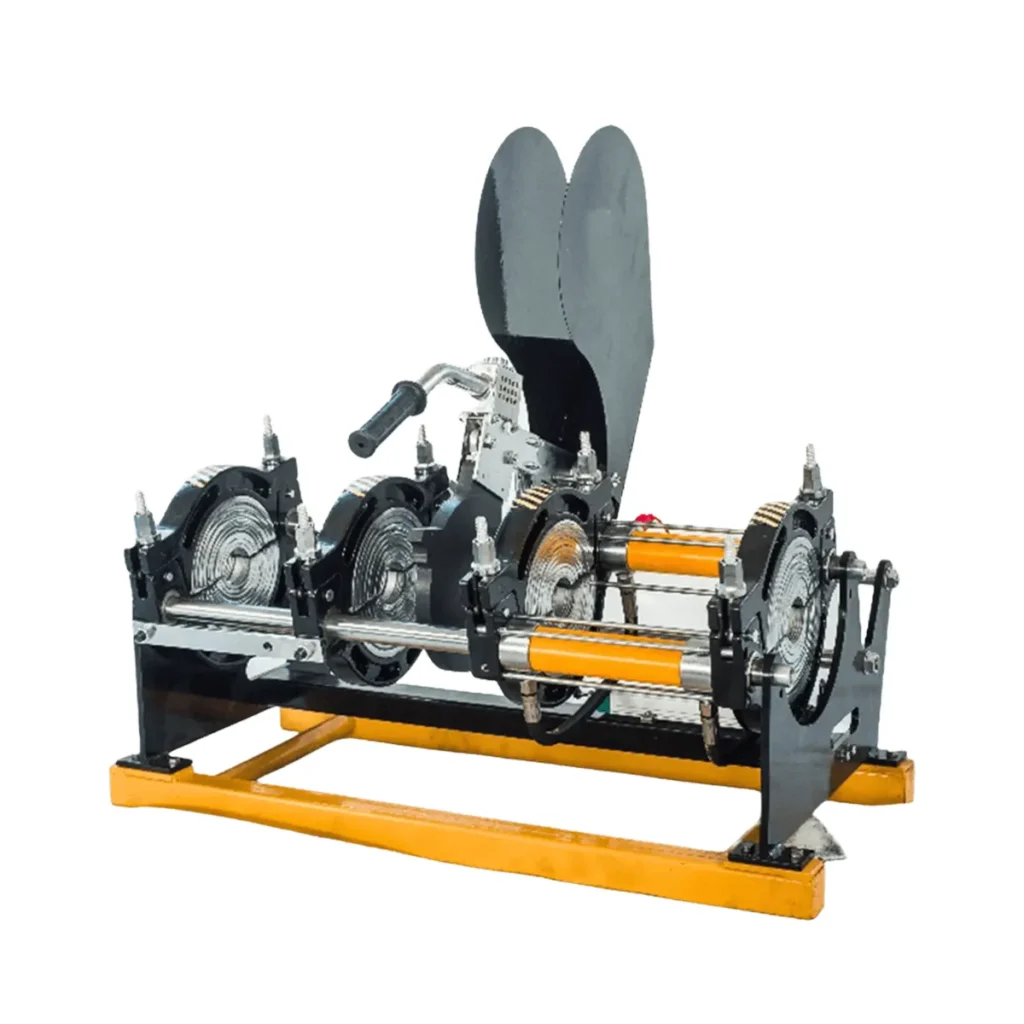
Selecting the optimal pipe joining method is a pivotal decision that directly influences project timelines, budget, and long-term infrastructure integrity. From municipal water supply and gas distribution to mining and industrial applications, the choice between an automatic pipe welding machine vs manual welding significantly impacts operational efficiency and joint reliability. While manual butt fusion has been the traditional standard for decades, automated and CNC automatic butt fusion welding machines are rapidly transforming how contractors approach high-volume and critical installations. This comprehensive guide analyzes the technical, operational, and financial differences to help you determine which solution aligns best with your project scope.
Understanding the Core Technology Differences
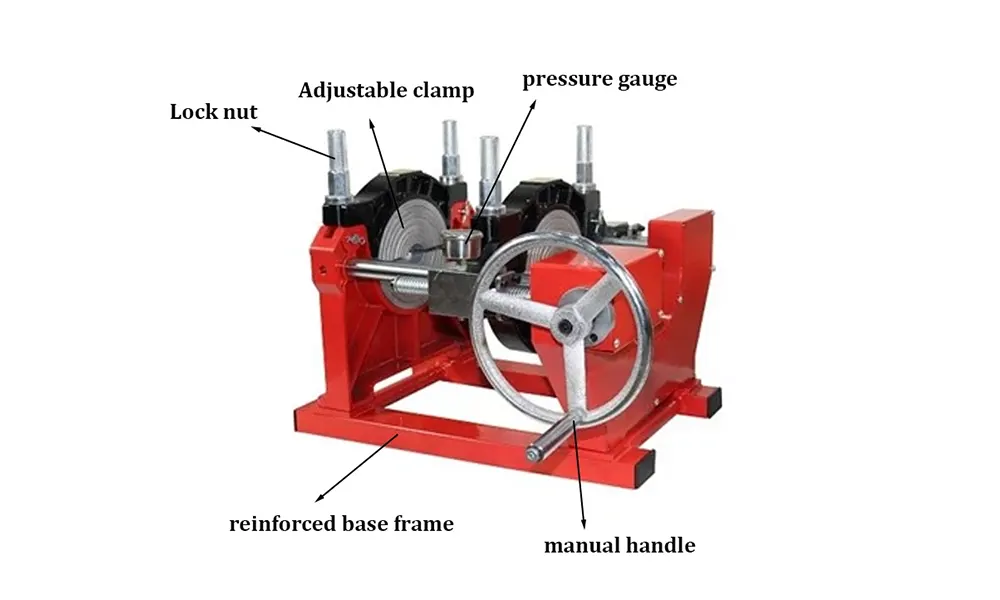
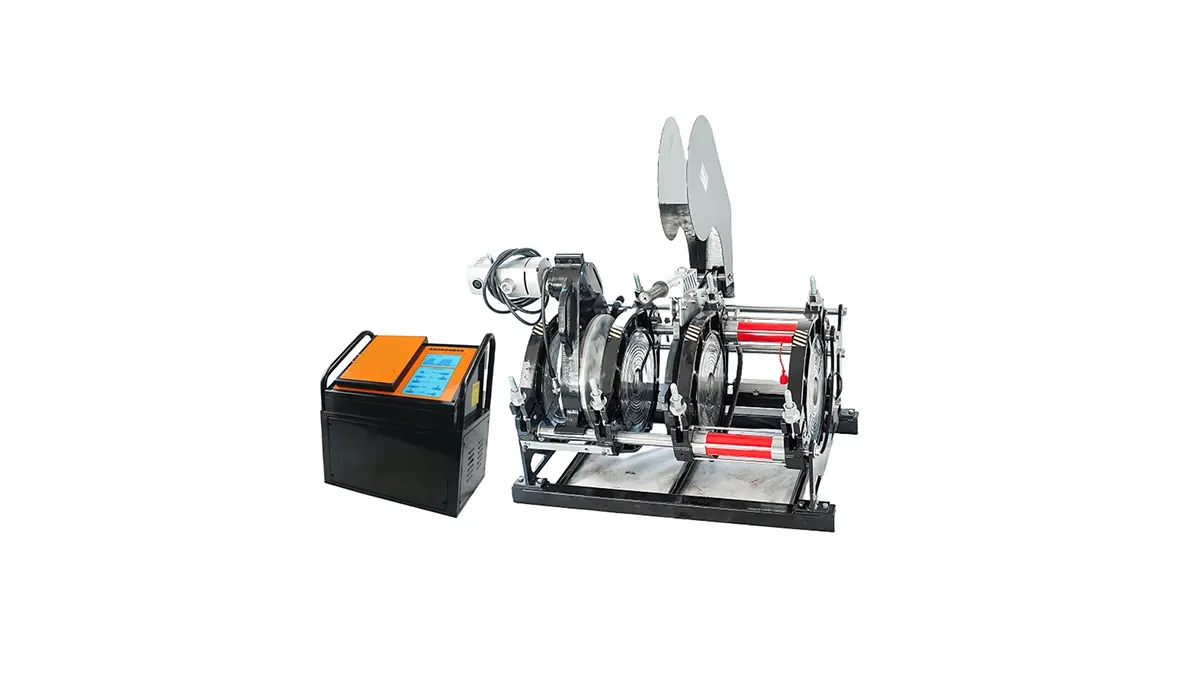
At a fundamental level, both manual and automatic systems rely on the ISO 21307 butt fusion procedures for creating homogenous, leak-proof joints. However, the execution of these procedures varies dramatically. A manual machine requires the operator to physically align the pipes, apply the correct hydraulic pressure by hand, and visually monitor the melt bead formation. In contrast, an automatic pipe welding machine utilizes a programmable logic controller (PLC) to manage the entire welding cycle. By simply inputting the pipe material and diameter, the system automatically calculates and executes the ideal parameters for drag, heat soaking, and cooling phases, ensuring strict adherence to standards like ASTM F2620 heat fusion without relying on the operator’s subjective judgment.
Skill Level and Operator Dependency
The most striking difference when comparing an automatic pipe welding machine vs manual welding lies in the human factor. Manual welding is heavily dependent on the operator’s experience and physical stamina. The technician must intuitively know how to adjust pressure to compensate for environmental factors like ambient temperature or pipe ovality. A lack of training often leads to common defects such as cold fusion or excessive bead rollback. Conversely, automatic machines standardize the process, effectively de-skilling the critical pipe welding task. The machine monitors the PE butt fusion equipment standard parameters in real-time and will alarm or shut down if deviations occur, effectively mitigating the risk of human error on demanding hydraulic butt fusion welding machines.
Efficiency and Production Rate Analysis
When throughput is a priority, the production efficiency comparison becomes a decisive factor. For a single joint, a skilled manual operator might match the cycle time of an automatic machine. Yet, the consistency required for repetitive operations tells a different story. A manual welder requires breaks and cannot maintain peak precision over a 12-hour shift, while an automatic system welds the first joint identically to the 100th. Furthermore, CNC automatic machines significantly reduce the total time spent on setup and pipe re-rounding, particularly on large-diameter polyethylene pipes where clamping forces are substantial. This sustained production pace makes automation indispensable for large-scale infrastructure projects.
- Setup Speed: Automatic systems often feature rapid hydraulic clamping and quick-lock inserts, drastically reducing the manual effort needed to mount heavy fittings compared to mechanical lever-based manual machines.
- Cycle Consolidation: Automated processes seamlessly transition between facing, heating, and fusion without the hesitation or misalignment risks associated with manual handling of the heating plate.
- Non-Welding Tasks: Machines that incorporate PE fusion operator requirements logic allow the crew to focus on pipe handling and logistics while the machine self-regulates the critical melt phase.
Quality Assurance and Data Logging
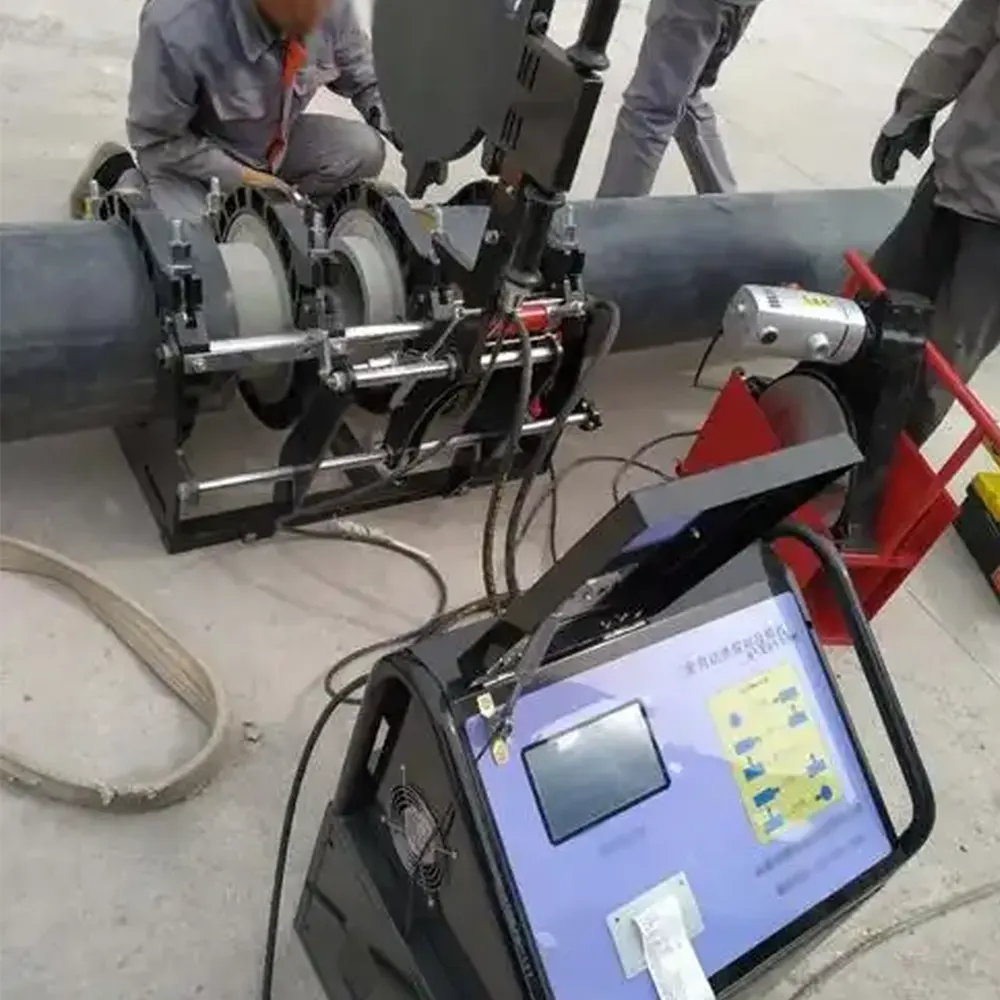
In utilities and gas sectors, traceability isn’t optional; it’s mandatory. This is where the gap between automatic and manual welding widens significantly. Manual welding typically relies on a visual inspection record and a physical stamp on the pipe, offering minimal insight into what occurred during the fusion process. An automatic pipe welding machine serves as a quality control inspector and a data logger simultaneously. It generates a digital joint report detailing the exact temperature, pressure profiles, and hold times throughout the cycle. This verifiable data substantiates compliance with PE fusion traceability mandates and provides engineers with irrefutable proof that every single fusion meets the specified design standards.
Cost Comparison: Initial Investment vs. Lifetime Value
Budget constraints often steer contractors toward manual equipment due to the lower initial capital expenditure. A basic manual butt fusion machine for small diameters is significantly cheaper upfront than a fully automated rig. However, a strict price comparison can be shortsighted. The following table illustrates the long-term operational costs associated with both technologies:
| Cost Factor | Manual Welding Machine | Automatic Welding Machine |
|---|---|---|
| Initial Capital | Low | High |
| Labor Training Requirement | Extensive and Ongoing | Minimal (Menu-Driven) |
| Scrap/Repair Risk | Moderate to High | Very Low |
| Data Management Cost | Manual Record Keeping Hours | Automatic USB/Cloud Export |
| Production Over 10 Years | Variable, Subject to Human Factors | Predictable, High Consistency |
Ideal Application Scenarios
Deciding on the appropriate technology often depends less on the pipe material and more on the installation context. For short repairs, tie-ins, or projects in extremely remote areas without access to steady power, a rugged manual butt fusion welding machine remains an indispensable asset. Its simplicity and portability offer unmatched agility for emergency response teams. Alternatively, when fusing large-diameter pipe strings in a staging yard or laying hundreds of meters of pipeline for a desalination plant, a hydraulic automatic welding machine is the superior choice. The consistency required for high-pressure gas mains and industrial chemical lines also overwhelmingly favors the precision of automatic controls to avoid catastrophic joint failures.
Making the Final Decision
Ultimately, the question of automatic pipe welding machine vs manual welding is determined by risk tolerance and production logic. If your project demands strict traceability, normalized welding data, and minimal operator fatigue, automation is a necessary investment. Companies like JQ-Fusion specialize in bridging this technological gap, offering advanced CNC automatic and hydraulic butt fusion solutions designed for tough site conditions. If your operations are budget-driven, involve a highly trained workforce, and consist of sporadic welding on smaller diameters, a premium manual machine with a precise heating plate will serve you well.
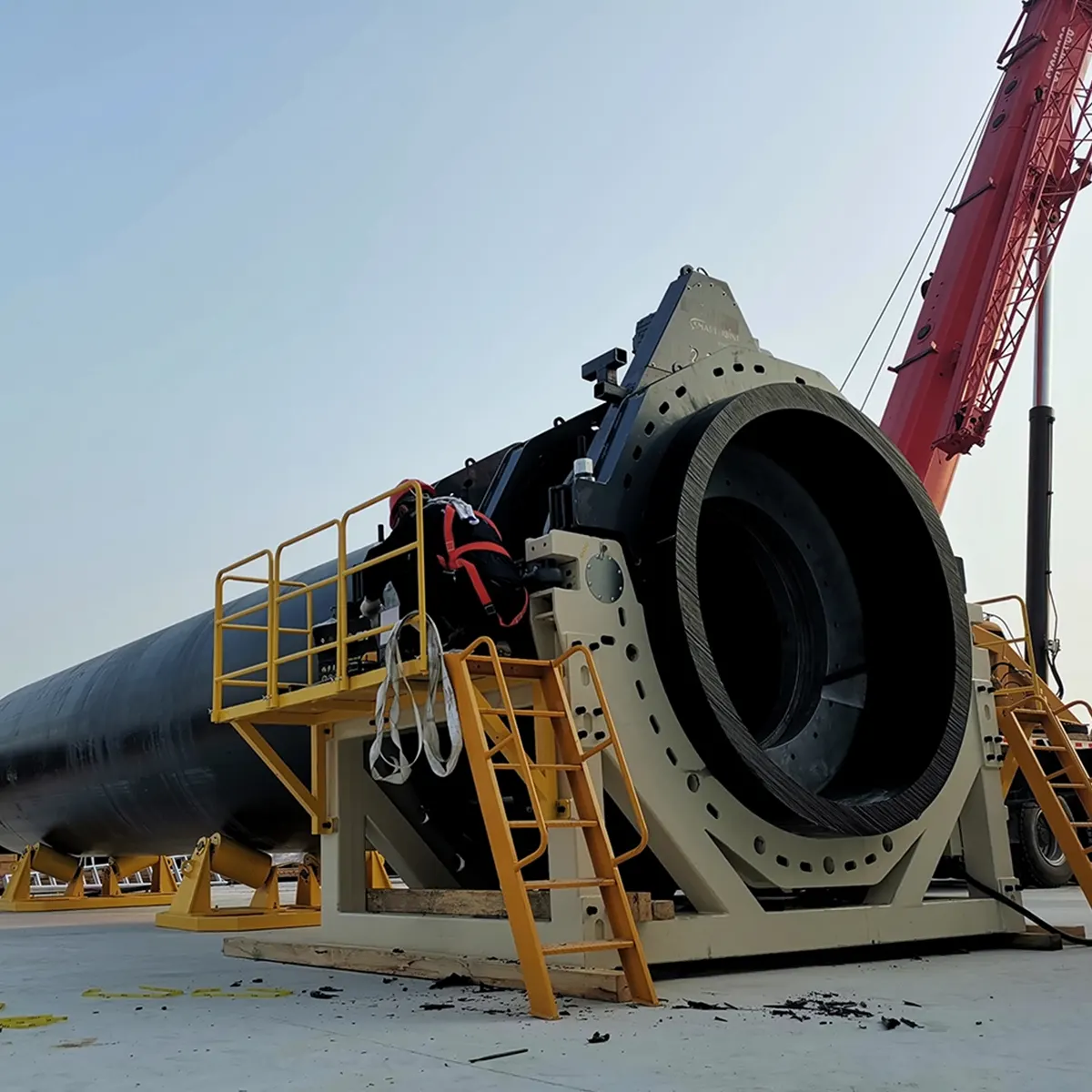
To explore tailored configurations or learn more about integrating automation into your pipeline operations, visit our product catalog or contact our engineering team for a personalized consultation.