

Getting the poly pipe fusion machine temperature settings right is the single most critical factor in producing a durable, leak-free joint. Whether you are working with HDPE, MDPE, or PP pipes, the heating plate must reach and maintain a precise temperature range to ensure proper molecular bonding. Setting the temperature too low results in a weak, cold weld, while excessive heat can degrade the pipe material and cause joint failure over time. This guide walks you through everything you need to know about correct temperature calibration, material-specific requirements, and best practices for consistent welding results.
Why Temperature Precision Matters in Poly Pipe Fusion
Butt fusion welding relies on heating the pipe ends to a molten state and then pressing them together under controlled pressure. The interface temperature directly influences the melt flow rate and the strength of the resulting joint. According to ISO 21307 butt fusion procedures, even a deviation of ±5°C from the recommended range can compromise joint integrity in critical applications such as gas distribution and water supply systems. Temperature consistency across the entire heating plate surface is equally important — hot spots or cold zones lead to uneven melting and potential leak paths.
Standard Temperature Ranges by Pipe Material
Different thermoplastic materials require different heating temperatures. Below is a reference table covering the most commonly used pipe grades in butt fusion welding applications:
| Pipe Material | Welding Method | Temperature Range (°C) | Temperature Range (°F) |
|---|---|---|---|
| HDPE (PE100 / PE80) | Butt Fusion | 200 – 230°C | 392 – 446°F |
| MDPE (PE80) | Butt Fusion | 200 – 220°C | 392 – 428°F |
| PP (Polypropylene) | Butt Fusion | 200 – 220°C | 392 – 428°F |
| PPR | Socket Fusion | 255 – 265°C | 491 – 509°F |
| PE Electrofusion | Electrofusion | ~220°C (auto) | ~428°F (auto) |
Always refer to the pipe manufacturer’s specifications and relevant standards such as ASTM F2620 heat fusion for the exact temperature recommended for your specific material grade and wall thickness. Environmental conditions can also necessitate slight adjustments within the approved range.
How to Set and Verify the Heating Plate Temperature
Proper temperature setting is not a one-time task — it requires routine verification throughout the workday. Follow these steps to ensure your poly pipe fusion machine temperature settings remain accurate:
- Preheat the heating plate to the target temperature and allow it to stabilize for at least 10–15 minutes before starting the first weld.
- Use a calibrated digital thermometer with a surface probe to verify the actual plate temperature at multiple points across the heating surface.
- Check the built-in temperature controller against your external thermometer. Any discrepancy greater than ±3°C should be investigated.
- Monitor temperature between welds — the heating plate should recover to the set temperature quickly. Slow recovery indicates a faulty heating element or controller.
- Clean the plate surface regularly with a non-abrasive cloth. Residual polymer on the plate can create insulating layers that affect heat transfer.
Temperature Settings for Different Fusion Machine Types
Not all butt fusion welding machines manage temperature the same way. Understanding the differences helps you choose the right equipment for your project requirements:
Manual Butt Fusion Machines
Manual machines typically feature a basic analog or simple digital thermostat. The operator must manually set the target temperature and periodically verify it with an external thermometer. These machines are reliable for standard HDPE pipe welding in the 200–230°C range, but they require more operator vigilance to maintain consistent heat levels throughout extended work sessions.
Hydraulic Butt Fusion Machines
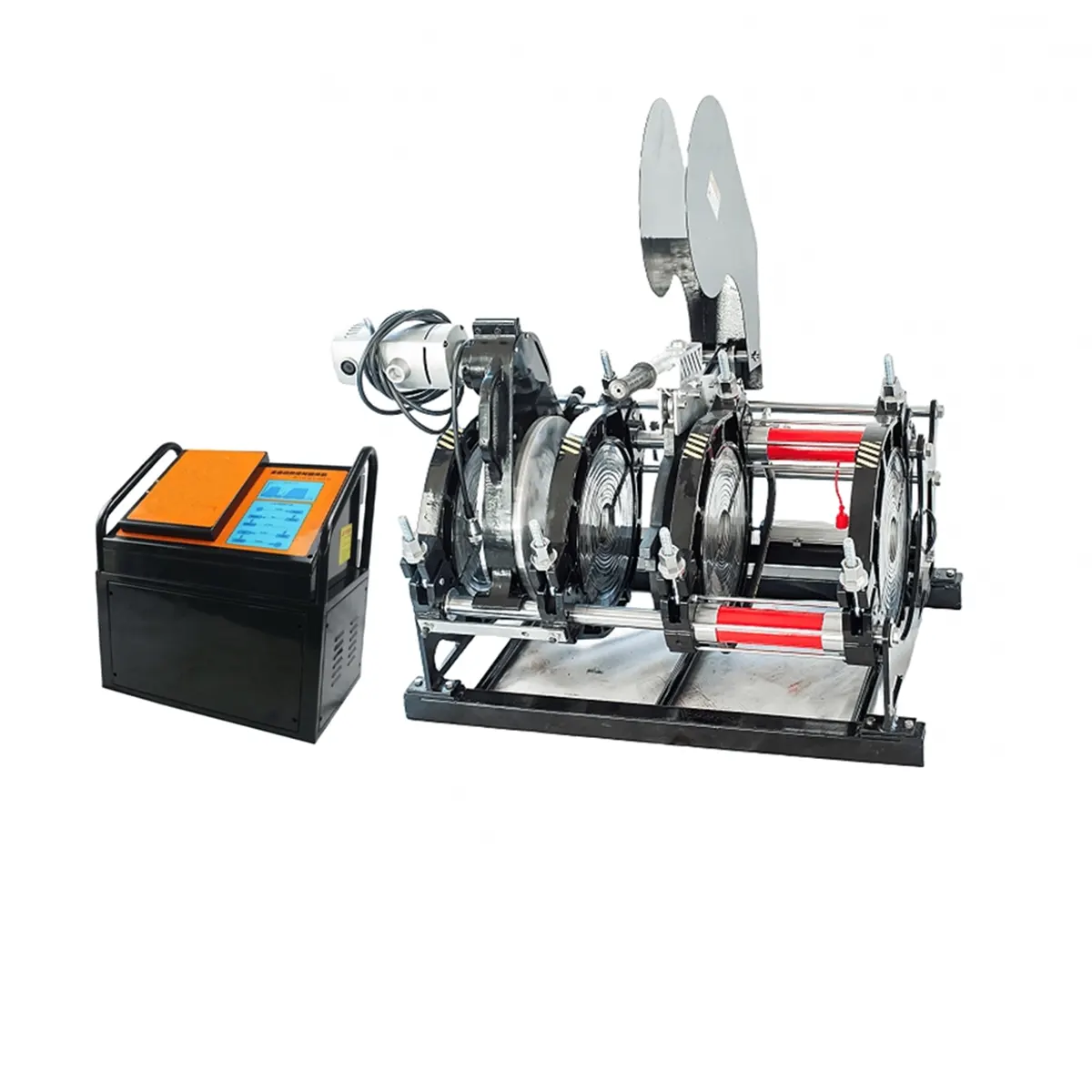
Hydraulic butt fusion machines often incorporate more advanced digital temperature controllers with real-time display and tighter tolerance bands. The heating plate in these systems is engineered for uniform heat distribution across larger surface areas, making them ideal for medium to large diameter pipes where temperature consistency is critical across the entire joint face.
CNC Automatic Butt Fusion Machines
At the top end, automatic butt fusion systems feature microprocessor-controlled heating with automatic temperature calibration, real-time monitoring, and data logging. These machines can maintain temperature accuracy within ±1°C and will alert the operator if the plate temperature deviates from the programmed range. They are essential for high-stakes applications like gas pipeline welding, where traceability and compliance with standards such as ISO 12176-1 equipment standards are mandatory.
Common Temperature-Related Welding Problems
Incorrect poly pipe fusion machine temperature settings can manifest in several visible ways. Recognising these signs early helps prevent project-wide joint failures:
| Problem | Likely Cause | Solution |
|---|---|---|
| Cold weld — bead is small or absent | Temperature too low or insufficient soak time | Verify plate temperature; increase soak time per pipe wall thickness |
| Excessive bead — wide, irregular | Temperature too high or excessive fusion pressure | Reduce set temperature; check pressure settings |
| Burnt or discoloured material on bead | Severe overheating; material degradation | Immediately lower temperature; replace degraded pipe ends |
| Uneven bead around circumference | Non-uniform plate temperature or misalignment | Check plate for hot spots; verify clamp alignment |
Environmental Factors That Influence Temperature Settings
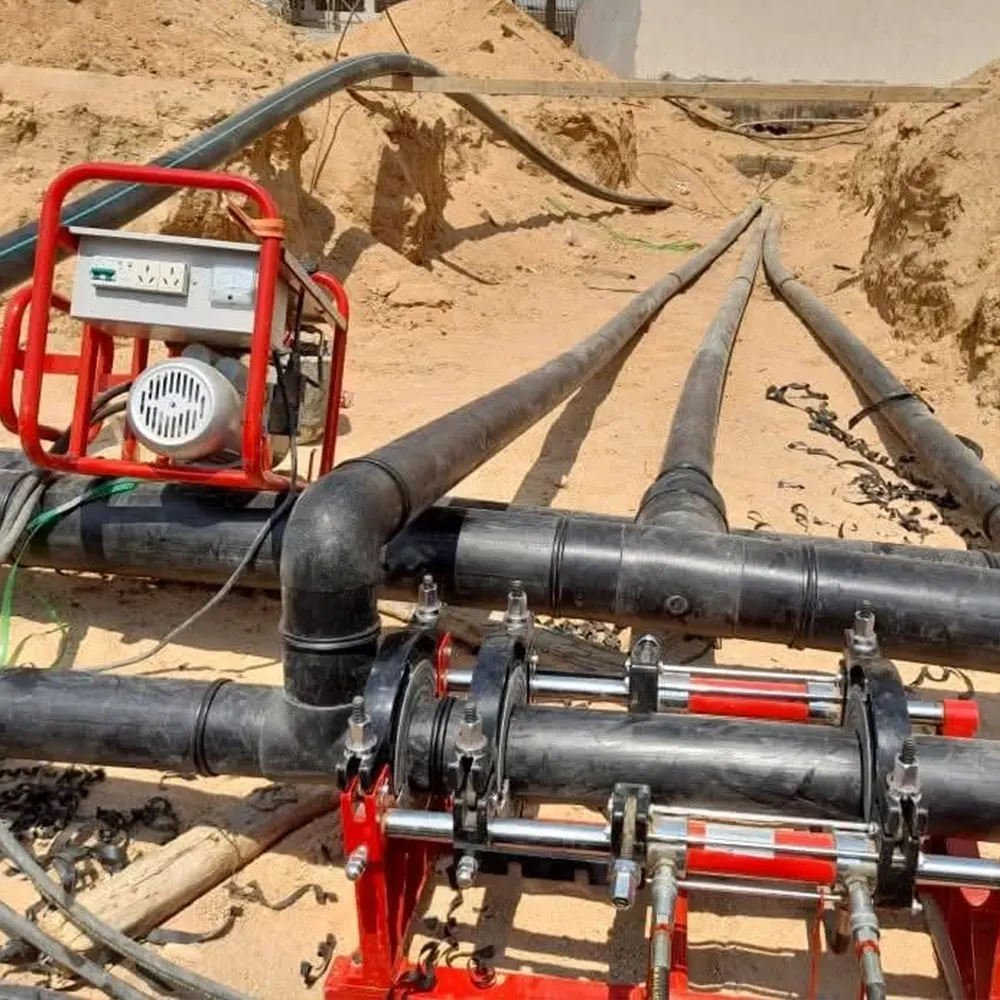
Field conditions can significantly impact the effective poly pipe fusion machine temperature settings required for a quality weld. Operators should account for the following variables:
- Ambient temperature: In cold weather (below 5°C / 41°F), the pipe ends absorb heat faster. You may need to increase the soak time slightly while keeping the plate temperature within the standard range. Never exceed the upper temperature limit to compensate for cold conditions.
- Wind and drafts: Wind can cool the heating plate surface unevenly. Always use a wind shield or protective tent around the fusion area when working outdoors in windy conditions.
- Humidity and moisture: Moisture on pipe ends can cause steam pockets during heating. Ensure pipe ends are completely dry before beginning the fusion process.
- Altitude: At higher elevations, the boiling point of any residual moisture is lower, and heat dissipation characteristics can differ. Monitor bead formation closely and adjust soak times as needed.
Best Practices for Consistent Temperature Control
Following a disciplined approach to temperature management ensures every joint meets quality standards. Here are the core best practices recommended by industry experts and outlined in the PPI butt fusion procedure documentation:
- Start every shift with a temperature verification using a calibrated surface probe thermometer. Document the reading in your weld log.
- Allow full heat-up time — do not rush the initial warm-up cycle. A cold plate will not deliver uniform heat even if the display shows the target temperature.
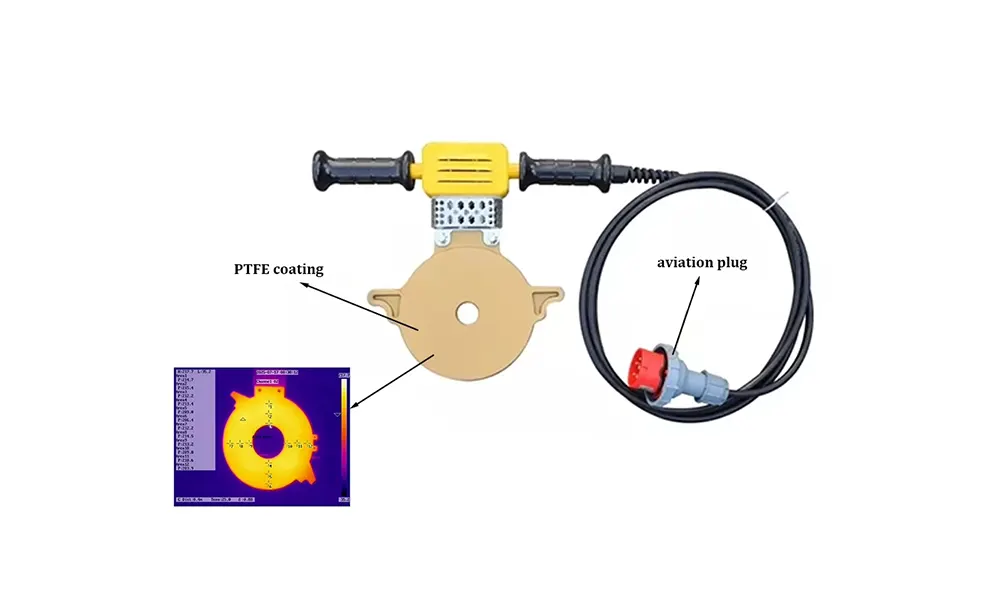
- Maintain a clean heating plate surface at all times. Use only manufacturer-recommended cleaning methods to avoid scratching the non-stick coating.
- Replace worn or damaged heating plates promptly. A plate with uneven surface wear cannot deliver uniform temperature distribution.
- Train all operators on proper temperature verification procedures and the importance of adhering to specified temperature ranges for each material type.
Choosing Equipment with Reliable Temperature Control
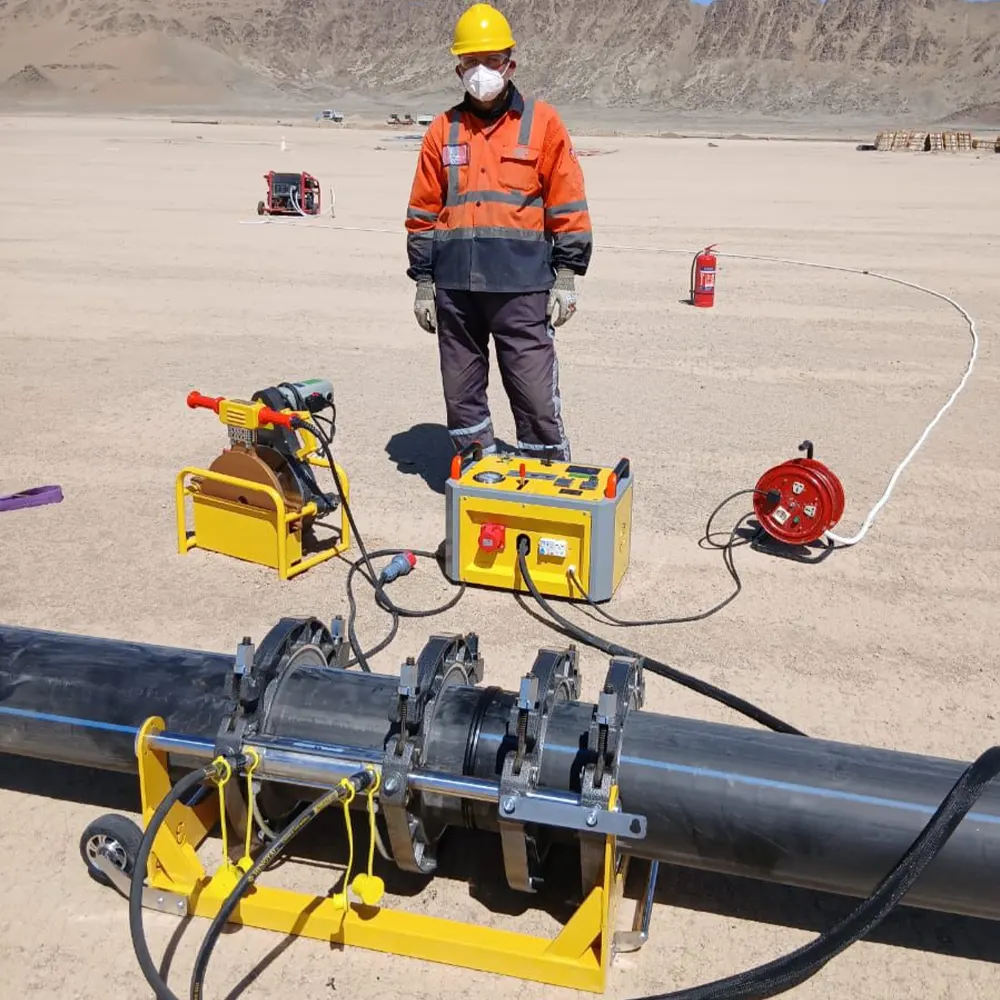
The quality of your fusion machine’s heating system directly impacts joint reliability. When selecting equipment, look for features such as digital temperature controllers with tight tolerance bands, uniform heating element distribution, and durable non-stick plate coatings. Machines that provide real-time temperature readouts and automatic shut-off when temperatures exceed safe limits add an extra layer of protection against welding defects.
JQ-Fusion is a professional manufacturer specializing in HDPE pipe welding machines, providing reliable butt fusion solutions for global infrastructure projects, with a strong focus on precise temperature control across manual, hydraulic, and automatic machine series. Whether you need a compact manual unit for small-diameter pipes or a fully automatic CNC system for large-scale gas and water networks, selecting equipment with proven temperature accuracy pays dividends in reduced rework and long-term joint performance.
For further guidance on fusion procedures and equipment standards, consult the comprehensive resources available from the PPI technical guidance library and the PE100+ butt fusion technical resources, both of which offer in-depth information on proper welding parameters and temperature management strategies.


