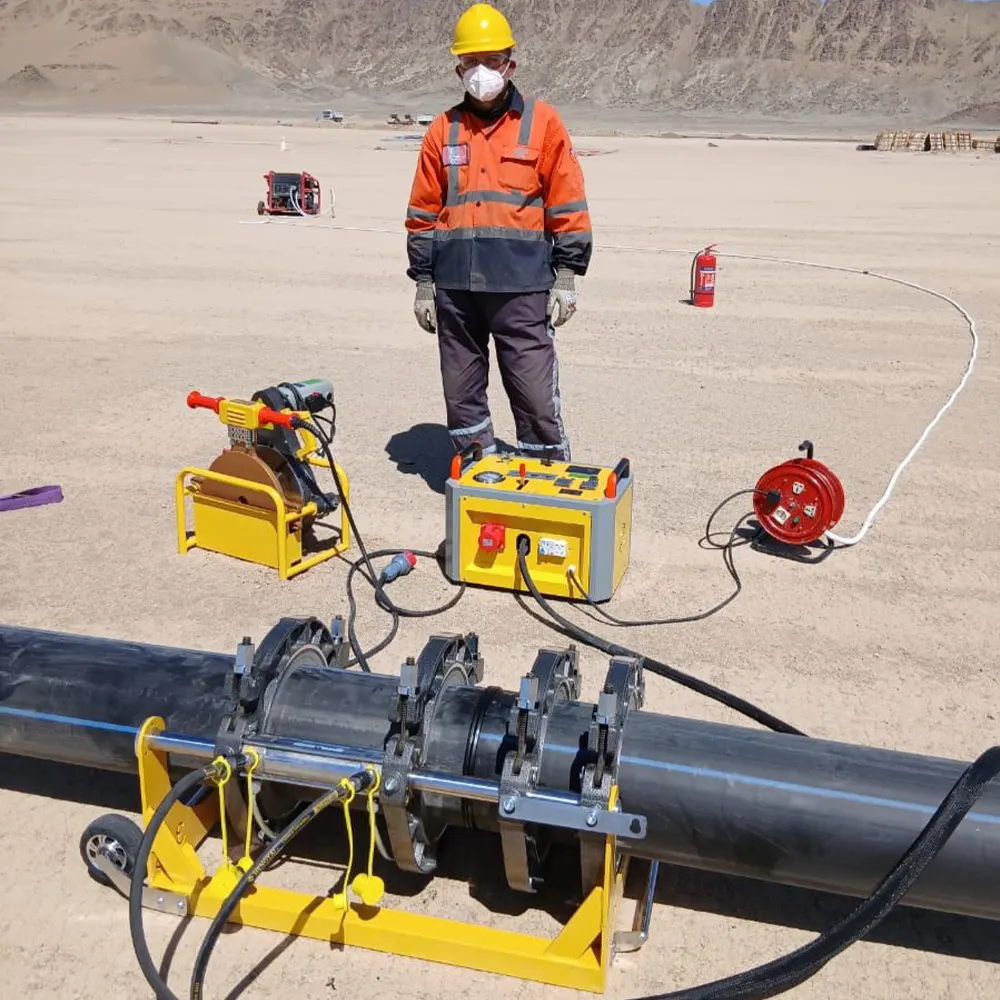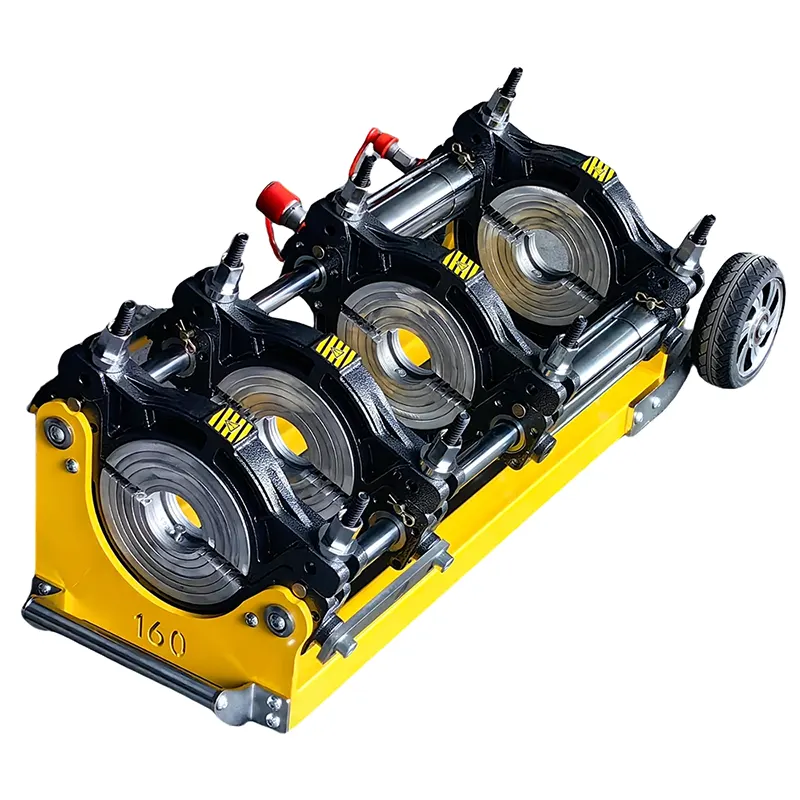
Selecting the right poly pipe fusion machine for water pipes is critical for creating leak-free, durable infrastructure. Whether you are installing municipal potable water mains, irrigation systems, or industrial slurry lines, the integrity of the joint determines the lifespan of the entire network. High-density polyethylene (HDPE) has become the material of choice for fluid transport, but its performance relies entirely on proper thermal bonding. This guide breaks down machine types, essential buying factors, and best practices to help contractors and project managers invest in equipment that delivers consistent, code-compliant welds.
Why High-Quality Fusion Matters in Water Systems
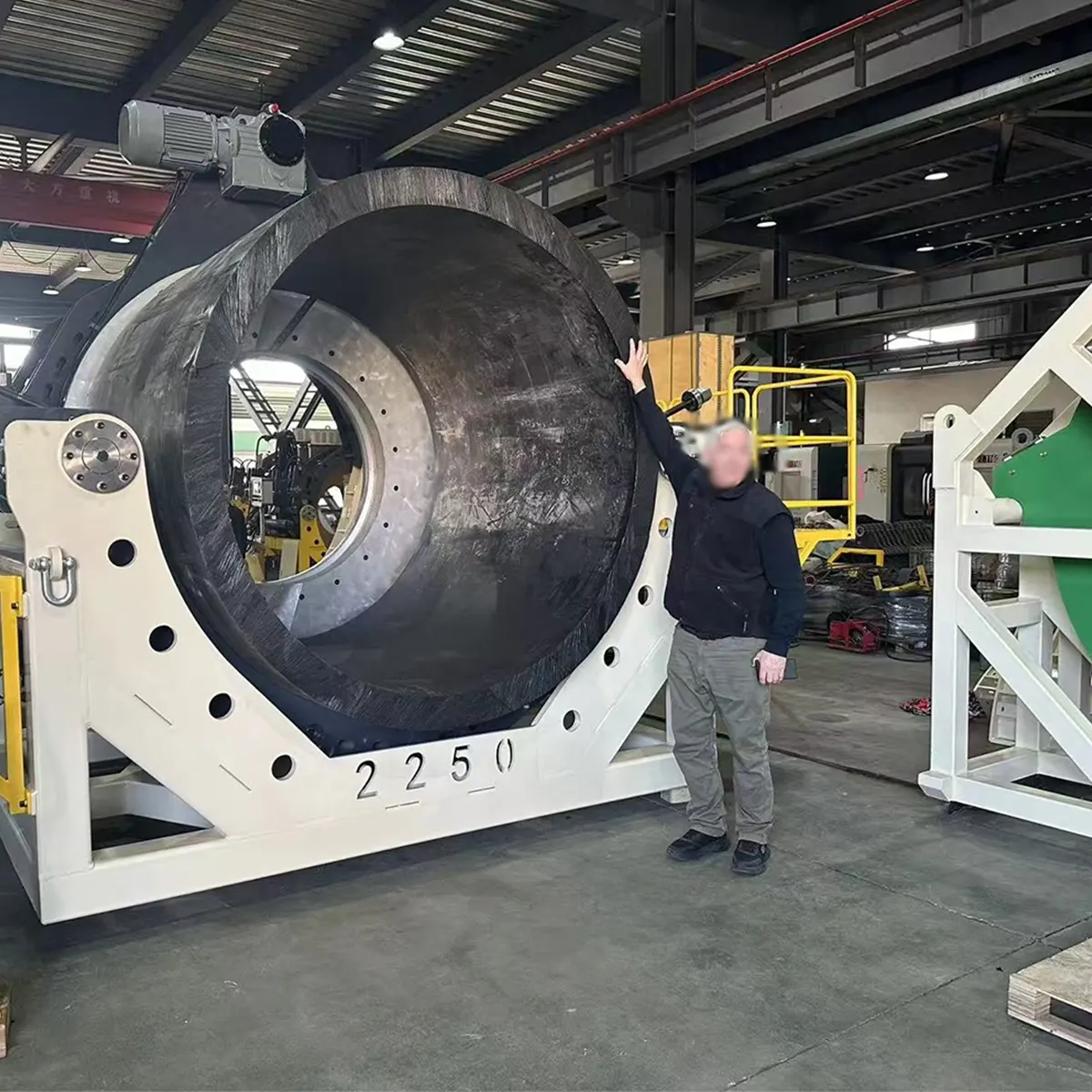
Modern water networks rely on HDPE for its corrosion resistance, flexibility, and 100-year service potential. However, the pipe itself is only as strong as the joint. A poorly executed weld can lead to catastrophic bursts, leakage, and contamination risks. Utilizing a dedicated butt fusion welding machine ensures that the pipe ends are heated uniformly and fused under precise pressure, effectively creating a monolithic structure. Unlike mechanical couplings, a proper weld eliminates potential leak paths, making it the gold standard for pressurized water mains.
Key Benefits of Thermal Welding for Water Works
- Zero Leakage: A fully fused joint eliminates gaskets and seals that degrade over time.
- Hydraulic Efficiency: The smooth internal bead reduces friction loss compared to mechanical joints.
- Chemical Inertness: HDPE does not rust or react with treated water, maintaining purity standards.
Types of Poly Pipe Fusion Machines
Understanding the operational differences between machine categories is essential. The choice between manual, hydraulic, and automatic models depends on your site conditions, pipe diameter range, and daily productivity targets. For most water infrastructure projects, the focus falls on butt fusion, though electrofusion plays a vital role in confined repairs and tie-ins.
Manual Fusion Machines
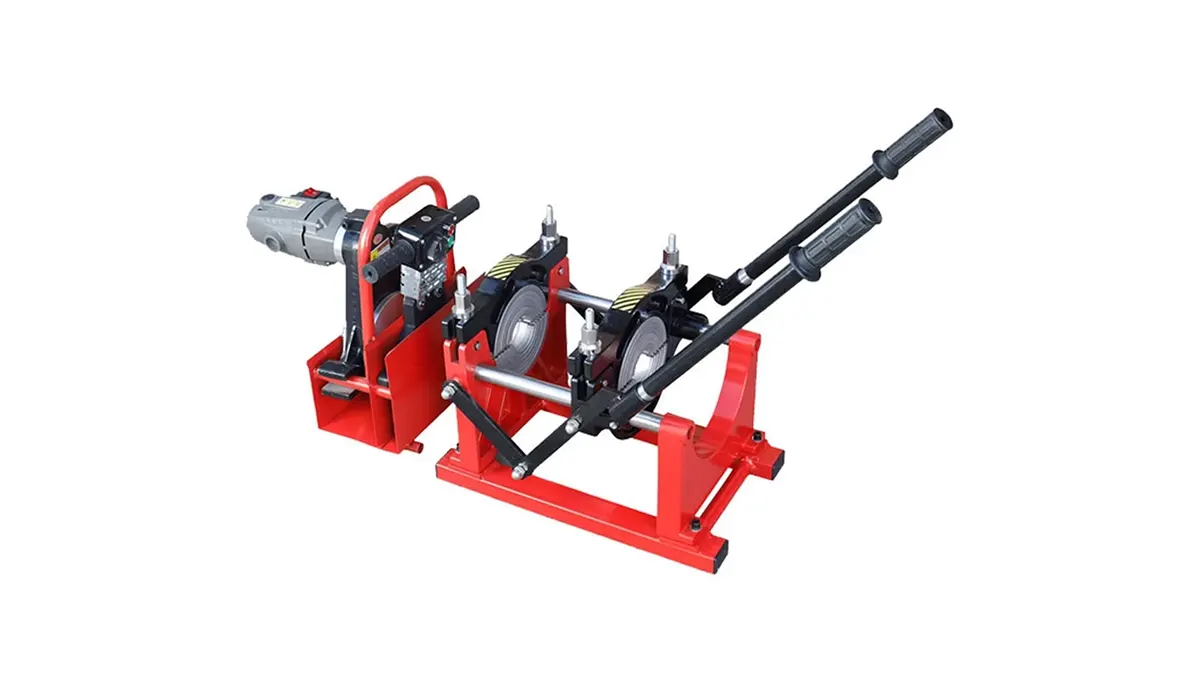
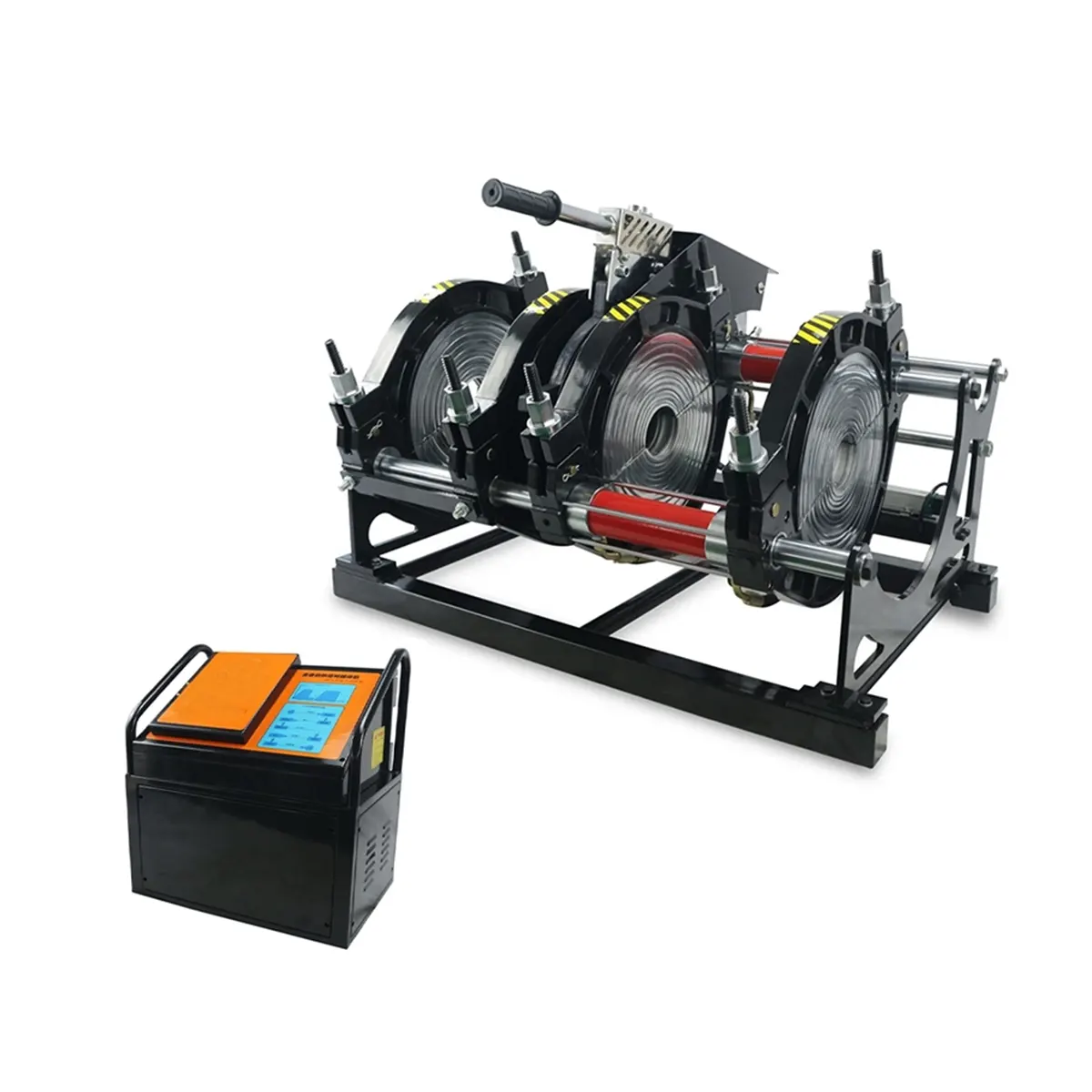
Manual machines are the workhorses for small to medium diameters, commonly ranging from 40mm to 250mm. These units require the operator to physically engage the clamps and apply pressure via a lever. They are lightweight, portable, and ideal for rural water distribution or landscape irrigation where access to power might be limited. While they demand skilled technicians to maintain proper joining procedures, modern manual carriages offer excellent alignment precision.
Hydraulic Fusion Machines
When working with large-diameter transmission lines (315mm to 2000mm+), hydraulic power becomes non-negotiable. These poly pipe fusion machines use hydraulic cylinders to move heavy pipe sections effortlessly. The high clamping force ensures perfect alignment and ovality compensation for thick-wall pressure pipes. Hydraulic units are the backbone of large-scale municipal water supply projects, significantly reducing operator fatigue while delivering highly repeatable welds. The fusion carriage often features a self-locking mechanism and a removable heater plate for rapid cycle times.
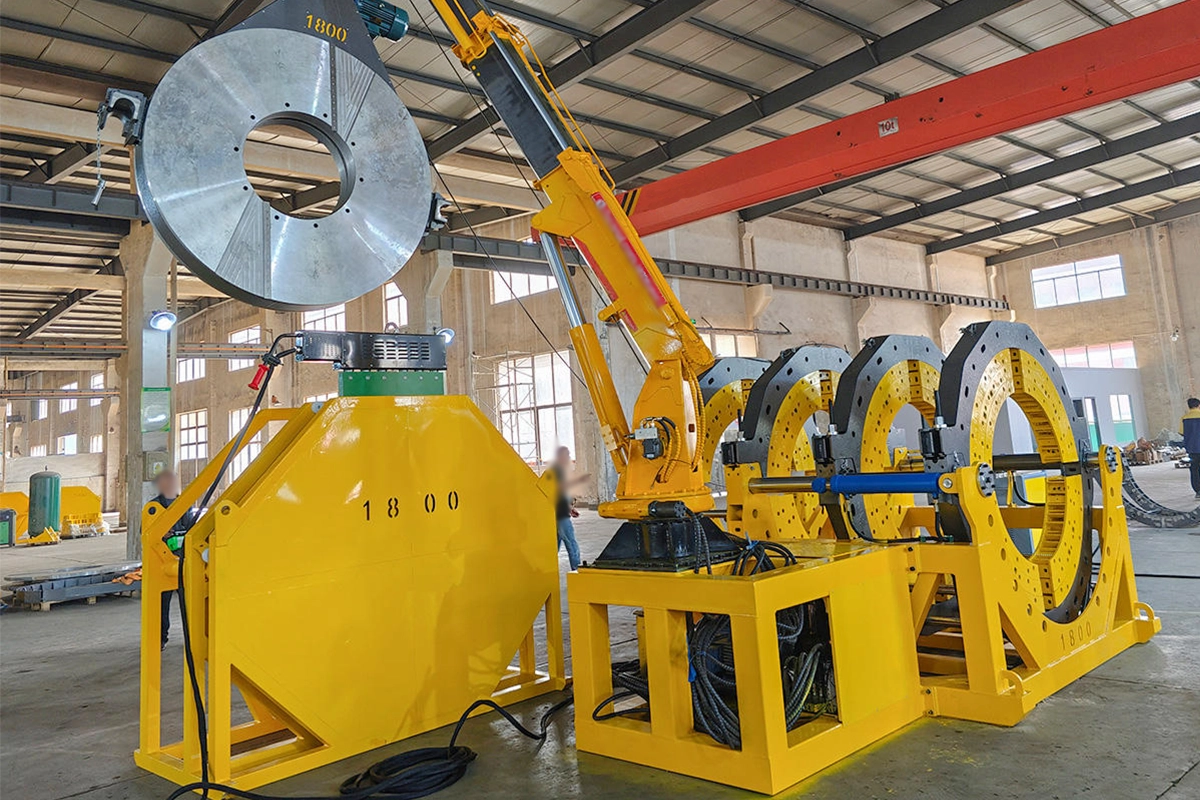
CNC Automatic Fusion Machines
For contractors who require data logging and strict adherence to traceability standards (such as those required for nuclear or major dam projects), CNC automatic machines are the top tier. These units calculate drag pressure, monitor heating soak times, and automatically execute the ISO 21307 butt fusion procedures without operator intervention. The built-in data logger records the full thermal profile, providing verifiable proof of joint integrity, a non-negotiable feature in modern water auditing.
Critical Buying Guide & Specifications
Before purchasing a poly pipe fusion machine for water pipes, evaluate these technical factors to ensure the equipment matches your operational environment. Focusing solely on price often leads to misalignment issues and premature machine failure in rugged field conditions.
| Feature | Recommendation for Water Projects |
|---|---|
| Clamping System | Aluminum clamps with high-profile inserts to prevent pipe scratching |
| Heater Plate | Dual PTFE non-stick coating and uniform electronic temperature control (±5°C) |
| Trimmer | Oil-free, high-torque design to ensure parallel facing of pipe ends |
| Control System | Digital display for real-time temperature monitoring |
Matching Machine Capacity to Your Scope
Always select a machine that operates comfortably within your sweet spot. If your project involves primarily 200mm to 315mm water distribution lines, a 355mm hydraulic unit offers the best balance of cost and performance without overstressing the frame. For national water grid trunk lines exceeding 1200mm, you must verify the machine’s maximum clamping force and chassis rigidity.
The Role of Electrofusion in Trenchless Repairs
While butt fusion dominates mainline construction, electrofusion machines are indispensable for tight excavations and connecting fittings. These units deliver a controlled electric current through embedded heating wires in the fitting, melting the interface. For water utilities, combining a main-line butt welder with a compact electrofusion processor covers 100% of field jointing scenarios, especially in urban rehabilitation where maneuvering a long carriage is impossible.
Ensuring Long-Term Weld Quality
Beyond the machine hardware, water pipe fusion requires strict adherence to environmental controls. Dust, moisture, and wind can cool the heater plate unevenly. Protecting the fusion zone with a tent is mandatory for outdoor water main installations. Additionally, operators must allow sufficient cooling time under pressure. Rushing the “soak and squeeze” cycle is the primary cause of cold water joint failures, which often manifest years later as invisible micro-leaks.
Maintaining a professional equipment maintenance schedule is equally vital. The heater plate’s temperature accuracy should be verified daily against a calibrated pyrometer. Blunt trimmers create shear lips that contaminate the melt bead, so blade sharpness is non-negotiable.
Operator Training & Certification
A sophisticated machine cannot compensate for an unskilled hand. Certification against standards like PE fusion operator requirements ensures the technician understands pressure derating and ovality correction. Regular destructive testing (bend-back tests) on sample welds should be part of the daily workflow on critical water sites.
When sourcing a poly pipe fusion machine for water pipes, prioritize suppliers who offer robust after-sales technical guidance. Companies like JQ-Fusion support global water infrastructure partners with tailored solutions, ensuring that from compact manual kits to heavy-duty hydraulic execution, every weld meets the rigorous demands of high-pressure potable water supply and mineral extraction circuits. By integrating advanced heating technology with rugged mechanical engineering, your next water project can achieve the zero-leak reliability that modern communities depend on.