
Why the Heating Plate Defines Weld Quality
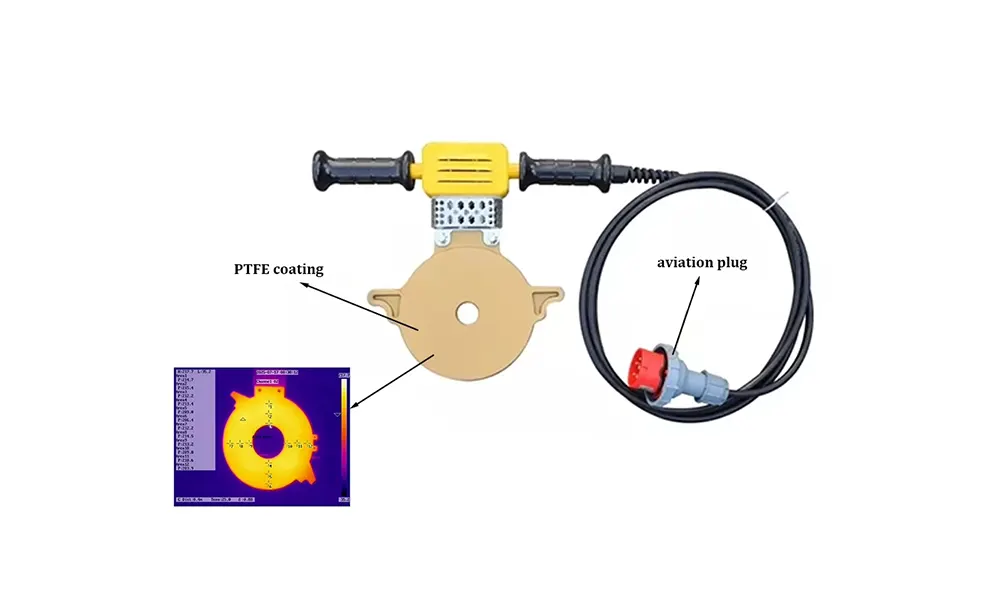
The HDPE fusion machine heating plate is the most critical component in the butt fusion process. It directly controls the melt temperature applied to pipe ends before they are joined under pressure. If the plate has uneven surface temperature, a worn non-stick coating, or poor heat distribution, the resulting weld will suffer from weak bonding, excessive bead, or contamination. Contractors working on water supply, gas distribution, and mining pipelines understand that a high-quality replacement plate is not just a spare part—it is an investment in joint integrity and long-term pipeline safety.
Critical Specifications for a Reliable Heating Plate
When sourcing an HDPE fusion machine heating plate, several technical parameters determine its performance and lifespan. The plate must be machined from solid aluminum alloy for optimal thermal conductivity, and the PTFE coating should be factory-applied at a controlled thickness to prevent sticking without compromising heat transfer. Look for these key features during selection:
- Temperature Uniformity: The surface temperature variance should be within ±5°C across the entire face to ensure consistent melting of PE pipe ends.
- Digital Temperature Control: Integrated thermocouples and digital controllers maintain the set point accurately, typically requiring 180°C to 230°C depending on pipe material.
- Coating Durability: A high-grade non-stick surface resists peeling and scratching during repeated use with hot PE material.
- Compatibility: The plate diameter and mounting hardware must match the specific machine model, from manual machines to large hydraulic systems.
Match Your Plate to Machine Type and Pipe Size
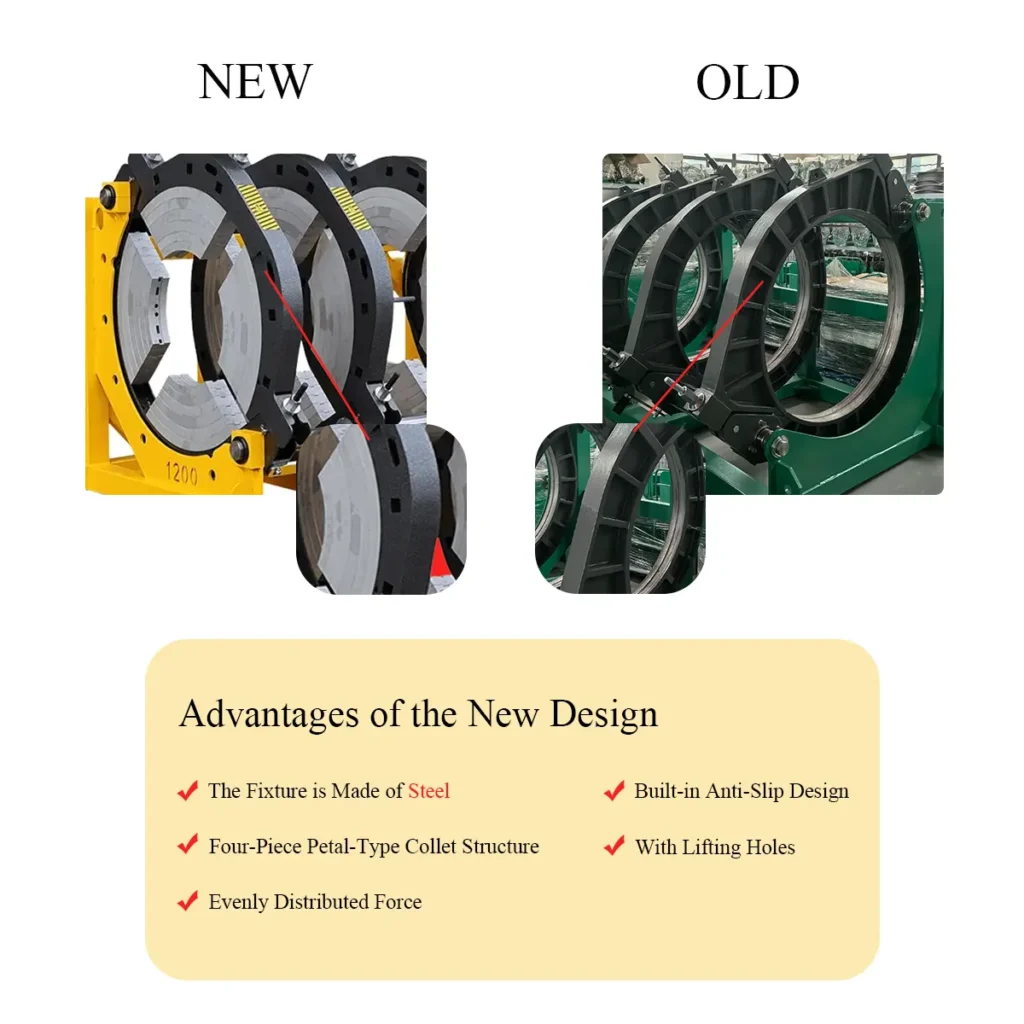
Heating plates are not universally interchangeable. A plate designed for a manual butt fusion machine often differs from those used on hydraulic or CNC automatic models in terms of power rating, mounting bracket design, and sensor placement. The pipe diameter range you work with is the primary selection factor.
| Machine Type | Typical Pipe Range | Plate Power | Coating Requirement |
|---|---|---|---|
| Manual Machine | 20mm – 315mm | 800W – 2000W | Standard PTFE |
| Hydraulic Machine | 160mm – 2250mm | 2000W – 8000W | Heavy-duty PTFE |
| CNC Automatic Machine | 160mm – 1200mm | 3000W – 6000W | Premium non-stick |
Signs Your Heating Plate Needs Replacement
Even the most durable plates degrade over time. Recognizing early warning signs prevents weld failures before they occur. Replace your HDPE fusion machine heating plate immediately if you observe any of the following:
- Visible Coating Damage: Deep scratches, blistering, or bare metal spots will cause PE to stick and char on the surface.
- Temperature Fluctuations: The controller displays the set value but an independent surface thermometer shows cold spots or overheating zones.
- Extended Heat-Up Time: A plate that takes significantly longer than the specified 15-20 minutes to reach operating temperature has failing heating elements.
- Poor Weld Appearance: Asymmetrical melt beads or discolored material indicate that the plate is not providing uniform thermal input.
OEM Specifications vs. Universal Replacements
Many operators consider universal heating plates to reduce costs, but compatibility risks often outweigh the initial savings. OEM-spec plates, such as those manufactured by professionally certified suppliers, are engineered to match the exact bolt patterns, thermocouple positions, and wattage requirements of the original HDPE fusion machine heating plate. JQ-Fusion produces replacement plates that adhere to strict factory tolerances, ensuring plug-and-play installation without modifying wiring or brackets. When comparing options, verify the electrical voltage (commonly 220V or 110V single-phase) and the thermocouple type (K-type or PT100) are identical to your current setup.
Proper Maintenance Extends Service Life
Routine care significantly impacts how long a heating plate performs reliably. Follow these maintenance practices to maximize the value of your investment:
- Clean the plate surface after each use with a non-abrasive cloth while it is still warm—never use metal scrapers that damage the coating.
- Store the plate in a dry, protective case to prevent impact damage and moisture ingress into electrical connections.
- Calibrate the temperature controller every six months using a certified surface probe to confirm accuracy.
- Inspect power cords and connector pins regularly for signs of arcing or overheating at the plug terminals.
Industry Standards for Fusion Equipment
Compliance with established standards ensures that replacement parts meet the performance requirements of modern pipeline projects. When evaluating an HDPE fusion machine heating plate, check for conformity with ISO 12176-1 for PE butt fusion equipment standard and ASTM F2620 for ASTM F2620 heat fusion practices. These documents specify temperature control accuracy, plate surface finish, and safety requirements that directly apply to replacement heating plates used in gas and water systems.
Selecting the Correct Plate for Large Diameter Applications
For pipes exceeding 800mm, the heating plate must overcome significant thermal mass and ensure rapid, even heating across a large surface. High-wattage plates used on hydraulic butt fusion machines typically feature multiple independent heating zones and reinforced mounting frames. Below is a reference guide for matching plate specifications to large diameter pipe ranges:
| Pipe Diameter | Plate Power Requirement | Coating Thickness | Typical Heat-Up Time |
|---|---|---|---|
| 800mm – 1200mm | 4000W – 5000W | 50-60 microns | 20-25 minutes |
| 1200mm – 1600mm | 5000W – 6500W | 60-70 microns | 25-30 minutes |
| 1600mm – 2250mm | 6500W – 9000W | 70-80 microns | 30-40 minutes |
Electrical Safety and Connection Checks
Before installing a new heating plate, always verify the HDPE fusion machine heating plate connector type and voltage rating. Common configurations include 4-pin or 5-pin aviation plugs, with amperage draws varying by plate wattage. Inspect the machine’s power cable for nicks or exposed conductors, and confirm the ground connection is intact. Proper electrical installation prevents overheating at connection points and reduces the risk of on-site equipment failure during critical welding operations.
Common Questions When Buying a Replacement Plate
Procurement teams and field technicians often ask the same questions when sourcing a new heating plate. Addressing these upfront helps streamline the ordering process:
- “Can I use a high-wattage plate on a lower-rated machine?” No, exceeding the machine’s designed wattage can damage the temperature controller and internal wiring.
- “How do I measure my existing plate for a correct match?” Record the outer diameter, mounting hole center distances, electrical plug pin count, and the wattage stamped on the plate back.
- “Does the non-stick coating wear out faster in cold weather?” Extreme thermal cycling accelerates coating fatigue; preheating the plate gradually in cold environments helps extend coating integrity.
Why Source from a Specialized Manufacturer
A dedicated manufacturer like JQ-Fusion maintains rigorous quality control over every HDPE fusion machine heating plate that leaves the factory. From raw aluminum casting to final PTFE application and electrical testing, each plate undergoes dimensional checks, temperature calibration verification, and insulation resistance testing. This comprehensive approach ensures that when you install a replacement plate, you get immediate, reliable performance matching the original equipment standards described in the PPI technical guidance documents for PE pipe joining.
Explore Related Welding Products
A complete welding setup extends beyond the heating plate. Browse these related machine categories to find the right equipment for your pipe diameter and application requirements:
| Product | Image | Details |
|---|---|---|
| JQA630mm Automatic Butt Fusion Welding Machine | 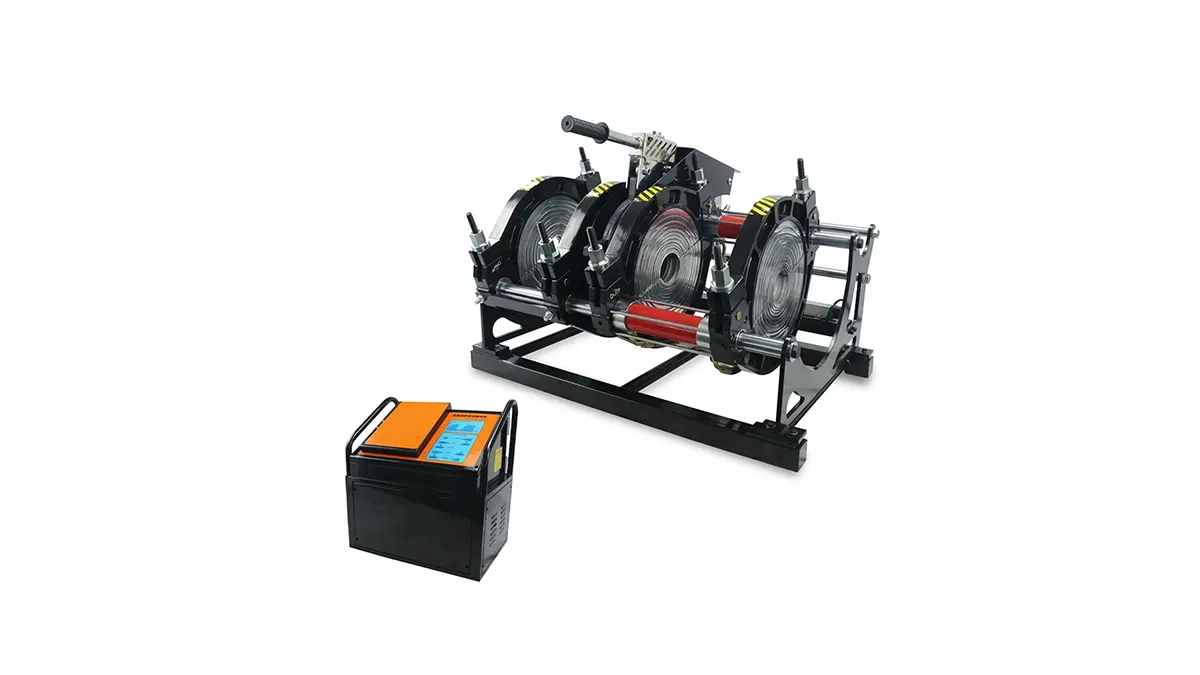 |
Fully automatic control, ideal for consistent field welds up to 630mm |
| JQH160mm Hydraulic Butt Fusion Welding Machine | 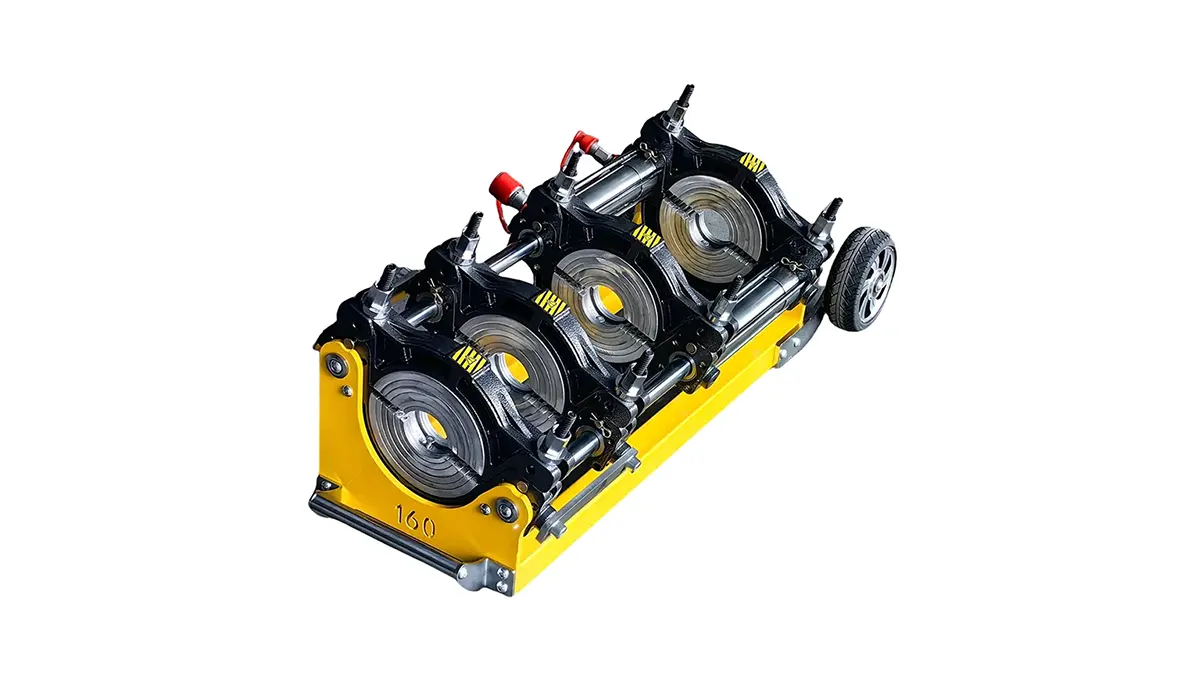 |
Compact hydraulic unit with precise pressure regulation |
| JQSY-4M Manual Butt Fusion Welding Machine | 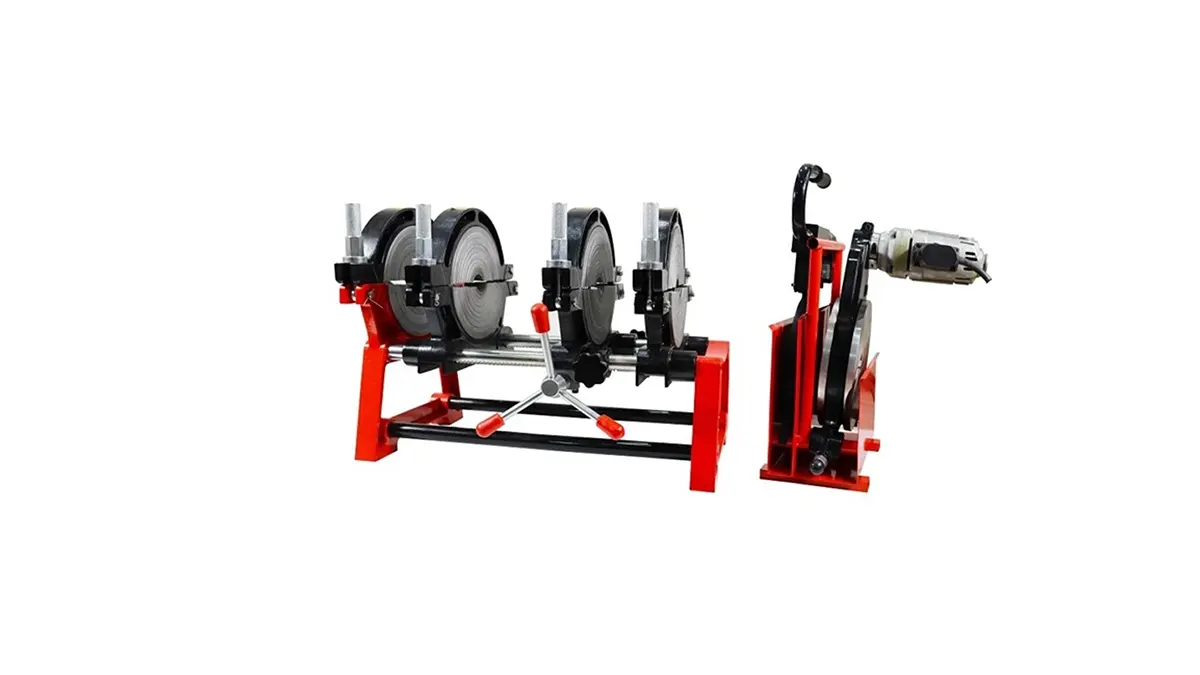 |
Robust manual design for reliable on-site HDPE pipe welding |
Installation Tips for Immediate Performance
Once you receive your new plate, proper installation ensures it works correctly from the first weld. Mount the plate securely using the original hardware, apply a small amount of dielectric grease to electrical pins to prevent corrosion, and run a full heat-up cycle while monitoring surface temperature with a calibrated digital thermometer. If the plate is going into a machine used for what is HDPE butt fusion critical applications, document the calibration results as part of your quality assurance records. A correctly fitted HDPE fusion machine heating plate restores your machine’s ability to produce strong, leak-free joints across all project specifications.



