
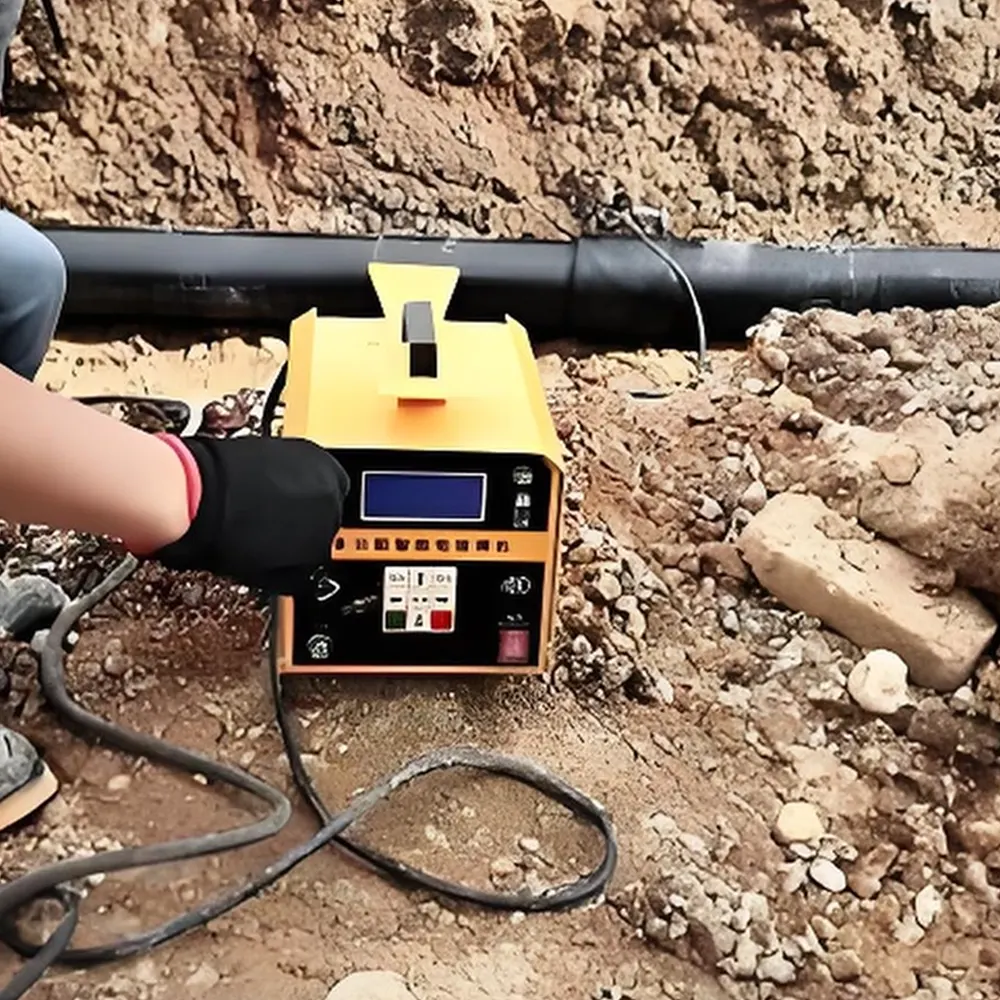
Selecting the right poly pipe fusion machine for HDPE is critical for ensuring leak-free, durable pipeline systems. Whether you are working on municipal water infrastructure, gas distribution networks, or industrial slurry lines, the quality of your fusion joints directly impacts long-term system integrity. This guide breaks down machine types, key selection criteria, core applications, and maintenance best practices to help you make an informed investment.
What Is a Poly Pipe Fusion Machine for HDPE
A poly pipe fusion machine for HDPE is specialized equipment designed to join high-density polyethylene pipes through controlled heat and pressure. The process involves heating pipe ends to a molten state and pressing them together to form a homogeneous, monolithic joint. This technology is governed by strict international standards, including ISO 21307 butt fusion procedures and ASTM F2620 heat fusion practices, which define precise parameters for temperature, pressure, and cooling times. The result is a joint that is often as strong as or stronger than the pipe itself, eliminating the need for mechanical couplings and reducing potential leak points.
Key Types of HDPE Fusion Machines
Understanding the different categories of poly pipe fusion machine for HDPE is essential for matching equipment to your project scope. Each type offers distinct advantages in terms of automation level, portability, and pipe diameter capacity.
| Machine Type | Typical Diameter Range | Best For | Automation Level |
|---|---|---|---|
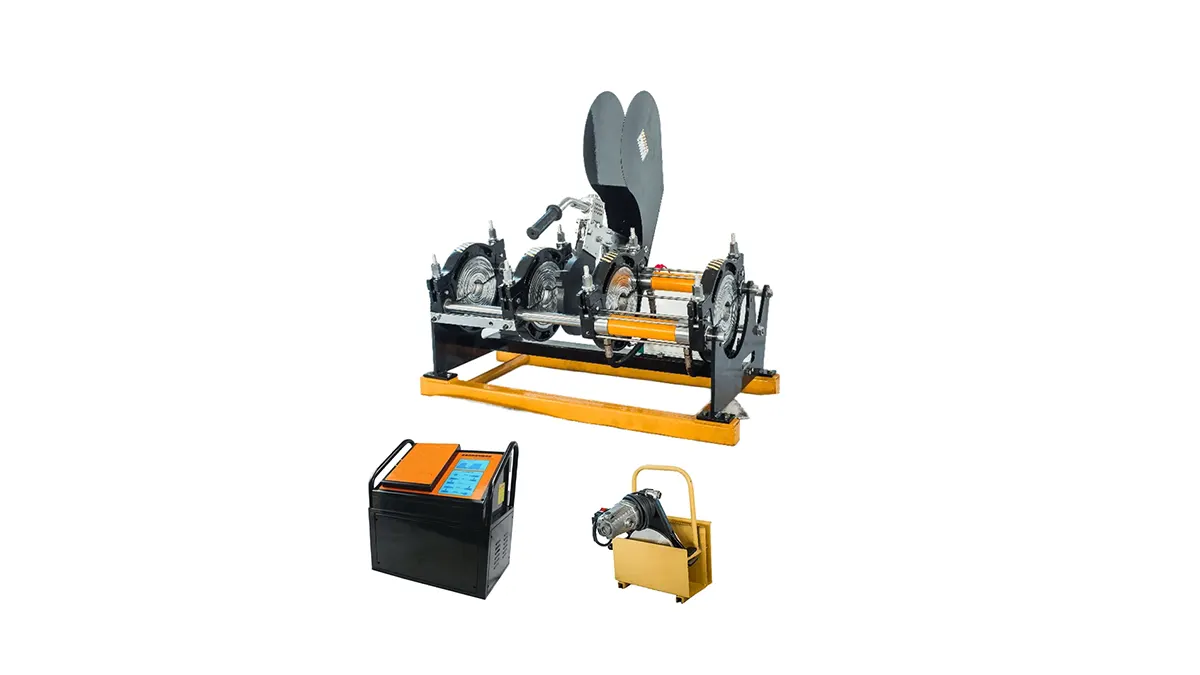
| Manual Butt Fusion | 40mm – 200mm | Small-scale plumbing, irrigation, field repairs | Low |
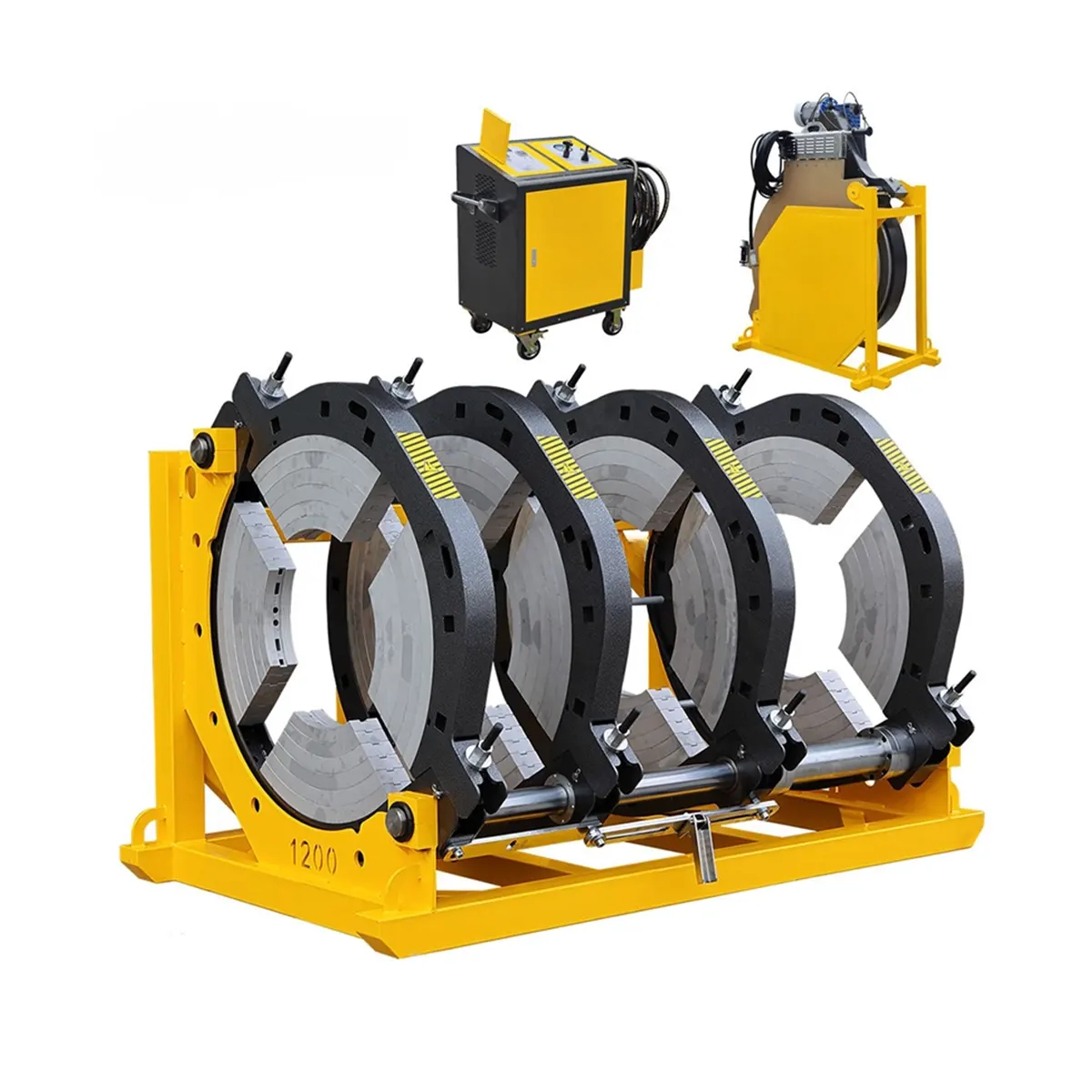
| Hydraulic Butt Fusion | 63mm – 2250mm | Large-diameter water mains, gas pipelines, industrial systems | Medium |
| CNC Automatic Butt Fusion | 160mm – 630mm | Projects requiring traceable, repeatable weld data | High |
| Electrofusion | 20mm – 800mm | Confined spaces, tie-ins, repair applications | Medium to High |
Manual Butt Fusion Machines
Manual machines are popular for smaller diameters and offer excellent portability. They are a cost-effective poly pipe fusion machine for HDPE solution for contractors handling residential or light commercial projects. Operators manually control the clamping, facing, heating, and fusion stages, making proper training essential for consistent results.
Hydraulic Butt Fusion Machines
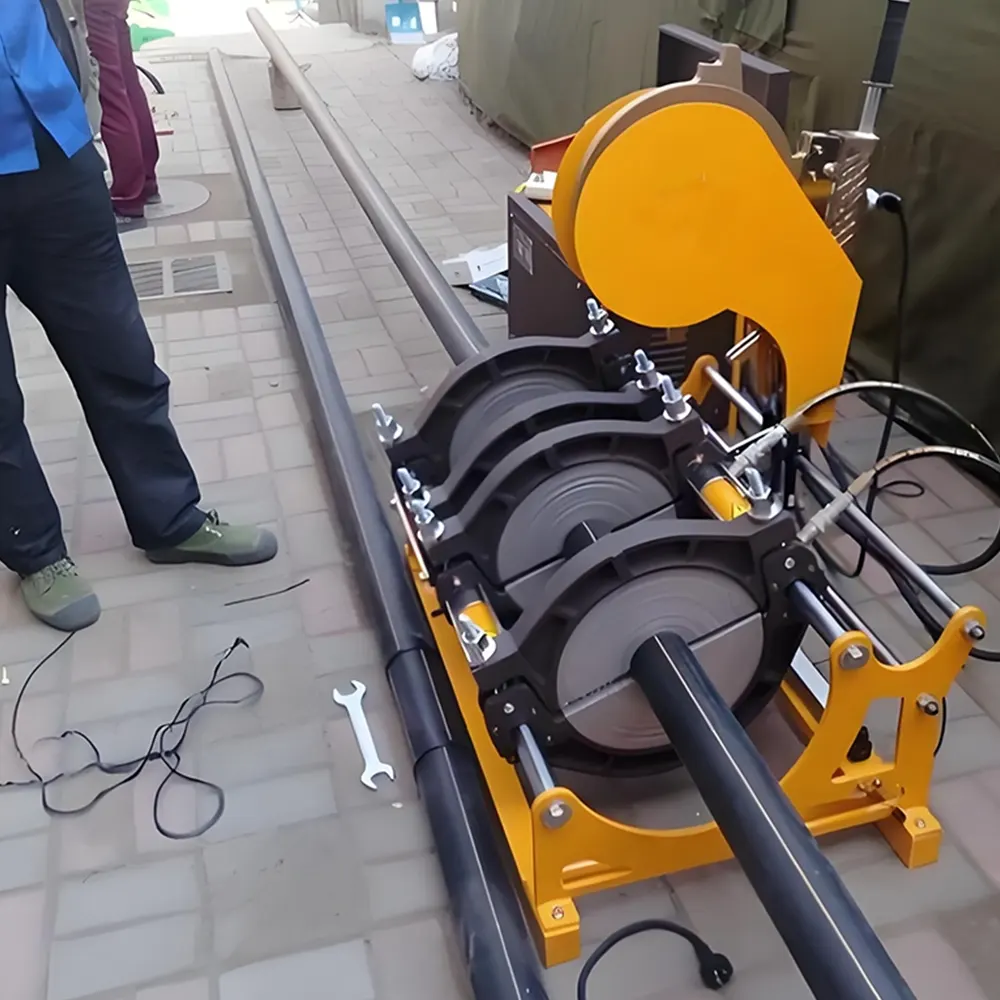
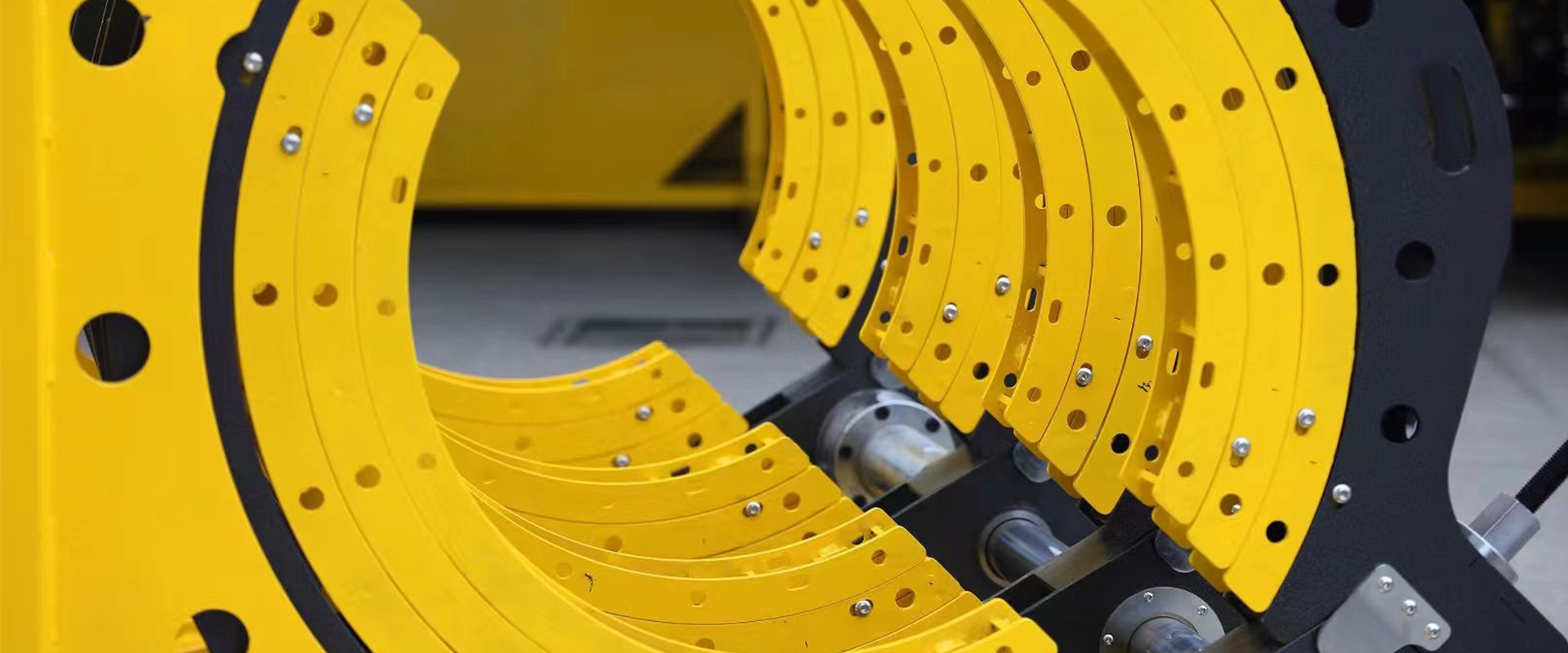
For larger pipe diameters, hydraulic systems become indispensable. These machines use hydraulic power to move heavy pipe ends and apply uniform fusion pressure. A hydraulic butt fusion machine typically features a rigid frame, removable clamps, a powered facing tool, and a precision heating plate, enabling reliable field welding on large infrastructure projects.
CNC Automatic Butt Fusion Machines
When total process control and data logging are required, a CNC automatic butt fusion machine is the preferred choice. These machines automatically manage heating soak times, bead formation, and cooling cycles while recording every parameter. This traceability is increasingly mandated for gas and nuclear applications, providing verifiable proof of joint quality.
Essential Features to Evaluate Before Buying
Investing in a poly pipe fusion machine for HDPE requires careful evaluation of several technical factors. The following checklist will help you compare models and select equipment that delivers long-term value.
- Clamping and Alignment System: Look for rigid, precision-machined clamps that hold pipe ends in perfect concentric alignment. Poor alignment causes uneven bead formation and compromises joint strength.
- Heating Plate Temperature Control: The heating plate must maintain accurate and uniform surface temperature. Digital controls with real-time displays are preferable, as temperature deviations directly affect PE butt fusion process quality.
- Facing Tool Quality: A sharp, well-engineered facing tool produces clean, parallel pipe ends free of contamination. This step is vital for achieving a proper melt pattern during the heating phase.
- Pressure Regulation: Hydraulic and automatic models should feature precise pressure control systems that maintain constant fusion force throughout the heating, bead-up, and cooling stages.
- Durability and Portability: Consider frame construction, corrosion resistance, and overall weight. Machines used in field environments must withstand rough handling and varying weather conditions.
Applications Across Industries
The versatility of a poly pipe fusion machine for HDPE makes it indispensable across numerous sectors. HDPE pipes are favored for their corrosion resistance, flexibility, and long service life, and proper butt fusion welding equipment ensures these benefits are fully realized in the field.
| Industry Sector | Typical Applications | Common Pipe Sizes |
|---|---|---|
| Water Supply | Potable water mains, distribution networks, service lines | 63mm – 1600mm |
| Gas Distribution | Natural gas transmission, LPG lines | 20mm – 630mm |
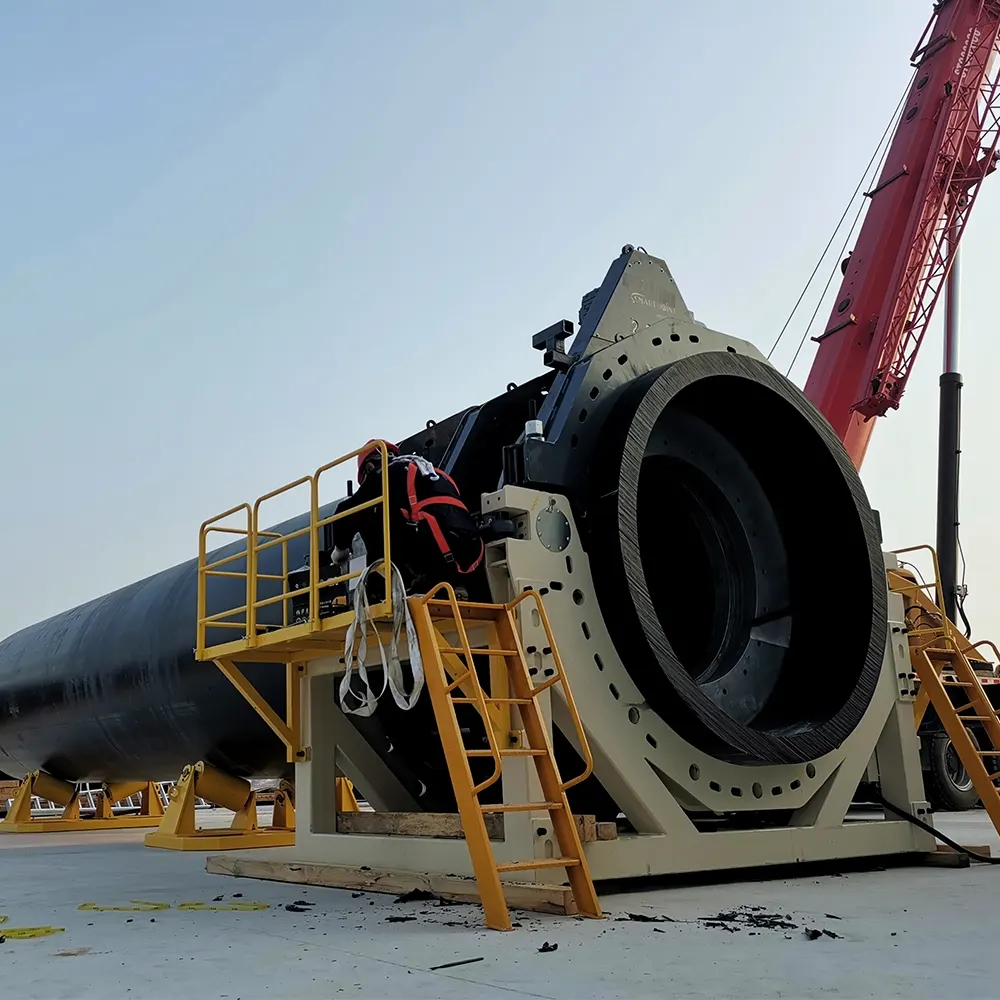
| Mining | Tailings transport, slurry pipelines, dewatering | 90mm – 2000mm |
| Industrial | Chemical transfer, wastewater, dredging | 110mm – 1200mm |
Water Infrastructure Projects
Municipal water systems rely heavily on HDPE pipes for their leak-tight performance and resistance to environmental stress cracking. A poly pipe fusion machine for HDPE creates joints that remain sealed under fluctuating pressure conditions, reducing non-revenue water losses across the network. Standards like ISO 4427 PE water pipes define the material and installation requirements for these critical systems.
Gas Pipeline Construction
Safety is paramount in gas distribution, where joint integrity undergoes rigorous scrutiny. Fusion machines must comply with PE gas piping systems standards and often require data logging capabilities. Operator qualification is equally important, and fusion technicians should be certified to applicable local regulations to ensure every joint meets code requirements.
Mining and Industrial Conveyance
HDPE’s abrasion resistance makes it ideal for transporting mineral slurries and chemical effluents. Heavy-duty poly pipe fusion machine for HDPE models with high clamping force handle the thick-walled pipes commonly specified for these demanding environments. Proper joint preparation and strict adherence to PPI butt fusion procedure guidelines prevent premature failures on these high-stakes installations.
Maintenance Tips for Longevity
Protecting your investment in a poly pipe fusion machine for HDPE requires consistent maintenance. Regular care not only extends equipment life but also ensures each weld meets quality standards.
- Clean the Heating Plate: Remove polymer residue from the non-stick surface after each use using a non-abrasive cloth. Never use metal scrapers that could damage the coating and create hot spots.
- Inspect Facing Tools: Dull or chipped blades produce rough pipe faces and contamination-prone joints. Sharpen or replace blades according to manufacturer recommendations.
- Calibrate Temperature Sensors: Verify heating plate surface temperature periodically with a calibrated contact thermometer. Even small deviations can affect fusion quality.
- Check Hydraulic Systems: Inspect hoses, fittings, and reservoirs for leaks. Contaminated hydraulic fluid can damage cylinders and valves, leading to inconsistent pressure delivery.
- Lubricate Moving Parts: Keep guide rods, pivot points, and lead screws properly lubricated to ensure smooth operation and reduce component wear.
Operator Training and Certification
Even the finest poly pipe fusion machine for HDPE cannot compensate for inadequate operator skill. Proper training covers material identification, machine setup, parameter selection, and visual inspection of completed joints. Industry associations like the Plastics Pipe Institute offer comprehensive resources, including PPI technical guidance and operator qualification programs that help contractors maintain high standards across their workforce. Investing in certified training reduces costly rework and builds client confidence in your installation quality.
Why Choose Quality Manufacturing Partners
When sourcing a poly pipe fusion machine for HDPE, partnering with an experienced manufacturer ensures access to reliable equipment, technical support, and readily available spare parts. Look for suppliers who maintain substantial inventory, offer distributor support programs, and can provide customization for unique project requirements. Strong after-sales service, including training and troubleshooting assistance, is equally important for minimizing downtime on critical pipeline projects.
JQ-Fusion is a professional manufacturer specializing in HDPE pipe welding machines, providing reliable butt fusion solutions for global infrastructure projects. With years of industry experience, the company focuses on the development and production of manual, hydraulic, and CNC automatic butt fusion welding machines, covering pipe sizes from small diameters up to 2250mm. Their equipment is widely used in water supply, gas distribution, mining, and industrial pipeline systems, supported by rigorous quality control and responsive international service.
Frequently Asked Questions
What size fusion machine do I need for my project?
Select a machine with a clamping range that covers your pipe diameters with some margin for flexibility. For example, if you primarily weld 160mm to 315mm pipes, a JQH315mm hydraulic butt fusion welding machine provides the ideal working range. Always check both the minimum and maximum capacity specifications before purchasing.
How often should heating plates be calibrated?
Temperature calibration should be verified at least monthly during regular use, or immediately if weld quality issues arise. Surface temperature variation should remain within ±5°C across the entire plate face to ensure consistent melting of the HDPE material.
Can different brands of HDPE pipe be fused together?
Yes, pipes from different manufacturers can generally be fused together as long as both materials meet the same PE grade and standard specifications. However, always verify melt flow characteristics and consult PE pipe compatibility guidelines before proceeding with mixed-brand installations.
What is the typical lifespan of a fusion joint?
When properly executed using a quality poly pipe fusion machine for HDPE, butt fusion joints are designed to last 50 years or more, matching the expected service life of the HDPE pipeline itself. Joint longevity depends on correct fusion parameters, clean preparation, and adherence to cooling time requirements before pressurization.
Investing in the right poly pipe fusion machine for HDPE pays dividends through faster installation, fewer repairs, and a reputation for quality workmanship. Evaluate your project requirements carefully, consider both current needs and future growth, and select a machine that balances performance, durability, and manufacturer support.



