Achieving a leak-proof and durable pipeline system starts with a proper plastic pipe welding machine welding process. Whether you are working on water supply, gas distribution, or industrial piping, the integrity of the joint determines the overall lifespan of the network. Mastering the correct procedure is not only a technical requirement but also a cost-saving strategy that prevents future failures.
Understanding the Core Principles of Butt Fusion
Butt fusion is the most widely used method for joining High-Density Polyethylene (HDPE) pipes. The process involves heating the pipe ends against a precisely controlled hot plate until a molten bead is formed, then pressing them together under controlled pressure to create a homogeneous joint. The key to success lies in maintaining the correct temperature, pressure, and alignment throughout the what is HDPE butt fusion cycle.
Types of Plastic Pipe Welding Machines
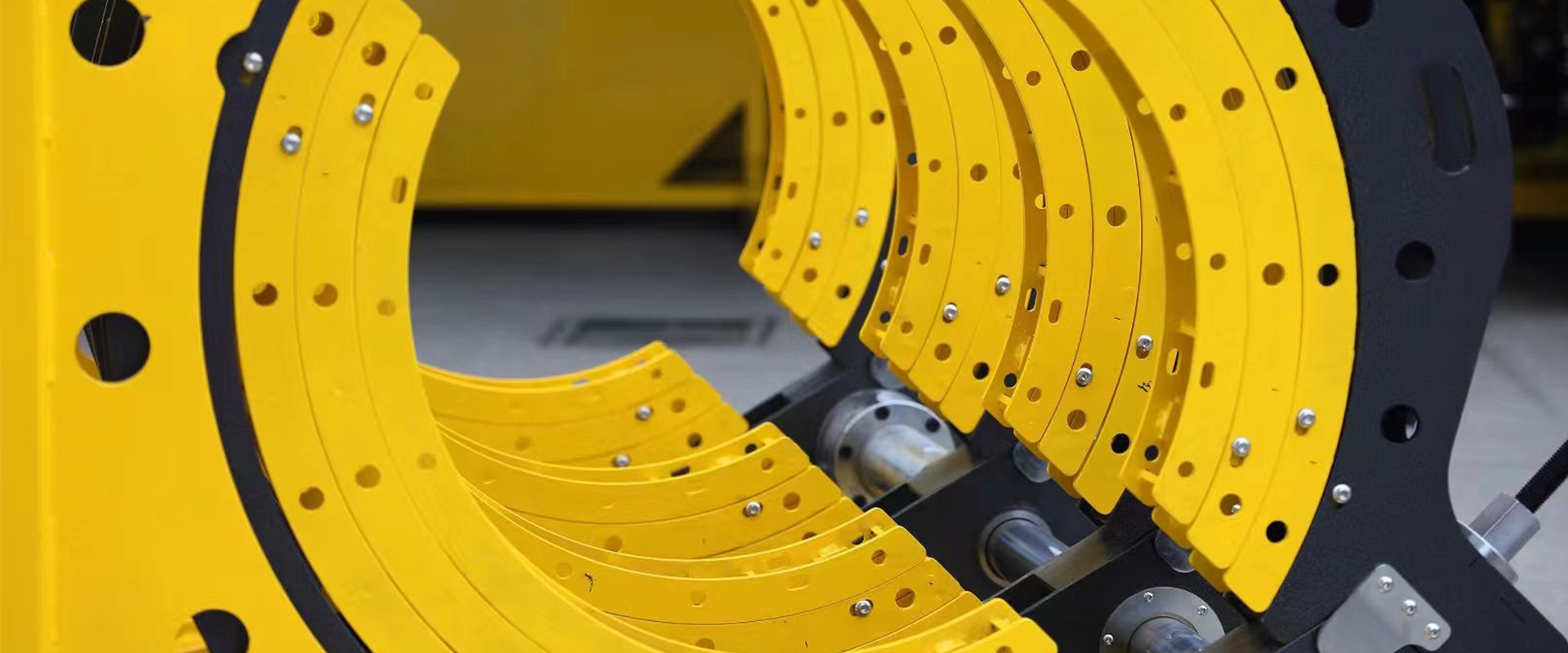
Selecting the right hydraulic butt fusion welding machine is critical for project efficiency. Equipment generally falls into three categories based on the control mechanism:
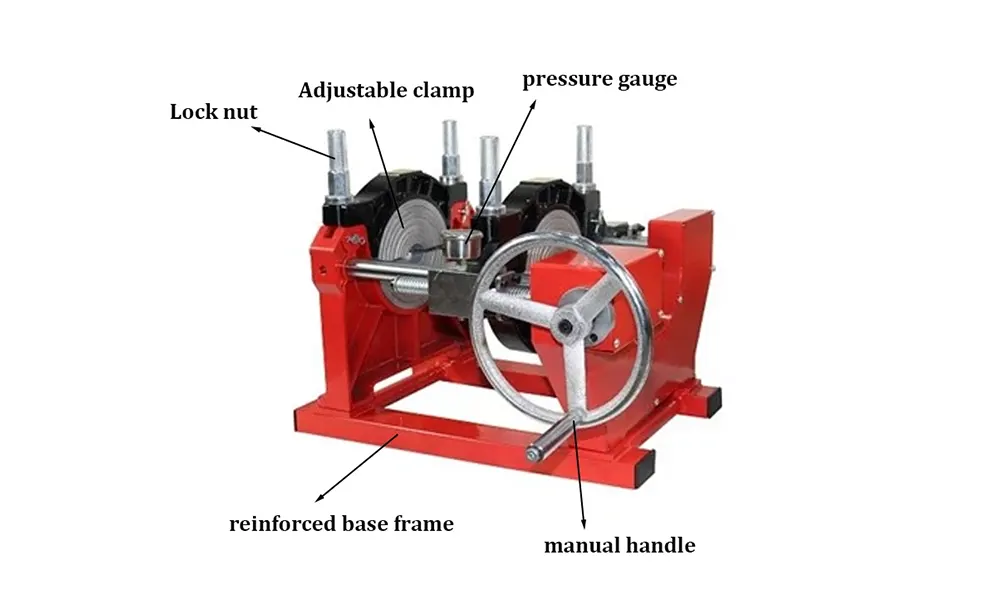
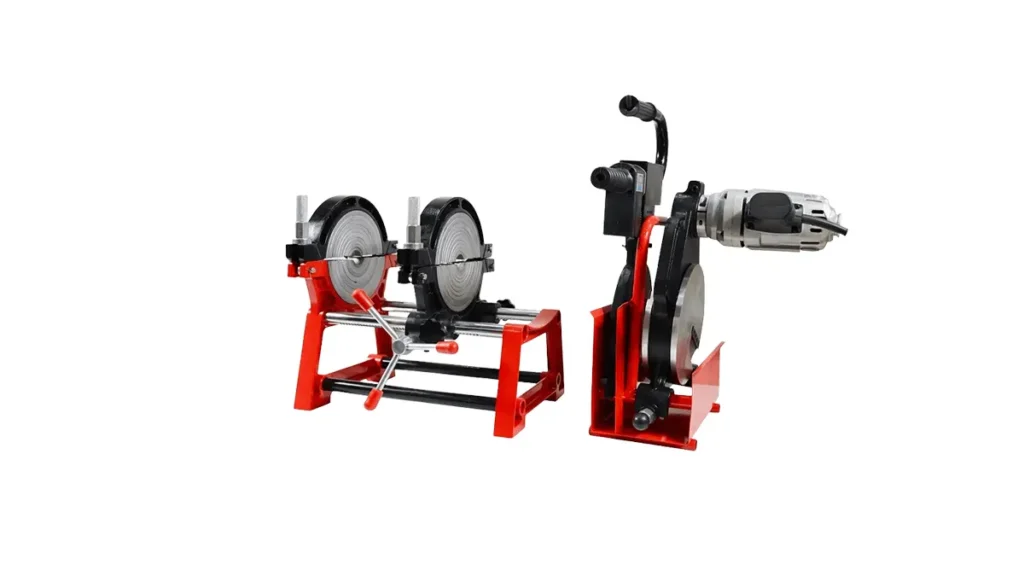
- Manual Welding Machines: Ideal for small diameters and simple field repairs where portability is essential. The operator manually controls the lever to apply pressure.
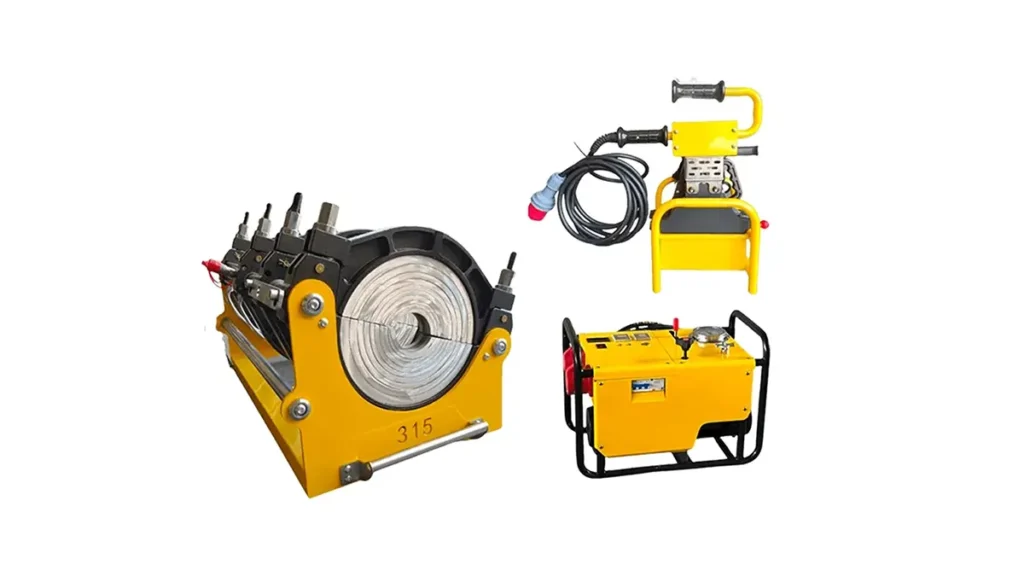
- Hydraulic Welding Machines: Best suited for medium to large diameters. The hydraulic system ensures consistent, high force application, reducing operator fatigue and ensuring uniform bead size.
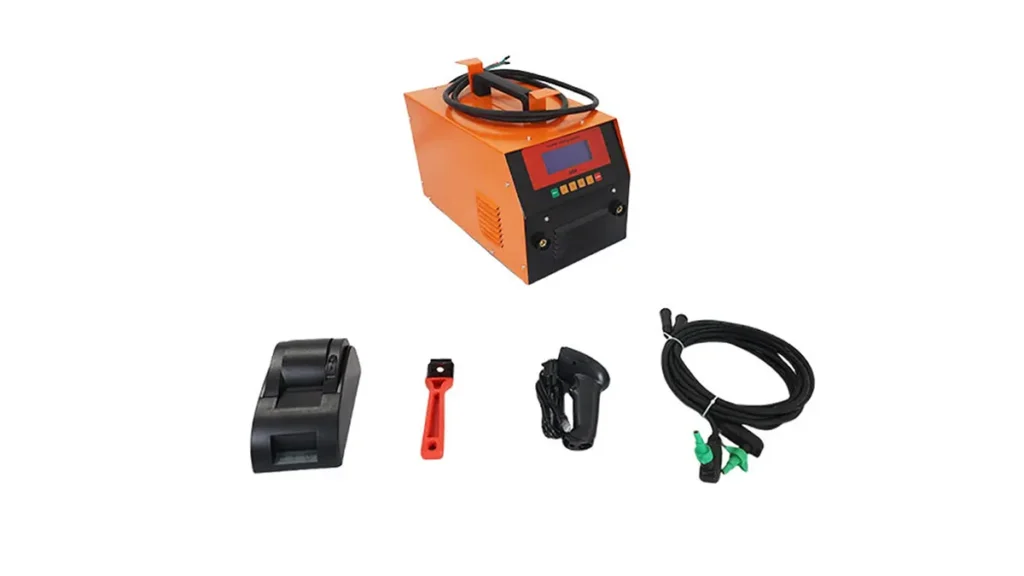
- CNC Automatic Welding Machines: These units utilize programmable logic controllers to automate the entire ISO 21307 butt fusion procedures. They record data in real-time, ensuring traceability and strict compliance with international standards.
Step-by-Step Welding Process Guide
A standardized operating procedure guarantees joint integrity. Below is the essential workflow for operating a plastic pipe welding machine:
1. Preparation and Cleaning
Ensure pipe ends are cut square and free from dirt, grease, or oxidation. Wipe the inside and outside of the pipe ends using a clean, lint-free cloth and an approved cleaning solution. Contamination is the leading cause of joint failure.
2. Clamping and Alignment
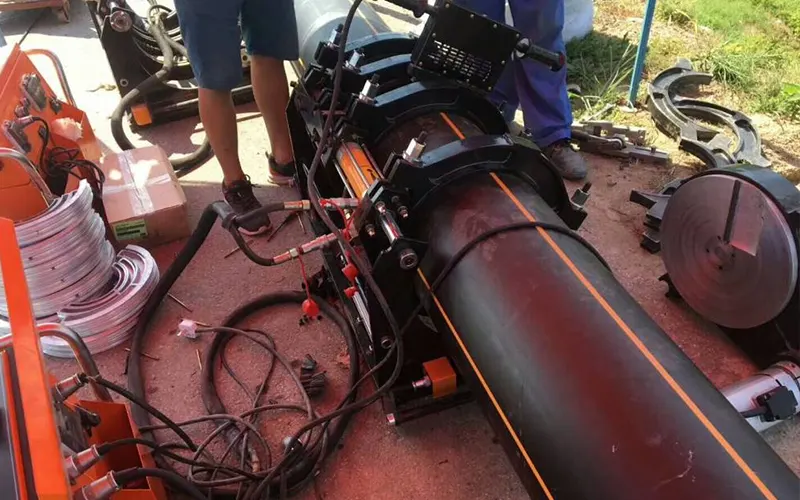
Securely clamp the pipes into the machine frame. Tighten the clamps evenly to avoid pipe distortion. Visually inspect the alignment; the pipe ends must match perfectly. A mismatch greater than 10% of the wall thickness requires realignment.
3. Facing the Pipe Ends
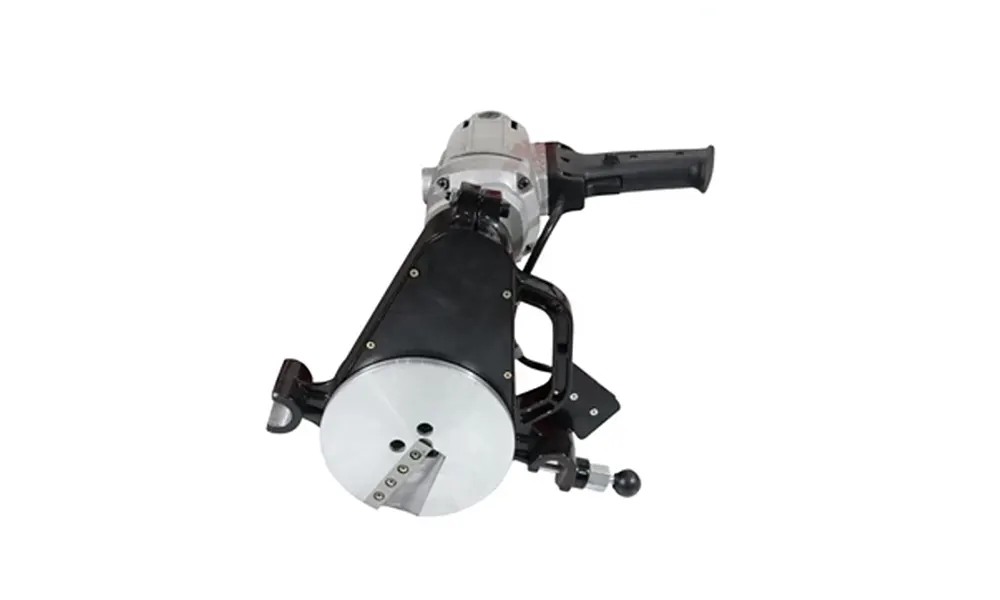
The facing tool trims the pipe ends until a continuous, parallel surface is achieved. Do not remove the machine from the pipe ends until the facing operation is complete to prevent contamination. The final shaving should be a continuous ribbon.
4. The Heating Stage
Check the heater plate temperature; it must match the material specification (typically around 200°C – 220°C for HDPE). Press the pipe ends against the hot plate with a specific bead-up pressure until a defined melt bead forms, then reduce to heat-soak pressure to allow heat penetration without excessive melting.
5. Heater Plate Removal
This is the fastest step. Separate the pipe ends, remove the heater plate, and immediately bring the molten ends together. The time taken here must be minimized to prevent the melt from cooling below the welding window.
6. Fusion Joining and Cooling
Butt the molten ends together and build up the specified joining pressure. Maintain this pressure consistently during the entire cooling cycle. Do not release the clamps or apply external stress until the joint has cooled completely to ambient temperature.
Critical Welding Parameters Reference
Adhering to validated parameters is non-negotiable. While values may vary slightly based on resin grade and PE butt fusion equipment standard, the following table provides a typical baseline for HDPE materials:
| Parameter | Typical Value | Observations |
|---|---|---|
| Heater Temperature | 200°C – 220°C | Must be verified with a calibrated pyrometer. |
| Bead-up Pressure | 0.15 MPa (1.5 bar) | Forms the initial melt bead quickly. |
| Heat Soak Pressure | 0.01 – 0.02 MPa | Near zero drag pressure to prevent cold spots. |
| Changeover Time | < 5 seconds | Critical to prevent premature cooling. |
| Cooling Time | Based on wall thickness | Pressure must be maintained until full solidification. |
Best Practices for High-Quality Welds
To consistently deliver robust joints, integrate these best practices into your plastic pipe welding machine welding process:
- Environmental Shielding: Protect the welding area from direct sunlight, rain, and heavy winds. Rapid ambient changes can cool the plate unevenly or contaminate the heating surface.
- Regular Calibration: Calibrate the hydraulic unit and temperature controllers monthly. A 5°C deviation can significantly reduce weld integrity.
- Bead Inspection: After cooling, visually inspect the external bead. A symmetrical, rounded bead on both sides of the joint indicates a proper dual-pressure fusion cycle.
- Surface Friction: Use roller supports for long pipes to minimize frictional drag. The clamping force must overcome the friction to ensure the specified interface pressure is achieved.
Common Welding Defects and Troubleshooting
Understanding potential failure modes helps in early detection. Below is a diagnostic chart for common issues encountered during the plastic pipe welding operation:
| Defect | Probable Cause | Corrective Action |
|---|---|---|
| Uneven Bead | Misalignment of pipe ends or uneven heating plate temperature. | Re-face pipes and check heating plate for hot spots. |
| Porous Bead | Contamination (dust, oil, moisture) or overheating (oxidation). | Thoroughly clean pipe ends and verify actual heater temperature. |
| Small/Flat Bead | Insufficient pressure during the joining phase or rapid cooling. | Verify hydraulic pressure settings and ensure changeover time is minimal. |
| Cold Fusion | Heater temperature too low or excessive changeover delay. | Increase temperature within standard range and re-cut pipe ends. |
Ensuring Safety During Welding Operations
Safety is paramount when handling hot surfaces and heavy machinery. Operators must wear insulated gloves and safety goggles. The heating plate’s non-stick coating should be intact to prevent molten plastic from sticking. Always ensure the butt fusion welding machine is placed on a stable, level surface before starting. Never leave the hot plate unattended during the heating cycle.
The Role of Data Logging in Quality Assurance
Modern automatic welding machines provide crucial documentation. By tracking parameters against the ASTM F2620 heat fusion practice, contractors can prove compliance. If a joint fails a pressure test, the log file immediately identifies the root cause, whether it was temperature deviation or insufficient soak time. This traceability is invaluable for critical infrastructure like gas pipelines.
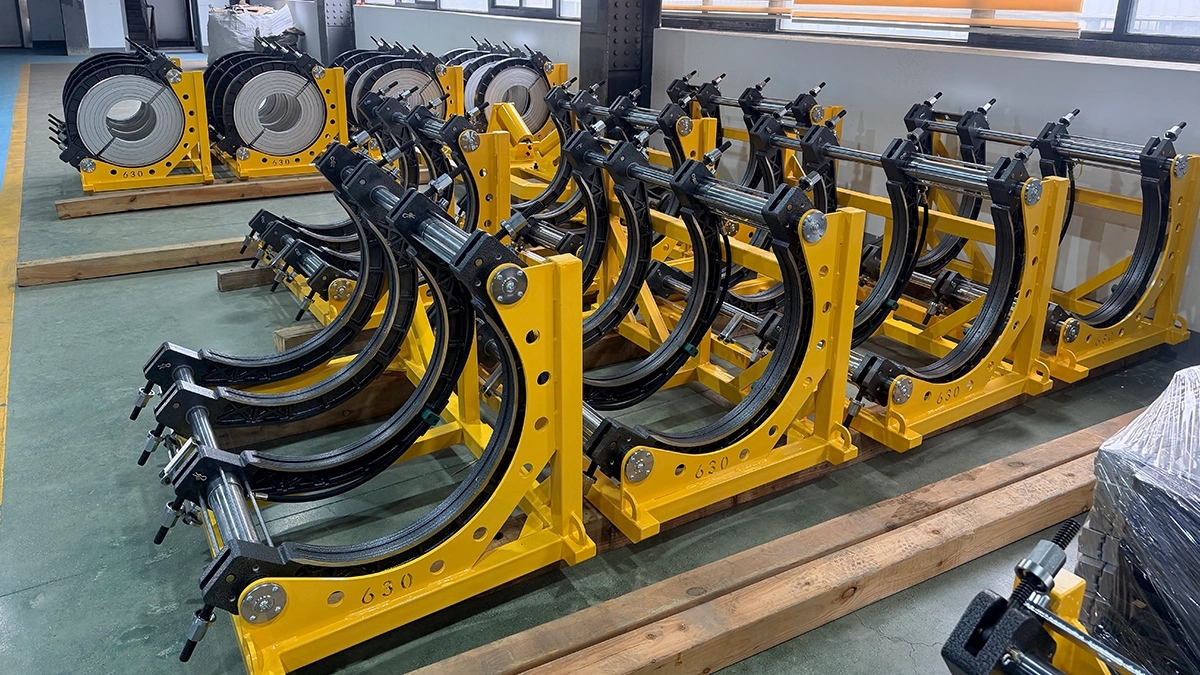
Mastering the plastic pipe welding machine welding process requires strict adherence to proven standards and attention to fine details. Whether you are handling small-scale residential plumbing or large-diameter municipal infrastructure, the combination of a reliable machine and a skilled operator ensures zero leakage. JQ-Fusion supports these rigorous demands by providing heavy-duty, precision-oriented welding solutions that align with the global benchmarks for HDPE pipeline assembly.