
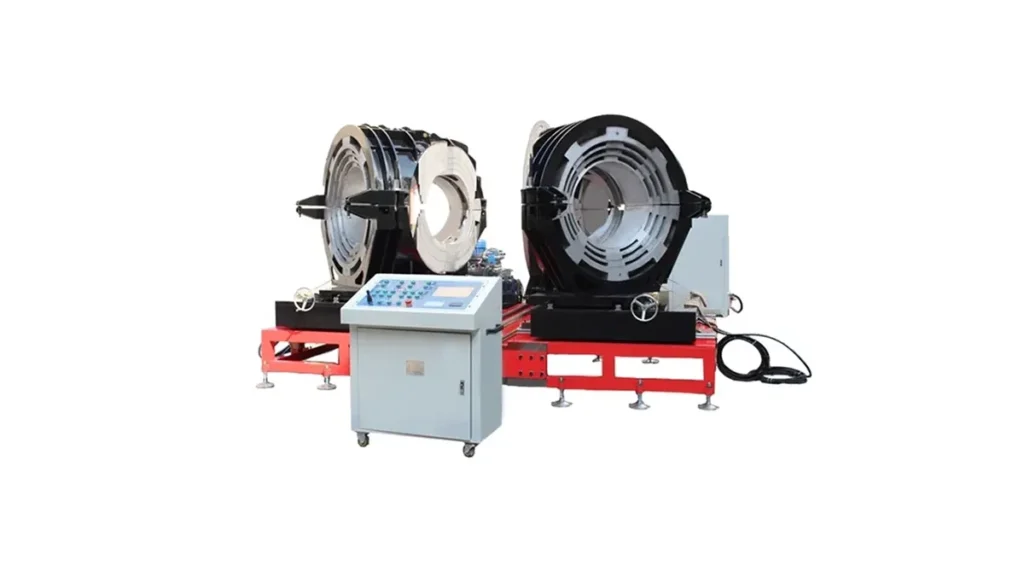
Effective pipe fusion machine troubleshooting is essential for maintaining strong, leak-free joints in HDPE piping systems. Whether you are operating a butt fusion welding machine in the field or in a fabrication shop, unexpected issues can arise that compromise weld quality. Understanding the root causes of common problems and knowing how to address them quickly helps minimize downtime and prevent costly pipe failures. This guide covers the most frequent challenges encountered during HDPE pipe welding, along with practical solutions and preventive maintenance strategies.
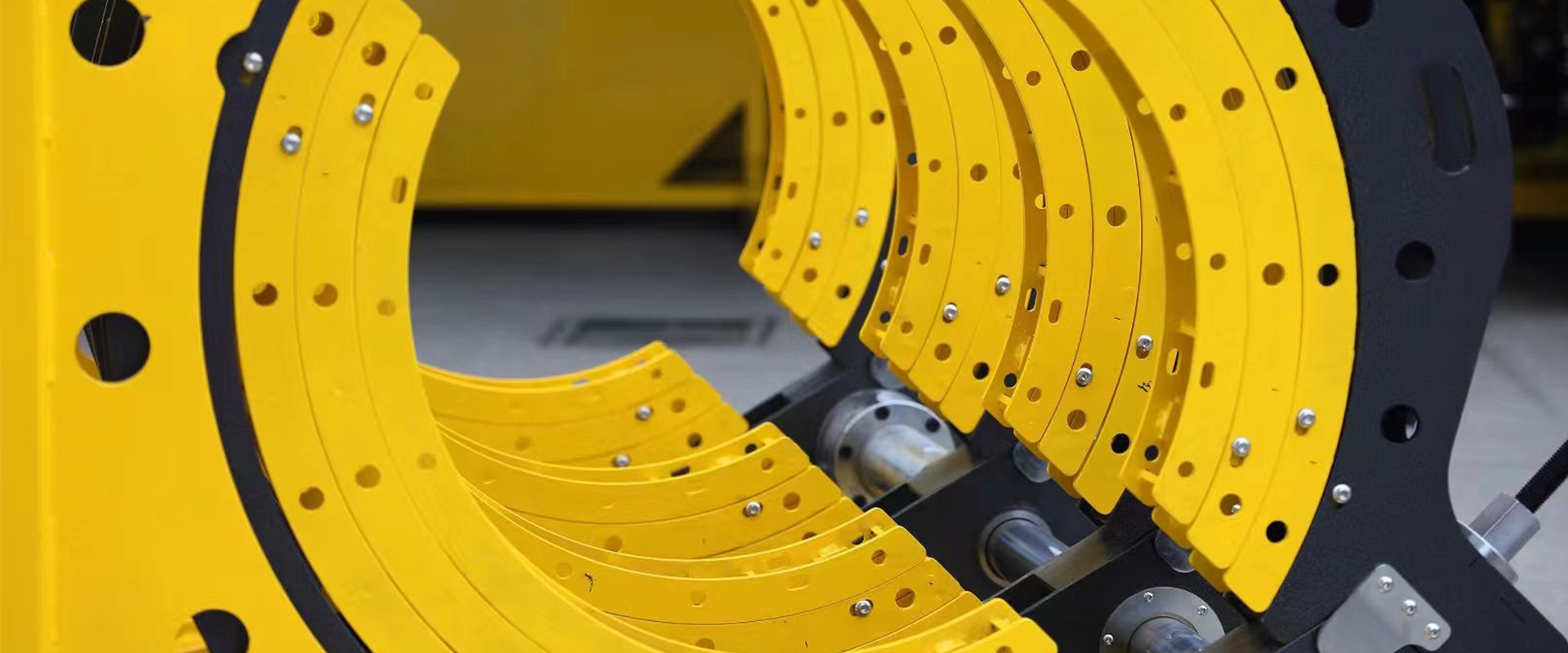
Common Pipe Fusion Machine Problems and Solutions
Fusion operators frequently encounter a range of mechanical, thermal, and procedural issues. The table below summarizes the most typical problems, their likely causes, and recommended corrective actions.
| Problem | Possible Causes | Solutions |
|---|---|---|
| Uneven or incomplete bead formation | Misaligned pipe ends, insufficient heating time, uneven clamping pressure, or contaminated heating plate surface | Verify clamp alignment and pipe end squareness; clean the heating plate thoroughly; confirm correct heating temperature and soak time per ISO 21307 butt fusion procedures |
| Cold welds (weak joints) | Low heating plate temperature, insufficient fusion pressure, short cooling time under pressure, or premature handling of the joint | Check and calibrate the heating plate thermostat; follow recommended fusion pressure parameters; allow full cooling time before removing from clamps; use a data logger to verify cycle completion |
| Excessive melt bead or pipe deformation | Overheating, excessive fusion force, or prolonged heating time beyond specifications | Reduce heating temperature to the material-specific range; adjust hydraulic pressure settings; strictly follow the pipe manufacturer’s welding parameters |
| Heating plate not reaching set temperature | Faulty heating element, damaged thermostat, loose wiring connections, or insufficient warm-up time | Inspect heating element continuity with a multimeter; replace damaged thermostats; tighten all electrical connections; allow adequate preheating (typically 10–15 minutes) before starting welds |
| Hydraulic system pressure loss | Hydraulic fluid leaks, worn seals, air in the hydraulic lines, or a malfunctioning pump on hydraulic butt fusion equipment | Check all hydraulic fittings and hoses for leaks; bleed air from the system; inspect and replace worn seals; verify pump operation and fluid levels regularly |
| Pipe slippage in clamps | Worn clamp inserts, insufficient clamping force, dirt or grease on pipe surface, or undersized clamps for the pipe diameter | Clean clamp inserts and pipe surfaces; replace worn or damaged inserts; ensure proper clamp size selection; apply the manufacturer’s recommended clamping torque |
| Inconsistent trimming or planing | Dull trimmer blades, misaligned trimmer assembly, or excessive speed during the facing operation | Sharpen or replace trimmer blades regularly; align the trimmer per the machine manual; maintain steady, even rotation during pipe end facing; verify that continuous shavings are produced from both pipe ends |
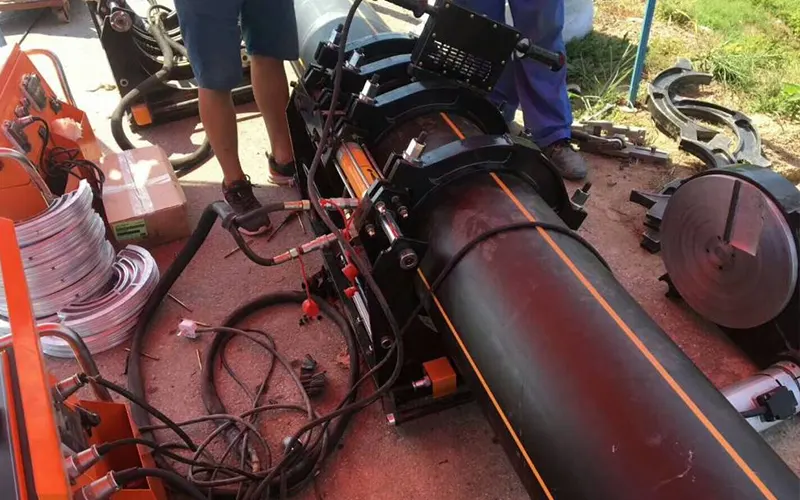
Essential Maintenance Tips for Pipe Fusion Machines
Preventive maintenance is the most effective way to avoid unexpected equipment failures and ensure consistent weld quality. A well-maintained machine not only extends service life but also reduces the frequency of pipe fusion machine troubleshooting interventions on the job site.
Daily Inspection Checklist
- Heating plate surface: Inspect the non-stick coating for scratches, residue buildup, or damage. Clean with a non-abrasive cloth after each use while the plate is still warm.
- Clamp inserts and jaws: Check for wear, cracks, or accumulated debris. Worn inserts can cause misalignment and pipe slippage.
- Trimmer blades: Verify sharpness and secure mounting. Dull blades produce rough pipe ends that lead to poor fusion quality.
- Hydraulic hoses and fittings: Look for signs of wear, cracking, or fluid seepage. Tighten loose connections and replace damaged components immediately.
- Temperature calibration: Use a calibrated surface thermometer to verify the heating plate temperature against the controller setpoint at the start of each shift.
- Electrical cords and connectors: Inspect for fraying, exposed wires, or bent pins that could cause intermittent power supply.
Weekly and Monthly Maintenance
- Lubricate all moving parts including guide rods, clamp screws, and pivot points with manufacturer-recommended grease.
- Check and refill hydraulic fluid levels; replace hydraulic fluid every 6–12 months depending on usage intensity.
- Inspect the machine frame for structural integrity, especially on CNC automatic fusion machines that experience high-cycle operations.
- Test the emergency stop function and all safety interlocks to ensure operator protection.
- Clean or replace air filters on engine-driven power packs to prevent overheating.
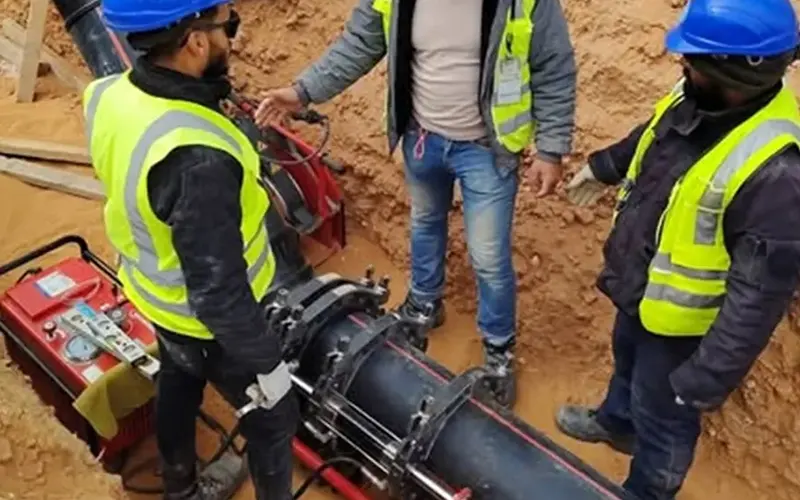
Troubleshooting Electrofusion Equipment Issues
While butt fusion dominates large-diameter applications, electrofusion systems present their own set of challenges. Common electrofusion problems include error codes during the fusion cycle, poor barcode reading, and fitting misalignment. Always verify that the pipe surface is properly scraped and cleaned before inserting into the electrofusion fitting. Confirm that the fusion processor is programmed with the correct parameters and that the power supply is stable throughout the entire cycle. Reference the PE electrofusion equipment standard for proper operating guidelines.
Operator Best Practices to Minimize Fusion Problems
Even high-quality equipment can produce substandard joints if operators do not follow proper procedures. The following practices help reduce the likelihood of requiring extensive pipe fusion machine troubleshooting:
- Always allow the heating plate to reach a stable, uniform temperature before beginning the first weld of the day.
- Protect pipes and equipment from wind, rain, and extreme temperatures; use welding tents when environmental conditions are unfavorable.
- Follow the pipe manufacturer’s recommended heating time, soak time, and cooling time without shortcuts.
- Document fusion parameters for every joint, including date, operator, machine ID, pressure settings, and ambient conditions for traceability per PE fusion traceability requirements.
- Keep the machine and surrounding work area clean; dirt and debris are common contributors to fusion defects.
- Participate in regular training and requalification programs as outlined in heat fusion operator qualification standards.
When to Contact a Professional Service Provider
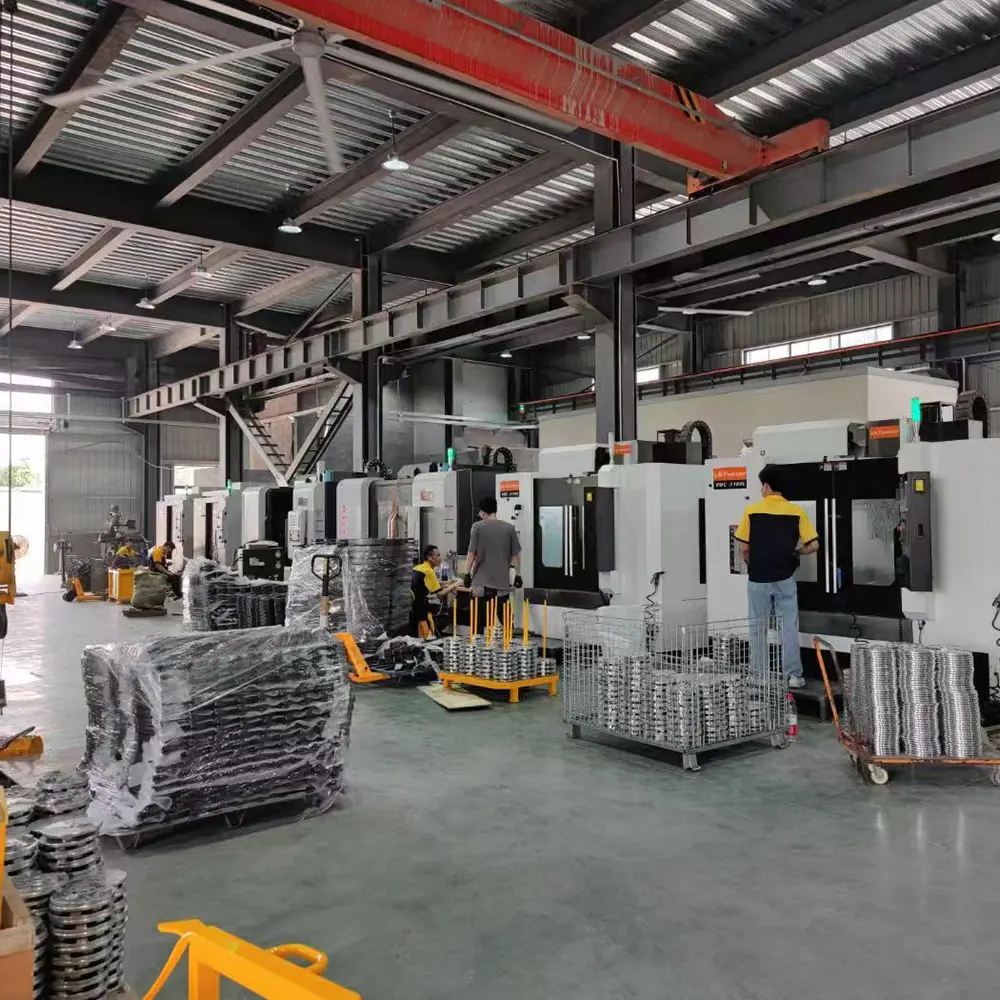
Some issues require expert intervention beyond routine field troubleshooting. Contact a qualified service technician when you encounter persistent hydraulic system failures, electrical faults that cannot be traced with basic diagnostic tools, structural frame damage, or repeated cold weld failures despite following correct procedures. For comprehensive support and durable replacement parts, JQ-Fusion offers responsive after-sales service and technical guidance to keep your operations running smoothly. With extensive experience in manufacturing manual, hydraulic, and CNC automatic butt fusion welding machines, the company provides reliable solutions tailored to diverse project requirements worldwide.
Key Takeaways for Reliable Fusion Operations
- Regular calibration and inspection of heating plates, clamps, and hydraulic systems prevent most common fusion defects.
- Operator training and adherence to documented welding procedures are equally important as machine maintenance.
- Early detection of minor issues—such as uneven bead appearance or slight pressure fluctuations—can prevent major joint failures.
- Maintain a spare parts inventory including heating plates, clamp inserts, trimmer blades, and seal kits to minimize downtime.
- Consult PPI technical guidance and ISO standards for the most current fusion procedures and equipment specifications.



