
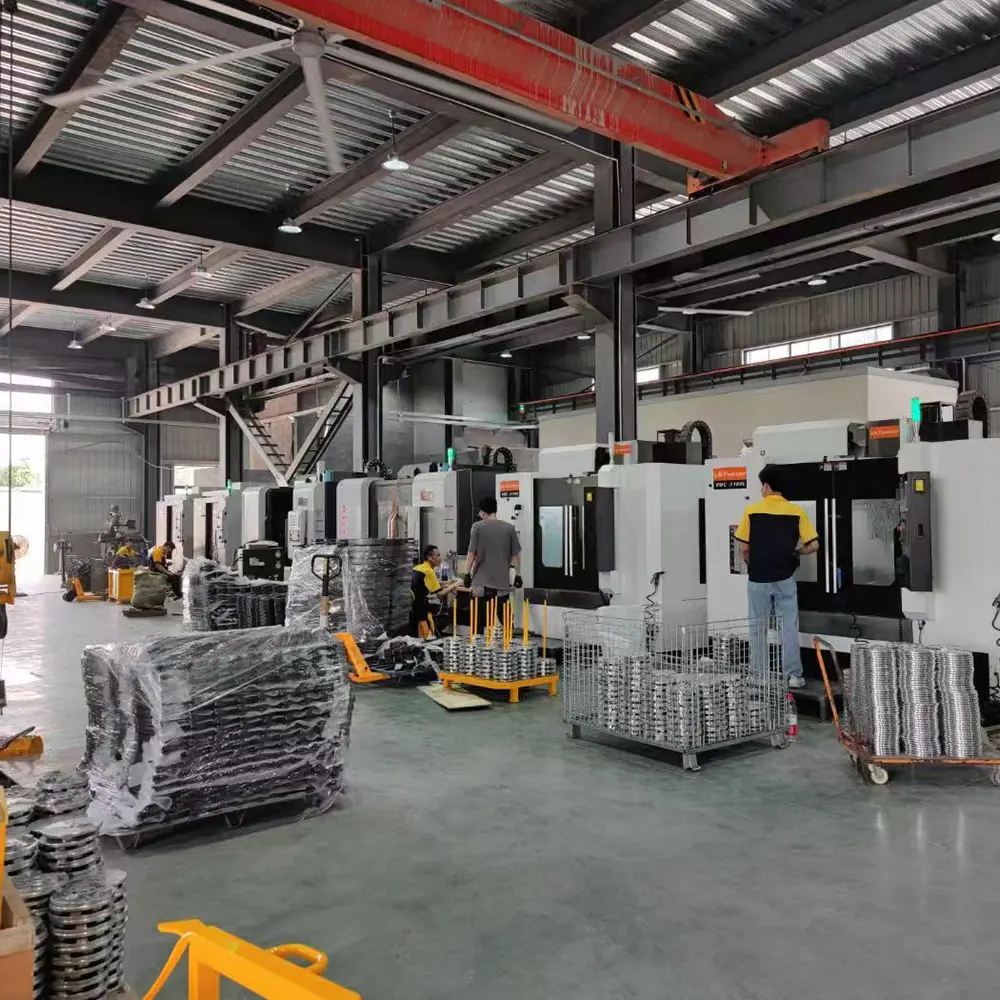
Routine pipe fusion machine maintenance is the cornerstone of achieving consistent weld quality and maximizing the service life of your investment. Whether you are operating a manual hydraulic butt fusion machine or an advanced CNC automatic model, neglecting regular upkeep leads to downtime, costly repairs, and compromised joint integrity. This guide outlines essential practices to keep your equipment performing reliably under demanding field conditions.
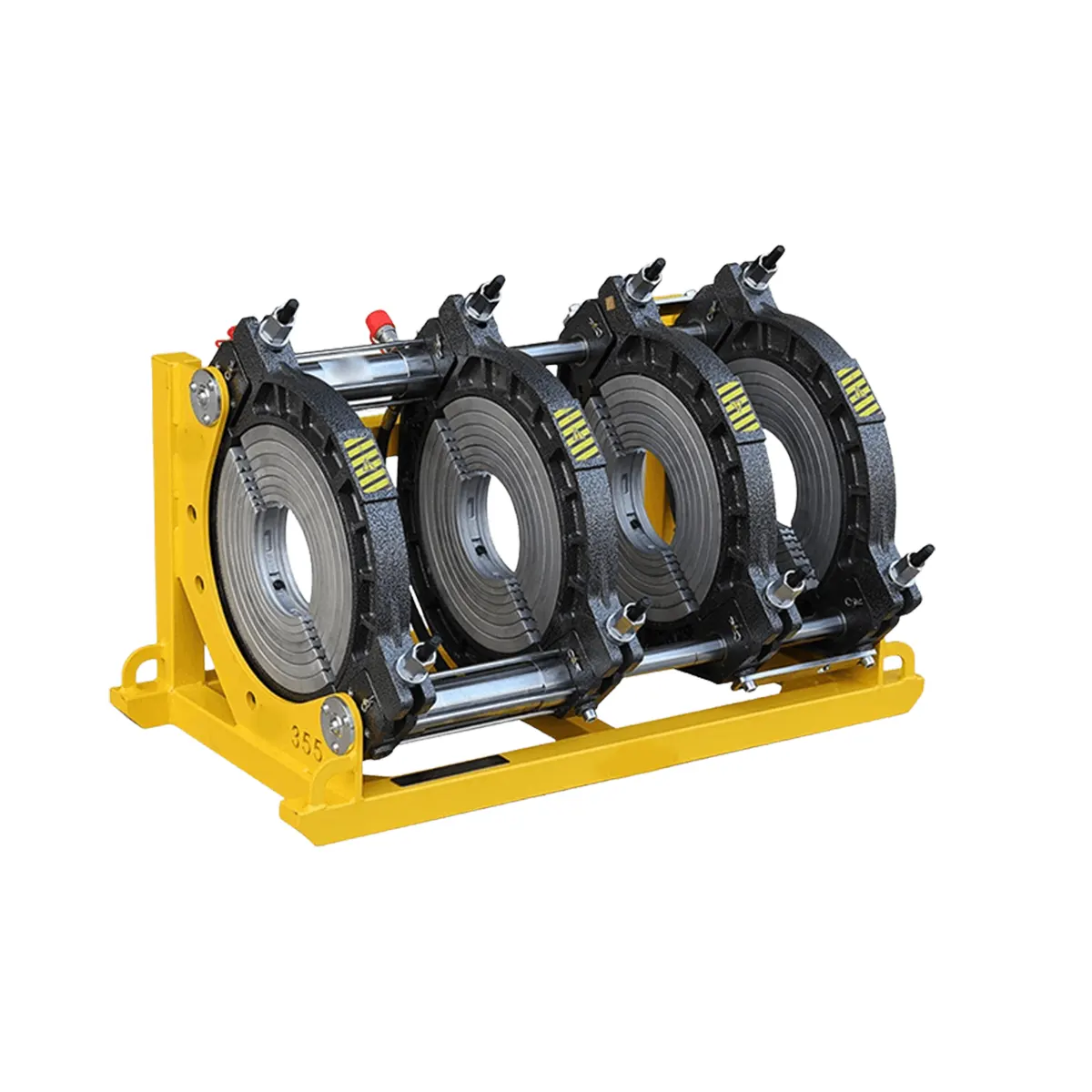
1. Daily Cleaning and Debris Removal
Construction sites expose machinery to dirt, mud, and plastic shavings. A clean machine is the first line of defense against premature wear.
- Frame and Guide Rails: Wipe down the main frame daily to remove polyethylene shavings. Accumulated debris can misalign the clamps, directly affecting butt fusion alignment.
- Clamp Inserts: Ensure the inner surfaces of the clamps are free from melted plastic residue. Using a non-metallic scraper prevents damage to the non-stick coating.
1.1 The Hydraulic Unit
The hydraulic power pack requires specific attention. Check for oil leaks at the fittings and quick couplers before each shift. Contaminated hydraulic fluid is a major cause of valve failure in hydraulic fusion systems. Always wipe down connectors before attaching hoses to prevent grit from entering the circuit.
2. Critical Component Inspections
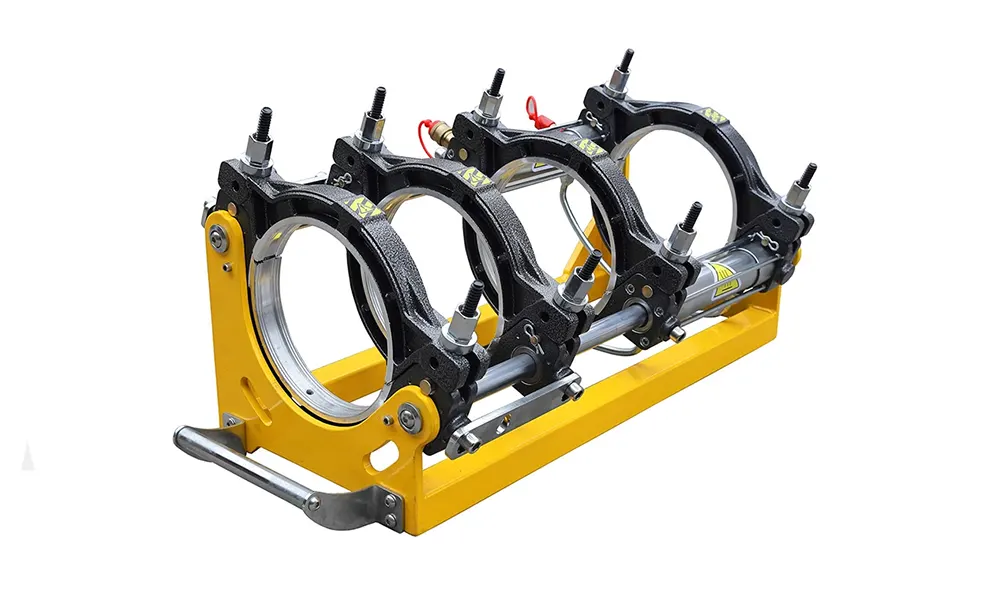
A systematic inspection of the core components ensures your machine meets the PE butt fusion equipment standard. The heating plate, planer, and jaws form the backbone of the welding process.
| Component | Maintenance Task | Frequency |
|---|---|---|
| Heating Plate | Check non-stick coating integrity; verify surface temperature uniformity with a pyrometer. | Daily / Every Joint |
| Planing Tool | Sharpen or replace blades; ensure safety micro-switch functions correctly. | Weekly |
| Jaws & Carriages | Inspect for pipe slippage; lubricate guide rods with dry silicone spray. | Weekly |
2.1 Heating Plate Care
The non-stick coating on the heating plate is critical for preventing pipe material adhesion. Never use abrasive pads or steel brushes. If the PTFE coating shows peeling or severe discoloration, it is time for a replacement to avoid weld contamination. According to the PPI butt fusion procedure, a stable and correctly set temperature is non-negotiable for joint integrity.
3. Trimmer and Milling Cutter Maintenance
Dull planing blades create rough faces, leading to improper heat soak and weak fusion joints. The trimmer must produce continuous, thin ribbons from both pipe ends simultaneously.
- Blade Sharpness: Check the ribbon thickness. Thick or discontinuous shavings indicate blunt blades that increase friction drag.
- Locking Mechanism: Ensure the planer locks securely to the frame during the facing process to avoid uneven faces.
4. Lubrication and Electrical Safety
Proper lubrication reduces mechanical resistance, while electrical integrity ensures operator safety and precise control.
4.1 Mechanical Lubrication Points
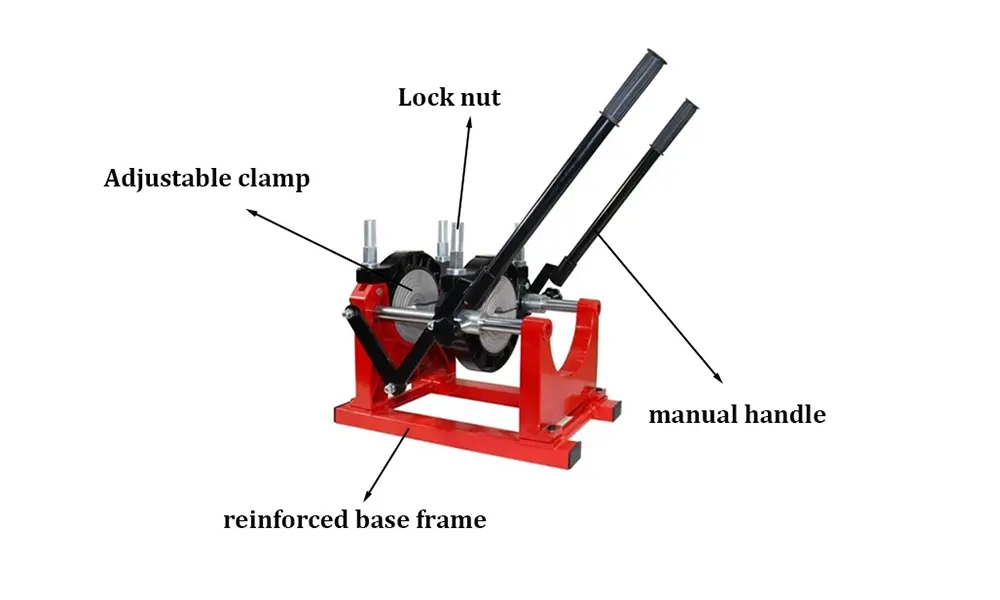
Although many newer manual butt fusion machines feature self-lubricating bushings, the guide rods and pressure adjustment screws still benefit from periodic application of a dry film lubricant. This prevents binding under heavy loads and resists dust adhesion better than grease.
4.2 Circuit and Control Box Checks
For CNC automatic butt fusion machines, inspect the wiring harness for cuts or abrasions. Store the control box in a dry, shock-protected case. Moisture can corrode the motherboard connections, leading to inaccurate data logging and control faults.
5. Scheduled Maintenance and Operator Qualification
While daily care handles surface issues, a structured schedule ensures deep mechanical health. Operators should receive PE fusion operator qualification to identify early warning signs before breakdowns occur.
- Monthly: Torque check all fasteners on the frame and clamp assemblies.
- Quarterly: Drain and replace hydraulic oil using recommended viscosity grades.
- Annually: Complete calibration of pressure transducers and temperature controllers.
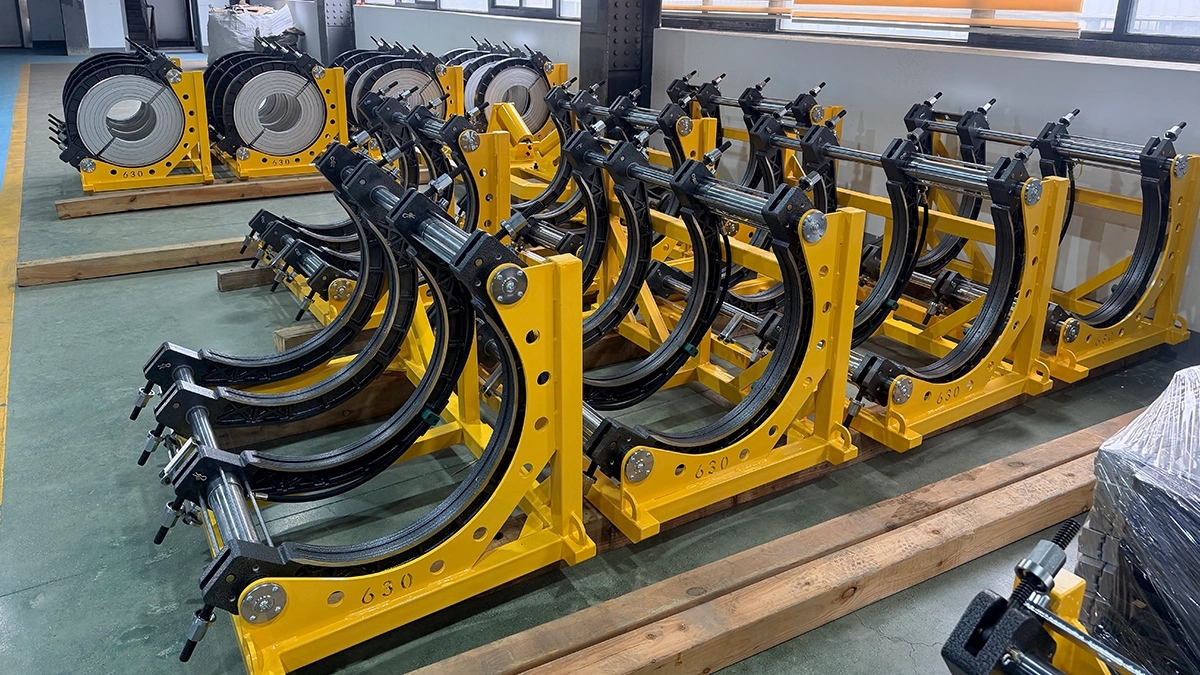
JQ-Fusion, a professional manufacturer specializing in HDPE pipe welding machines, designs equipment with durability in mind. However, the reliability of these butt fusion solutions in the field ultimately depends on the operator’s commitment to these maintenance protocols. Adhering to these steps guarantees stable heating and precise alignment for every project.
6. Troubleshooting Common Issues
Even with rigorous maintenance, operators may encounter anomalies. Recognizing the root cause prevents repetitive mistakes and protects the pipe fusion machine.
- Issue: Pipe Slippage in Clamps. Check for worn clamp inserts or insufficient hydraulic clamping pressure. Never weld oily pipe ends.
- Issue: Inconsistent Bead Size. Verify the planer lockout is engaged and check if the drag pressure exceeds specifications.
- Issue: Temperature Overshoot. The thermocouple might be fouled or the PID parameters need recalibration.
7. Keeping Maintenance Logs
Documenting maintenance is as important as the tasks themselves. In regulated gas distribution and water supply projects, traceability is mandatory. These records demonstrate compliance with ISO 21307 butt fusion procedures and other industry standards.
Keep a physical or digital logbook that tracks:
- Date and hours of operation.
- Replacement of wear parts such as heater coatings and planer blades.
- Repair histories and calibration certificates.
Consistent HDPE pipe welding machine maintenance is an investment, not an expense. It minimizes project risks and extends the interval between major overhauls. By following these essential tips, you safeguard your equipment’s performance for years of reliable service.



