
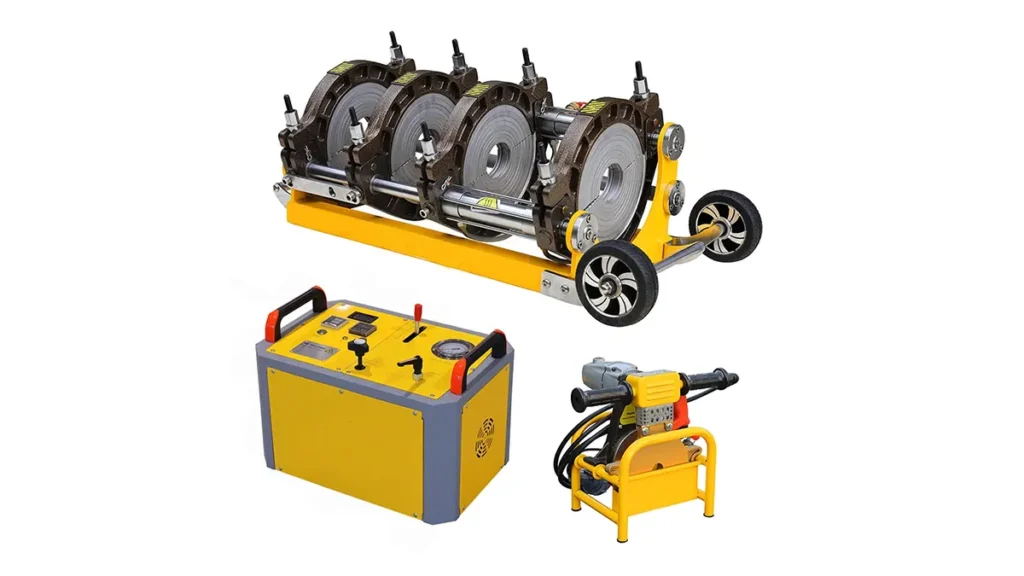
Selecting the right pipe fusion machine for water supply systems is a critical decision for contractors, municipal engineers, and pipeline installers. A high-quality fusion machine ensures leak-free joints, long-term durability, and compliance with international standards. This guide explores the main types of butt fusion and electrofusion equipment, highlights key benefits, and provides practical advice to help you choose the best machine for your water infrastructure projects.
Main Types of Pipe Fusion Machines for Water Supply
Modern water supply networks rely on ISO 21307 butt fusion procedures to create permanent, monolithic joints in polyethylene (PE) piping systems. Depending on pipe diameter, job site conditions, and required automation level, different machine categories are available.
Manual Butt Fusion Welding Machines
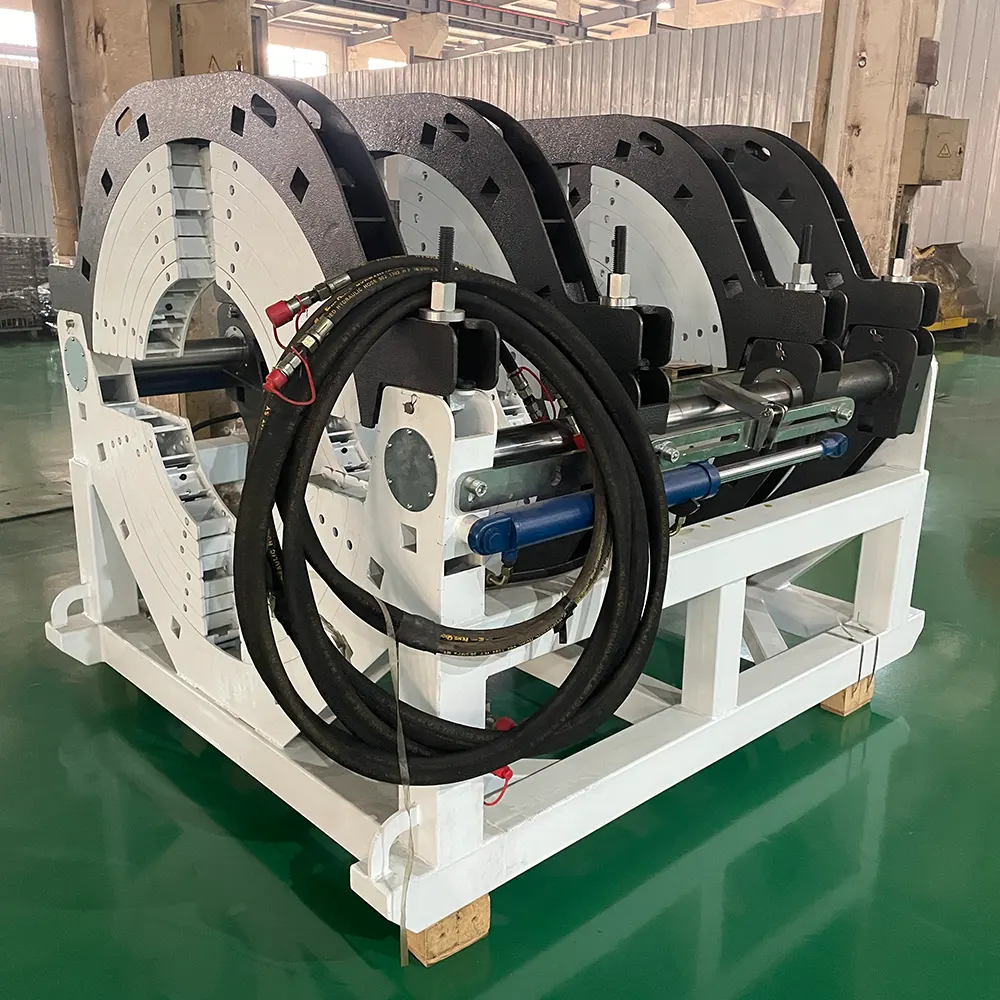
Manual machines are widely used for small to medium diameter pipes, typically ranging from 40 mm to 315 mm. They require the operator to control the clamping, facing, heating, and fusion pressure manually. These machines are popular for rural water supply projects and repair work because of their portability and lower cost. Following PPI butt fusion procedure guidelines ensures consistent joint quality even with manual equipment.
Hydraulic Butt Fusion Welding Machines
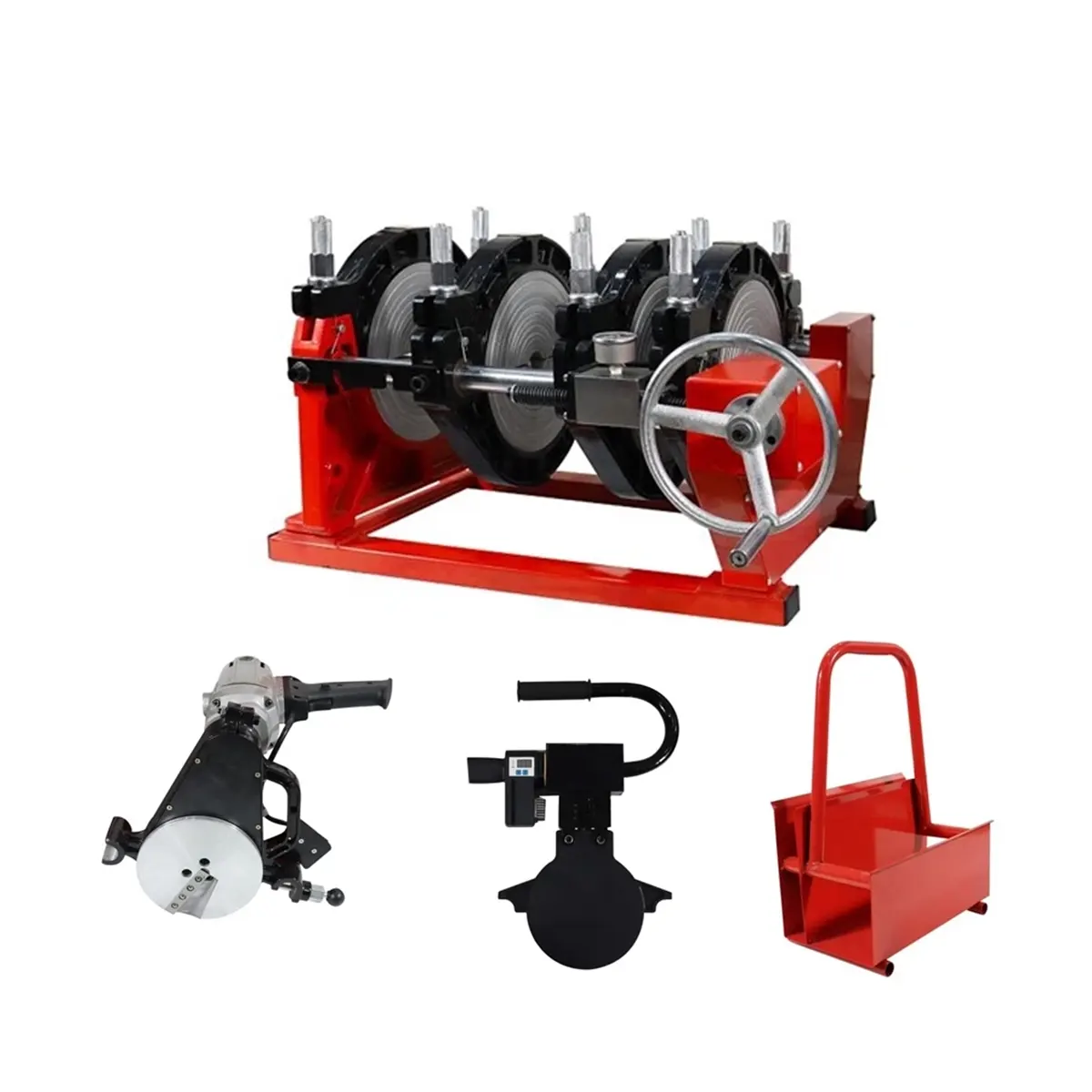
For larger diameters — from 200 mm up to 2250 mm or more — hydraulic machines are essential. They use hydraulic power to generate the high clamping and fusion forces required by thick-walled pipes used in main water transmission lines. These machines reduce operator fatigue and deliver precise force control, which directly contributes to better what is HDPE butt fusion quality on critical pressure pipelines.
CNC Automatic Butt Fusion Welding Machines
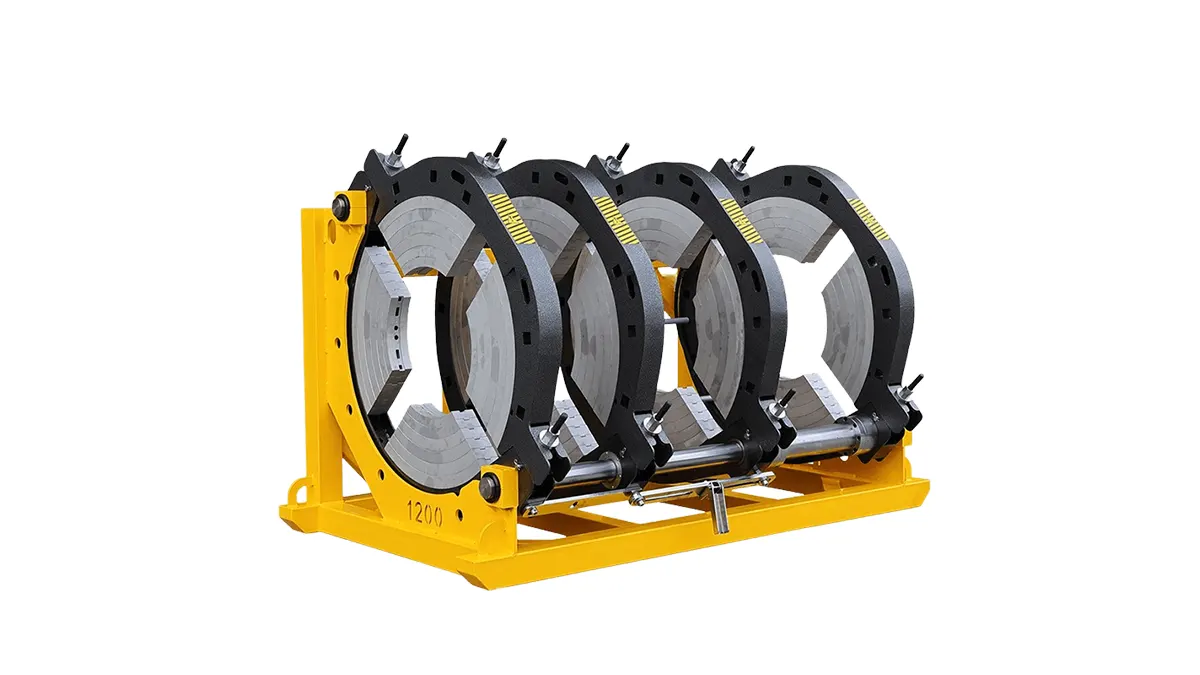
Automatic machines feature programmable logic controllers (PLCs) that monitor and adjust every phase of the fusion cycle — from heating time and temperature to hydraulic pressure and cooling duration. They are ideal for urban water supply projects where traceability, repeatability, and compliance with ASTM F2620 heat fusion standards are required. Data logging capabilities allow supervisors to review each joint’s parameters for quality assurance.
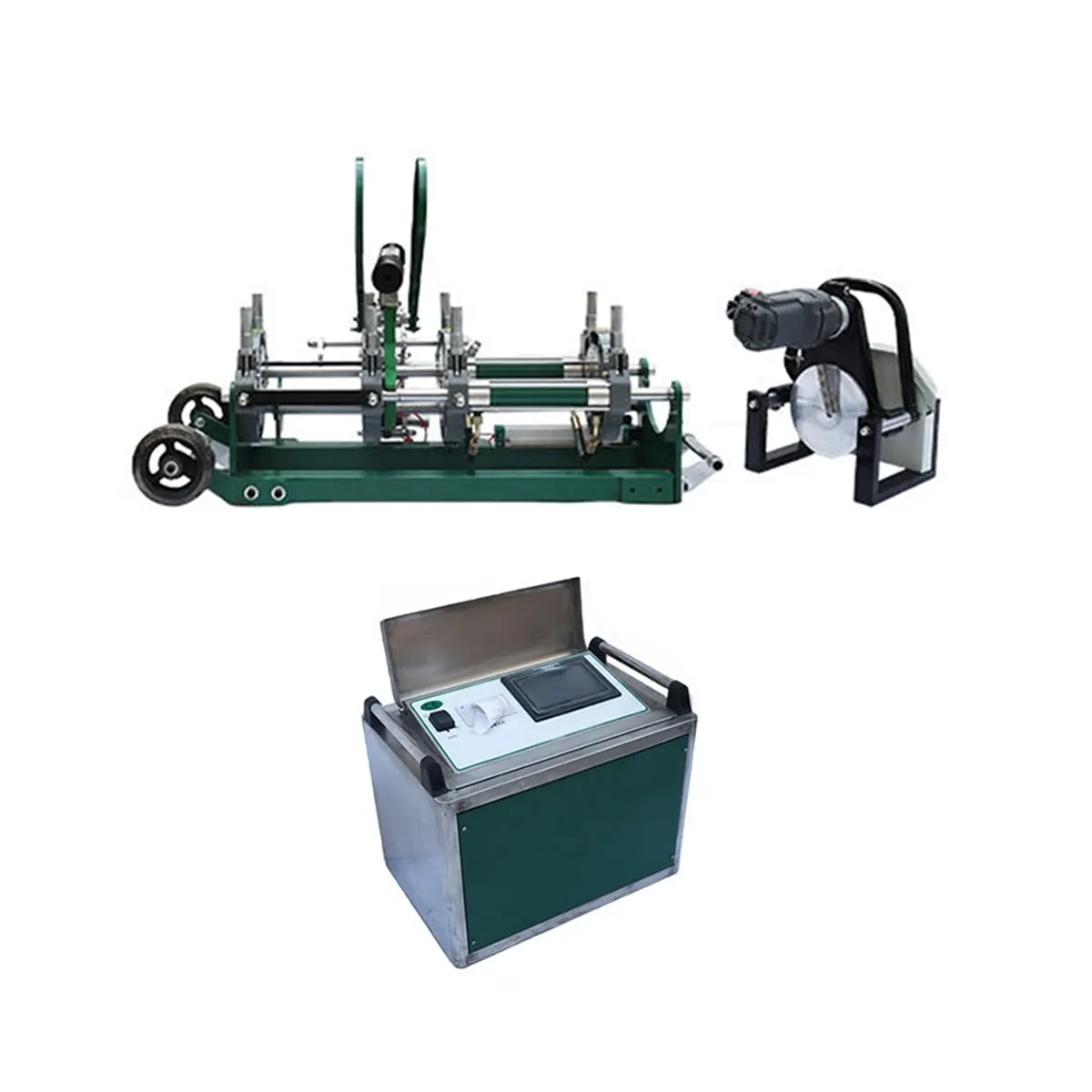
Electrofusion Machines
Electrofusion is a complementary method where special fittings with embedded heating coils melt the pipe surface. Electrofusion machines control voltage, current, and fusion time based on fitting-specific barcodes or manual inputs. This technique is particularly useful for small-diameter connections, repair operations, and confined working spaces. The process aligns with PE electrofusion equipment standard requirements for reliable service connections.
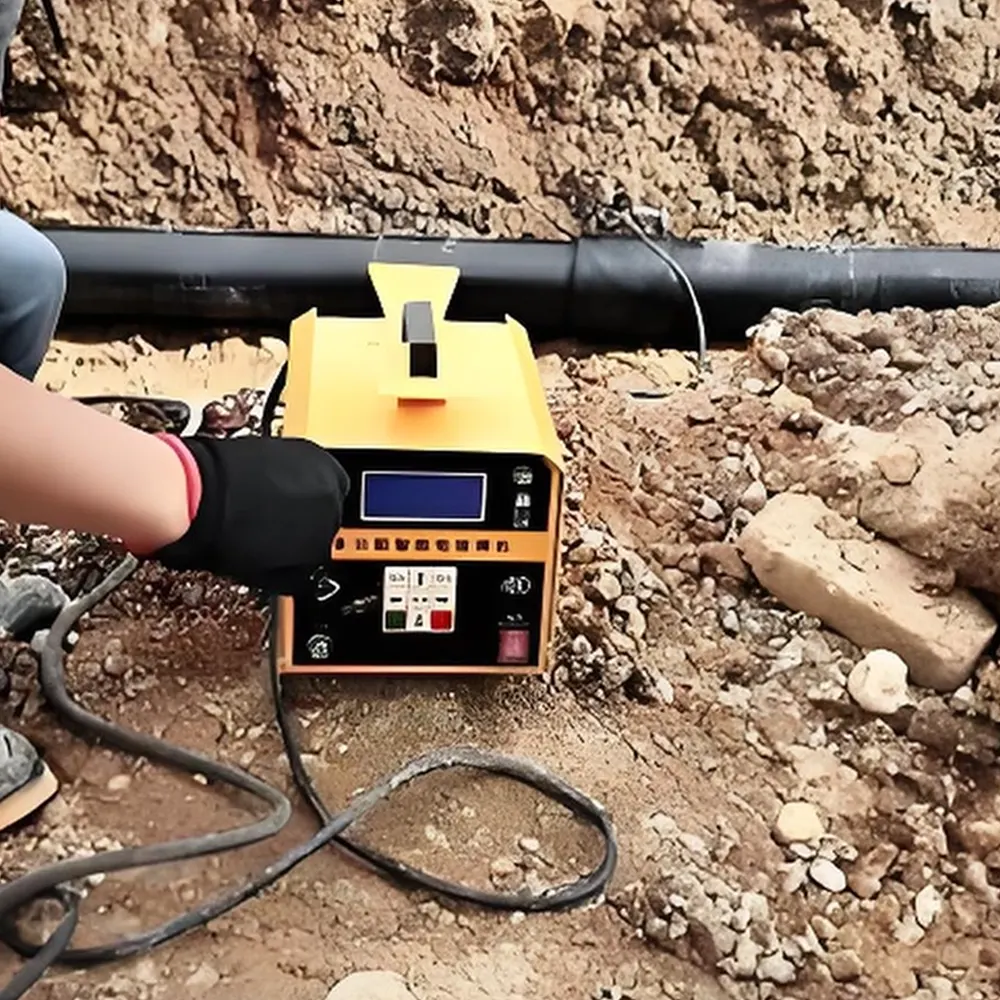
Key Benefits of Using Proper Pipe Fusion Machines
Investing in the right pipe fusion machine for water supply applications delivers measurable advantages throughout the pipeline lifecycle.
- Leak-Free Joint Integrity — Correctly fused joints create a homogeneous bond that is as strong as the pipe itself, eliminating leakage risks in potable water networks.
- Long Service Life — Fusion-welded PE pipes resist corrosion, chemical attack, and environmental stress cracking, typically exceeding 50 years of service when installed with proper PE butt fusion equipment standard compliance.
- Reduced Maintenance Costs — Monolithic fusion joints require no gaskets, bolts, or mechanical couplers that can deteriorate over time.
- Installation Efficiency — Modern automatic and hydraulic machines significantly speed up large-diameter pipe joining, reducing labor hours and project timelines.
- Traceability and Compliance — Advanced machines record welding data, helping utilities meet regulatory requirements and maintain quality records for decades.
How to Choose the Right Machine: A Practical Buying Guide
Before purchasing a pipe fusion machine for water supply projects, evaluate these critical factors to match the equipment to your specific needs.
| Selection Factor | Key Considerations | Recommended Machine Type |
|---|---|---|
| Pipe Diameter Range | Determine the minimum and maximum outside diameter you need to fuse regularly. | Manual (up to 315 mm), Hydraulic (200–2250 mm), Automatic (160–630 mm) |
| Pressure Rating (PN) | Higher PN ratings require machines with adequate clamping and fusion force capacity. | Hydraulic or heavy-duty automatic machines |
| Worksite Conditions | Consider terrain, weather exposure, and space constraints. | Manual for remote areas; compact automatic for trenches |
| Operator Skill Level | Less experienced crews benefit from automated controls and guidance systems. | CNC automatic with data recording |
| Data Logging Needs | Projects requiring traceability need machines with memory storage and USB export. | CNC automatic or advanced hydraulic models |
| Portability Requirements | Frequent movement between job sites demands lighter weight and integrated trolleys. | Manual or compact hydraulic with wheels |
Essential Features to Look For
When comparing different models of pipe fusion machine for water supply applications, pay attention to these technical features that directly impact welding quality and operational efficiency.
- Heating Plate Temperature Control — Look for digital temperature displays with accuracy within ±5°C. Uniform heat distribution across the entire plate surface is essential for consistent fusion results.
- Clamp Alignment and Jaw Design — Precision-machined clamps and removable inserts ensure proper pipe ovality correction and axial alignment. Aluminum clamps are lighter while steel options offer higher durability.
- Facing Tool Quality — Sharp, properly maintained trimmers produce smooth, square pipe ends necessary for quality butt fusion. Double-sided blades extend working life between sharpening intervals.
- Hydraulic Power Unit Performance — For hydraulic machines, check the pump capacity, pressure gauge range, and relief valve responsiveness to ensure smooth force application during the heating and fusion phases.
- Control System and Data Export — Automatic machines should offer intuitive interfaces, multilingual menus, and easy transfer of weld reports for project documentation.
Standards and Certifications to Verify
Compliance with international standards ensures that your equipment meets the requirements for safe and durable water supply pipeline construction. Before finalizing a purchase, verify that the machine manufacturer adheres to relevant specifications.
| Standard | Scope and Application |
|---|---|
| ISO 21307 | Defines butt fusion jointing procedures for PE piping systems, including single low-pressure, dual low-pressure, and single high-pressure methods. |
| ISO 12176-1 | Specifies requirements for equipment used in polyethylene butt fusion jointing. |
| ASTM F2620 | Covers heat fusion joining procedures for PE pipe and fittings in the United States and other markets. |
| ISO 4427 Series | Establishes requirements for PE pipes and fittings specifically for water supply applications. |
Why Choose a Reliable Manufacturer for Your Fusion Equipment
The quality of your pipe fusion machine for water supply directly affects project outcomes. JQ-Fusion is a professional manufacturer specializing in HDPE pipe welding machines, providing reliable butt fusion solutions for global infrastructure projects. With years of industry experience, the company focuses on the development and production of manual, hydraulic, and CNC automatic butt fusion welding machines, covering a wide range of pipe sizes from small to large diameters. Their products are widely used in water supply, gas distribution, mining, and industrial pipeline systems.
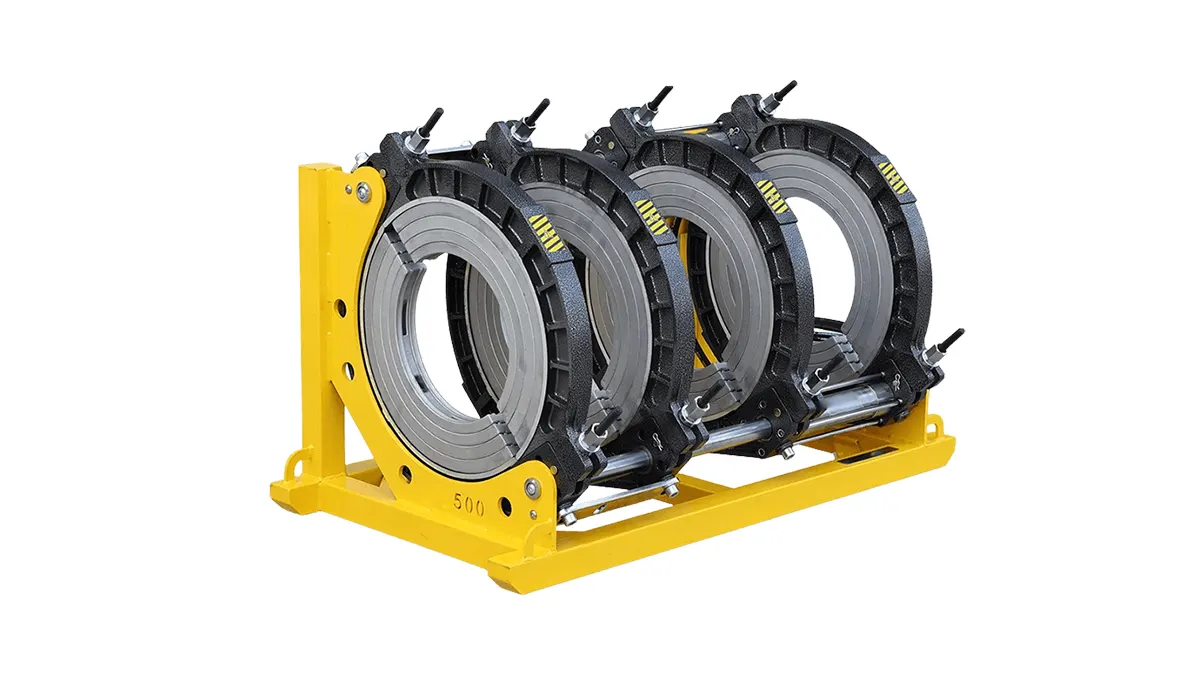
Working with an experienced manufacturer ensures access to proper technical support, genuine spare parts, and application-specific customization. Whether you need a compact manual machine for rural water networks or a fully automatic CNC automatic butt fusion welding machine for urban infrastructure, selecting the right partner simplifies maintenance and training while keeping your projects on schedule.
Maintenance and Operator Training Considerations
Even the best pipe fusion machine for water supply requires regular maintenance and skilled operation to deliver consistent results. Implement these practices for optimal performance:
- Daily Inspection Routine — Check heating plate surfaces for polymer residue, verify temperature calibration, and inspect hydraulic hoses and electrical cables for damage before each shift.
- Periodic Calibration — Pressure gauges, temperature sensors, and timers should be verified against reference standards at least annually or according to the manufacturer’s recommendations.
- Operator Qualification — Personnel should be trained and certified according to relevant programs. Many utilities require documented competency in both butt fusion and electrofusion techniques.
- Spare Parts Availability — Maintain a stock of critical consumables including trimmer blades, heating plate non-stick coatings, and clamp inserts to minimize downtime.
Final Thoughts on Selecting Your Pipe Fusion Machine
Choosing the correct pipe fusion machine for water supply projects involves balancing technical requirements, budget constraints, and job site realities. Manual machines serve well for smaller diameters and remote locations, hydraulic machines excel in large-diameter mainline construction, and automatic models provide the traceability and repeatability that modern water utilities demand. By focusing on standards compliance, build quality, and after-sales support, you can invest in equipment that delivers safe, leak-free drinking water infrastructure for decades to come.
For more detailed product specifications or to discuss your specific water supply project requirements, explore available options and consult with experienced suppliers who can provide tailored recommendations backed by solid engineering support.



