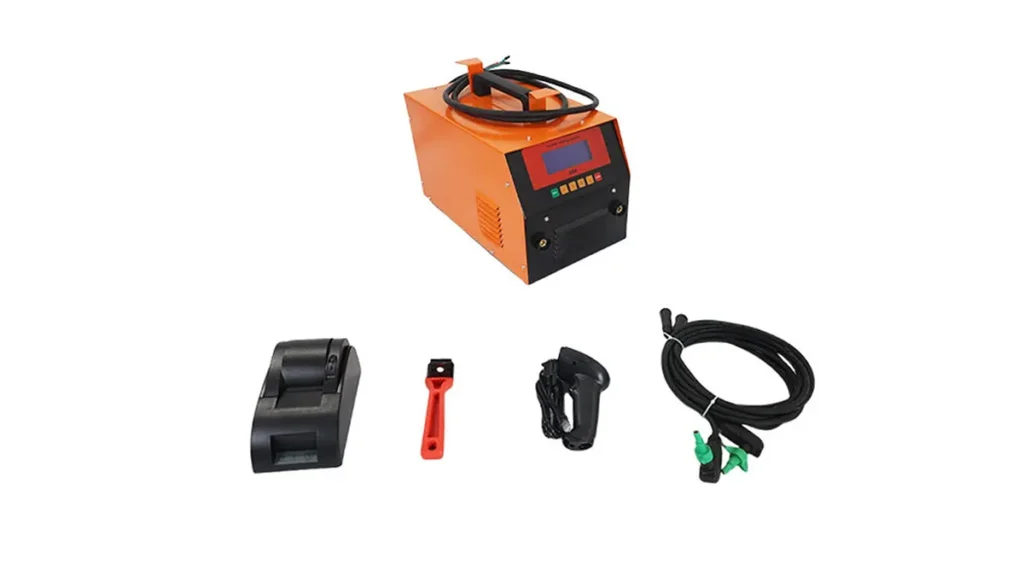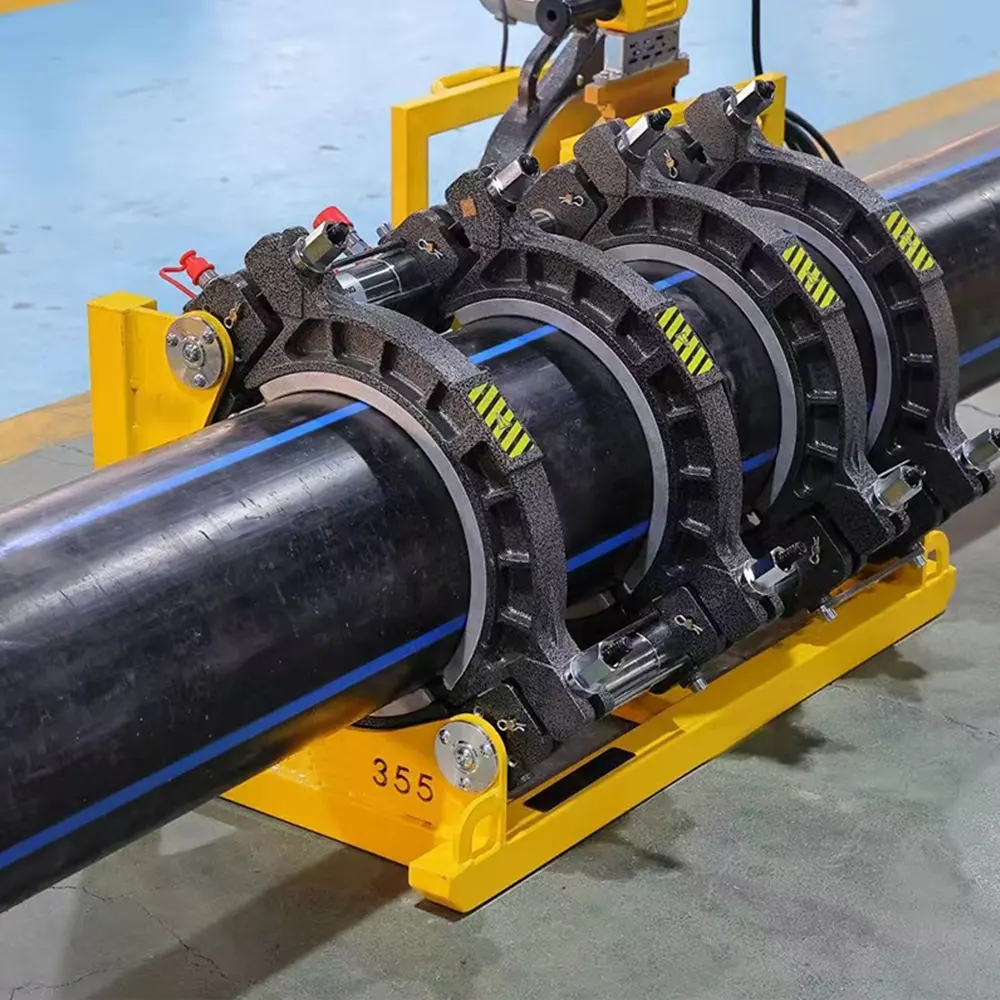
An electrofusion machine is a critical investment for any contractor working with polyethylene (PE) piping systems. Without a structured electrofusion machine maintenance guide, operators risk inaccurate fusion parameters, costly downtime, and potential joint failures in the field. Whether you are managing water supply networks or gas distribution pipelines, consistent performance relies entirely on how well you maintain your equipment. This guide outlines the essential tasks needed to keep your electrofusion machine in peak working condition throughout the project lifecycle.
Why Routine Maintenance Dictates Joint Integrity
Electrofusion joints depend on precise application of voltage and time. Any deviation caused by dirty contacts, worn cables, or faulty control boards can produce cold fusion or overheating. Following a clear electrofusion machine maintenance guide prevents these issues by ensuring the output consistently matches the parameters defined by standards such as PE electrofusion equipment standard requirements. Operators who integrate a maintenance routine into their daily workflow typically see a noticeable reduction in failed joints and rework costs.
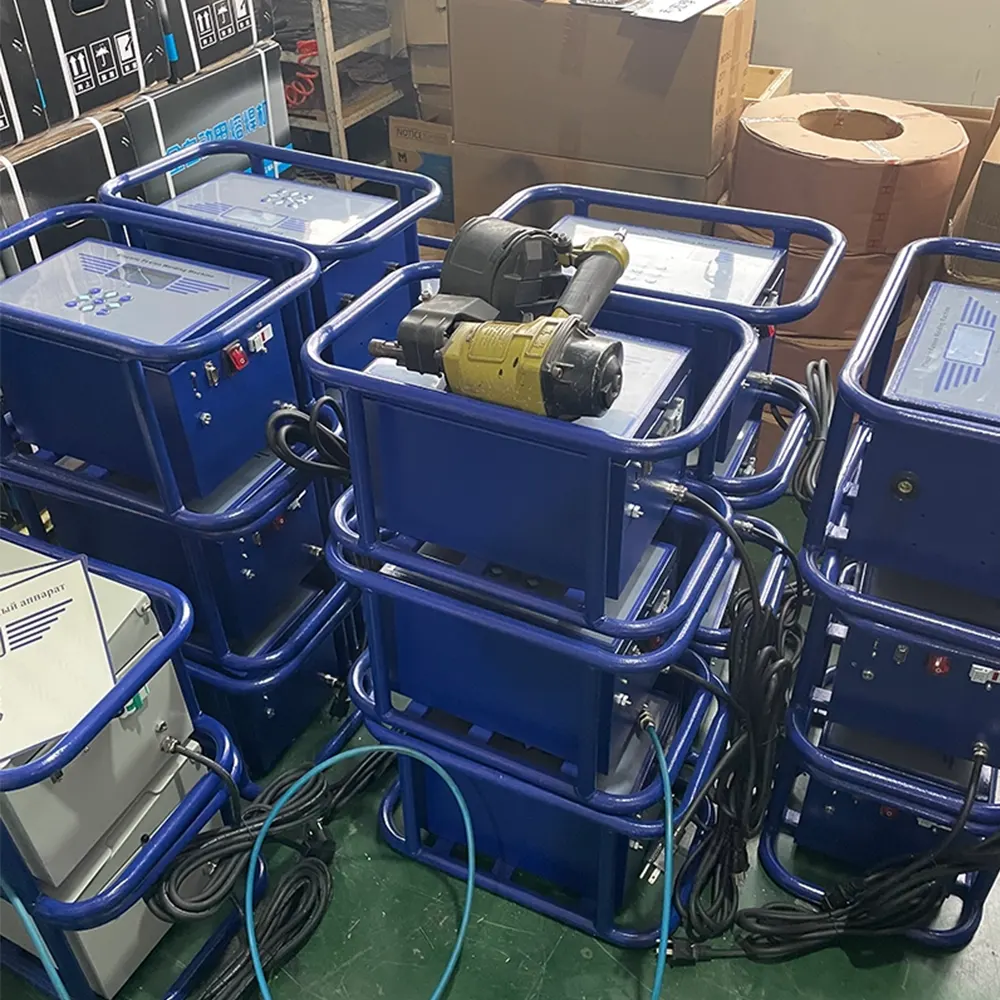
Daily Inspection Practices for Field Reliability
Start every workday with a systematic visual and functional check. This habit catches small problems before they escalate into equipment failure. The most productive crews follow the ASTM F1290 electrofusion practice recommendations and incorporate these steps every morning.
- Inspect connector pins: Look for signs of arcing, pitting, or discoloration on the output terminals. Damaged pins cause inconsistent electrical resistance.
- Check the display screen: Verify that the screen responds correctly and shows no error codes. A faulty display can hide critical diagnostic information.
- Examine cables and adapters: Run your hand along the full length of each cable, feeling for cuts, exposed wire, or softening of the insulation jacket.
- Clean the cooling vents: Dust accumulation inside ventilation slots restricts airflow, forcing internal electronics to operate at higher than intended temperatures.
Deep Cleaning the Machine Components
Field environments are naturally dirty, but allowing mud, pipe scrapings, and moisture to embed within the machine body accelerates corrosion. A thorough cleaning cycle should be scheduled based on the intensity of use, typically at least once every week of active operation. Pay particular attention to the data port and fuse compartments. Use non-conductive cleaning solutions and avoid spraying liquids directly onto the control panel. The goal of any reliable electrofusion machine maintenance guide is to prevent metallic dust or debris from bridging electrical circuits during the heating cycle.
Internal Circuitry and Software Verification
Modern machines incorporate sophisticated software to regulate the welding sequence. Software integrity is just as important as hardware cleanliness. Manufacturers periodically release firmware updates that refine fusion algorithms or add compatibility with newer fitting barcodes. Always reference the PPI electrofusion guide when updating machine settings. Document the firmware version in your logbook, and verify the machine’s internal clock and data logging functions remain accurate, as these are essential for traceability reporting.
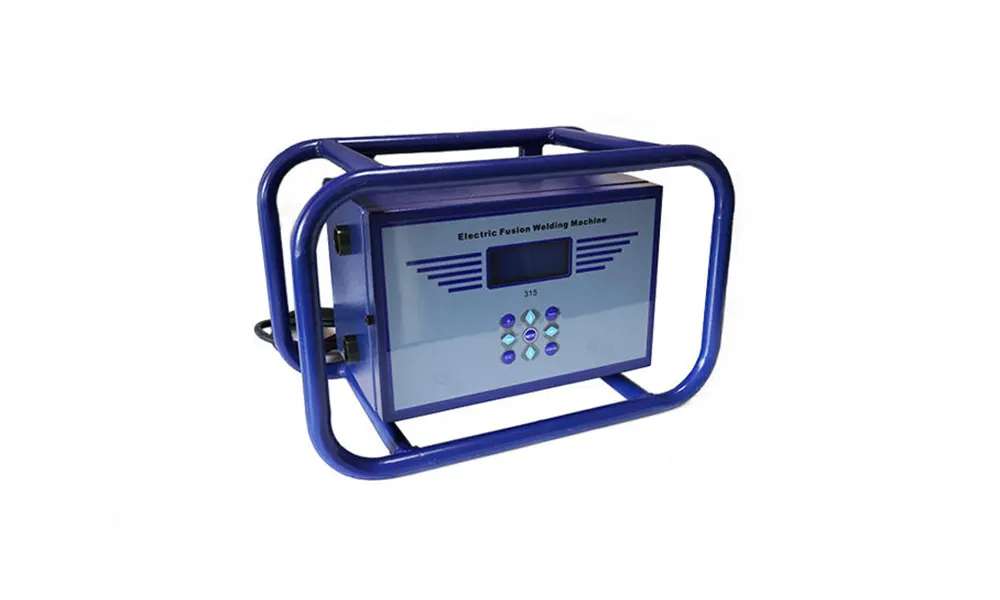
Calibration and Performance Auditing
Annual calibration is not optional for professional contractors. Over time, the output voltage and resistance measurement circuits can drift, producing values that differ from the displayed readings. A machine that claims to output 40 volts but actually delivers 38 volts will compromise the what is PE electrofusion process, leading to inadequate heating. Schedule calibration with an accredited service center that can provide traceable certificates. Between calibrations, use a field verification box to quickly confirm that the machine measures resistance within the expected tolerance range.
Optimal Storage and Transportation Protocols
How you store the machine between shifts directly affects its longevity. The main threats are moisture intrusion and physical impact during transport.
- Always transport the unit in its dedicated protective case with foam inserts that immobilize it during vehicle movement.
- Store the machine in a dry, temperature-controlled environment when not in use; avoid leaving it in a cold truck bed overnight where condensation can form inside the housing.
- Remove the power source and store batteries separately according to the manufacturer’s charging guidelines.
Maintenance Schedule Overview
Establishing a fixed schedule transforms maintenance from a reactive chore into a predictable habit. The table below outlines a practical frequency framework suitable for most contracting operations, aligning with general industry expectations for electrofusion equipment care.
| Maintenance Task | Recommended Frequency | Key Check Point |
|---|---|---|
| Connector pin inspection | Daily before first use | Clean and replace if pitted |
| Cable continuity test | Weekly | Check for intermittent breaks |
| Full calibration | Annually | Certified service center verification |
| Firmware and software update | As released by manufacturer | Review release notes before updating |
| Internal cleaning of electronics bay | Every 500 fusion cycles or monthly | Remove dust with low-pressure air |
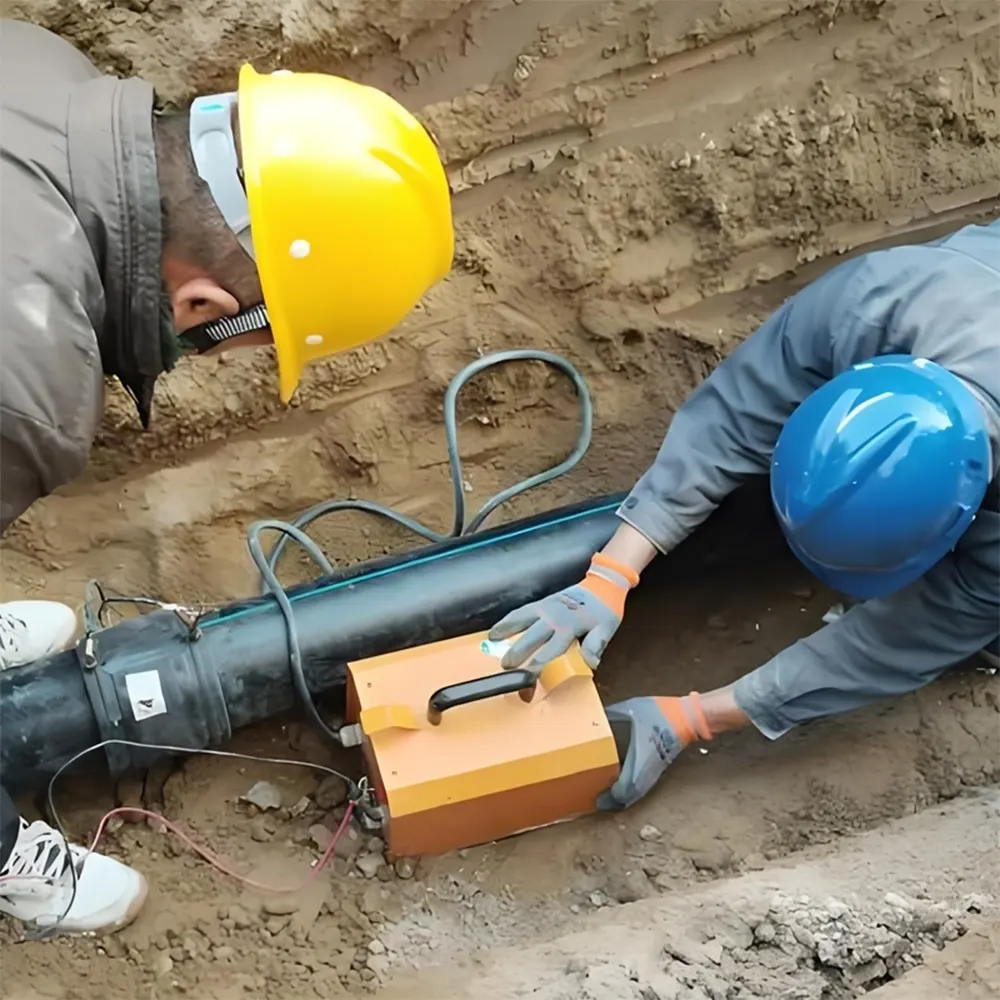
Troubleshooting Common Issues Before Calling a Technician
Many technical support calls originate from issues that can be resolved in the field. Before assuming the machine needs repair, run through this structured checklist. Verify that the generator provides stable input voltage within the machine’s specified range, as fluctuating power is the root cause of many error codes. Confirm that the fitting barcode or manual entry parameters are correct and match the fitting manufacturer’s specification. Check that all adapter plugs seat fully and that no foreign material is present in the terminal sockets. If the display remains unresponsive, test with an alternative power source to rule out a dead battery or failed charger.
Record Keeping and Traceability Benefits
A detailed maintenance log is an excellent asset when demonstrating compliance with project specifications. Recording every calibration date, repair, and software update builds a verifiable history for each machine. This documentation becomes particularly valuable during audits where inspectors want to confirm that fusion equipment was properly maintained. JQ-Fusion provides comprehensive support documentation to help operators build robust record-keeping habits that align with the expectations of a thorough electrofusion machine maintenance guide.
Extending Machine Service Life Through Proactive Replacement
Certain parts are expected to wear over time and are classified as consumables. Proactively replacing these items on a schedule prevents unexpected stoppages during projects. The list below identifies the most common wear parts found on electrofusion machines used in demanding environments.
- Output connectors and adapters: These experience mechanical stress with every connection cycle and should be replaced at the first sign of looseness or visual wear.
- Cooling fans: Bearing noise or reduced airflow indicates a failing fan that should be swapped before the machine overheats during a long fusion cycle.
- Power input sockets: Vibration from generators gradually loosens socket contacts; inspect these monthly for heat discoloration.
- Battery packs: Rechargeable batteries have a finite cycle life; track runtime between charges and plan replacements when performance dips below 70% of original capacity.
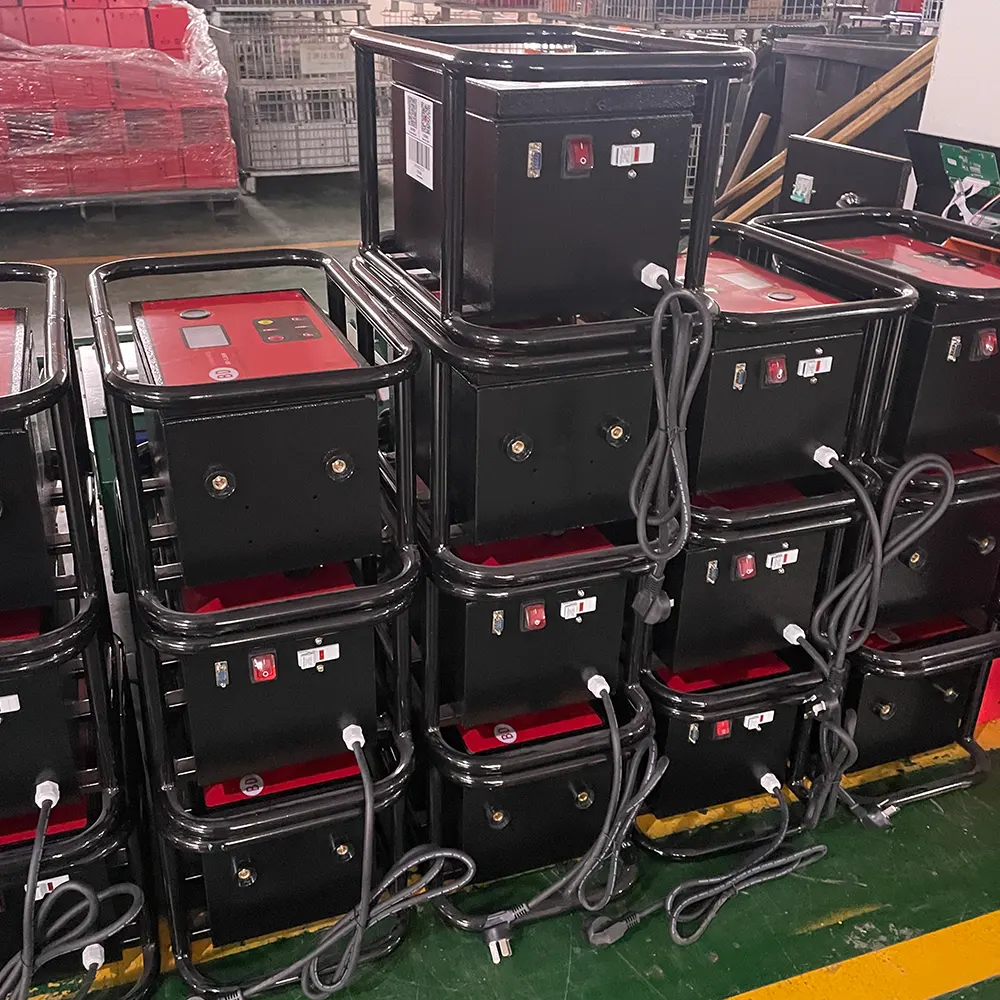
Integrating the practices in this electrofusion machine maintenance guide into your daily operations will significantly improve fusion reliability, reduce unplanned repair costs, and extend the working life of your equipment. A disciplined approach to cleaning, inspection, and scheduled calibration ensures that every fusion meets the required standards while keeping your projects on schedule.