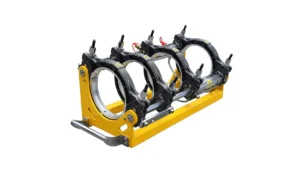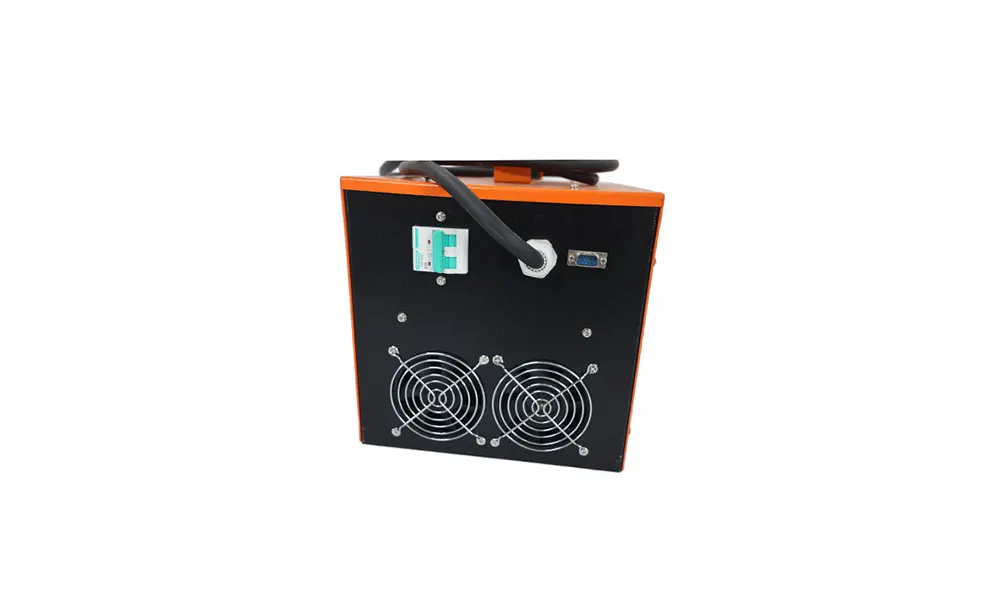
Understanding the Critical Role of Welding Time in HDPE Pipe Jointing
In the world of high-density polyethylene (HDPE) piping systems, achieving a durable, leak-free joint is entirely dependent on one factor: the HDPE pipe jointing machine welding time. Whether you’re managing a municipal water project, a gas distribution network, or industrial slurry lines, the precision of your heat fusion settings determines the long-term integrity of the pipeline. Unlike mechanical connections, butt fusion creates a monolithic bond by applying controlled heat and pressure. However, if the heating or cooling cycles are mismanaged, the result can be a weak joint prone to catastrophic failure. This guide breaks down the exact time parameters, temperature settings, and machine-specific adjustments required to achieve perfect welds every time.

Key Parameters Affecting HDPE Pipe Jointing Machine Welding Time
Calculating the correct HDPE pipe jointing machine welding time is not a guessing game. It relies on a sophisticated interplay of three physical variables: the pipe’s diameter, the wall thickness or Standard Dimension Ratio (SDR), and the ambient environmental conditions. A common mistake made by field crews is treating all pipes the same, which leads to either insufficient melt penetration or thermal degradation of the polymer. Modern standards, such as ISO 21307 butt fusion procedures, provide a framework for these calculations. Below is a breakdown of the primary parameters you must log before starting the machine.
- Pipe Diameter: Larger diameters require exponentially longer heat soak times to ensure the entire end surface reaches the required melt viscosity.
- Wall Thickness (SDR): Thicker walls demand extended heating phases to conduct heat through the mass of the material without scorching the surface.
- Heater Plate Temperature: The copper heater plate must be maintained at a constant surface temperature, typically between 200°C and 220°C (392°F – 428°F).
- Drag/Pressure: The force used to push the pipe against the heating plate must be strictly regulated to prevent cold spots or excessive melt beads.
Standardized Time Calculations for Butt Fusion
High-quality hydraulic butt fusion machines often remove the manual calculation burden through data-logging, but knowing the manual formula is essential for quality assurance crews. The typical heating time is calculated based on the pipe wall thickness. For standard PE100 materials, a rule of thumb is approximately 10-15 seconds per millimeter of wall thickness, though this is refined by multi-stage protocols involving bead-up pressure and heat soak pressure. Ignoring these micro-phases is a leading cause of cold fusion. Always refer to the piping manufacturer’s specific welding parameters, but use the ASTM F2620 heat fusion standard as your baseline when project specs are ambiguous.
| Pipe OD (mm) | SDR 11 Wall (mm) | Heat Soak Time (sec) | Cooling Time (min) |
|---|---|---|---|
| 110 | 10.0 | 80 – 100 | 10 – 12 |
| 200 | 18.2 | 170 – 200 | 18 – 22 |
| 315 | 28.6 | 280 – 340 | 28 – 34 |
| 450 | 40.9 | 450 – 550 | 40 – 50 |
Phase-by-Phase Breakdown of the HDPE Fusion Cycle
To master the HDPE pipe jointing machine welding time, one must understand the four distinct phases of the heat fusion cycle. The total cycle time is not just the heating duration; it encompasses alignment, heat soak, the changeover interval, and the static cooling period. Rushing the changeover—the moment when the heater plate is removed and the molten pipe ends are brought together—is the most common site error. If the changeover exceeds the material’s open time, the melted ends will cool and oxidize, preventing proper intermolecular diffusion. Let’s explore each stage in detail to ensure your protocol adheres to the PPI butt fusion procedure standards.
1. Alignment and Facing Phase
The first step is mechanical, not thermal. The pipe ends must be planed down to expose clean, virgin PE material. The facing phase must continue until a continuous shaving is produced from both pipe ends, ensuring they are perfectly parallel. Misalignment here will result in exaggerated stress concentrations later. While this phase does not count toward the thermal clock, poor alignment directly sabotages the subsequent HDPE pipe jointing machine welding time by creating uneven melting surfaces.
2. Heating and Soak Phase
This is the core of the welding time. The butt fusion machine applies initial bead-up pressure to establish full contact between the pipe ends and the heater. Once the minimum bead size is achieved, the pressure is reduced to nearly zero for the “soak” period, allowing heat to conduct deep into the pipe wall without forcing molten material out. The duration here is proportional to the wall thickness. For custom projects requiring tailored solutions, JQ-Fusion offers CNC automatic machines that calculate and execute these precise time intervals automatically, reducing human error significantly.
3. Changeover (Dwell) Phase
Changeover time is the critical stopwatch. The heater is removed, the melted faces are inspected for contamination, and the two ends are brought together. This time must be as short as possible, typically under 5-8 seconds for smaller diameters and strictly monitored for large-diameter hydraulic pipe welding machines. A prolonged changeover causes the melt surface to cool and form a skin, resulting in a weak oxidation layer at the joint interface.
4. Cooling Phase
Cooling time is arguably the most impatiently managed part of the cycle. The joint must remain under full pressure in the machine clamps until it has cooled sufficiently to regain structural rigidity. Removing the pipe early, even if the bead looks solid, leaves the crystalline structure of the HDPE unstable and vulnerable to stress cracking. Cooling time generally takes as long as, or longer than, the heating time itself.
Manual vs. Hydraulic vs. Automatic: Time Management Differences
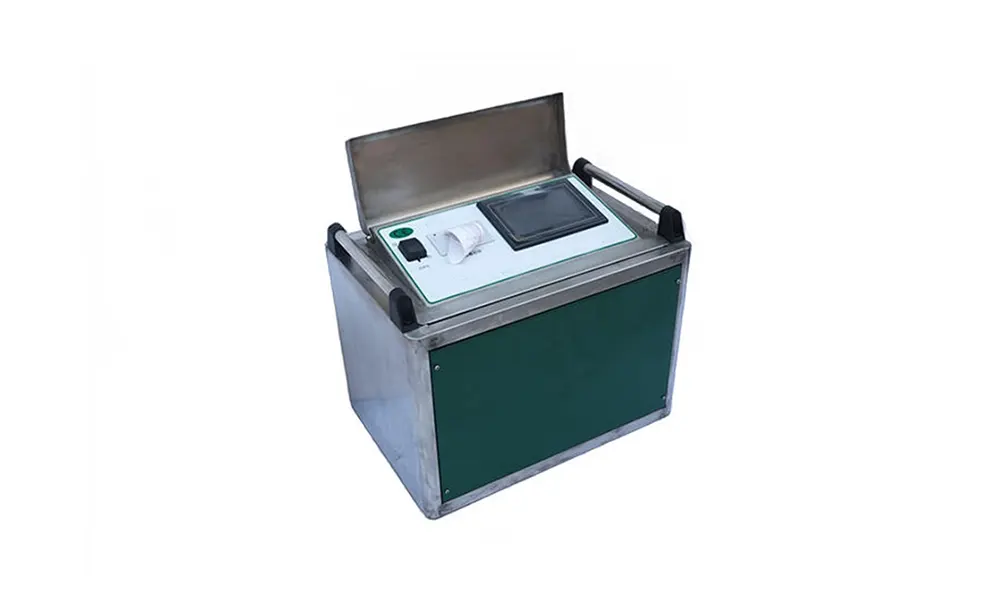
The degree of control you have over the HDPE pipe jointing machine welding time heavily depends on the type of welding machine you are using. A basic operator using a manual machine must rely entirely on their watch, experience, and the tricky feel of drag pressure. In contrast, a state-of-the-art automatic machine removes the unpredictable human element. Here is how the technology tier influences weld cycle time accuracy:
| Machine Type | Time Control Method | Risk Factor |
|---|---|---|
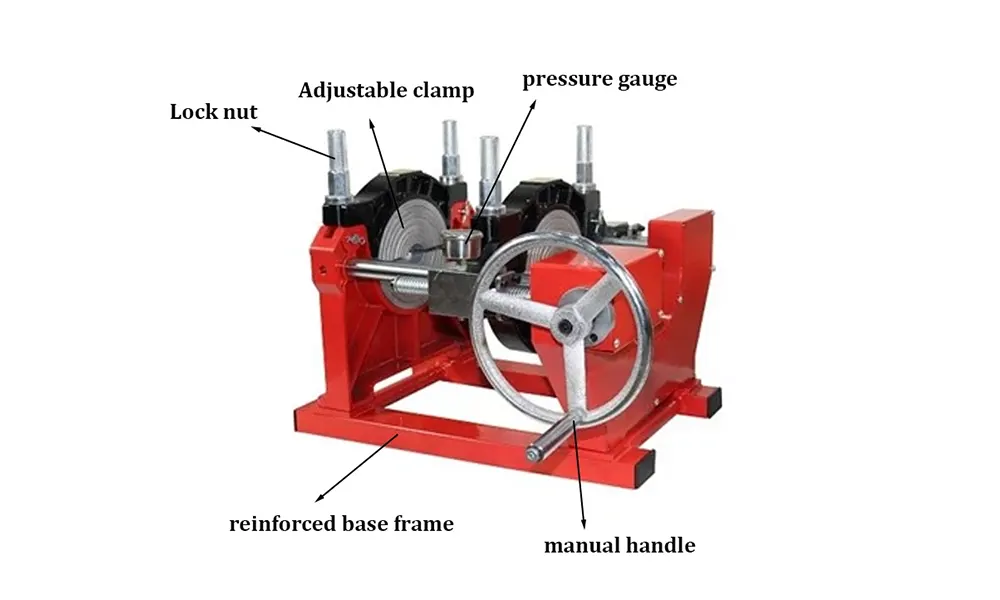
| Manual Hand-Pump | Manual stopwatch and operator judgment. | High risk of soak-time inaccuracy and cold fusion. |
| Hydraulic with Data-Logger | Digital countdown with alarms; manual pressure control. | Medium risk; dependent on operator responsiveness. |
| CNC Automatic | Fully automated PID thermal control and hydraulic servo execution. | Very low; real-time fault detection prevents errors. |
Selecting the Right Equipment for Precise Timing
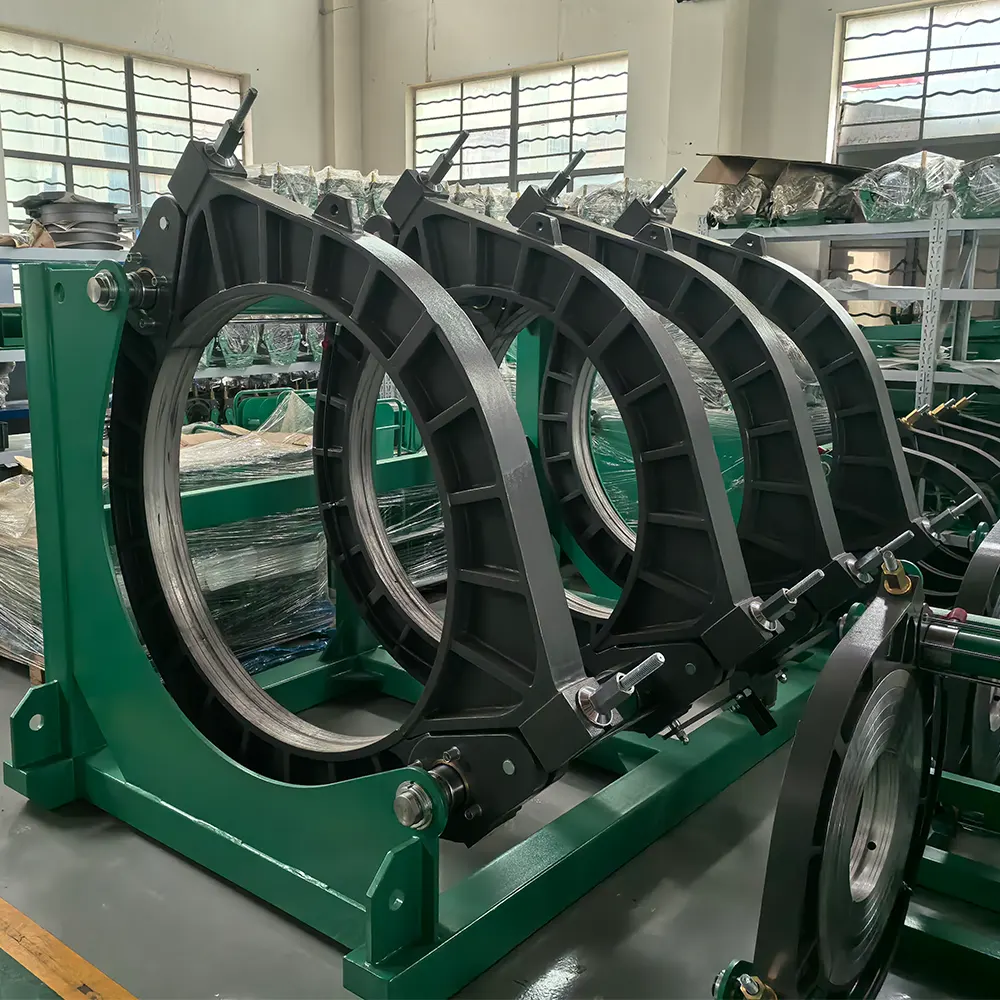
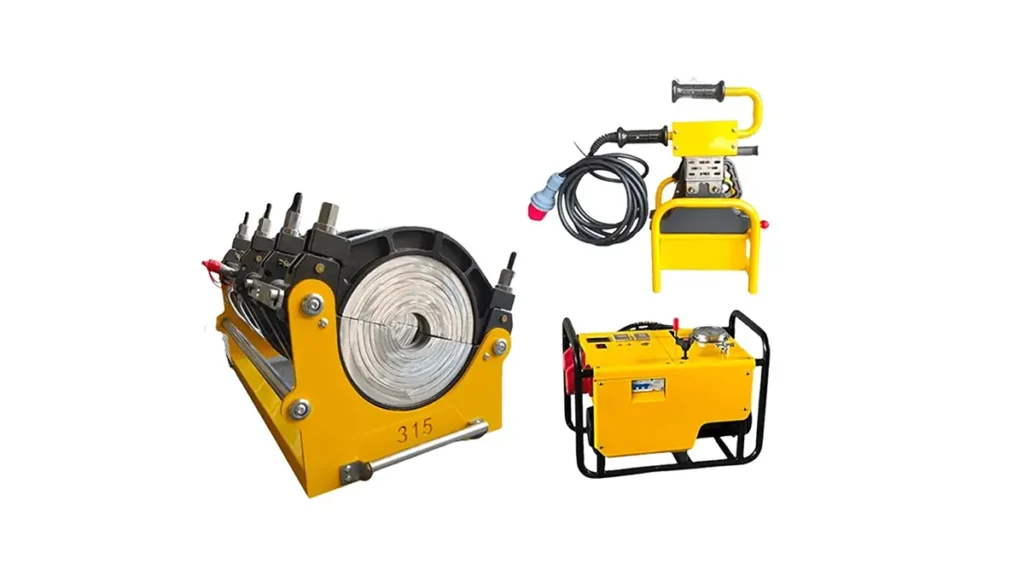
The market offers a wide range of solutions for different diameters, but the core requirement remains the same: consistent heat plate temperature and rigid clamping. Manual options are often reserved for small-diameter utility lines (up to 250mm), where the thermal inertia is low and the penalty for failure is less severe. For infrastructure-grade work, contractors turn to integrated systems. For example, a JQH2250mm Hydraulic Butt Fusion Welding Machine employs a low-friction chassis and a precision digital controller, ensuring the gap between the theoretical HDPE pipe jointing machine welding time and reality is practically zero.
Why Fittings Require Different Timing Strategies
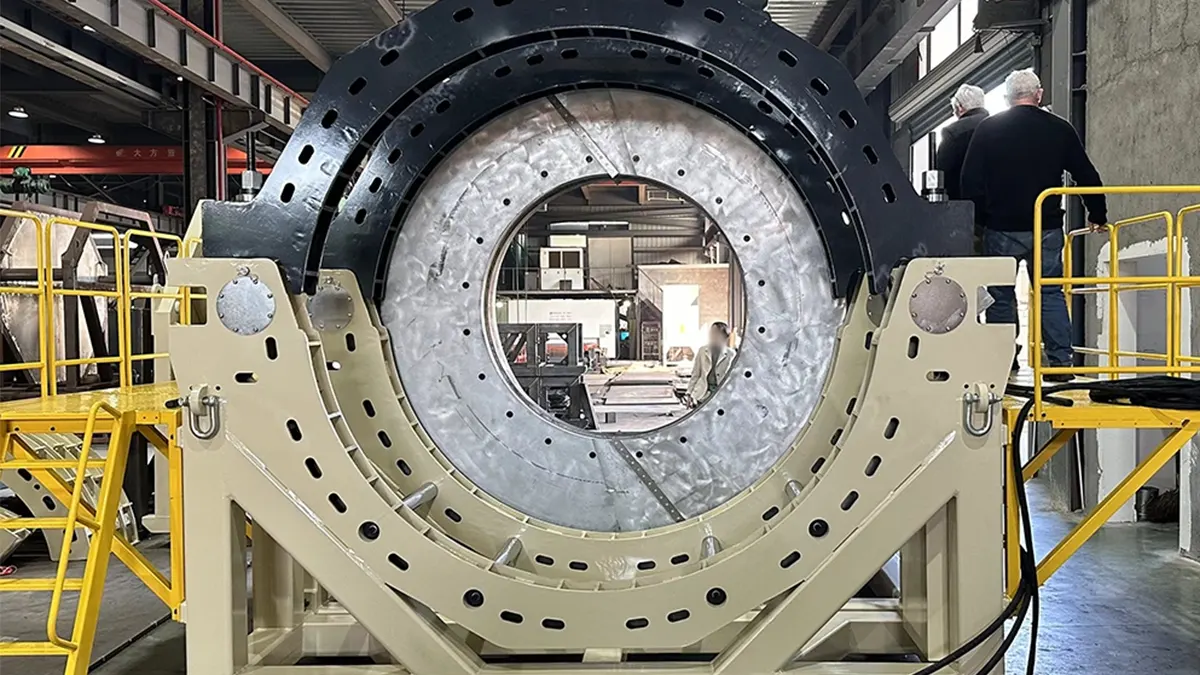
Welding straight pipe is a linear operation, but the thermodynamics change when you introduce tees, elbows, and y-pieces. Multi-angle pipe fitting machines, like the JQMA1200 Multi-Angle Welding Machine, must account for irregular cross-sectional masses. A massive fitting hub acts as a heat sink, often requiring a slightly extended heat soak time compared to a straight pipe of the same diameter. Without this adjustment, the fusion face of the fitting may remain too cool to bond fully. This is a critical nuance of HDPE pipe jointing machine welding time that many operators overlook until a joint fails a hydrotest.
Environmental Impact on Heat Fusion Settings
Welding in controlled shop environments is predictable, but field conditions introduce variables that fundamentally alter the required HDPE pipe jointing machine welding time. Wind chill is the enemy of the soak cycle; it strips heat from the pipe body, creating a steep thermal gradient between the inner wall and the melting surface. If you are fusing pipes in temperatures below 5°C (41°F) or in high winds, a welding tent is not a luxury—it is a procedural mandate. Additionally, the heater plate surface temperature may need to be adjusted to the upper limit of the acceptable range to compensate for heat loss during the changeover phase.
Common Mistakes in Setting Welding Time and How to Avoid Them
Even experienced installers can fall prey to production pressure and cut corners on cycle times. Below are frequent errors observed in the field:
- Short-Soaking: Reducing soak time to speed up the daily joint count. This results in a “cold” melt bead profile and negligible mixing of polymer chains.
- Premature Release: Releasing the clamps before the pipe has cooled to a safe temperature. The internal melt pressure drags the pipe back, creating micro-voids in the core of the joint.
- Inaccurate Thermocouple Readings: Using a machine with a faulty thermocouple means the indicated temperature bears no relation to actual plate surface heat, rendering the HDPE pipe jointing machine welding time irrelevant.
To avoid these mistakes, rigorous daily calibration checks and comprehensive operator training are essential. For large-scale projects, JQ-Fusion provides robust equipment tailored to withstand tough field conditions, ensuring that the theoretical heat cycle translates perfectly into practice. As a professional manufacturer, JQ-Fusion focuses on delivering reliable butt fusion solutions that help contractors achieve repeatable, high-strength welds.
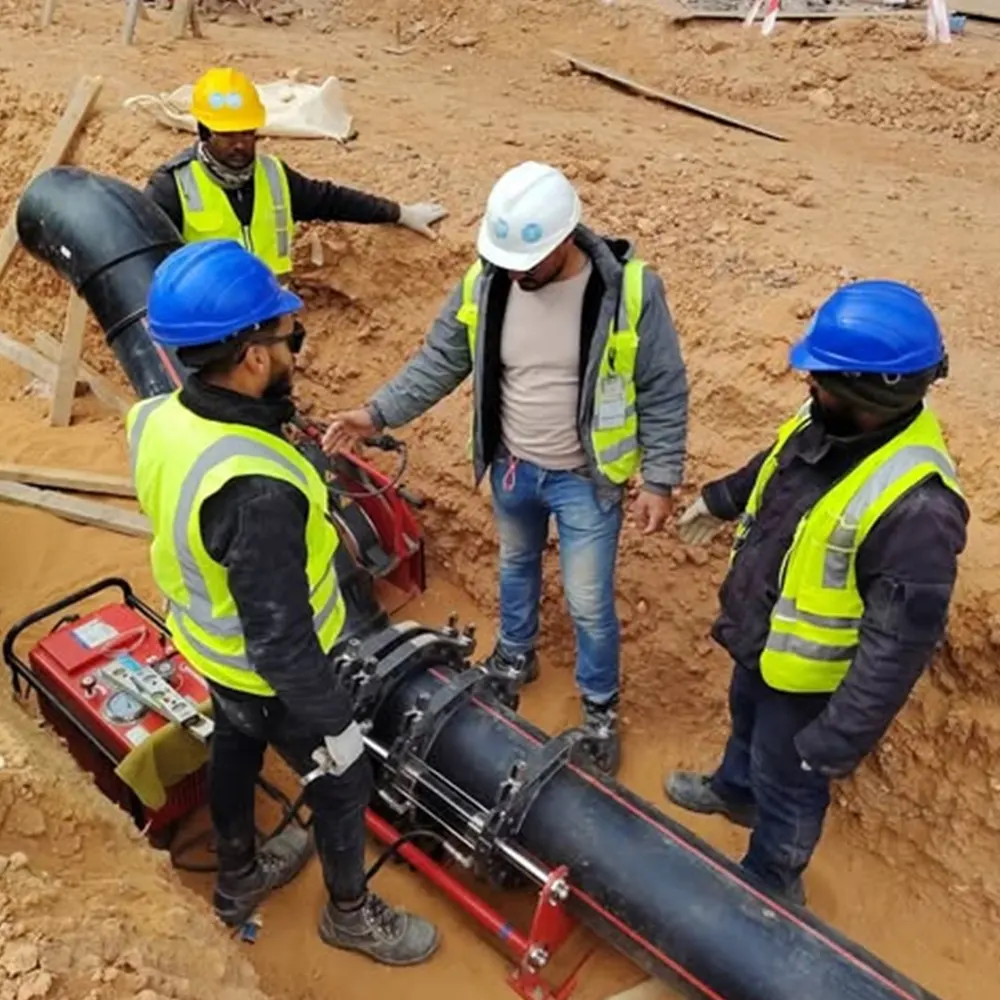
Final Quality Checks: Proving Your Welding Time is Correct
The proof of correct HDPE pipe jointing machine welding time lies in the post-weld inspection. A correctly timed fusion will exhibit a double bead with a specific size and appearance. The bead should be uniform all around the circumference, smooth, and without signs of charring or deep grooves. Destructive testing, such as a bend-back test on a sample joint, is the gold standard for procedure qualification. If the joint fails with a brittle fracture and no sign of elongation, the thermal cycle was likely insufficient, or the changeover was too slow. Always document your time logs using equipment that complies with PE butt fusion equipment standard to provide traceable records for third-party auditors and asset owners.
Adopting Modern Traceability
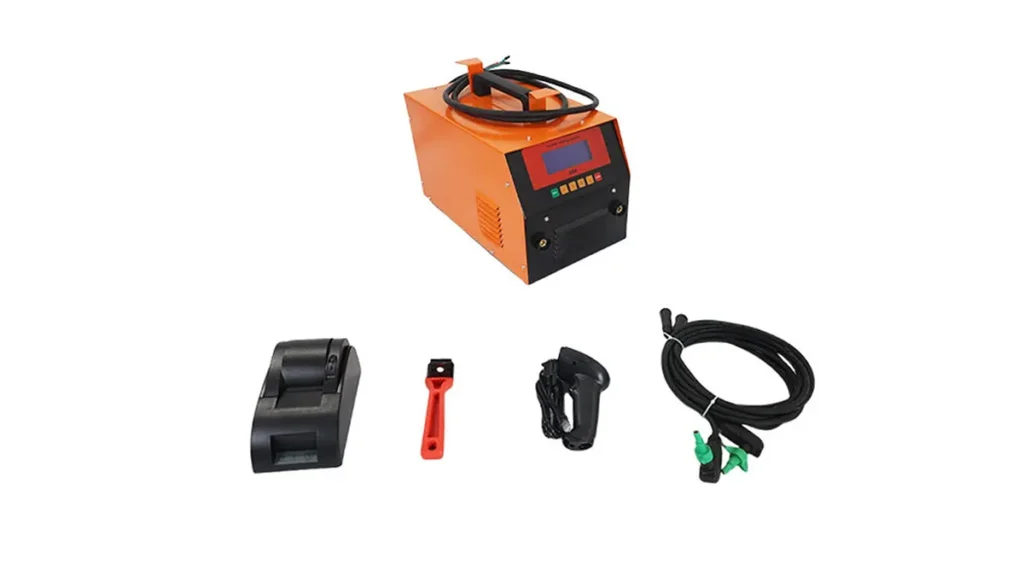
Modern infrastructure demands digital proof of compliance. Using software-equipped control boxes, such as those found on advanced automatic ranges, allows every second of the cycle to be logged and exported. This data provides irrefutable evidence that the HDPE pipe jointing machine welding time was adhered to strictly as per the approved Welding Procedure Specification (WPS). For engineers and quality managers, this traceability is just as valuable as the physical strength of the joint itself. If you require expert guidance or durable equipment for your upcoming pipeline projects, feel free to consult our detailed product range or reach out for tailored configuration advice.