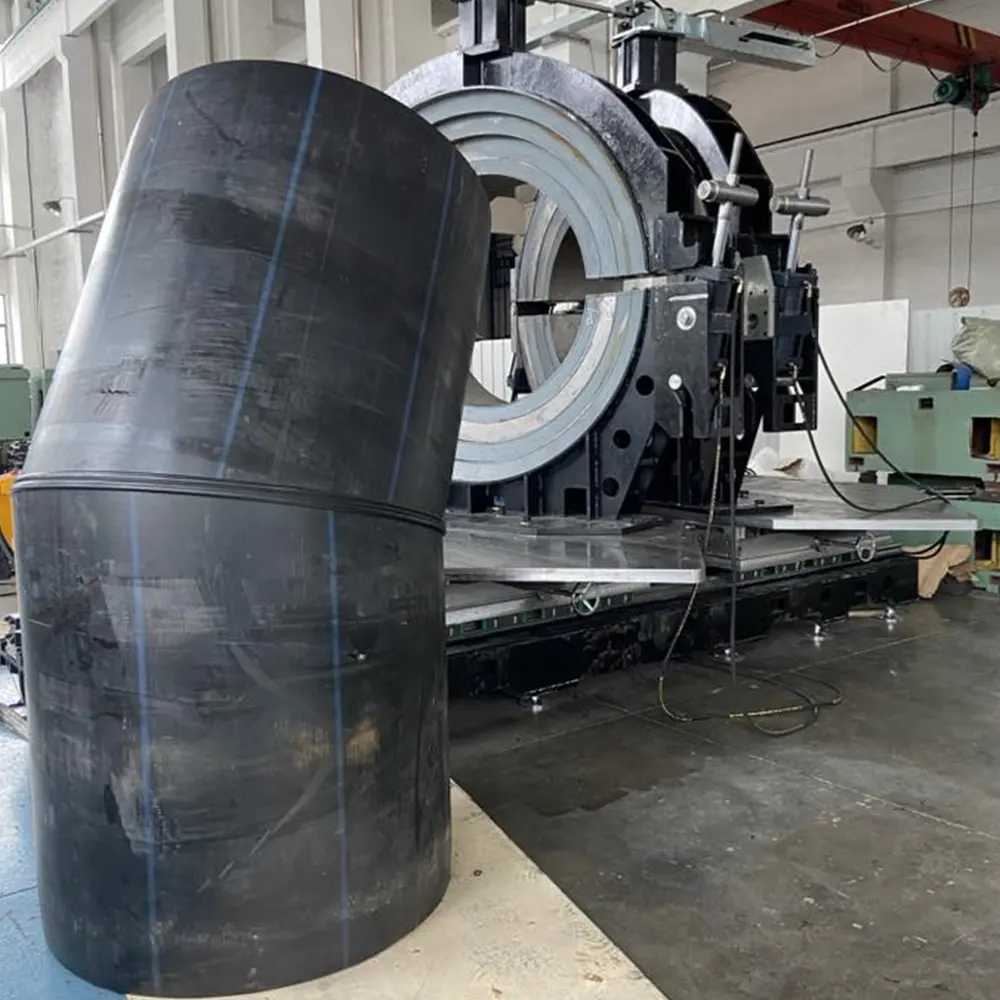
Achieving a perfect, leak-proof joint in High-Density Polyethylene (HDPE) piping systems hinges on one critical variable: temperature. While the mechanical alignment and facing of the pipe ends are important, applying the correct heat is what transforms two separate pipes into a single, monolithic structure. Understanding the precise HDPE pipe jointing machine welding temperature is not just a technical detail—it is the fundamental principle of butt fusion welding.
Why Accurate Welding Temperature is Non-Negotiable
Polyethylene is a thermoplastic, meaning it softens when heated and solidifies upon cooling. If the temperature is too low, the material will not reach a sufficient molten state to allow molecular diffusion across the joint interface. If the temperature is too high, the polymer chains degrade, leading to oxidation and a weakened, brittle joint. The goal is to achieve a homogeneous melt that replicates the parent pipe material’s strength. This is strictly guided by standards such as ISO 21307 butt fusion procedures.
The Standard HDPE Welding Temperature Range
While specific machine settings can vary, the industry-standard target for the heating plate surface when welding HDPE falls consistently within a specific window. Most HDPE pipe jointing machine welding temperature settings hover between 200°C and 230°C (392°F and 446°F).
Temperature Benchmarks by Standard
| Standard / Institution | Specified Temperature | Key Application |
|---|---|---|
| ISO 21307 | 200°C – 230°C | Global Gas & Water pressure pipes |
| ASTM F2620 heat fusion | 204°C – 232°C (400°F – 450°F) | North American Industrial & Gas |
| PPI (Plastics Pipe Institute) | 204°C – 232°C | PPI butt fusion procedure |
| Typical Manufacturer Default | 220°C (428°F) | Most common manual and hydraulic machines |
Factors Influencing Temperature Settings
Although the standard range is narrow, operators must adapt the HDPE pipe jointing machine welding temperature based on real-world conditions. Blaming the machine for a bad weld often overlooks these environmental and material variables:
- Ambient Weather Conditions: In extreme cold (below 5°C), heat is wicked away faster. You might need to approach the upper limit of the temperature range or increase the heating time slightly. Conversely, in direct, heavy sunlight, the plate may read artificially high if not properly shielded.
- Pipe Wall Thickness: Thicker walls act as a massive heat sink. While the plate temperature remains constant, the soak time (how long the plate touches the pipe) is significantly longer for high SDR/DN pipes.
- Material Grade: PE100, PE100-RC, and PE4710 have slightly different melt flow indices. Always check the resin manufacturer’s recommendations. High-performance PE100-RC may require the upper end (225°C-230°C).
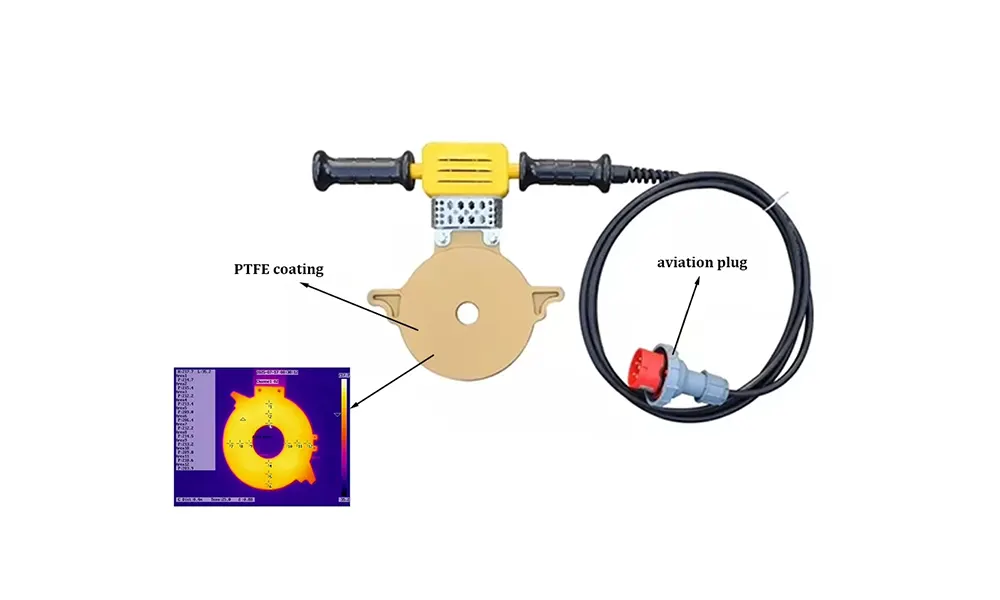
- Heating Plate Condition: A dirty, scratched, or non-stick coating-damaged plate creates uneven heat transfer. This often forces operators to wrongly increase the temperature dial, degrading the material.
Temperature Control: Manual vs. Hydraulic vs. CNC Machines
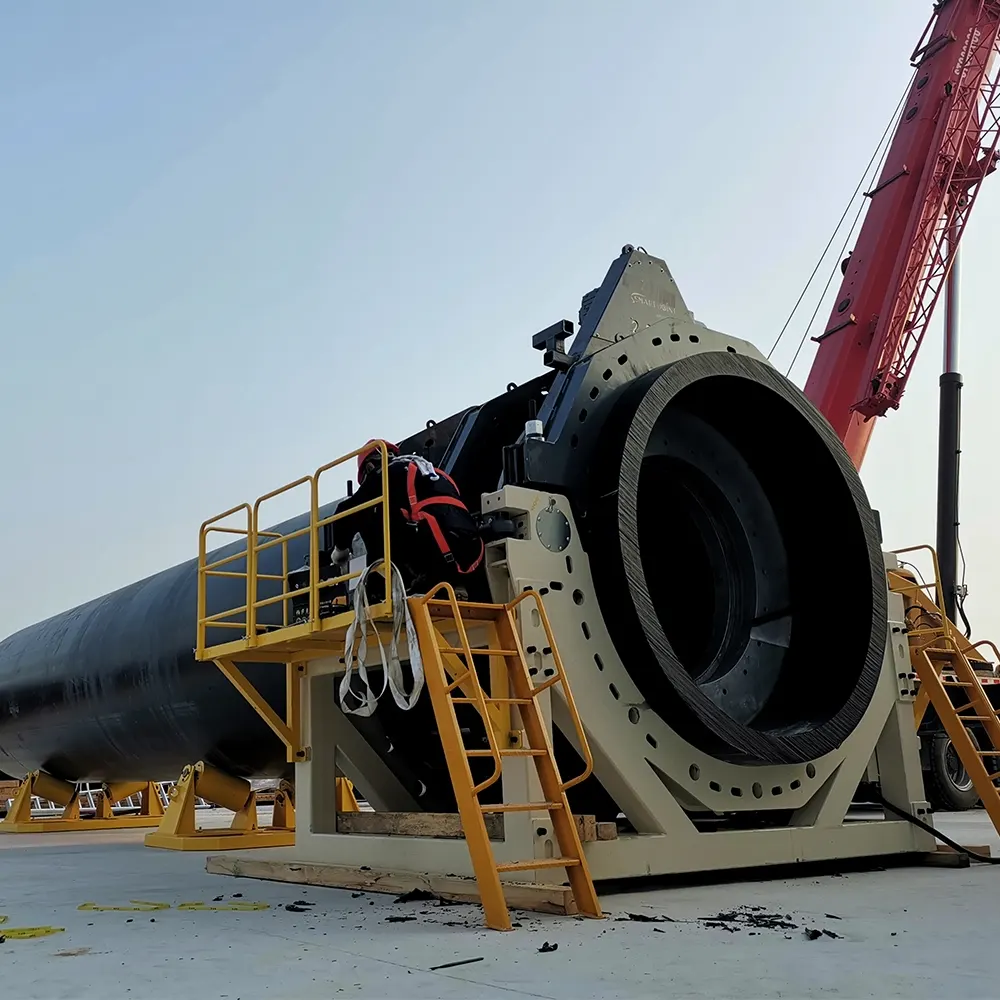
The accuracy with which you can maintain your HDPE pipe jointing machine welding temperature depends heavily on the technology of your equipment. Picking the right HDPE pipe welding machine directly impacts your joint integrity.
Manual Butt Fusion Machines
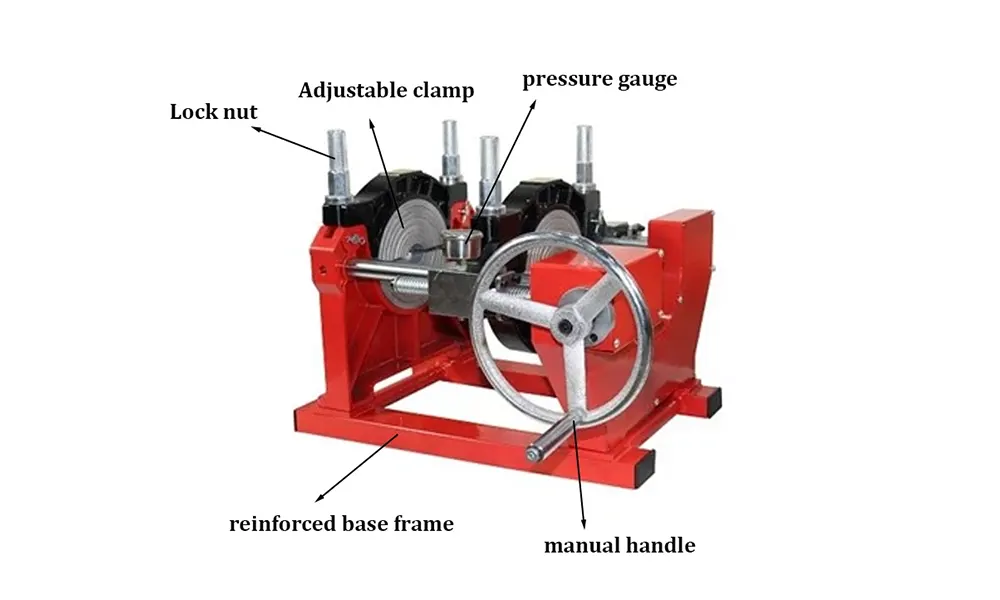
In basic manual machines, the heating plate is often controlled by a simple thermostat dial. While reliable, these are prone to drift. It is essential to verify the actual surface temperature with a digital thermocouple probe frequently. A deviation of just ±10°C can compromise a critical weld.
Hydraulic Butt Fusion Machines
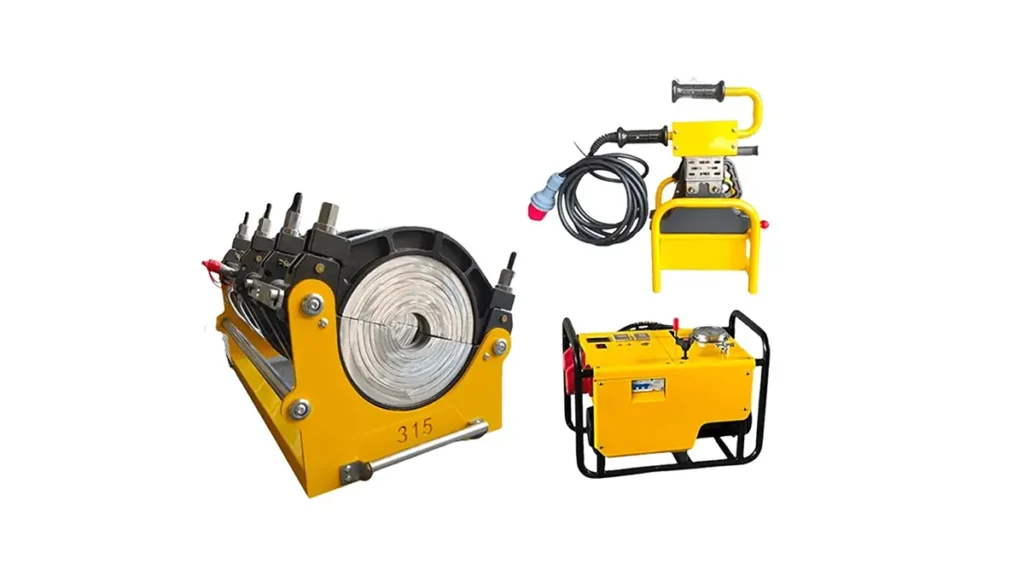
Hydraulic butt fusion welding machines typically feature integrated digital temperature controllers. They provide real-time feedback and often have alarms if the temperature falls out of the pre-set band. This reduces the risk of cold welds on large-diameter projects where consistent heat is harder to maintain.
CNC Automatic Welding Machines
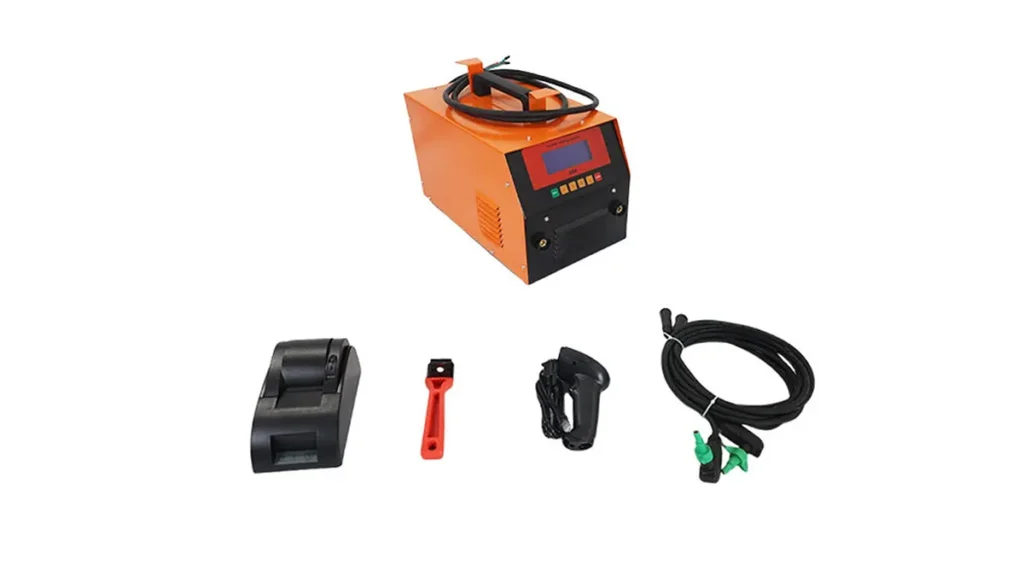
CNC automatic butt fusion welding machines represent the gold standard. They not only control the temperature but log every second of the thermal profile. If a joint fails inspection, you can audit the data log to see exactly what the temperature was at every stage. They strictly adhere to standards like PE butt fusion equipment standard requirements for automation.
Common Issues Caused by Incorrect Welding Temperature
Diagnosing a failed joint often points directly back to the HDPE pipe jointing machine welding temperature. Here is a quick diagnostic cheat sheet:
| Symptom | Likely Temperature Fault | Result |
|---|---|---|
| Narrow, sharp bead roll | Too Low (Cold Weld) | Brittle joint, immediate failure under pressure |
| Overly large, sagging bead | Too High (Overheated) | Molecular degradation, oxidized material |
| Non-uniform bead around circumference | Uneven plate temp (Hot spots) | Inconsistent joint strength |
| Yellowish/Brownish discoloration | Severe Overheating | Thermal oxidative degradation (must be cut out) |
Calibration: The Hidden Requirement
One of the most overlooked aspects of pipe welding is plate calibration. A machine displaying “220°C” does not guarantee the HDPE pipe jointing machine welding temperature is actually 220°C on the non-stick surface. Daily calibration checks should be mandatory:
- Allow the plate to reach its set temperature and stabilize for at least 10 minutes.
- Use a calibrated digital surface thermometer with a contact probe.
- Test multiple points across the plate surface—center and at least four outer quadrants.
- The deviation should not exceed ±5°C across the plate. If it does, the heating element may be failing or the coating is uneven.
Selecting the Right Jointing Equipment for Thermal Stability
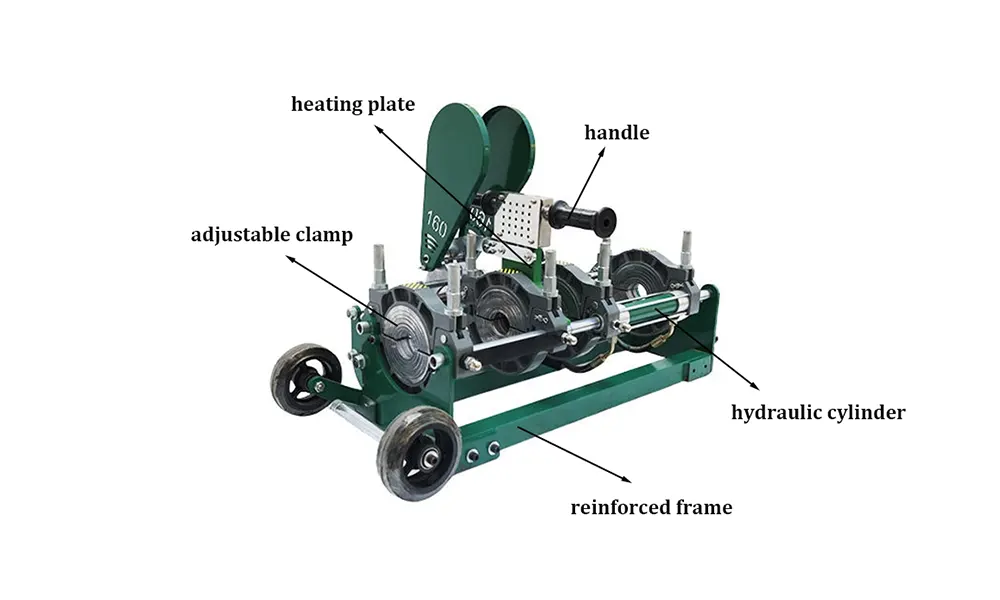
To consistently hit the precise HDPE pipe jointing machine welding temperature window, you need equipment engineered for thermal stability. As a reference point, manufacturers like JQ-Fusion integrate high-precision digital controllers and anti-dust insulated heating plates to ensure minimal temperature drift even in challenging field environments. Whether you require a compact manual kit for residential lines or a large-diameter hydraulic rig for municipal pipeline jointing, the heater’s integrity is paramount.
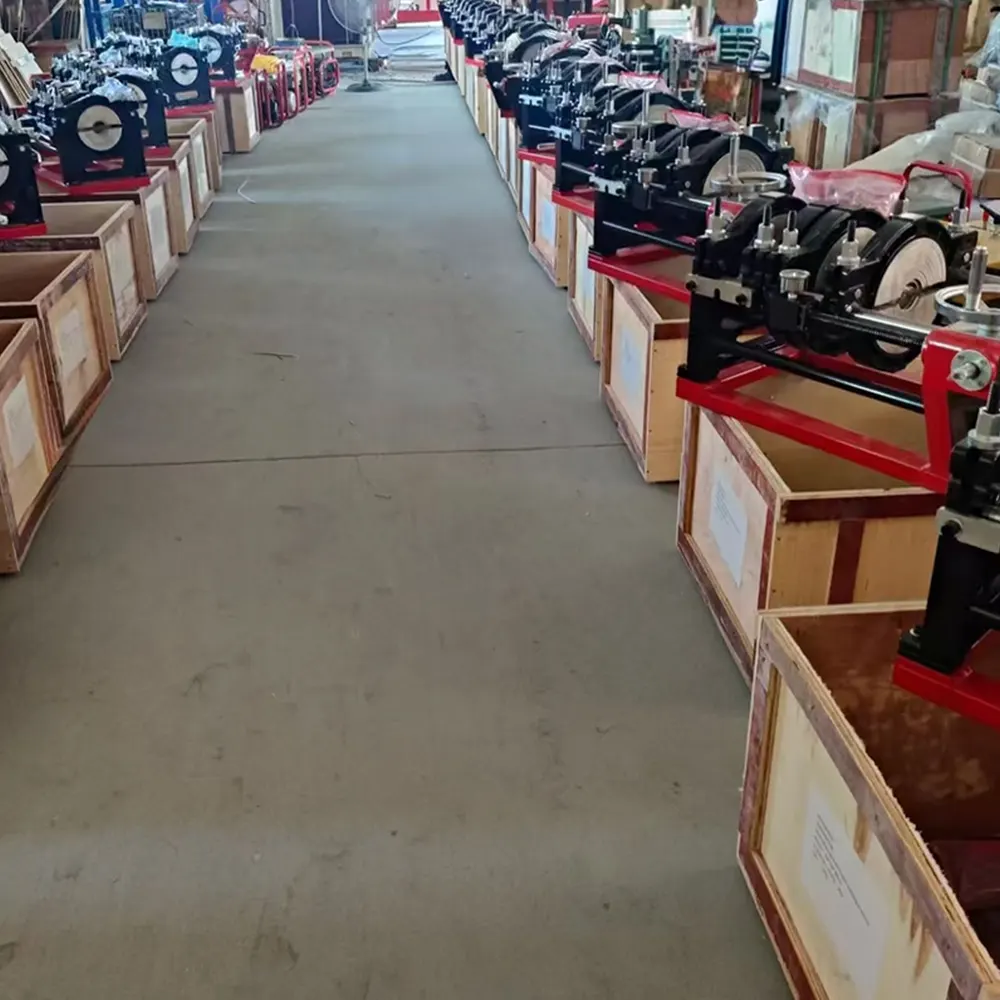
Manual Machine Control Interface
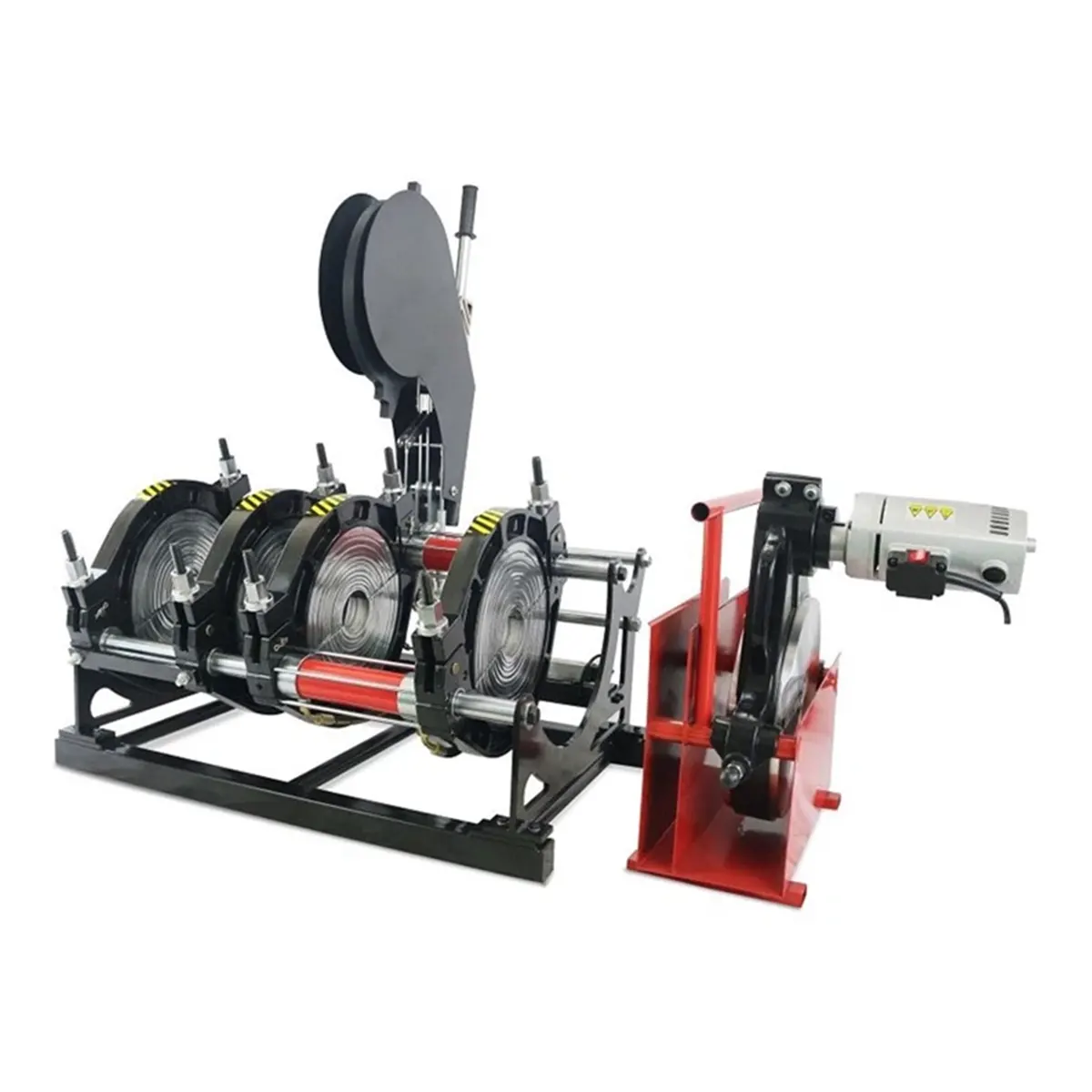
Automatic CNC Digital Temperature Controller
Best Practices for Perfect Temperature Management
To ensure your HDPE pipe jointing machine welding temperature translates into a perfect joint, follow these rigorous steps:
- Pre-heat Soak: Once the heating plate reaches the target temp, let it “soak” for 10-15 minutes. This saturates the aluminum block and prevents temperature droop when it contacts the cold pipe ends.
- Surface Cleaning: Wipe the heating plate with a clean, lint-free cloth. Paper towels leave residue that burns and insulates; use specific non-synthetic cloths.
- Avoid Wind Chill: Set up a welding tent. Wind drastically cools the plate surface and the pipe ends, causing a cold weld despite the machine’s internal sensor reading perfectly.
- Consistent Contact: During the bead-up phase (initial heating), ensure full contact with the heating plate. Uneven pressure means uneven temperature transfer.
By mastering the thermal element and understanding the factors that influence your HDPE pipe jointing machine welding temperature, you transition from simply gluing plastic to executing professional-grade, structural fusion joints that last for decades.