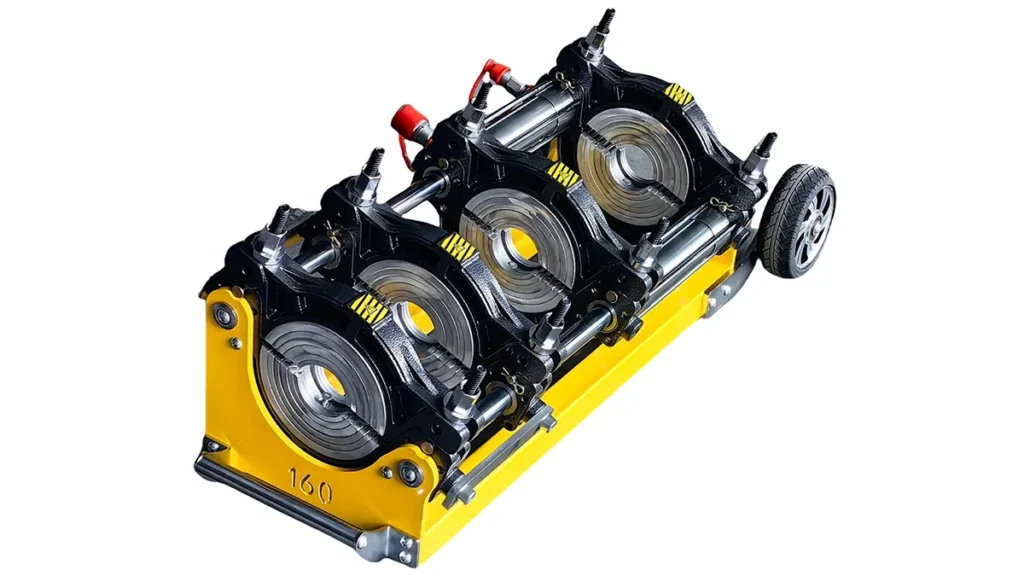
Understanding the relationship between Standard Dimension Ratio (SDR) and fusion pressure is fundamental to achieving consistent, high-strength butt fusion joints in HDPE pipe welding. The SDR value directly determines the wall thickness of a pipe for a given diameter, which in turn dictates the interfacial pressure required during the heating and joining phases. Whether you are working on municipal water infrastructure, gas distribution networks, or industrial slurry lines, applying the correct HDPE pipe fusion pressure by SDR is critical to avoiding joint failures.
What Is SDR and Why Does It Affect Fusion Pressure?
SDR is defined as the ratio of the pipe’s outside diameter to its minimum wall thickness. A lower SDR, such as SDR 7.4, indicates a much thicker wall compared to a higher SDR like SDR 32.5. Because butt fusion relies on creating a specific interfacial pressure (typically 0.15 MPa (21.8 psi) for PE100 and PE4710 materials) at the pipe ends, the cross-sectional area of the pipe wall directly influences the force required from your welding machine. Using the same machine pressure setting for different SDRs will result in an under-weld or an over-weld, both of which compromise joint integrity.
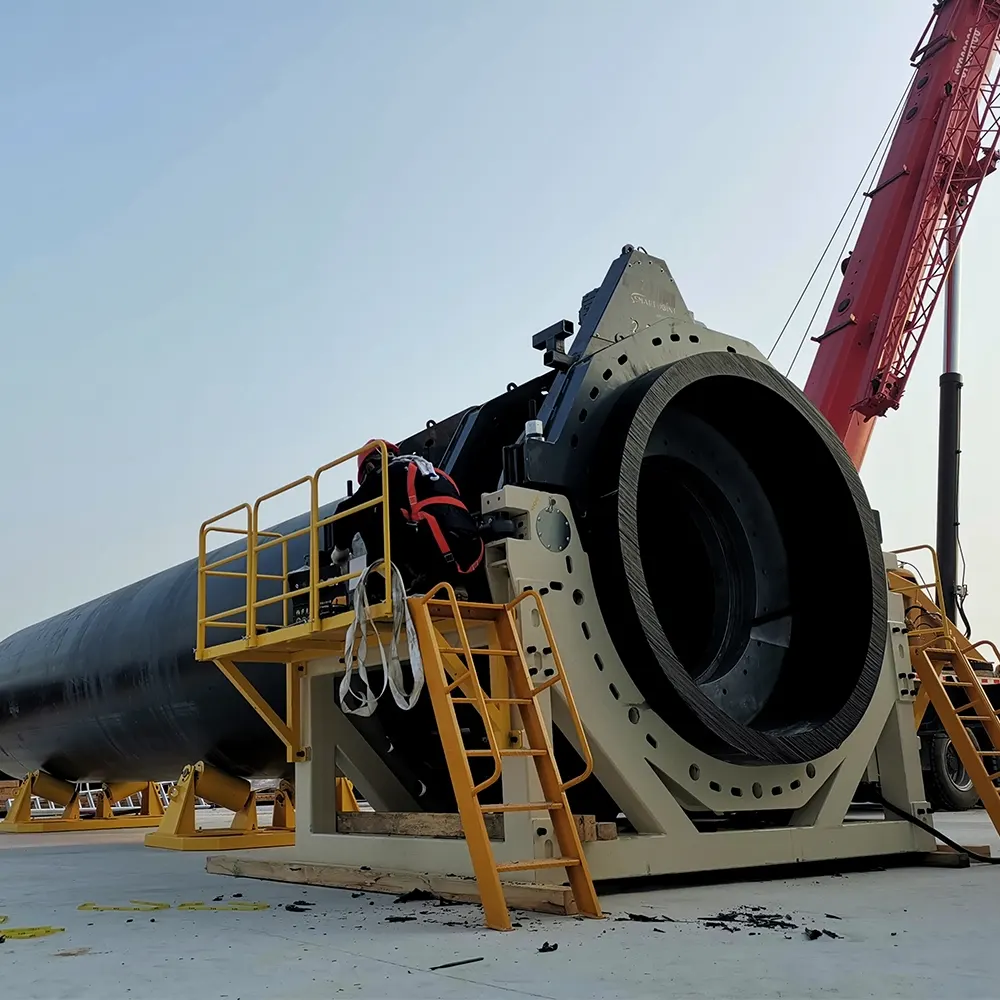
The Core Formula for Calculating Fusion Pressure
To determine the correct gauge pressure for your hydraulic butt fusion welding machine, you must first calculate the theoretical fusion force, then subtract the drag force generated by the machine’s own movement. The standard formula is:
Gauge Pressure = (Interfacial Pressure × Pipe Wall Area) / Piston Effective Area + Drag Pressure
Where the Pipe Wall Area is derived from the outer diameter and wall thickness specific to the SDR. Most machine manufacturers provide a fusion calculator or reference chart in the operator’s manual. For welders performing onsite calculations, following the ISO 21307 butt fusion procedures is the industry benchmark for single-pressure and dual-pressure fusion cycles.
Recommended Fusion Pressure Settings by SDR
The following table provides typical gauge pressure ranges for common pipe diameters and SDR ratings, assuming a standard interfacial pressure of 0.15 MPa and an average drag pressure. Always verify with your specific machine’s calibration chart.
| Pipe OD (mm) | SDR | Wall Thickness (mm) | Approx. Fusion Pressure (psi/bar) | Cycle Type |
|---|---|---|---|---|
| 110 | 11 | 10.0 | 40-55 psi (2.8-3.8 bar) | Single Low-Pressure |
| 160 | 17 | 9.4 | 70-90 psi (4.8-6.2 bar) | Standard Dual-Pressure |
| 200 | 17 | 11.8 | 110-130 psi (7.6-9.0 bar) | Standard Dual-Pressure |
| 250 | 11 | 22.7 | 220-250 psi (15.2-17.2 bar) | Standard Dual-Pressure |
| 315 | 21 | 15.0 | 230-260 psi (15.9-17.9 bar) | Standard Dual-Pressure |
| 400 | 26 | 15.3 | 290-320 psi (20.0-22.1 bar) | Standard Dual-Pressure |
| 500 | 17 | 29.4 | 580-620 psi (40.0-42.8 bar) | High-Pressure Cycle |
Note: These values are estimates. For heavy-wall pipes like SDR 7.4 or SDR 9, the drag pressure compensation becomes increasingly significant, especially on larger diameters where the carriage weight affects gauge readings.
Key Variables Influencing Pressure Settings
- Piston Effective Area: The internal piston surface area of your machine’s hydraulic cylinder. Machines from different manufacturers (even with the same tonnage rating) can have vastly different effective areas, which changes the pressure math. Always check the machine’s nameplate.
- Drag Pressure: This is the residual pressure needed to move the carriage without pipe contact. It must be added to the calculated fusion pressure. Failure to account for drag is a common cause of cold fusion joints.
- Material Grade: PE4710 and PE100 materials typically use an interfacial pressure of 0.15 MPa. However, for PE80 or older PE3408 materials, different parameters apply, often found in the PE butt fusion process guidelines.
- Ambient Temperature: In extreme cold or heat, the heating time and soak time may need adjustment, but the interfacial pressure target remains constant.
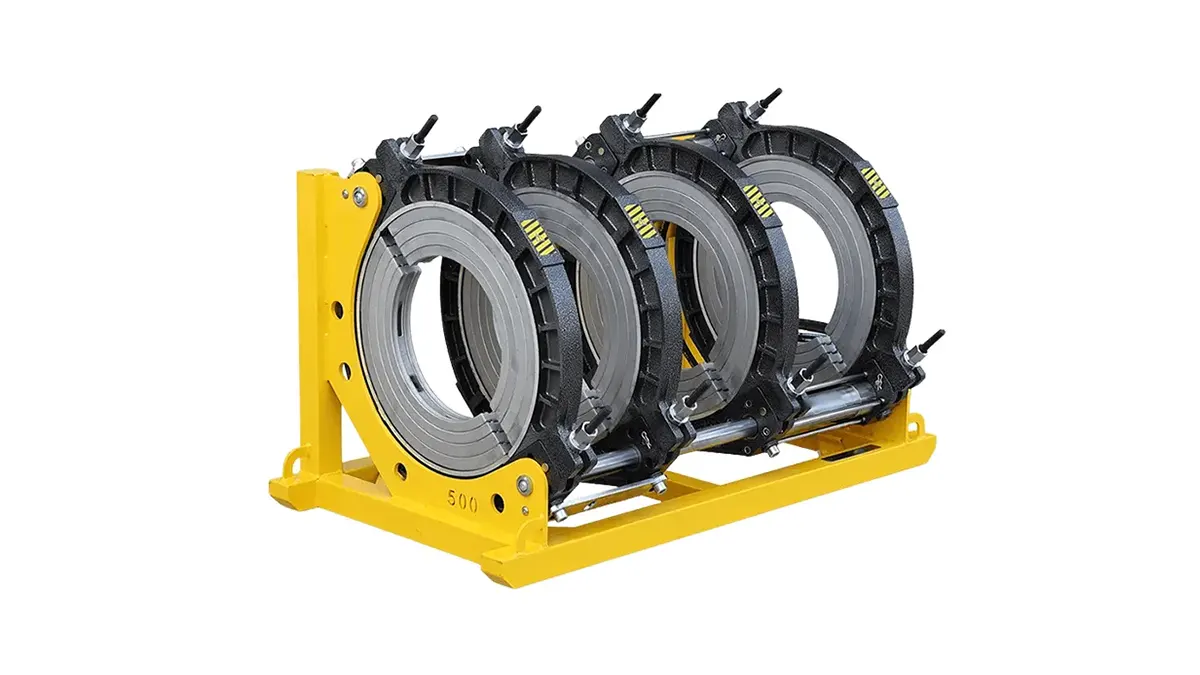
Matching Machine Type to SDR and Pipe Size
Not all fusion equipment is created equal. Selecting the right machine is just as important as dialing in the correct pressure. For small diameter lines with thin walls (high SDR), a manual butt fusion machine operating at the correct torque provides sufficient consistency. However, for medium to large diameter pipes with thick walls (low SDR), a hydraulic system is non-negotiable.
Manual Machines
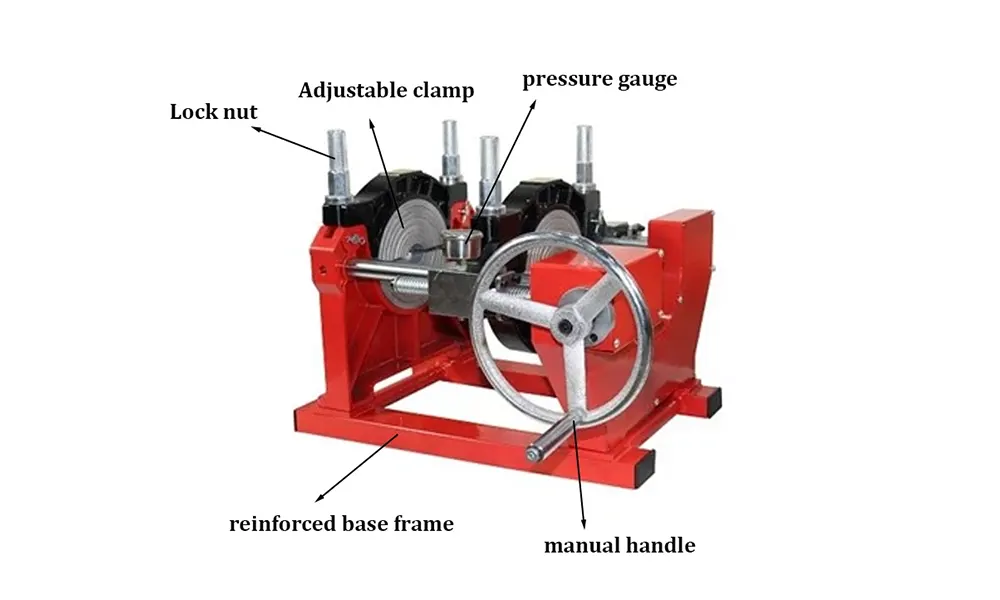
Best suited for pipes ranging from 63mm to 315mm with SDR 11 and above. The operator generates mechanical force via a lever or screw mechanism. While effective, maintaining exact interfacial pressure manually requires skill, especially on SDR 9 or thicker pipes where resistance is high.
Hydraulic Machines
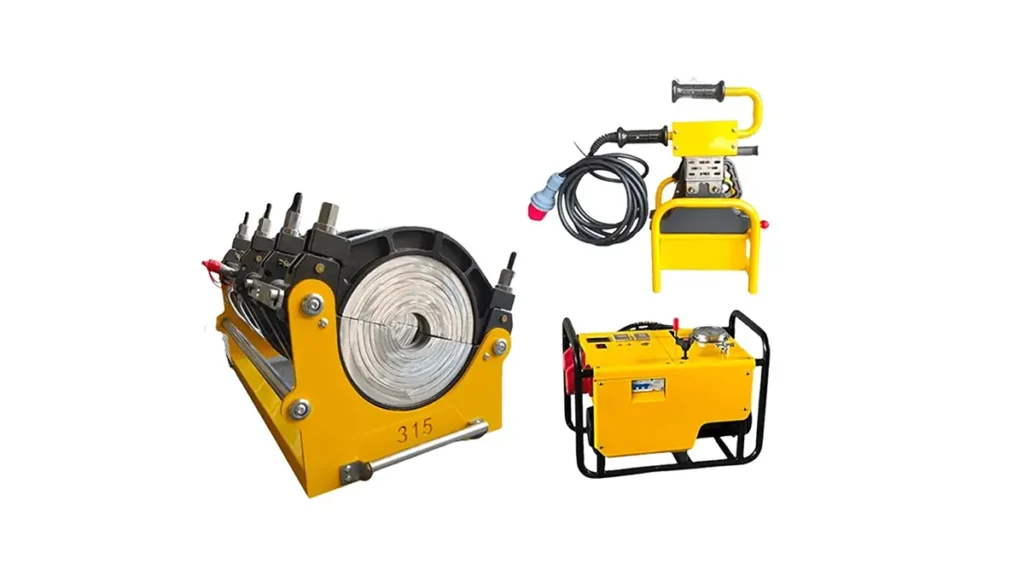
Essential for pipes 200mm and larger, or any SDR below 11. Hydraulic butt fusion welding machines provide the hundreds or thousands of pounds of force needed to fuse thick-walled pressure pipes. Look for units with calibrated pressure gauges that allow for fine-tuning to match the calculated SDR chart exactly. CNC automatic machines take this further by embedding the pressure calculations digitally, reducing human error.
Mastering the Fusion Cycle for Any SDR
Achieving a quality joint goes beyond setting the pressure gauge once. The full butt fusion jointing procedure consists of several distinct phases where pressure interacts with SDR:
- Bead-Up: The calculated fusion pressure is applied until a uniform melt bead forms around the pipe circumference. For high SDR pipes, this happens quickly. For thick, low SDR pipes, the bead-up may require sustained high pressure.
- Heat Soak: Pressure drops to near zero (just maintaining contact) to allow heat to penetrate the pipe wall. The soak time is directly proportional to the wall thickness (SDR). Thicker walls demand significantly longer soak times.
- Changeover: The heater plate is removed. This duration should be as short as possible to prevent surface cooling, independent of SDR.
- Jointing/Fusion: Full interfacial pressure is reapplied and held during cooling. A consistent, robust bead configuration confirms the proper HDPE pipe fusion pressure by SDR was calculated and executed.
Common Mistakes When Setting SDR-Based Pressure
- Ignoring Drag Pressure: The most common site error. If your gauge reads 300 psi but 50 psi is drag, you are only applying 250 psi to the pipe — a 17% deficit that leads to a brittle joint.
- Using the Wrong Interfacial Pressure: Assuming 0.15 MPa applies to all PE materials without checking the resin specification.
- Misreading the SDR: Confusing SDR 11 and SDR 13.5 markings on the pipe printline can lead to significant over-pressure or under-pressure conditions. Always visually confirm the printed SDR on the pipe surface.
- Equipment Calibration Drift: Hydraulic hoses and gauges degrade. A routine calibration check against a certified load cell ensures your pressure readings translate accurately to fusion force, especially when working on high-stakes PE gas piping systems.
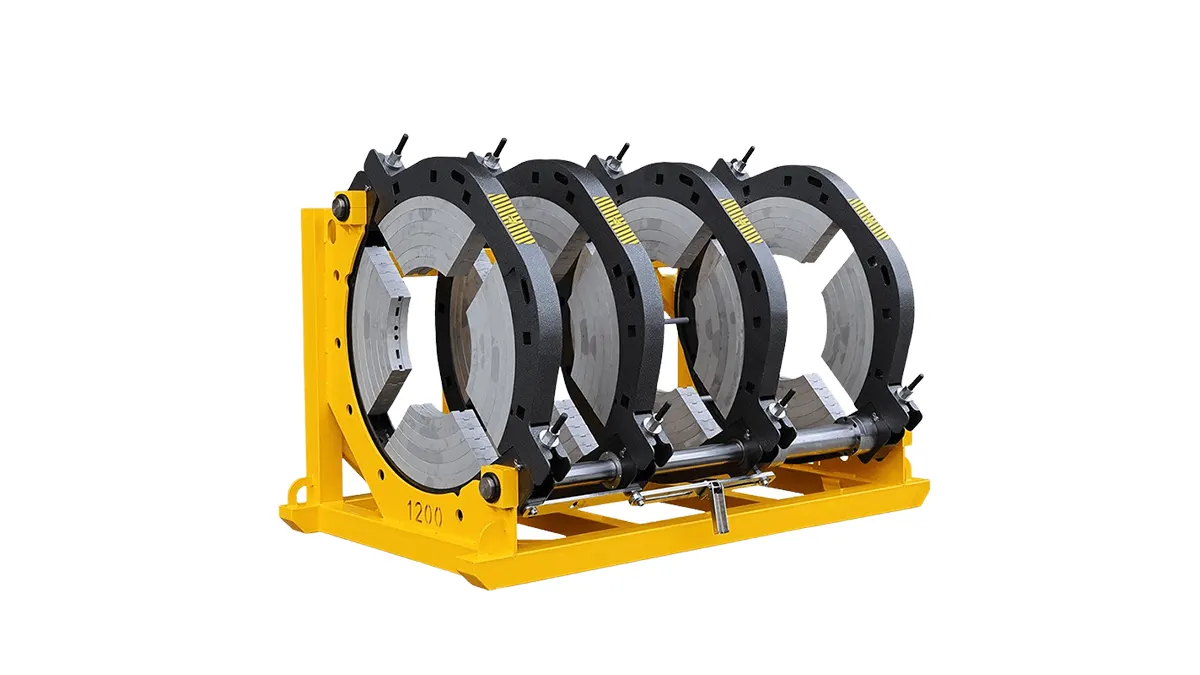
The Role of Data Logging in SDR Fusion Quality
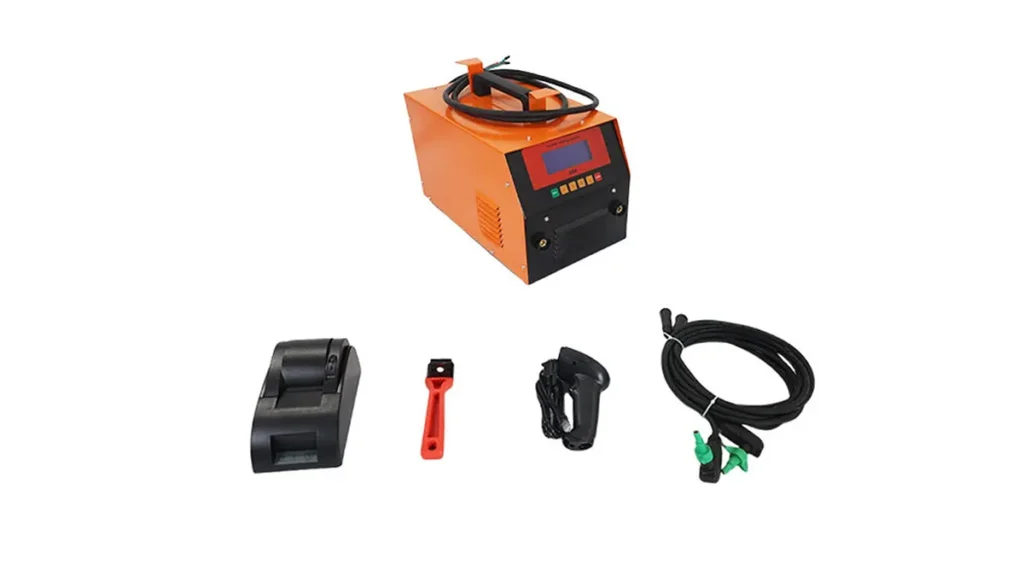
Modern pipeline projects increasingly require traceability. CNC automatic welding machines with data logging capabilities record the actual pressure, temperature, and time for every joint. This data proves that the fusion operator adhered to the specified HDPE pipe fusion pressure by SDR protocols. For critical infrastructure, such traceability meets stringent requirements like PE fusion traceability standards and provides documented assurance against installation defects.
Reputable equipment manufacturers such as JQ-Fusion supply hydraulic and CNC machines engineered with precise hydraulic circuitry to maintain steady pressure throughout the cooling phase, eliminating the pressure drops that can cause cold spots in low SDR joints.
Quick Reference Pressure Checklist by SDR
Before starting any weld, perform this quick verification:
- ✔ Confirm pipe OD and SDR match the fusion chart.
- ✔ Calculate wall area (OD² – (OD – 2×t)²) × π/4.
- ✔ Measure and record the machine’s current drag pressure.
- ✔ Compute required gauge pressure using piston area.
- ✔ Monitor bead appearance during bead-up to visually confirm correct interfacial pressure.
By strictly calculating pressure based on SDR rather than guessing, you ensure every HDPE fusion joint meets or exceeds the strength of the pipe itself. For complex projects or large diameter low SDR combinations, consulting with equipment specialists and referring to the PPI technical guidance library is a best practice.