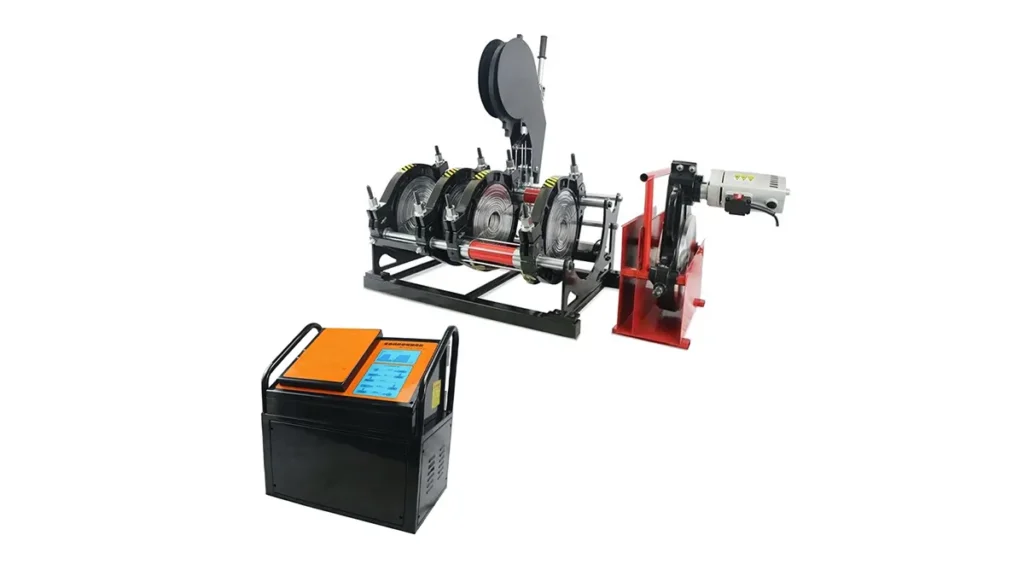
In modern agricultural systems, efficient water distribution is the backbone of productivity. Whether installing a new drip irrigation network or maintaining a large-scale sprinkler system, the integrity of your pipeline connections directly impacts water efficiency and long-term operational costs. A dedicated HDPE pipe jointing machine for irrigation is essential for creating leak-proof, durable joints that withstand fluctuating water pressures and environmental stress. This guide explores the equipment types, operational benefits, and key selection criteria to help you make an informed purchase.
Understanding HDPE Jointing in Irrigation Systems
High-Density Polyethylene (HDPE) has become the preferred material for irrigation pipelines due to its flexibility, chemical resistance, and lightweight nature. Unlike traditional metallic pipes, HDPE requires specialized butt fusion technology to achieve homogeneous joints. In regions with expansive agricultural lands, the reliability of these joints ensures minimal water loss. The ISO 21307 butt fusion procedures define the global standard for creating consistent, high-strength welds, which these machines are designed to follow precisely.
Main Types of HDPE Irrigation Jointing Machines
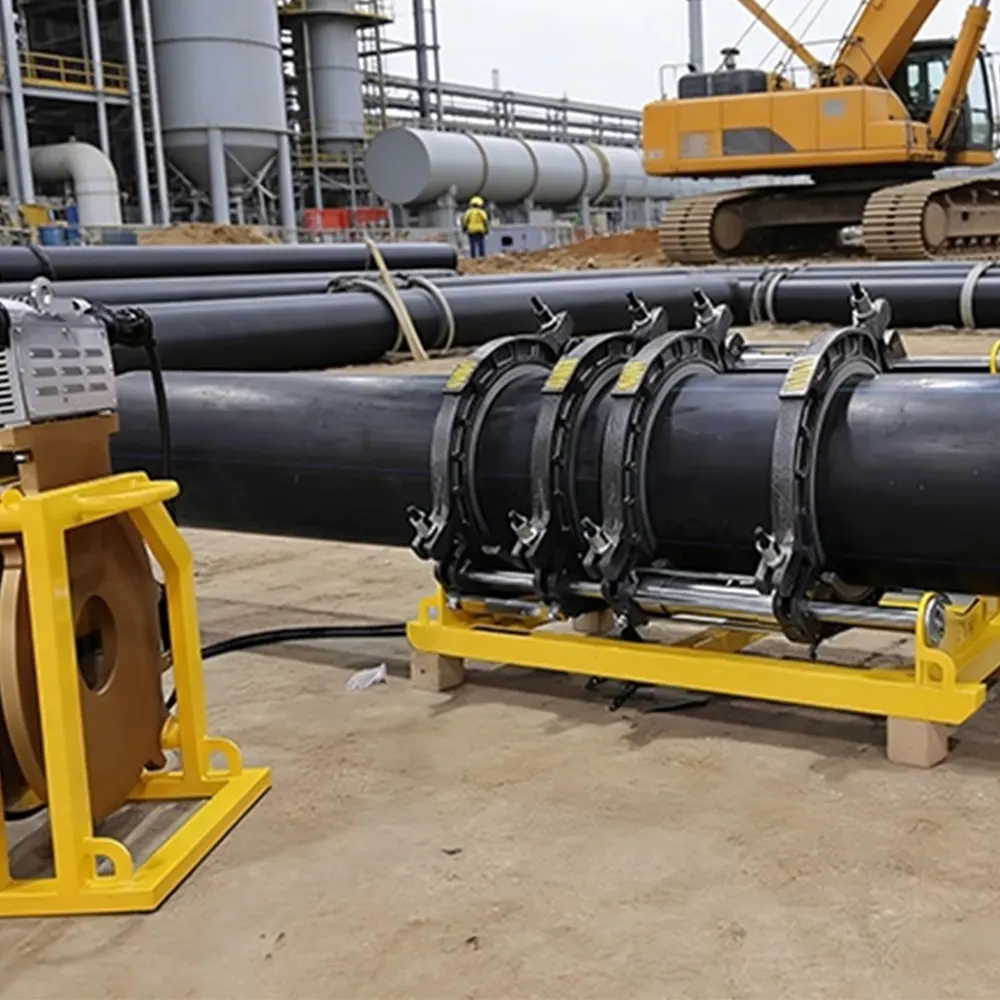
Selecting the correct type of HDPE pipe jointing machine for irrigation depends on your pipe diameter range, job site mobility needs, and required level of automation. Below are the primary categories available for agricultural contractors.
| Machine Type | Best For | Key Advantage |
|---|---|---|
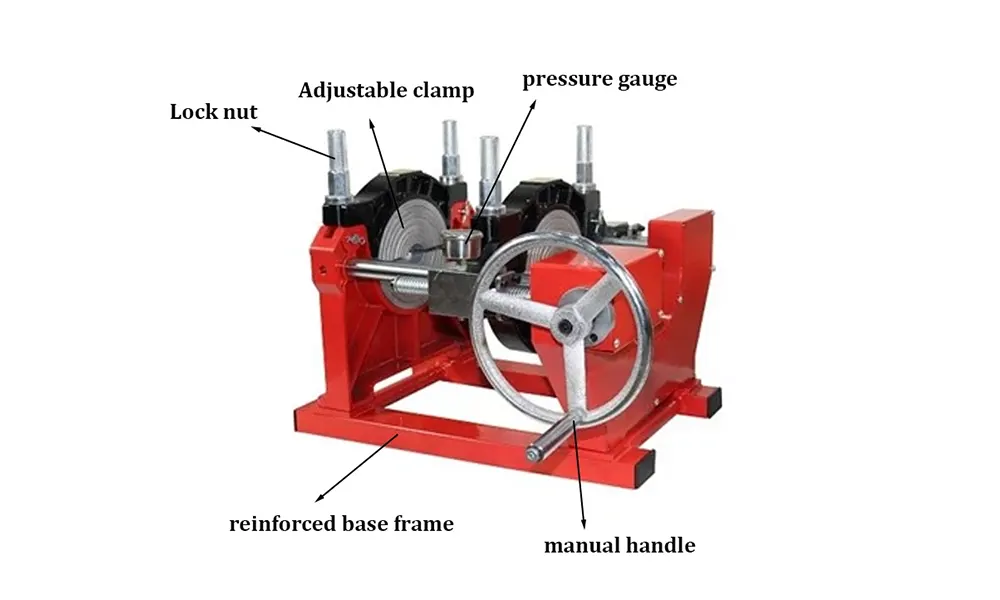
| Manual Butt Fusion Machines | Small diameter pipes (≤315mm) | Cost-effective and highly portable |
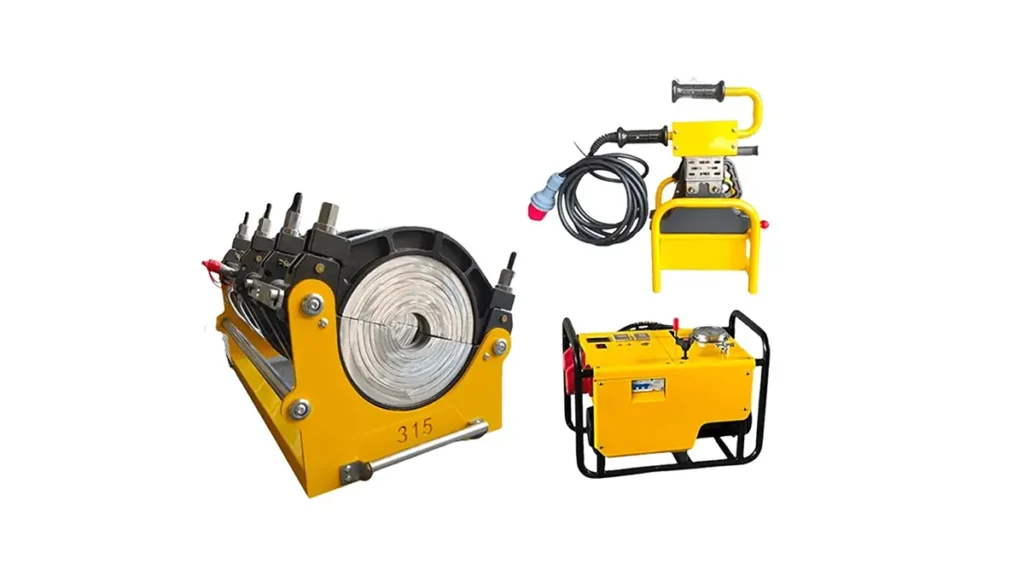
| Hydraulic Butt Fusion Machines | Medium to large diameter pipes (200mm—2250mm) | High clamping force with controlled pressure |
| CNC Automatic Butt Fusion Machines | Projects requiring full traceability | Data logging and operator-independent welding |
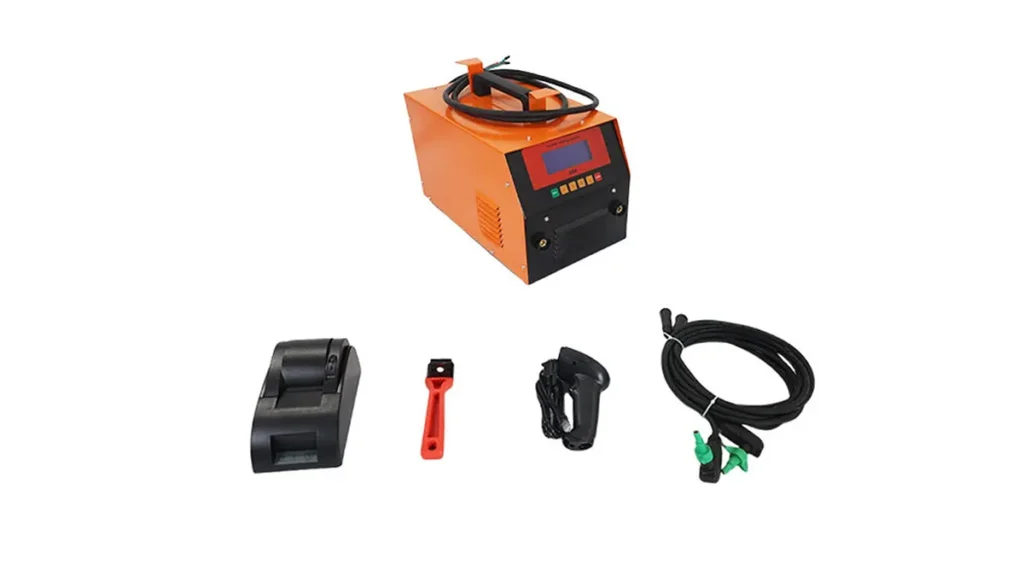
| Electrofusion Machines | Tight spaces and repair work | Compact design with barcode reading capability |
| Multi-Angle Fitting Machines | Tee, elbow, and Y-joints fabrication | Customizable angles for complex network layouts |
For most commercial irrigation networks, hydraulic systems offer the ideal balance between speed and joint quality. Meanwhile, smaller horticulture operations frequently benefit from the simplicity of manual butt fusion machines.
Key Benefits in Agricultural Applications
Investing in a specialized HDPE pipe jointing machine for irrigation provides distinct performance advantages over mechanical coupling methods. The following points highlight why these uniform welds are critical for farming water systems:
- Zero Leakage Network: The homogeneous bonded joint eliminates potential leak paths, which is essential in water-scarce agricultural regions.
- Resistance to Ground Movement: Fused joints withstand soil shifting and heavy agricultural vehicle traffic far better than mechanical couplers.
- Optimized Flow Efficiency: The smooth internal bore at the joint minimizes friction losses, lowering pumping energy requirements.
- Long Service Life: When executed according to PPI butt fusion procedure guidelines, the joint life matches that of the pipe itself, often exceeding 50 years.
How to Choose the Right Machine
Navigating the specifications of fusion equipment can be complex. Use the framework below to match your irrigation project requirements with the most suitable HDPE pipe jointing machine for irrigation.
Pipe Diameter and Wall Thickness
Your maximum pipe dimension dictates the frame size and hydraulic force needed. For main water supply arteries ranging from 500mm to 1200mm, a heavy-duty hydraulic HDPE welding system is mandatory. Using an undersized machine on thick walls often results in insufficient fusion pressure and cold joints.
Jobsite Mobility
Irrigation installation often spans hundreds of hectares. Consider the weight and chassis design. Machines equipped with robust wheels and lifting rings minimize downtime between workstations, enhancing overall project productivity.
Data Logging Requirements
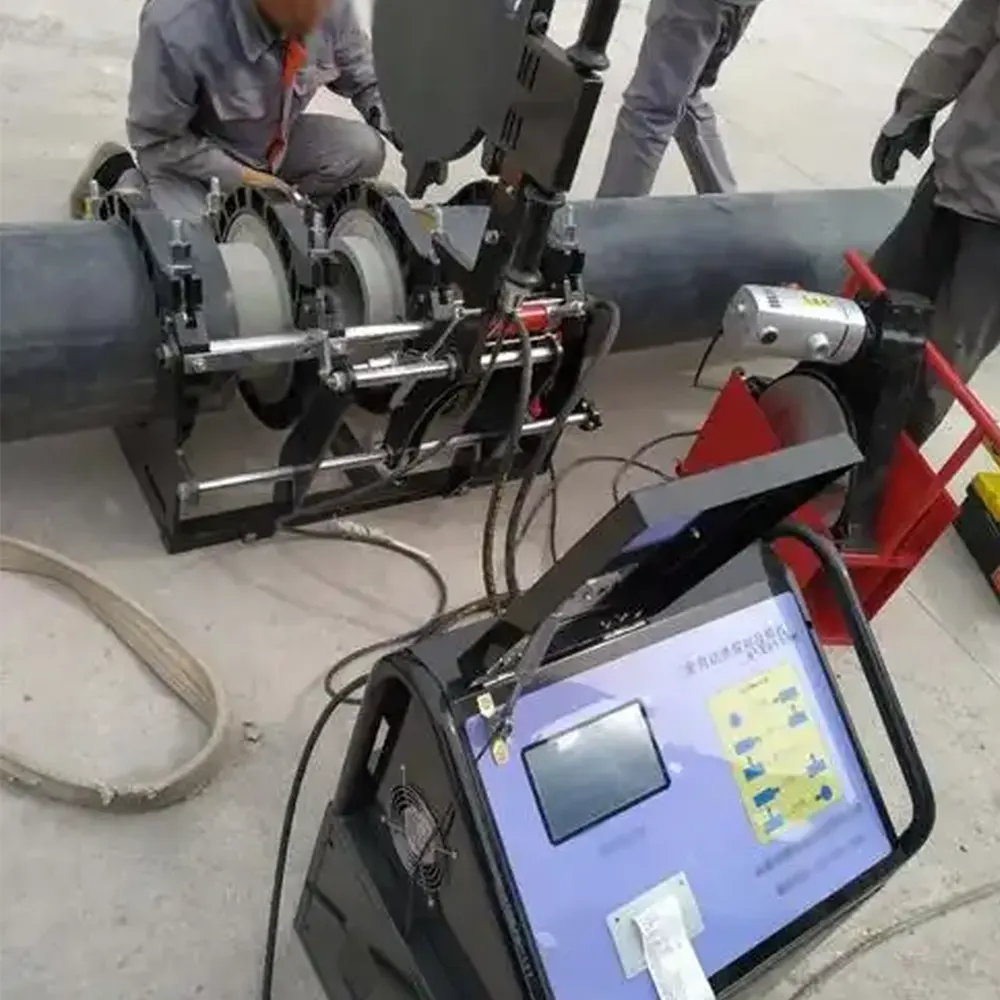
For government-funded large-scale irrigation projects, traceability is often non-negotiable. CNC automatic machines automatically record temperature, pressure, and time parameters for every joint, providing a printable audit trail. This level of documentation aligns with stringent quality assurance protocols.
Power Source Compatibility
Rural installation sites may have limited access to stable grid power. Verify the machine’s voltage requirements and consider systems that can efficiently run on mobile generators. This is a practical consideration that influences the choice between single-phase and three-phase equipment.
Critical Fusion Parameters and Standards
Achieving a structurally sound weld involves precisely controlled parameters. The table below summarizes the key variables a quality unit manages automatically or through guided manual control.
| Parameter | Role in Joint Integrity | Relevant Standard |
|---|---|---|
| Heating Plate Temperature | Must uniformly melt ends without degrading polymer | ISO 12176-1 |
| Interfacial Pressure | Ensures molecular entanglement during cooling | ASTM F2620 |
| Bead Size and Appearance | Visual external indicator of proper process | PPI TN-51 |
| Soak Time | Supplies sufficient heat for deep material penetration | ISO 21307 |
Maintenance and After-Sales Support
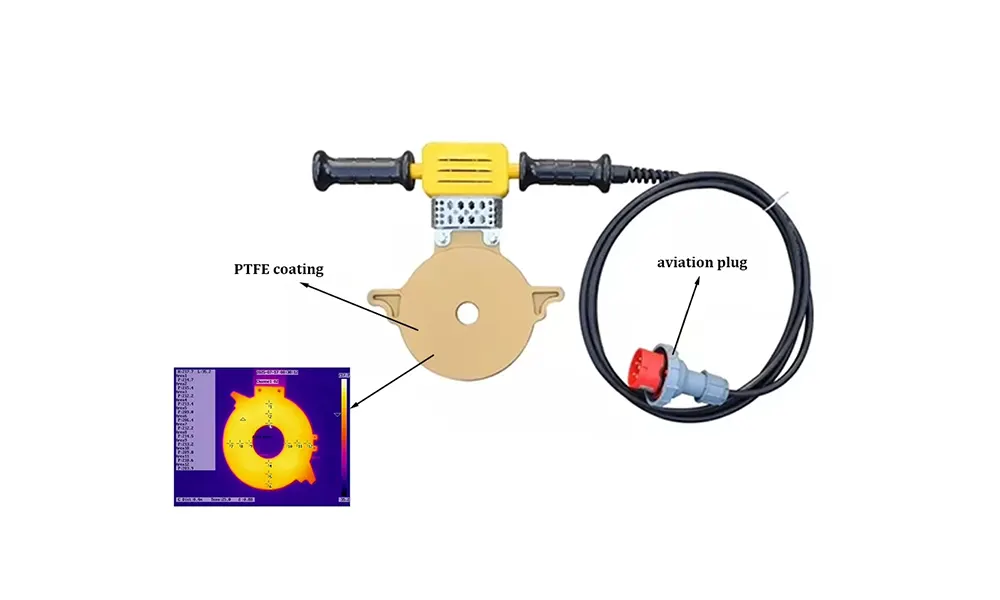
Given the harsh conditions of field work—dust, mud, and variable weather—the durability of your HDPE pipe jointing machine for irrigation is vital. Look for manufacturers who utilize machined aluminum clamps rather than cast iron, as these resist corrosion and maintain clamping flatness over decades. Additionally, ensure that the heating plate features a non-stick PTFE coating, properly maintained, to prevent material drag. JQ-Fusion integrates these durable features in their equipment range, and a responsive after-sales team is crucial when your planting schedule dictates the project timeline.
Additional Joining Technologies
While butt fusion dominates mainline installation, irrigation networks often include service connections that benefit from different methods. Electrofusion equipment for HDPE connections is frequently used for tie-ins where the pipe cannot be moved, or for connecting tight geometries. Furthermore, dedicated multi-angle machines are indispensable for fabricating custom lateral connections and reducing the need for injection-molded fittings on large diameter branches.
For operators new to thermoplastic welding, consulting the PPI butt fusion procedure manual provides essential technical guidance. Following these established practices ensures every joint achieves the necessary strength for pressurized irrigation systems. Whether you manage a small farm or a regional water distribution authority, selecting equipment with accurate pressure gauges and precise trimmer blades makes the difference between a reliable system and one prone to costly failures.