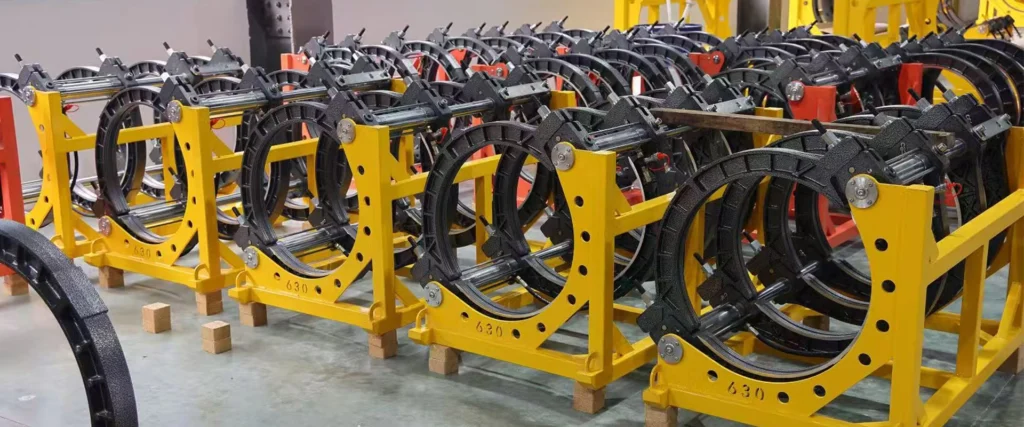
High-density polyethylene (HDPE) pipes have become the industry standard for natural gas distribution networks worldwide. Their flexibility, corrosion resistance, and exceptional longevity make them ideal for both main and service lines. However, the performance integrity of a gas pipeline depends critically on the quality of the joints. A reliable HDPE pipe jointing machine for gas pipelines is not just a tool—it is a fundamental requirement for ensuring leak-free, long-lasting connections that meet stringent safety regulations.
Why Jointing Quality Matters in Gas Applications
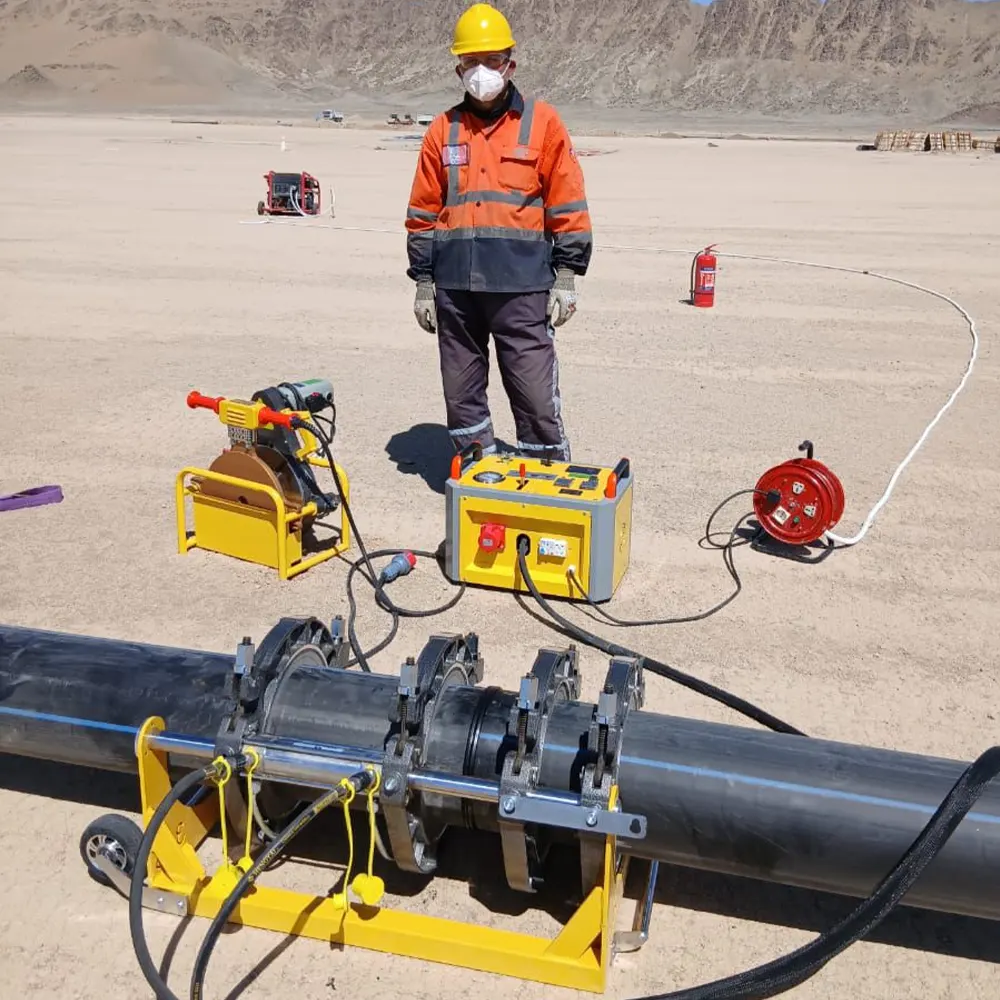
Unlike water or sewer systems, gas pipelines operate under constant pressure and require joints that can withstand ground movement, temperature fluctuations, and chemical exposure without degrading. A poorly executed fusion joint can lead to catastrophic leaks. This is why butt fusion welding technology has emerged as the preferred joining method, creating a homogenous bond that is often stronger than the pipe itself. The machines used for this process must deliver precise alignment, accurate temperature control, and consistent pressure throughout the welding cycle.
Types of HDPE Pipe Jointing Machines for Gas Pipelines
Selecting the right equipment depends on pipe diameter, project scale, and desired level of automation. The market offers several distinct categories, each suited to specific gas pipeline construction scenarios. Understanding their core capabilities will help you choose the optimal HDPE pipe jointing machine for gas pipelines.
Manual Butt Fusion Machines
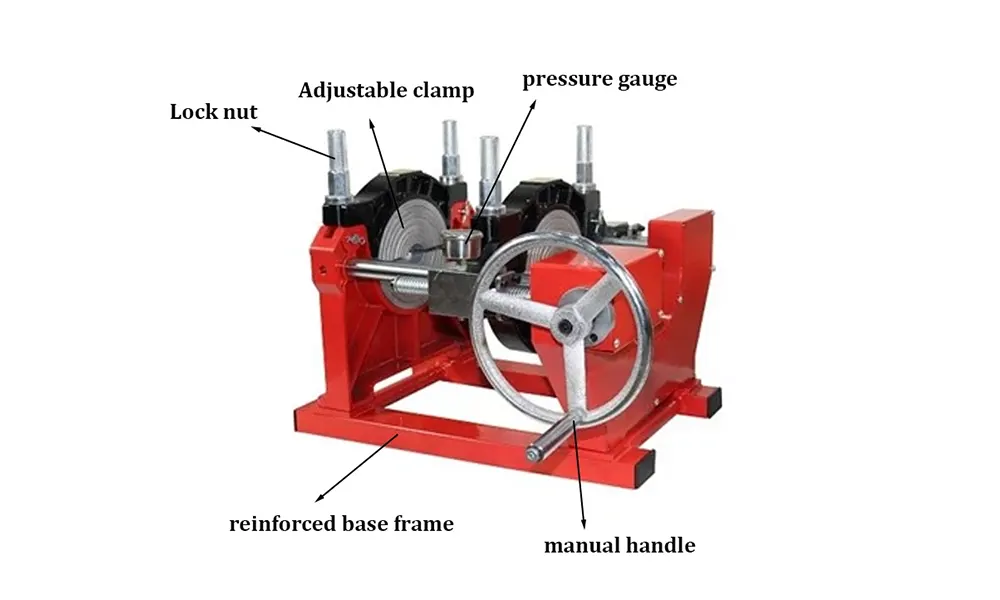
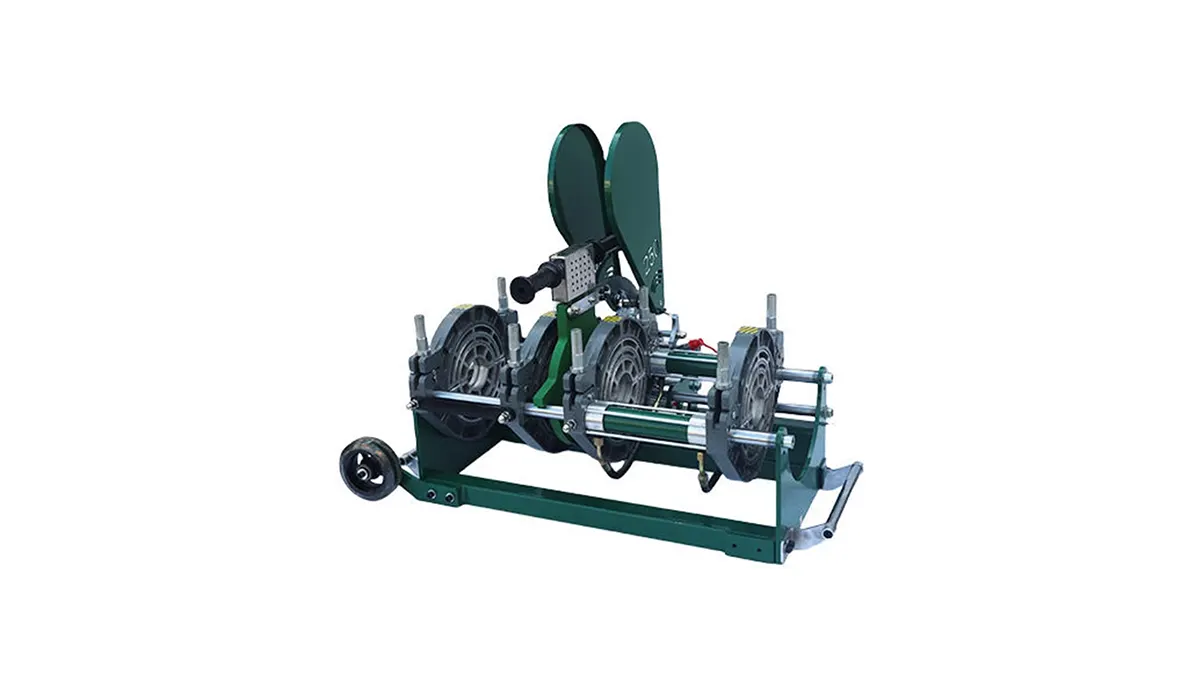
Manual machines are the backbone of smaller-scale gas distribution projects and service line installations. They require the operator to manually control the clamping, facing, and heating phases. While they demand skilled technicians, these machines offer excellent portability and cost-effectiveness for pipes typically ranging from 63mm to 250mm. Their simplicity ensures quick setup in trench conditions where gas utilities often work. Check out manual butt fusion machines designed for such precise field operations.
CNC Automatic Butt Fusion Machines
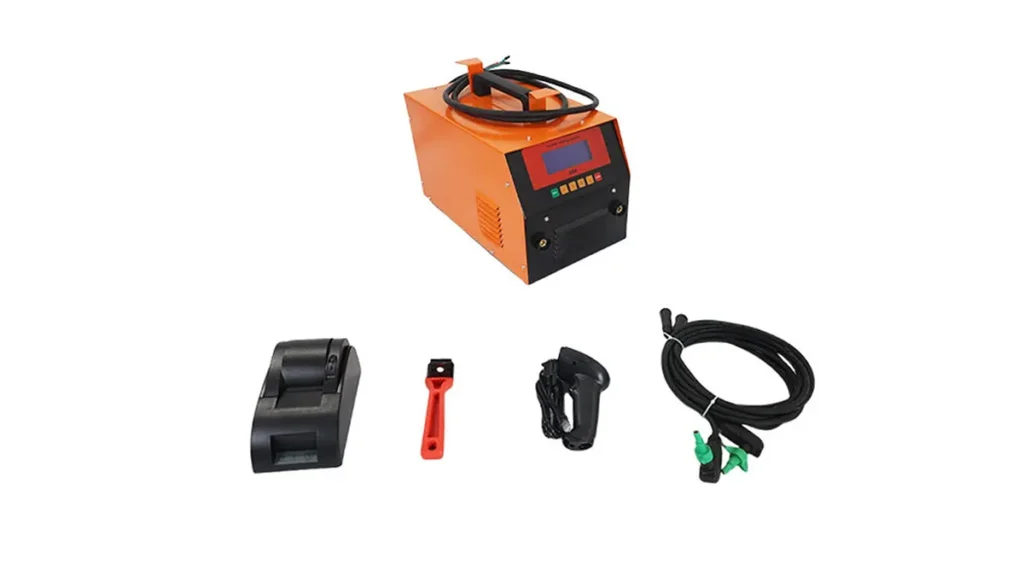
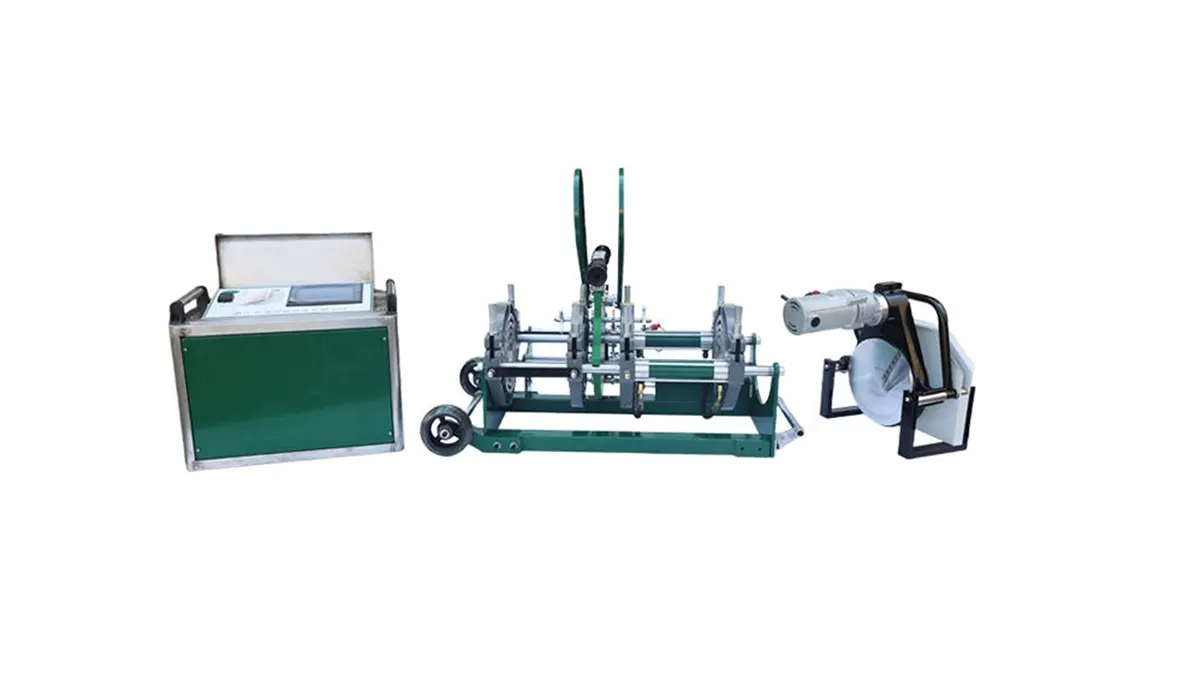
For gas utilities that demand absolute repeatability and data logging, CNC automatic machines represent the gold standard. These systems automate the entire welding sequence according to pre-programmed standards such as ISO 4437-1. The built-in control unit monitors heating time, soak pressure, and fusion pressure in real-time, eliminating operator error. Many models generate traceable joint reports for quality assurance documentation, which is increasingly required by gas pipeline regulations. Explore CNC automatic butt fusion machines that comply with these high standards.
Hydraulic Butt Fusion Machines
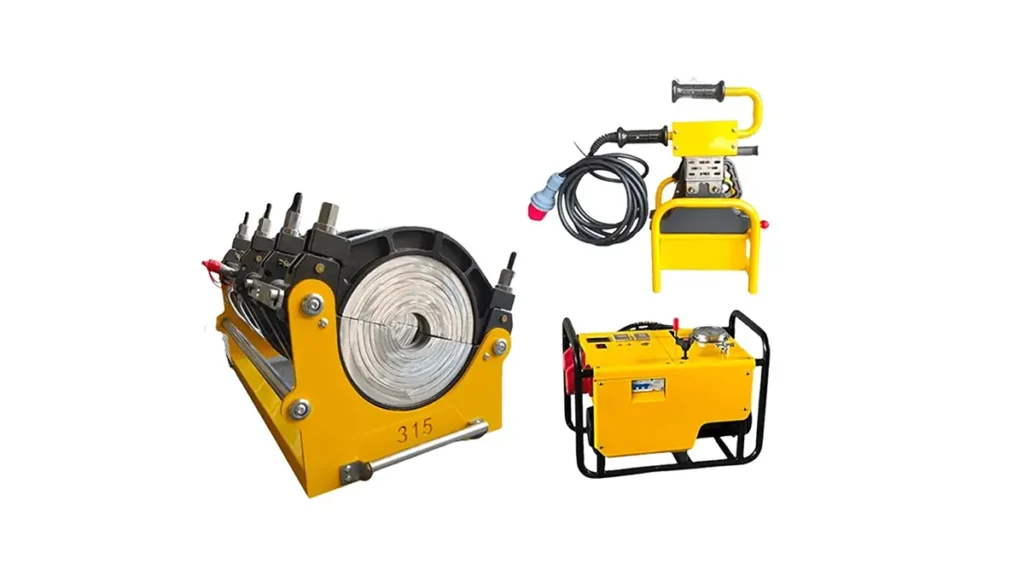
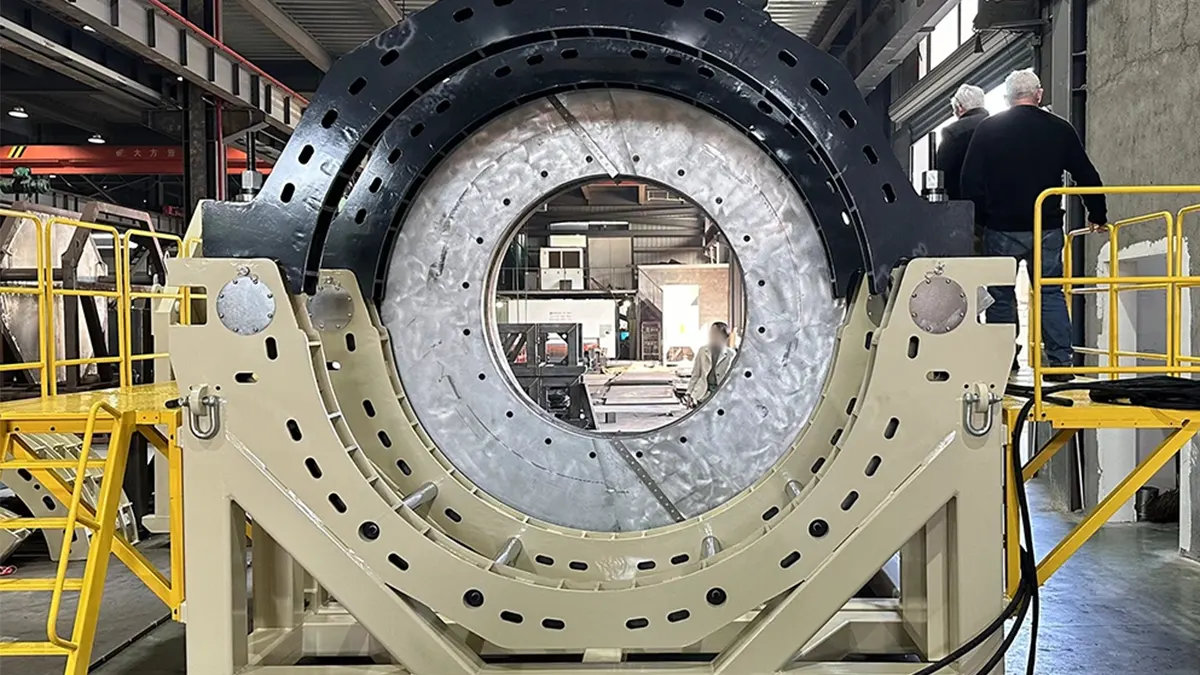
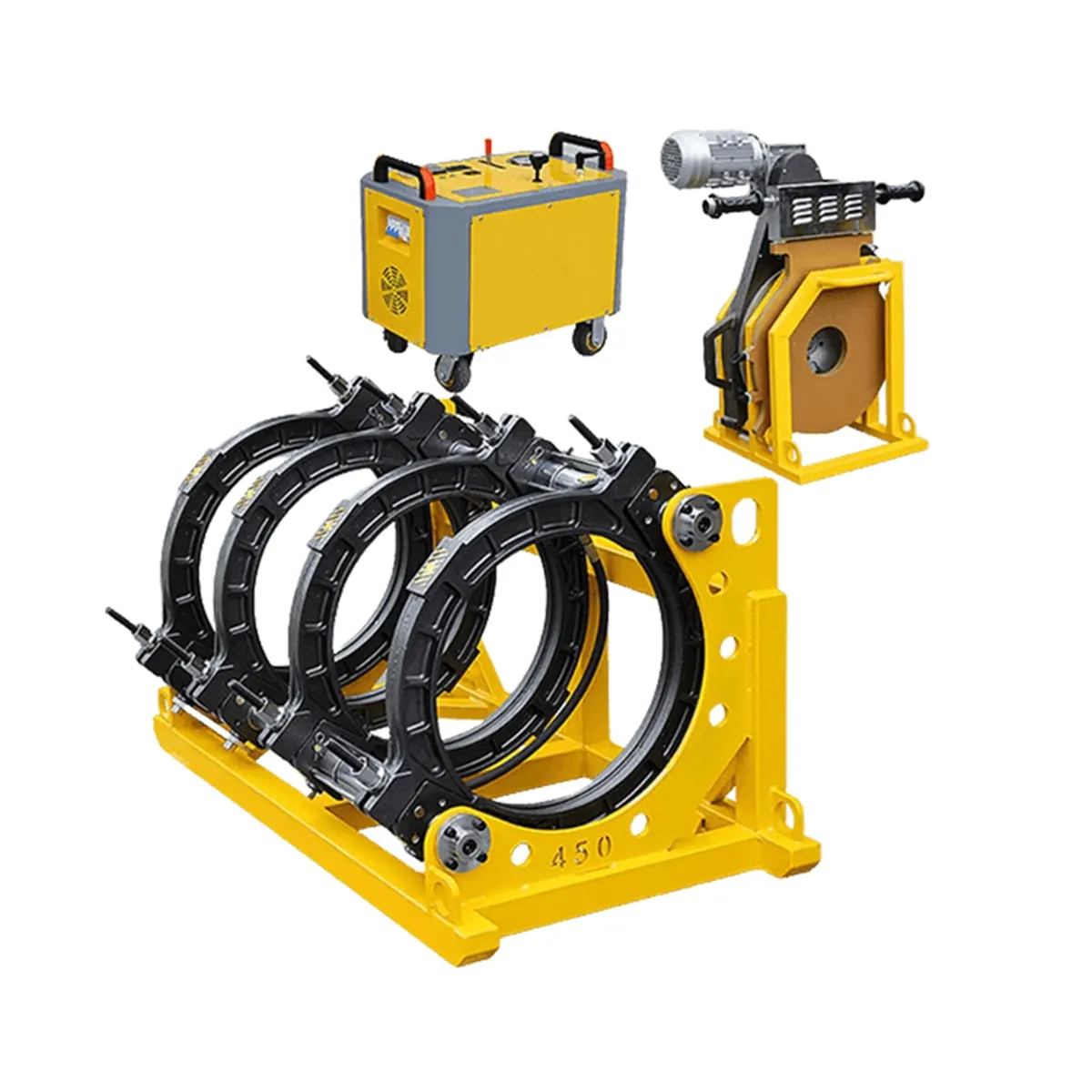
When dealing with large-diameter mains—typically 315mm and above—hydraulic power becomes essential. Hydraulic systems provide the immense clamping and forging forces needed to align and fuse heavy polyethylene pipe sections. These machines often feature a separate hydraulic power pack and are built onto a wheeled frame for mobility across the right-of-way. They are the workhorses of cross-country gas transmission and large distribution trunk lines. You can find a complete range of hydraulic pipe welding equipment tailored for heavy-duty applications.
Key Benefits of Using Specialized Fusion Equipment
Investing in a purpose-built HDPE pipe jointing machine for gas pipelines yields significant advantages over crude heating methods or mechanical fittings. The benefits extend beyond the immediate joint to the entire lifecycle of the pipeline asset.
- Leak-Free Monolithic System: Properly executed butt fusion creates a continuous, seamless pipeline that eliminates potential leak paths at joints.
- Enhanced Safety Records: Automated data logging and consistent fusion parameters reduce the risk of human error, a critical factor in gas pipeline safety audits and operator qualification under guidelines like ISO 12176-3.
- Long-Term Cost Efficiency: While high-quality machines represent a capital investment, they deliver lower long-term operational costs through reduced repair needs, fewer inspection failures, and extended service intervals.
- Regulatory Compliance: Gas distribution companies face rigorous oversight. Using equipment that aligns with ASTM F2620 standards ensures your project documentation can withstand regulatory scrutiny.
Essential Features to Evaluate Before Buying
Not all fusion machines are created equal. When procuring equipment for gas pipeline work, several technical aspects deserve close inspection to ensure you acquire a durable and precise HDPE pipe jointing machine for gas pipelines.
| Feature Category | Specification to Check | Impact on Gas Pipe Jointing |
|---|---|---|
| Heating Plate | Even surface temperature, non-stick coating | Prevents cold spots and contamination in the melt zone |
| Facing Tool | Double-edged hardened steel blades | Produces parallel, smooth pipe ends for optimal fusion alignment |
| Clamp Force and Alignment | Rigid frame with fixed and movable jaws | Maintains proper bead shape and prevents angular misalignment |
| Data Logging | USB output, real-time parameter display | Enables PE fusion traceability and quality record keeping |
| Pressure Control | Precision hydraulic or digital regulation | Delivers exact fusion force matching pipe SDR and material specs |
Understanding Standards and Operator Requirements
The gas industry operates under some of the most stringent construction standards. Any HDPE pipe jointing machine for gas pipelines you consider should be compatible with recognized welding procedures. Key references include the ISO 12176-1 standard for butt fusion equipment and the widely adopted PPI TR-33 generic butt fusion joining procedure. Operators should be qualified, and many jurisdictions now require fusion operator certification as outlined in multilateral guidelines. This ensures that both the machine and the technician meet the gold standard for public safety.
About JQ-Fusion and Our Commitment
JQ-Fusion is a professional manufacturer specializing in HDPE pipe welding machines, providing reliable butt fusion solutions for global infrastructure projects. With years of industry experience, we focus on the development and production of manual, hydraulic, and CNC automatic butt fusion welding machines, covering a wide range of pipe sizes from small to large diameters. Our products are widely used in water supply, gas distribution, mining, and industrial pipeline systems. We are committed to delivering high-quality, durable, and customizable welding equipment to meet diverse project requirements. Supported by advanced manufacturing facilities, strict quality control processes, and a responsive service team, JQ-Fusion has built long-term partnerships with distributors and contractors worldwide. From standard models to tailored solutions, we help our clients achieve efficient, precise, and reliable pipe welding performance.
Selecting the Right Machine for Your Gas Project
To finalize your decision on a HDPE pipe jointing machine for gas pipelines, consider the project scope and pipe dimensions. For small-diameter service lines (20mm to 200mm), a robust manual machine or a compact automatic unit is often sufficient. Medium-diameter distribution mains (200mm to 500mm) benefit greatly from the consistency of CNC automatic models. For large-diameter transmission pipelines (500mm and above), only heavy-duty hydraulic machines provide the necessary clamping force and stability. Always verify that the machine’s pressure capability matches the SDR rating of the pipe material specified for your gas network.
Remember: In gas pipeline construction, the joint is only as strong as the equipment and skill that produced it. Prioritize proven technology, comprehensive after-sales support, and standard-compliant operation. For more technical guidance on jointing methods and machine selection, explore our detailed support resources or reach out to discuss your specific gas pipeline requirements with our team.