
Mastering the operation of an HDPE pipe jointing machine is fundamental for contractors and field technicians involved in water supply, gas distribution, and industrial pipeline systems. Proper technique not only ensures a leak-proof seal but also extends the service life of the pipeline network. This HDPE pipe jointing machine operation guide provides clear, step-by-step instructions based on international standards and field best practices, helping you achieve consistent, high-quality butt fusion joints every time.
1. Safety Preparations Before Operation
Before starting any butt fusion procedure, site safety and personal protective equipment (PPE) must be verified. Operators should adhere to recognized safety protocols to prevent injury and equipment damage.
- Personal Protective Equipment: Always wear heat-resistant gloves, safety glasses, and steel-toe boots. The heating plate reaches temperatures exceeding 200°C (392°F).
- Work Area: Ensure the work zone is clean, dry, and protected from adverse weather such as rain or excessive dust. Use a tent if necessary.
- Electrical Safety: Verify the power source matches the machine’s voltage requirements. Ensure proper grounding, especially when using a generator.
2. Machine Setup and Component Inspection
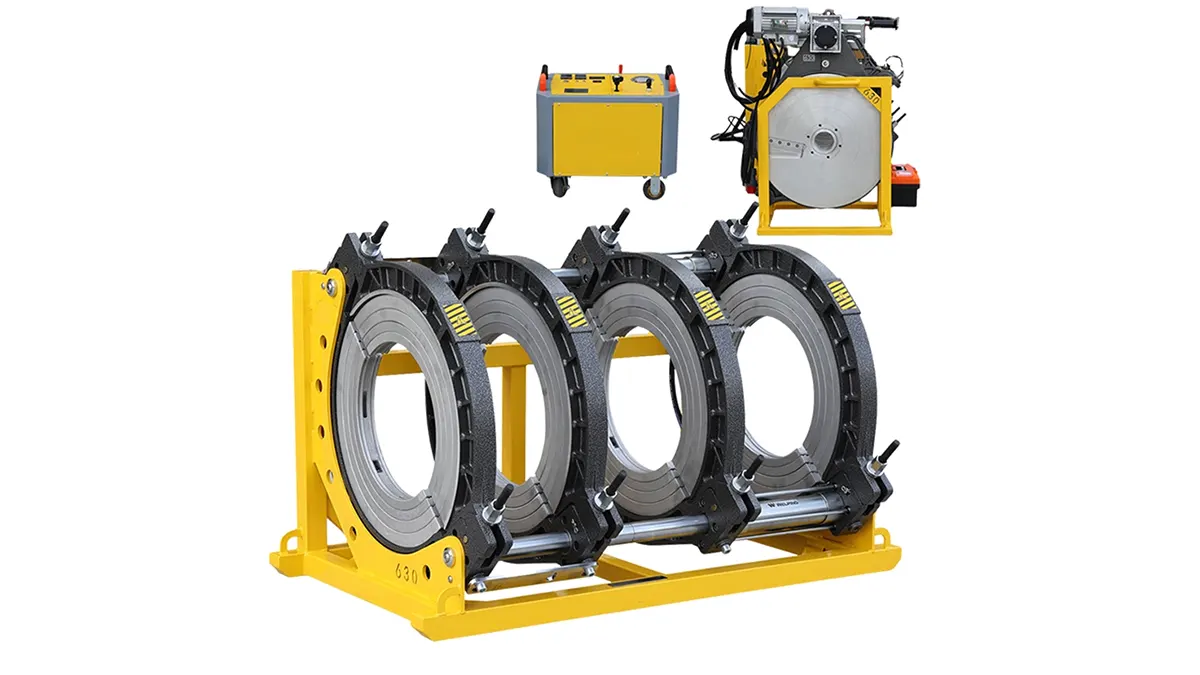
A thorough inspection of your butt fusion equipment is critical. This applies whether you are using a hydraulic butt fusion machine for large diameters or a manual butt fusion machine for smaller pipes.
- Clamps and Inserts: Confirm the clamps and reduction inserts are the correct size for the pipe diameter. Clean any dirt or debris from the clamping surfaces.
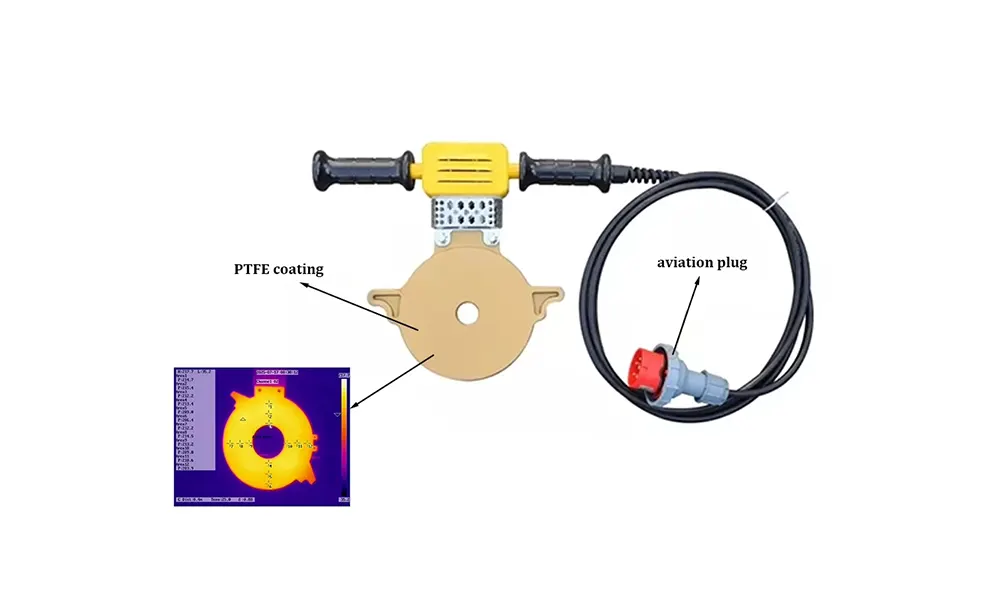
- Heating Plate: Check the non-stick coating (usually PTFE) for damage or residue. The surface must be clean and free of polymer build-up.
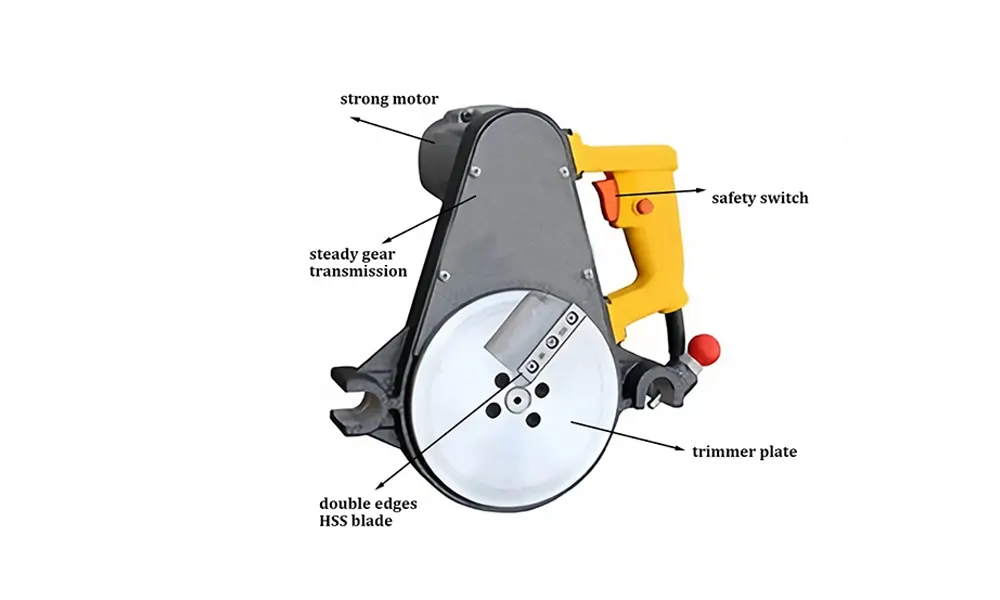
- Facing Trimmer: Ensure the trimmer blades are sharp and clean. Dull blades can cause inadequate facing, leading to poor joint quality.
3. Step-by-Step Jointing Procedure
The HDPE pipe jointing machine operation guide involves a precise sequence that must be strictly followed. According to the widely recognized ISO 21307 butt fusion procedures, the process includes heating, soaking, heater plate removal, and fusion under pressure.
Step 1: Clamping and Aligning Pipes
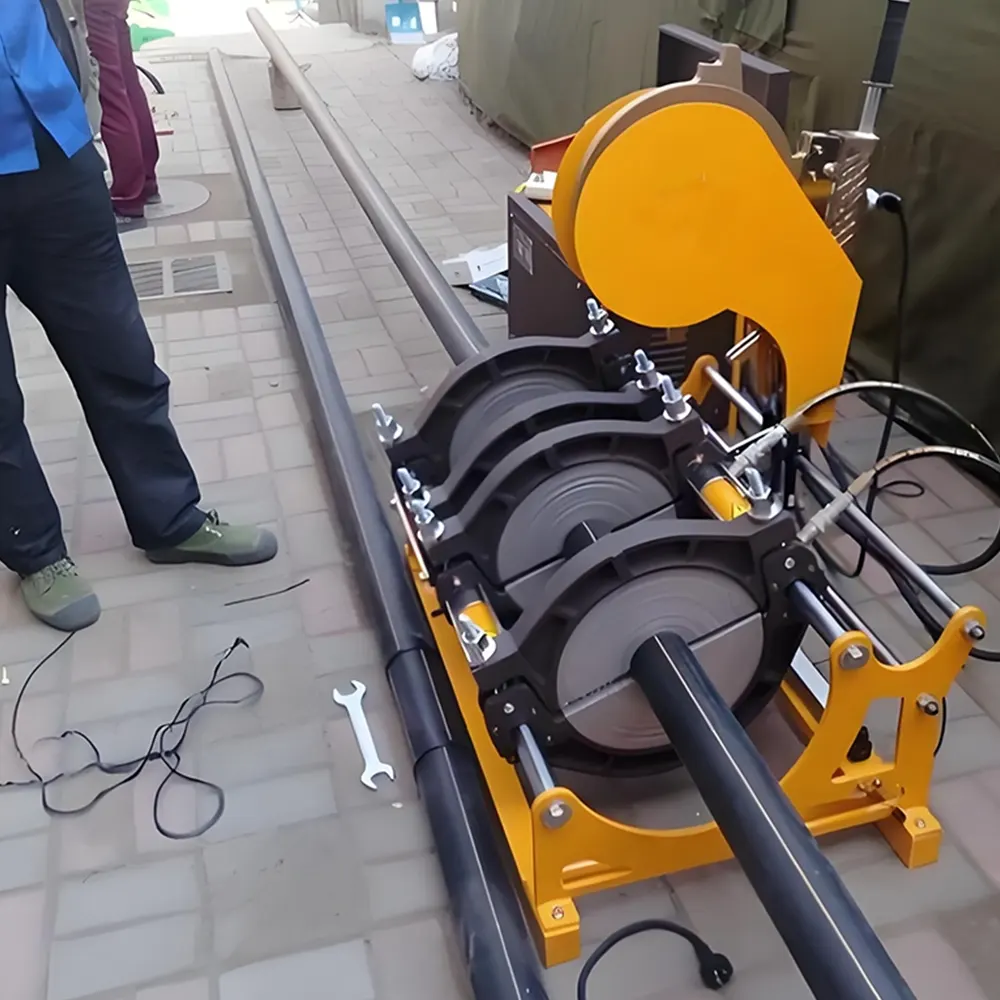
Load the pipe ends into the machine clamps. The pipe ends should protrude just enough to be faced. Tighten the clamps sufficiently to secure the pipe without causing deformation. High alignment accuracy minimizes mismatch and ensures a uniform weld bead.
Step 2: Facing the Pipe Ends
Engage the facing trimmer and bring the pipe ends together against it with steady pressure. Continue facing until a continuous ribbon of material is removed from both pipe ends, confirming 100% face contact. Stop the trimmer and retract the carriage to inspect the faces; they should be smooth and parallel.
Step 3: Heating and Melt Bead Formation
Verify the heating plate has reached the correct temperature (typically 210-230°C for PE80 and PE100). Move the carriage against the heater, applying the specified bead-up pressure. Watch for the initial melt bead to form around the pipe circumference. Once formed, reduce the pressure to the soak/heating phase to allow heat penetration at almost zero force.
Step 4: Heater Plate Removal
Separate the pipe ends, remove the heater plate swiftly and smoothly, and immediately bring the melted ends together. The changeover time must be as short as possible to prevent the melt from cooling. This step is time-critical; delays result in cold joints.
Step 5: Fusion and Cooling
Apply the specified joining pressure gradually to form a double melt bead. Maintain this pressure throughout the cooling phase. Do not disturb the joint, apply stress, or move the machine until the cooling time is complete. The joint should cool naturally under pressure.
| Parameter | Typical Value | Importance |
|---|---|---|
| Heater Temperature | 210-230°C (PE80/PE100) | Prevents oxidation or cold fusion |
| Bead-up Pressure | 0.15 – 0.17 N/mm² | Ensures proper initial melt |
| Changeover Time | As short as possible | Critical for joint integrity |
| Cooling Time | Varies by wall thickness | Must be strictly adhered to |
4. Key Parameters for Quality Joints
Achieving a strong joint depends on controlling three essential physical parameters: temperature, time, and pressure. The operator must understand the relationship between these factors; for instance, thicker pipe walls require longer heat soak and cooling times. Always refer to the machine’s specific data logger or control panel if equipped with a CNC automatic system.
5. Visual Inspection of the Weld
After the joint has cooled completely to ambient temperature, remove it from the clamps and perform a visual inspection. The double melt bead should be uniform in size and shape around the entire circumference.
- Bead Width: The width of the external bead should be consistent, roughly 1.5-2 times the width of the initial bead up.
- Alignment: The pipe surfaces should align closely with minimal mismatch. The bead should be smooth and symmetrical.
- Defects: Look for cracks, porosity, or a V-groove between the beads, which may indicate insufficient heating or excessive pressure.
6. Common Operating Mistakes to Avoid
Even experienced technicians can encounter issues. Understanding common pitfalls is a key part of this HDPE pipe jointing machine operation guide.
- Insufficient Facing: Not facing the pipe ends until a continuous ribbon is produced results in contaminated weld surfaces.
- Contaminated Heater Plate: Using a dirty heating plate transfers old polymer residue to the pipe ends, preventing a proper bond.
- Moving Pipes Early: Removing the pipe from the machine or applying bending stress before full cooling time drastically reduces joint strength.
7. Advanced Equipment and Automation
For critical gas and water infrastructure projects, many contractors prefer CNC automatic butt fusion welding machines. These systems automatically track and record temperature, pressure, and timeline data, ensuring full compliance with traceability standards. As a professional manufacturer specializing in HDPE pipe welding machines, JQ-Fusion provides reliable butt fusion solutions that integrate these advanced control features for precise, repeatable results. The data-logging capability helps operators demonstrate adherence to project specifications and long-term pipeline integrity requirements.
For professionals seeking in-depth technical specifications, the PPI Handbook of Polyethylene Pipe and industry standards like ASTM F2620 heat fusion are essential references.
8. Maintenance and Storage of Your Machine
After completing the welding operation, proper maintenance ensures your equipment remains reliable for the next project. Always allow the heating plate to cool down before handling it for storage. Clean the PTFE surface with a non-abrasive cloth while it is still slightly warm to easily remove contaminants. Store the machine, trimmer, and heating plate in a dry, covered environment to prevent rust and protect sensitive electronic components from moisture. If you also work with electrofusion equipment, keep the scraper tools and electrical leads clean and free of corrosion.



