
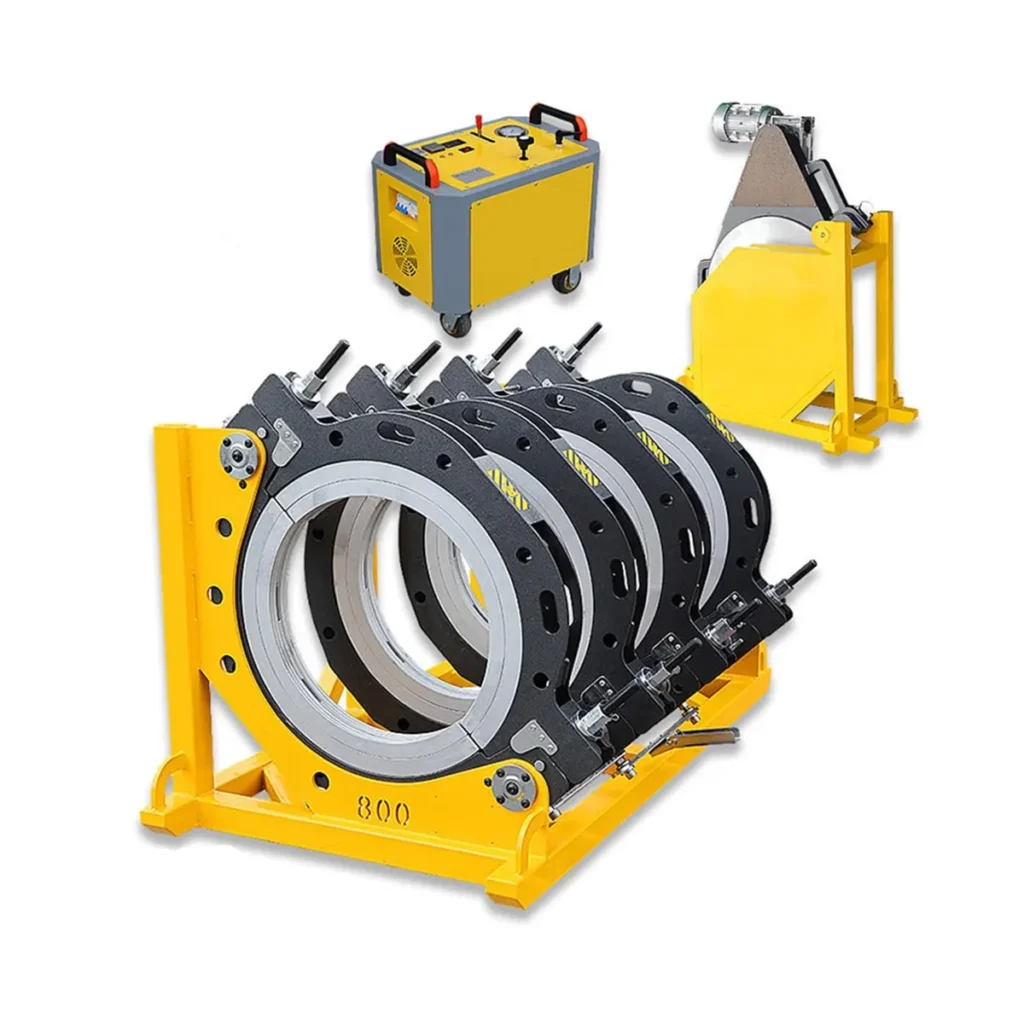
Selecting the right butt fusion machine for PE pipes is a critical decision that directly impacts pipeline integrity, installation efficiency, and long-term project costs. Whether you are working on municipal water supply, gas distribution, mining, or industrial piping systems, understanding how to evaluate and choose the appropriate equipment ensures strong, leak-free joints that last for decades. This guide walks you through the essential factors to consider when investing in a butt fusion welding machine.
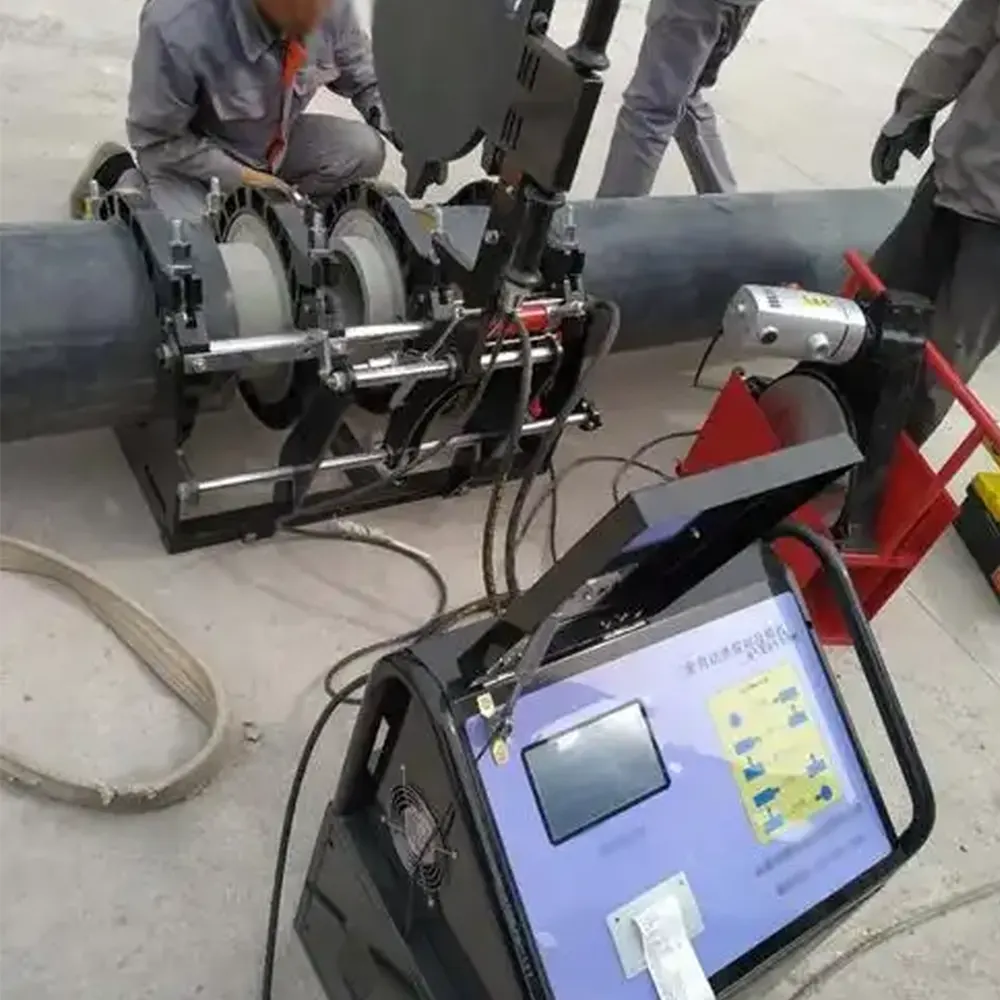
Understanding Butt Fusion Welding for PE Pipes
Butt fusion is the most widely used method for joining polyethylene (PE) pipes. The process involves heating the pipe ends against a precisely temperature-controlled plate, then pressing them together under controlled pressure to form a homogeneous joint. Unlike mechanical fittings, a properly executed butt fusion weld creates a joint that is as strong as the pipe itself. The quality of this weld depends heavily on the butt fusion machine used — making equipment selection a top priority for contractors and project managers.
Key Components of a Butt Fusion Machine
Before diving into selection criteria, it helps to understand the core components that make up a butt fusion machine for PE pipes. Each component plays a vital role in ensuring consistent, high-quality welds.
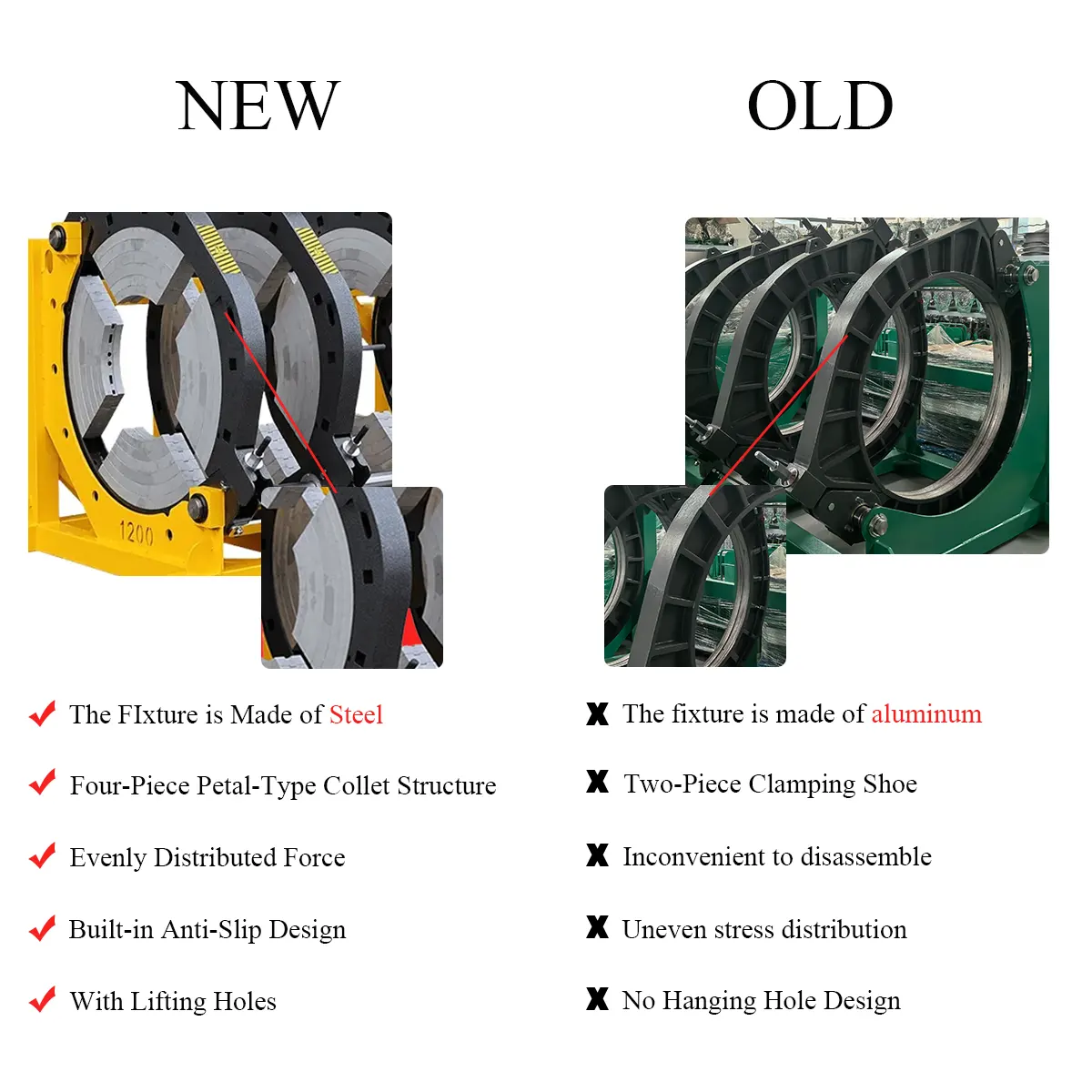
- Clamping System: Secures the pipes in place and ensures proper alignment during the welding cycle. The clamp design affects grip strength and ease of operation.
- Facing Tool (Trimmer): Shaves the pipe ends to create clean, parallel surfaces essential for a proper bond. Sharp, durable blades are critical for performance.
- Heating Plate: Precisely heats the pipe ends to the required temperature. Uniform heat distribution and accurate temperature control are non-negotiable features.
- Hydraulic or Manual Drive System: Controls the movement of pipes and applies the necessary fusion pressure. The drive mechanism determines how smoothly and accurately the welding sequence is executed.
- Control Unit: Manages welding parameters such as temperature, pressure, and timing. Advanced machines feature digital interfaces and data logging capabilities.
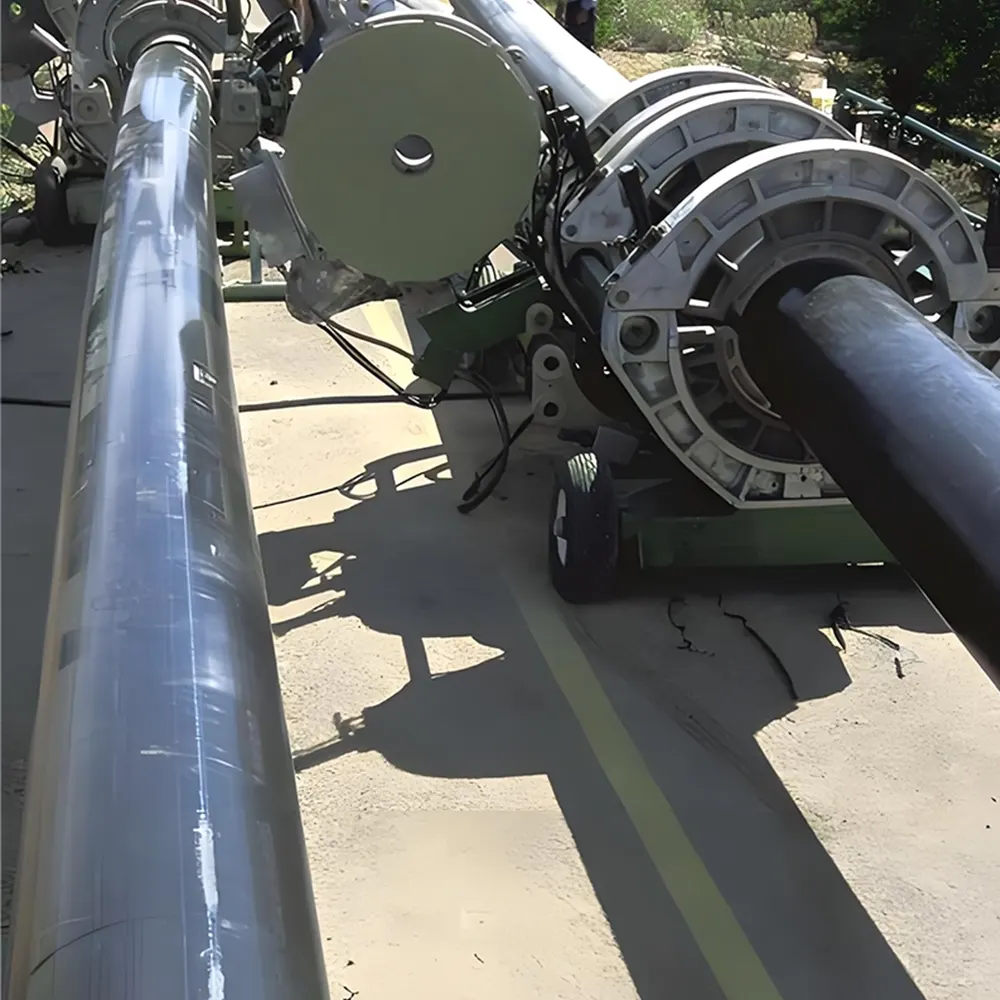
Critical Factors for Choosing a Butt Fusion Machine
Every project has unique requirements, and the ideal butt fusion machine for PE pipes should match your specific operational needs. The table below summarizes the key factors to evaluate before making a purchase.
| Selection Factor | Why It Matters | Key Considerations |
|---|---|---|
| Pipe Diameter Range | Determines the machine size and clamping capacity needed | Match the machine to your most common pipe sizes; allow room for future projects |
| SDR Rating Compatibility | Affects wall thickness handling and fusion pressure requirements | Ensure the machine accommodates the SDR range of pipes you typically work with |
| Automation Level | Impacts operator skill requirements and weld consistency | Manual, hydraulic, or CNC automatic — each suits different project scales |
| Job Site Conditions | Influences portability and durability requirements | Consider terrain, weather exposure, and transport logistics |
| Production Volume | Determines duty cycle and durability needs | High-volume projects demand robust, continuous-duty rated machines |
| Data Logging Requirements | Essential for quality assurance and regulatory compliance | CNC automatic models offer comprehensive weld data recording |
| Budget and ROI | Balances upfront investment with long-term operational value | Consider total cost of ownership, including maintenance and spare parts availability |
Comparing Types of Butt Fusion Machines
There are three main categories of butt fusion welding machines, each designed for different levels of operational complexity and project scale. Understanding their differences helps you make an informed choice.
Manual Butt Fusion Machines
Manual butt fusion welders are the most basic and cost-effective option. They require the operator to manually control the clamping, facing, heating, and fusion pressure using levers and hand wheels. These machines are lightweight, portable, and ideal for small-diameter pipes typically ranging from 63mm to 315mm. They work well for repair work, small installations, and projects where portability is a priority.
Hydraulic Butt Fusion Machines
Hydraulic butt fusion welding machines use hydraulic power to generate and maintain precise fusion pressure. This reduces operator fatigue and improves consistency, especially on medium to large-diameter pipes. Hydraulic models typically handle pipe ranges from 160mm up to 2500mm or more. They are the preferred choice for municipal water and gas pipeline projects where weld repeatability and operator safety are essential.
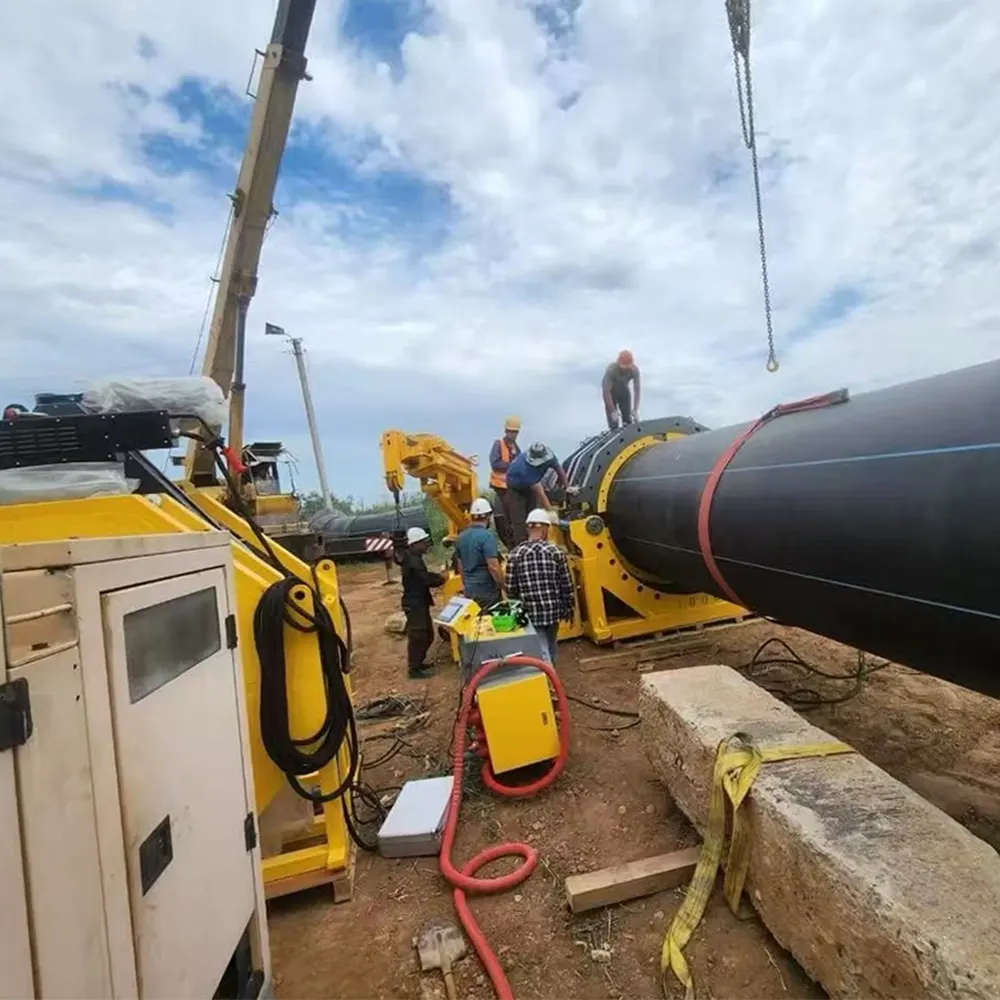
CNC Automatic Butt Fusion Machines
Automatic butt fusion equipment takes precision to the next level. These machines feature programmable logic controllers that automate the entire welding cycle, from facing to cooling. They monitor and adjust parameters in real time, store weld data for quality records, and minimize human error. CNC automatic models are ideal for critical infrastructure projects, large-scale operations, and any application requiring full traceability and documentation per ISO 21307 butt fusion procedures.
How Pipe Diameter and SDR Influence Machine Selection
The pipe diameter and Standard Dimension Ratio (SDR) are two of the most decisive factors when choosing a butt fusion machine for PE pipes. The SDR value represents the ratio of pipe diameter to wall thickness — a lower SDR means a thicker wall. Thicker walls require higher fusion pressures and more robust clamping force. Always verify that the machine’s clamping capacity and pressure range match the SDR ratings of the pipes you intend to weld. Mismatched equipment can lead to insufficient fusion pressure, resulting in weak joints and potential pipeline failures.
General Diameter Guidelines
- 63mm – 315mm: Manual or small hydraulic machines are typically sufficient for this range. These are common in irrigation, plumbing, and small utility installations.
- 200mm – 800mm: Hydraulic machines provide the necessary clamping force and control. This range covers most municipal water distribution and industrial piping projects.
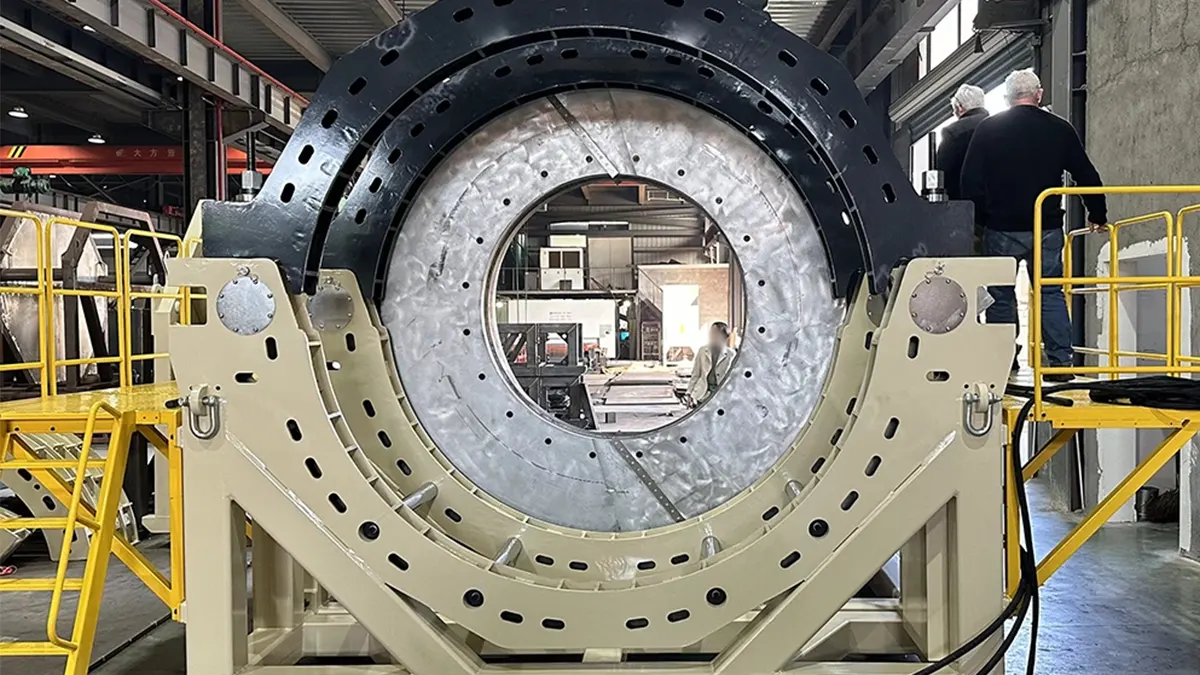
- 800mm – 2500mm+: Heavy-duty hydraulic or automatic CNC machines are required. Large-diameter pipes demand substantial clamping force, precise alignment, and often feature data logging for quality assurance.
Standards and Certifications to Look For
When evaluating a butt fusion machine, confirm that it meets recognized international standards. Compliance with these standards ensures the equipment has been designed and tested for reliable performance. Key standards include:
- ISO 21307 — Defines butt fusion jointing procedures for PE piping systems, providing a globally accepted benchmark for weld quality.
- ISO 12176-1 — Specifies general requirements for PE butt fusion equipment standard, covering design, safety, and performance characteristics.
- ASTM F2620 — Governs heat fusion joining of PE pipe and fittings, widely referenced in North American pipeline projects. See the latest ASTM F2620 heat fusion guidelines for detailed requirements.
- PPI TR-33 — Offers a PPI butt fusion procedure widely adopted by contractors for field operations.
Operator Training and Skill Requirements
Even the best butt fusion machine for PE pipes cannot compensate for inadequate operator training. Different machine types demand different skill levels. Manual machines require experienced operators who understand how to gauge fusion pressure and judge heating times by feel and observation. Hydraulic machines reduce some variability but still require knowledge of proper parameter settings. CNC automatic butt fusion welding machines simplify operation significantly but operators should still understand the underlying principles of thermoplastic welding. Investing in operator training alongside your equipment purchase maximizes the return on investment and minimizes costly weld failures.
Maintenance, Spare Parts, and After-Sales Support
A butt fusion machine is a long-term investment, and its longevity depends on proper maintenance and access to spare parts. When selecting equipment, consider the following:
- Availability of Spare Parts: Heating plates, trimmer blades, hydraulic seals, and clamp liners wear over time. Choose a supplier that maintains a comprehensive inventory of replacement parts.
- Technical Support: Responsive after-sales service can make the difference between minimal downtime and costly project delays. Verify the manufacturer’s support channels and response times.
- Routine Maintenance Requirements: Hydraulic systems need fluid checks and filter replacements. Heating plates require regular surface cleaning and temperature calibration. Understanding these needs upfront helps you plan resources effectively.
- Warranty Coverage: Review warranty terms carefully, including coverage duration and what components are included.
Why Equipment Quality Matters for Long-Term Pipeline Performance
Choosing a high-quality butt fusion machine for PE pipes is not just about meeting immediate project needs — it is about ensuring the long-term integrity of the pipeline system. Poor-quality welds caused by inferior equipment can lead to leaks, pressure failures, environmental contamination, and costly excavation repairs. In gas distribution and potable water applications, the stakes are even higher, with public safety and regulatory compliance on the line. Investing in reliable, certified equipment from the start protects your reputation and your bottom line.
For contractors and distributors seeking dependable butt fusion welding solutions, JQ-Fusion offers a comprehensive range of manual, hydraulic, and CNC automatic machines engineered for consistent performance across diverse project conditions. With rigorous quality control, customizable options, and responsive global support, the right equipment partner makes all the difference in achieving efficient and reliable pipe welding results.
Key Takeaways
- Match the butt fusion machine to your pipe diameter range, SDR requirements, and project scale.
- Choose between manual, hydraulic, and CNC automatic types based on production volume and operator skill availability.
- Verify compliance with ISO 21307, ISO 12176-1, and ASTM F2620 standards for reliable performance.
- Factor in spare parts availability, technical support, and long-term maintenance when comparing equipment suppliers.
- Prioritize build quality and precision engineering — a superior butt fusion machine for PE pipes pays for itself through fewer reworks and longer pipeline service life.



