
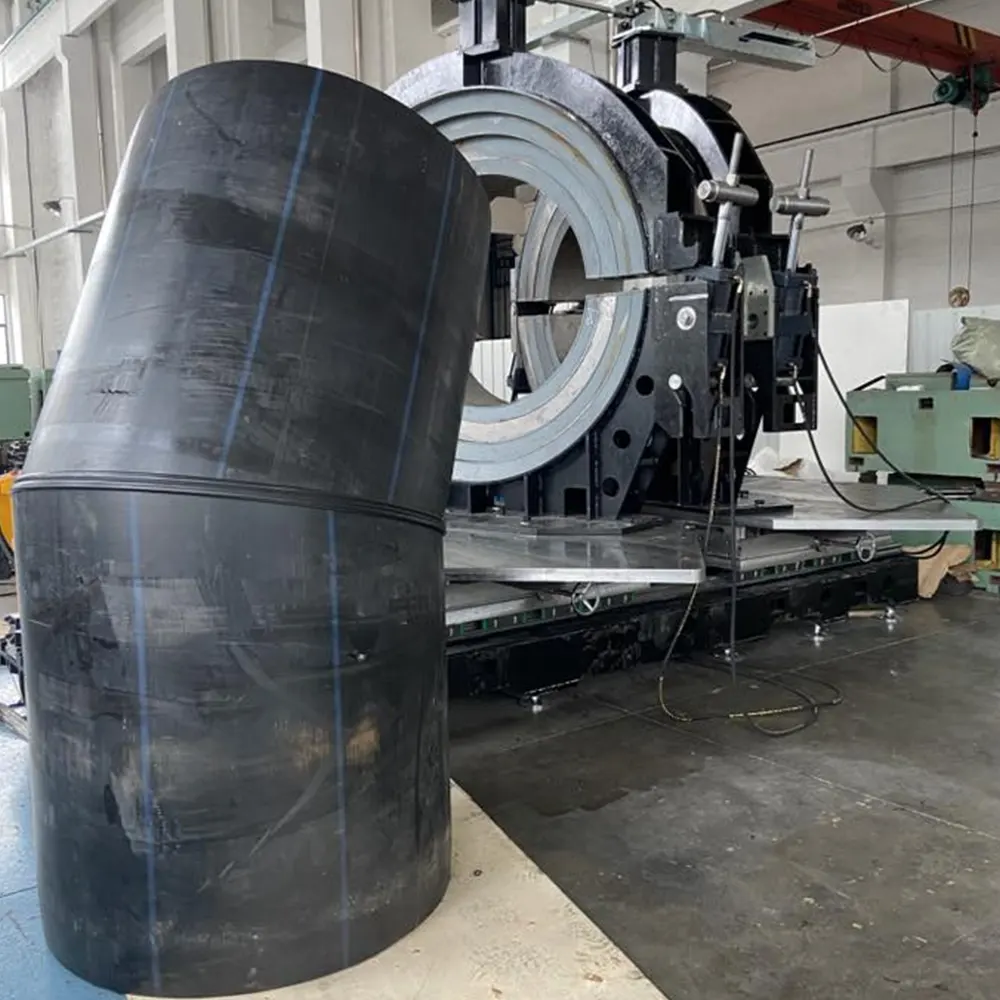
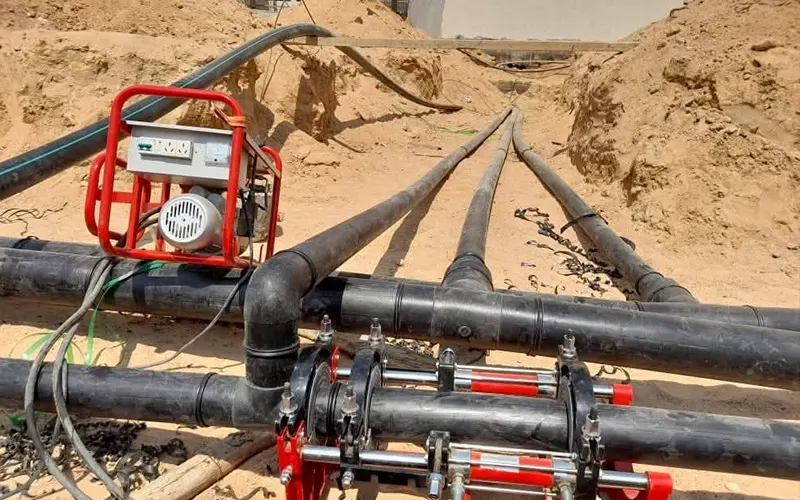
A butt fusion machine represents a significant investment for any pipeline contractor or utility company. Whether you are working with HDPE pipes in water supply, gas distribution, or industrial applications, the reliability of your welds depends heavily on how well you maintain your equipment. A well-executed maintenance routine not only extends the life of your butt fusion welding machine but also ensures consistent joint quality that meets international standards like ISO 21307 butt fusion procedures.
Why Routine Maintenance Is Non-Negotiable
Neglecting your butt fusion machine maintenance can lead to a cascade of problems. Contaminated heating plates, worn-out trimmer blades, and misaligned clamps are common culprits behind weak or inconsistent fusion joints. According to the PPI technical guidance, even minor deviations in temperature or alignment can compromise the integrity of the weld. Regular maintenance is the most cost-effective way to avoid costly rework, project delays, and potential safety hazards on site.
Daily and Pre-Operation Inspection Checklist
Before starting any fusion work, a quick but thorough inspection can prevent most equipment failures. Here is a practical checklist based on ASTM F2620 heat fusion best practices:
- Visual check: Inspect the entire machine frame for cracks, loose bolts, or hydraulic fluid leaks.
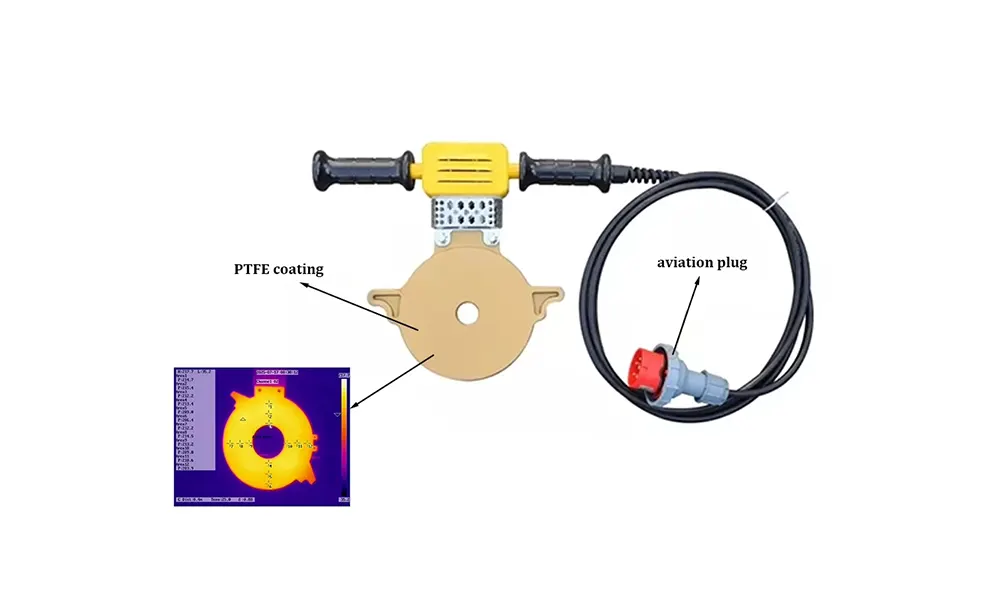
- Heating plate surface: Ensure the non-stick coating is intact and free from polymer residue or scratches.
- Temperature calibration: Verify the actual surface temperature against the digital display using a calibrated thermocouple. The temperature should be within ±5°C of the target.
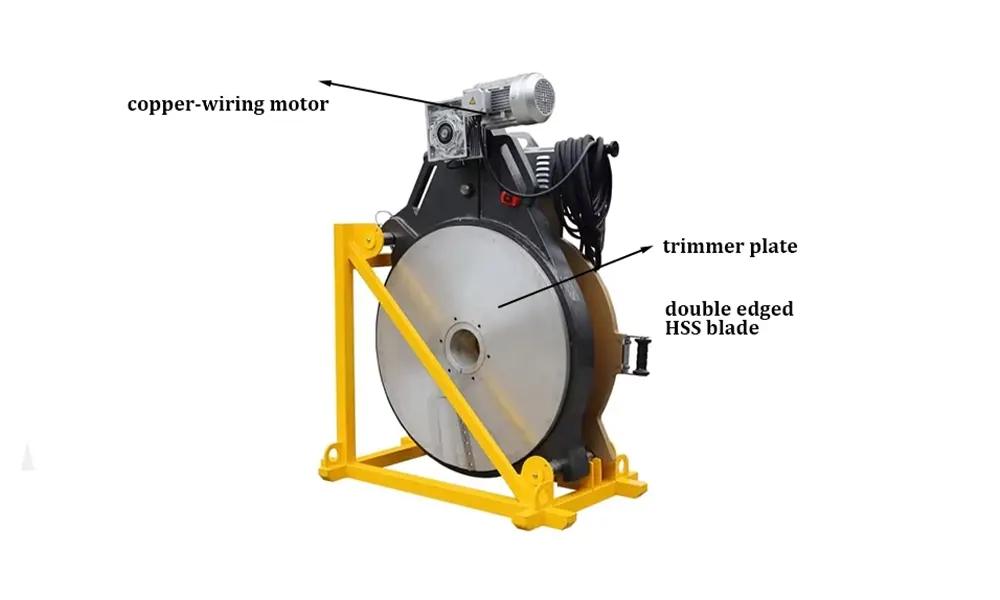
- Trimmer blades: Check for sharpness. Dull blades can smear the pipe surface instead of creating a clean, flat plane.
- Clamp condition: Clean the clamps and ensure the inserts match the pipe diameter to avoid slippage.
The Heart of the Machine: Heating Plate Care
The heating plate is the most critical component in a hydraulic butt fusion machine. Over time, degraded polymer particles bake onto the plate surface, creating hot spots that cause uneven heating. To clean it, always follow the manufacturer’s instructions—typically, this involves heating the plate to a moderate temperature and gently wiping it with a non-abrasive, lint-free cloth. Never use metal scrapers or harsh chemicals that can damage the PTFE coating. A damaged coating requires immediate replacement or re-coating to prevent pipe material from sticking.
Hydraulic System and Clamping Unit Maintenance
For hydraulic butt fusion machines, the hydraulic oil level and quality should be checked monthly. Contaminated or low oil can cause the carriage to move erratically during the fusion cycle, affecting the bead size. The clamping units must also be kept clean and free of dirt. Lubricate the guide rods and moving parts with a light machine oil, but keep lubricants away from the pipe clamping area to avoid contamination of the weld zone.
| Component | Maintenance Task | Frequency |
|---|---|---|
| Heating Plate | Clean surface, verify temperature accuracy | Daily / Before each use |
| Trimmer / Facer | Check blade sharpness, clean debris | Daily / As needed |
| Hydraulic System | Check oil level, inspect hoses for leaks | Weekly / Monthly |
| Clamps & Inserts | Clean jaws, inspect for wear or deformation | Daily |
| Guide Rods | Clean and apply thin layer of lubricant | Weekly |
Periodic Calibration and Record Keeping
Even with flawless daily care, every butt fusion machine requires periodic professional calibration. The pressure gauge, temperature controller, and timing mechanisms can drift over time. As part of your machine maintenance guide, schedule a full calibration at least once a year, or more frequently for machines exposed to harsh environmental conditions. Keep a detailed logbook for each machine, recording maintenance dates, replacement parts, and calibration results. This documentation is often required for compliance with PE butt fusion equipment standard and project quality audits.
Operator Best Practices for Longevity
Operators play a crucial role in equipment longevity. Here are some essential habits that go beyond basic cleaning:
- Warm-up time: Always allow the heating plate to reach the set temperature and stabilize for at least 10 minutes before starting the first weld.
- Proper storage: When not in use, store the machine in a dry, covered area. Use protective covers for the heating plate and control panel to shield them from dust and moisture.
- Drag pressure adjustment: Before each pipe diameter change, calculate and adjust for the machine’s drag pressure to ensure accurate interfacial pressure during the fusion cycle.
- Handling with care: Avoid dropping or impacting the heating plate and trimmer. Place them in their designated stands when removed from the machine during the welding process.
The Cost of Downtime vs. Preventive Care
Contractors often underestimate the financial impact of equipment failure on site. A single day of downtime due to a neglected butt fusion machine can cost thousands in idle labor, equipment rental extensions, and project penalties. Investing in a structured maintenance guide and sourcing quality replacement parts from a reliable butt fusion machine supplier is a strategic decision that pays dividends over the machine’s lifespan.
At JQ-Fusion, we design our welding machines with durability in mind, but even the most robust equipment relies on proper care. Our engineering team provides comprehensive support to help you maintain peak performance across your entire fleet of HDPE welding equipment, from compact manual models to large-scale CNC automatic fusion systems.
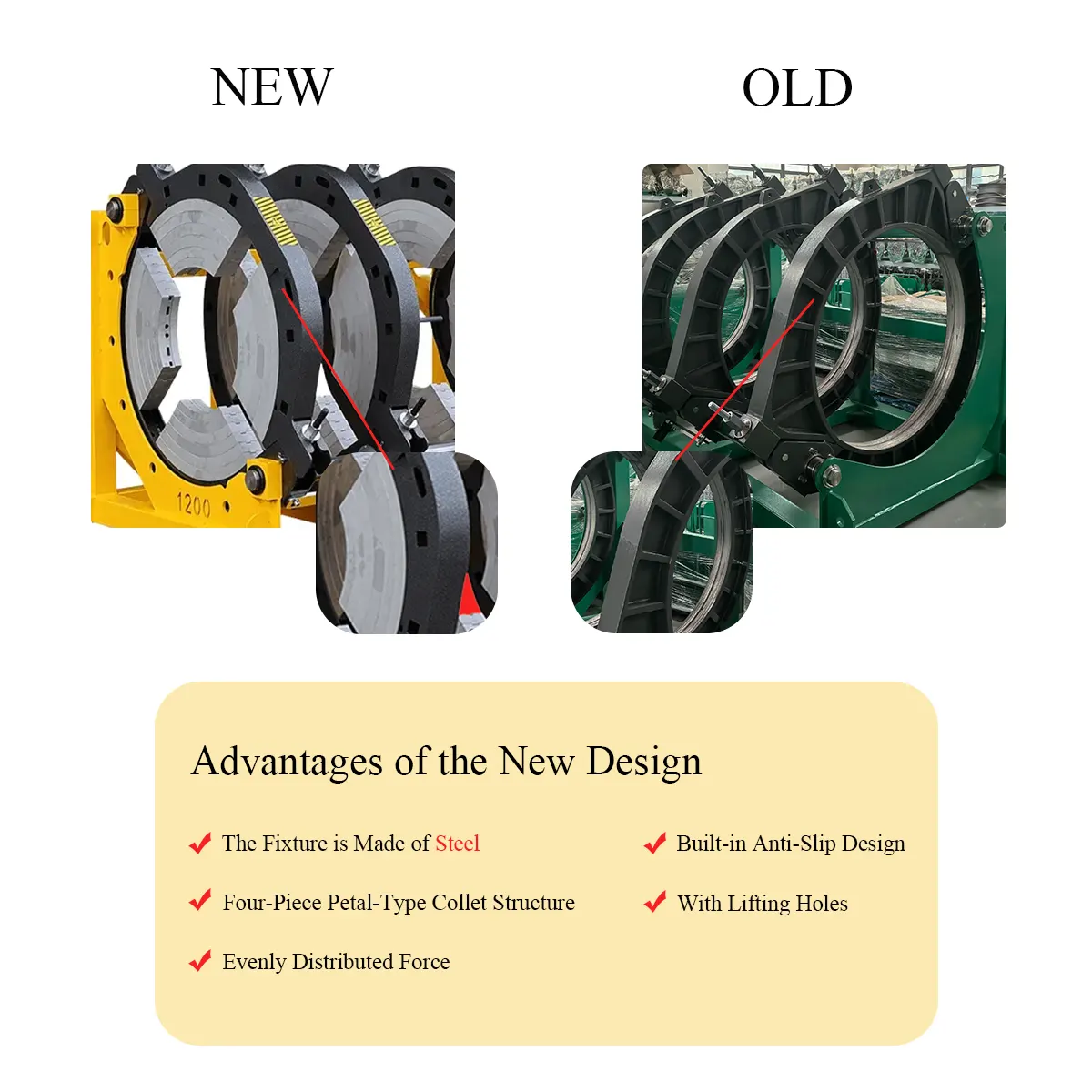
By embedding these maintenance practices into your daily operations, you protect your investment, ensure weld integrity, and keep your projects moving forward without interruption. For tailored advice on maintaining your specific machine model, always refer to the manufacturer’s manual or contact a qualified service center.



