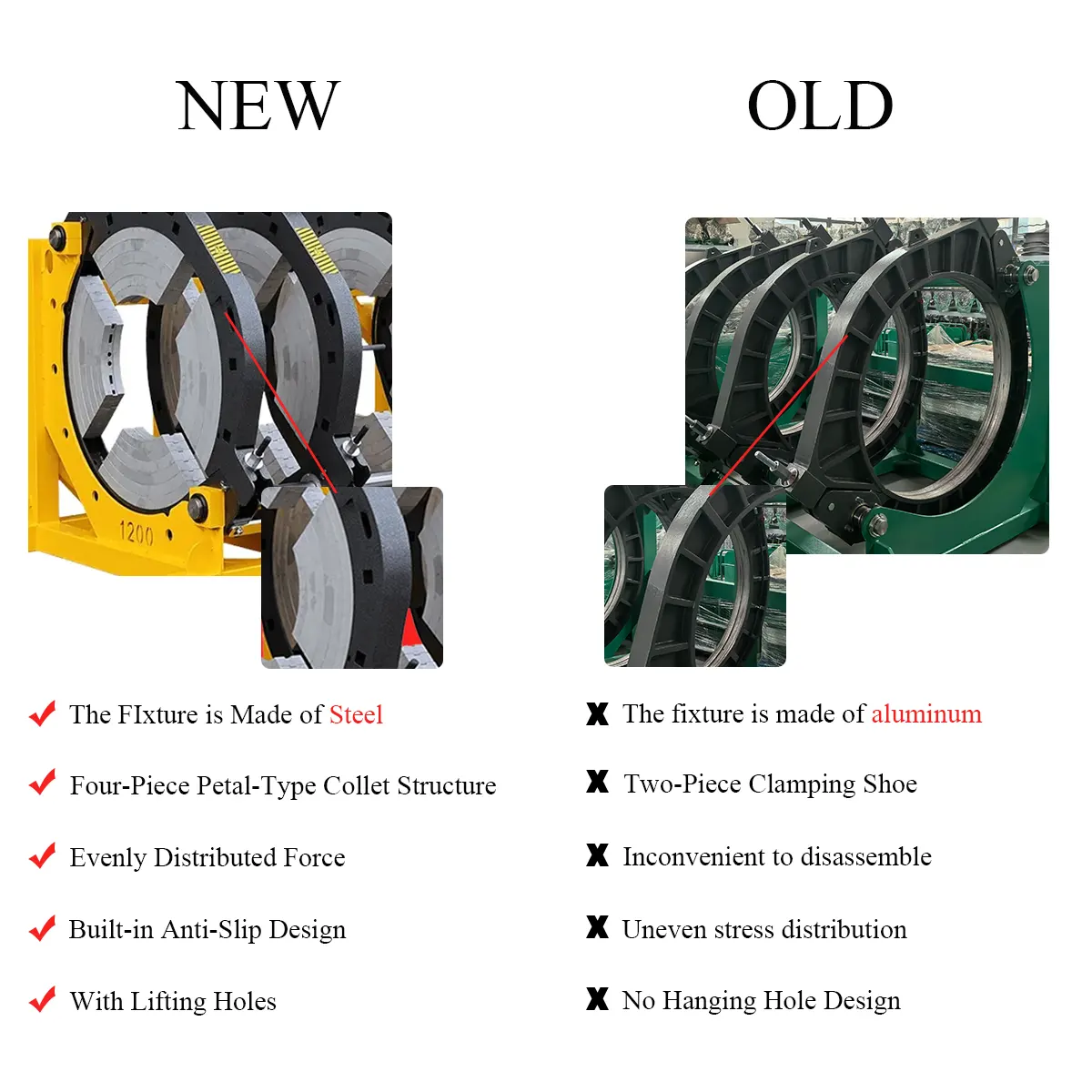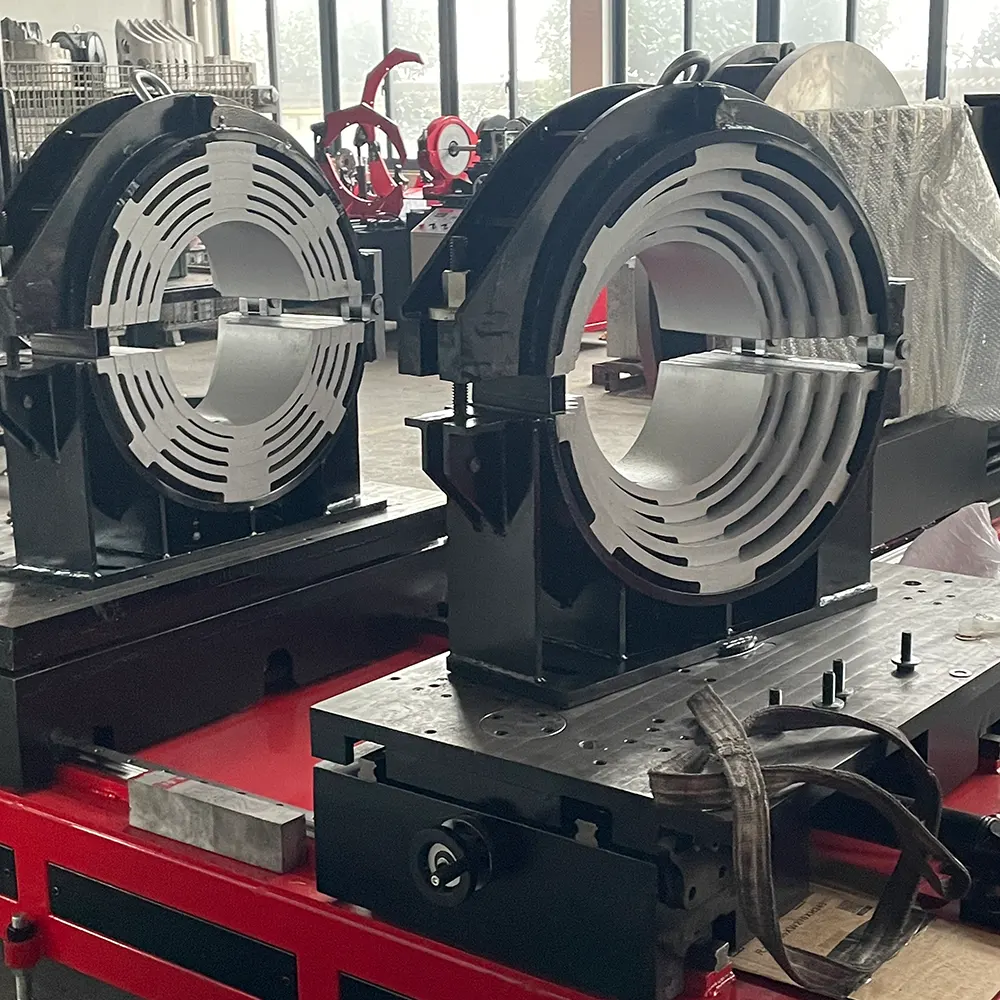
Operating a plastic pipe welding machine requires strict adherence to safety protocols. A single oversight can lead to severe burns, electrical hazards, or catastrophic joint failures in critical infrastructure projects. Whether you are using a manual butt fusion machine or an advanced CNC automatic welding system, understanding the risks is paramount. This guide breaks down the essential safety measures required for reliable, high-integrity welds.
1. Operator Training and Qualification
The most critical component of plastic pipe welding machine safety is the operator. Untrained personnel should never operate welding equipment. Proper training must cover theoretical knowledge and hands-on practice according to standards like ISO 21307 butt fusion procedures. Operators must understand how the machine parameters interact with the specific polymer grade and wall thickness. Without this foundational knowledge, even the most advanced hydraulic butt fusion machine cannot guarantee a safe joint.
2. Essential Personal Protective Equipment (PPE)
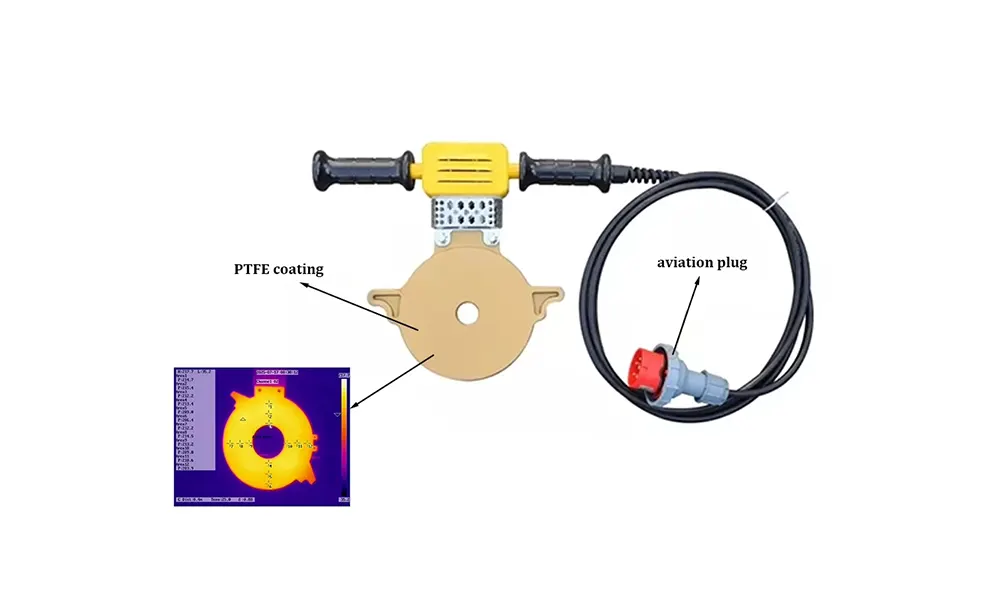
Burns are the most common injury in plastic welding. High-temperature heating plates operate around 200-230°C (392-446°F). Mandatory PPE creates a barrier between the operator and these dangerous thermal sources.
- Heat-Resistant Gloves: Essential when handling the heating plate or freshly fused pipe ends.
- Safety Goggles: Protects against flying chips during the facing process on a manual butt fusion machine.
- Long-Sleeve Clothing and Steel-Toe Boots: Protects against dropped components and radiant heat.
3. Machine Inspection and Maintenance
A pre-job checklist is necessary before starting a plastic pipe welding machine. Faulty equipment can cause irregular fusion pressure, leading to joint separation. Adhering to the PE butt fusion equipment standard (ISO 12176-1) ensures your gear remains in serviceable condition.
| Inspection Point | Safety Focus |
|---|---|
| Heating Plate | Non-stick coating integrity and uniform temperature distribution. |
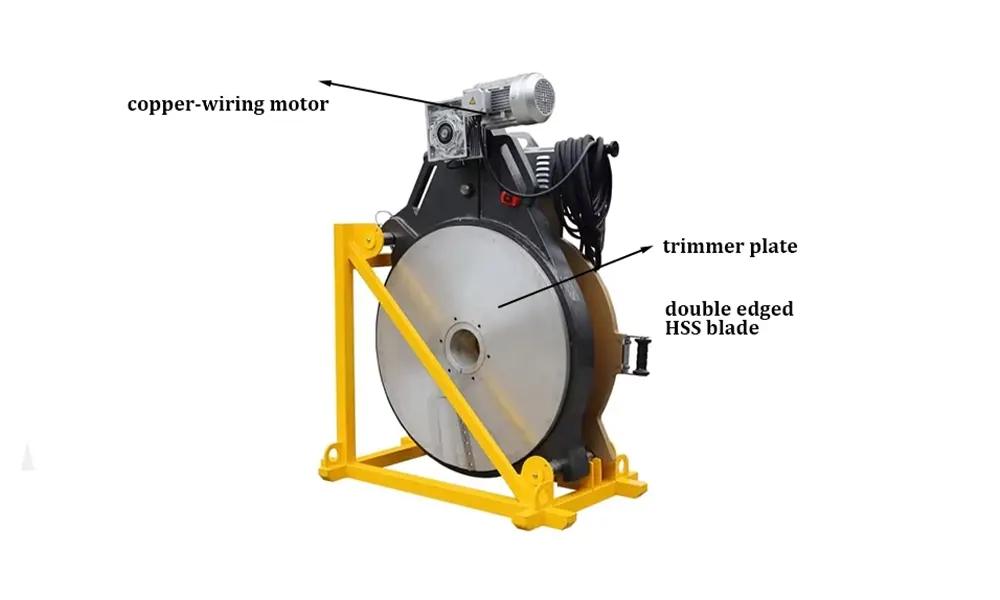
| Trimmer Blades | Sharpness and rotation stability to prevent kickback. |
| Hydraulic Hoses | Check for leaks or cracks which can lead to high-pressure injection injuries. |
| Clamp Inserts | Cleanliness to prevent pipe slippage during high-traction operations. |
4. Adhering to Standardized Welding Procedures
Winging it is not an option when it comes to plastic pipe welding machine safety. Universal standards, such as ASTM F2620 heat fusion, outline the exact drag pressure, heat soak time, and cooling duration required. Deviating from these protocols compromises the molecular fusion. This is particularly critical for gas distribution projects, where failure carries explosive risks. Companies like JQ-Fusion design their equipment to precisely match these standardized parameters, ensuring reliability across every project phase.
5. Managing the Work Environment
Environmental hazards often go unnoticed but significantly affect welder safety. Here are key spatial considerations:
- Weather Protection: Do not operate a plastic pipe welding machine in rain or high-wind conditions without proper shielding. Moisture contaminates the weld surface, and wind cools the heating plate inconsistently.
- Ventilation: Although HDPE is generally inert, overheating or burning produces fumes. In trench boxes or confined spaces, forced-air ventilation is a must.
- Trip Hazards: Keep hydraulic lines and extension cords organized and away from the operator’s immediate path.
6. Emergency Response and Shutdown
Every operator must know the emergency stop location on a plastic pipe welding machine. Hydraulic units generate massive clamping forces that can cause crush injuries instantly. A routine for emergency shutdown and dealing with burns should be established before work begins. Having a well-stocked first-aid kit on-site is just as crucial as knowing how to use the electrofusion equipment in your toolkit.
Ultimately, safety protocols for a plastic pipe welding machine are not mere suggestions; they are the backbone of pipeline integrity. By insisting on competent training, rigorous pre-checks, and adherence to global standards, your infrastructure investments remain leak-free and robust for decades.