
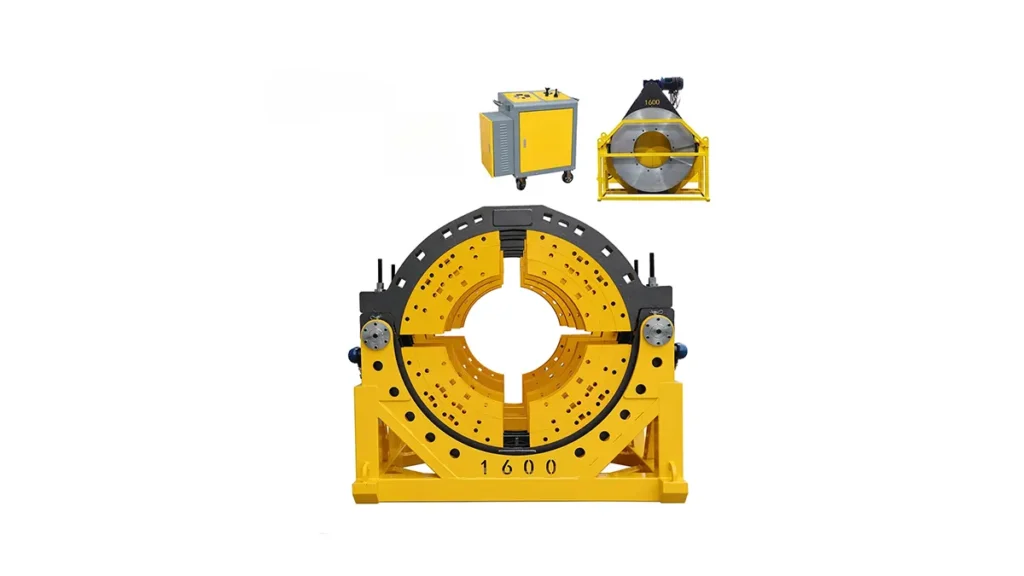
When operating a butt fusion machine, understanding the cooling phase is critical for creating leak-proof, long-lasting HDPE pipe joints. The butt fusion machine cooling time directly determines the mechanical strength and overall integrity of the weld. Rushing this process can lead to joint failure, while understanding the science behind it ensures project success.
Why Cooling Time Matters in Butt Fusion Joints
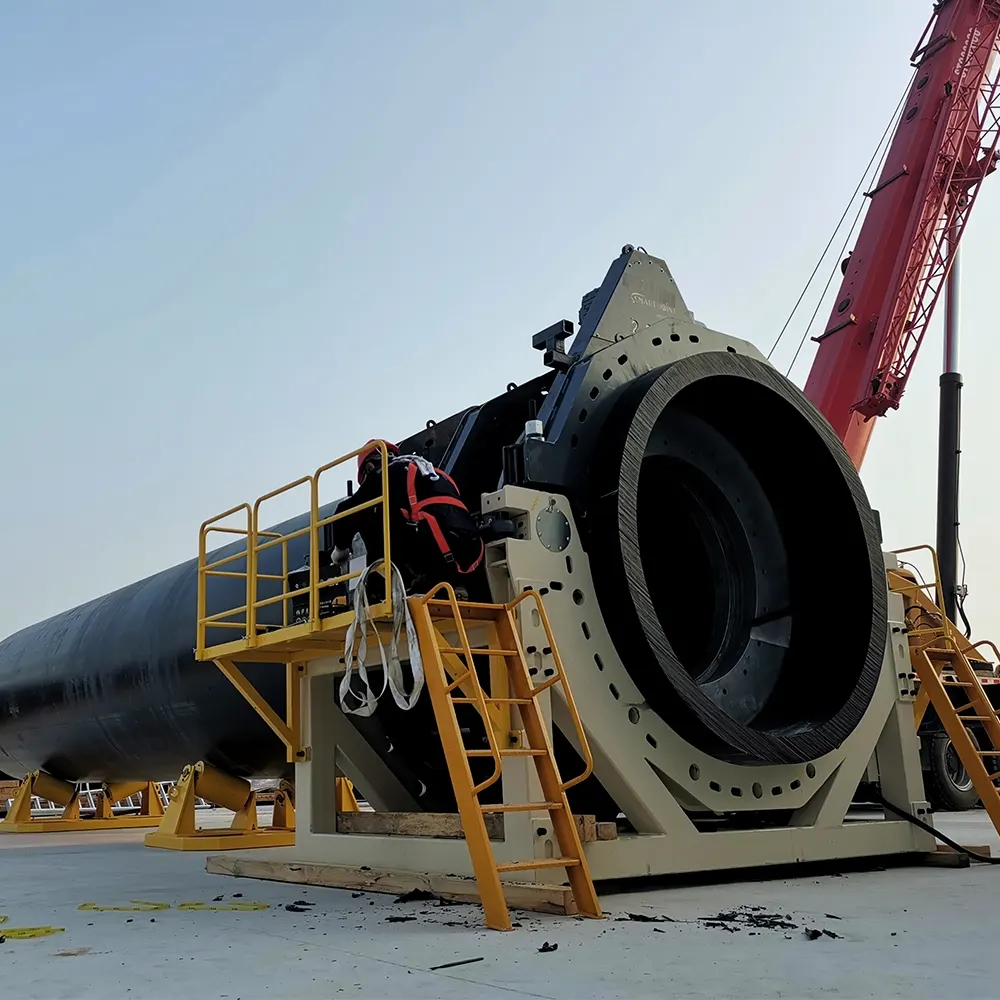
Butt fusion is a thermal process where the pipe ends are heated to a molten state and then pressed together. The result is a homogeneous bond. However, the joint does not gain full strength immediately. The polymer chains realign and recrystallize during the cooling phase. If the pipes are removed from the butt fusion machine clamps too early, the molten material can be stressed, causing brittleness, voids, or misalignment.
Key Factors Influencing Cooling Time
There is no universal answer to how long HDPE pipes should cool. Engineers must evaluate several variables to determine the appropriate butt fusion machine cooling time for their specific operation. The primary factors include:
- Pipe Wall Thickness and Diameter: Larger and thicker pipes retain significantly more heat, demanding longer cooling cycles to stabilize.
- Ambient Temperature and Weather: In hot climates, natural cooling takes longer. In cold weather, grossly uneven cooling can induce stress, though the initial cooling is faster. Wind shields are often necessary.
- Material Grade: Different grades of PE (PE80, PE100, PE4710) have distinct molecular structures. High-performance PE100 materials may require a slightly varied time under pressure to optimize crystallinity.
- Heating Plate Temperature: Adhering to the standard heating temperature (typically around 200°C–220°C per ISO 21307 butt fusion procedures) ensures the cooling time calculations remain predictable.
General Guidelines for HDPE Pipe Cooling Time
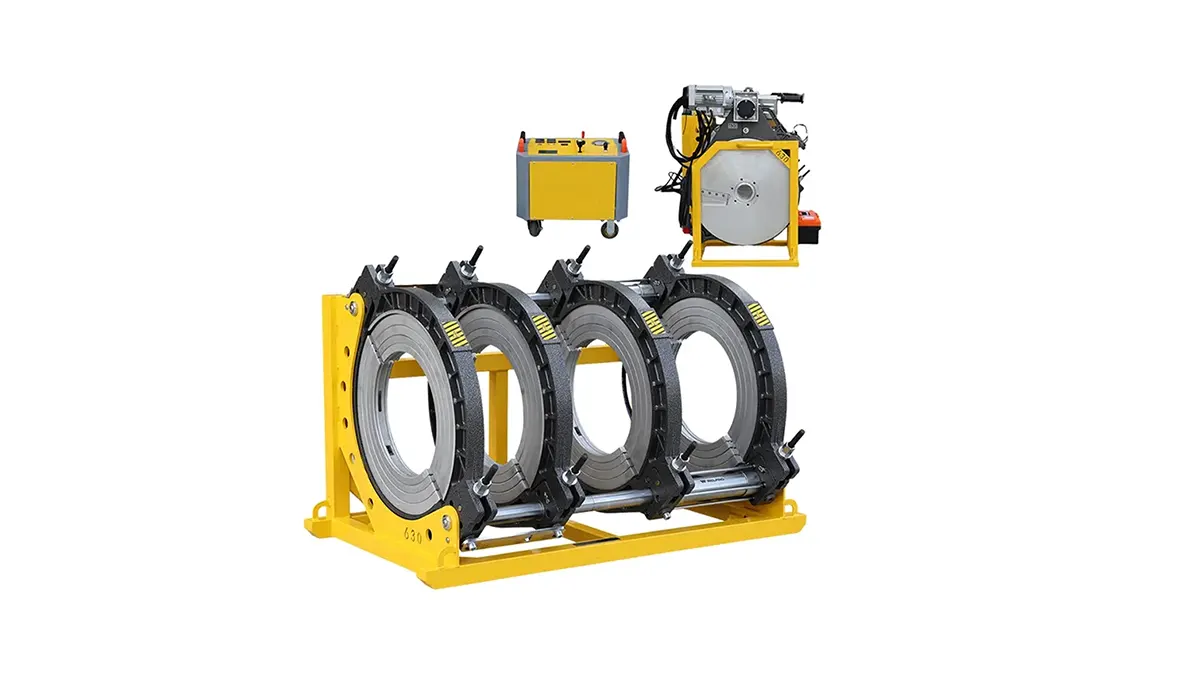
Reputable standards such as ISO 21307 and ASTM F2620 heat fusion provide calculated cooling times. The general rule is that the joint must remain under the machine’s clamping pressure until the surface temperature drops to a safe level, typically below 60°C (140°F). The following table offers a general reference for standard SDR 11 pipes under normal working conditions (approx. 20°C–25°C ambient).
| Pipe Diameter (mm) | SDR 11 Wall Thickness (mm) | Approximate Cooling Time (min) | Machine Type Suggested |
|---|---|---|---|
| 63 | 5.8 | 4 – 6 | Manual |
| 110 | 10.0 | 6 – 9 | Manual |
| 250 | 22.7 | 14 – 18 | Hydraulic |
| 400 | 36.4 | 22 – 28 | Heavy-duty Hydraulic |
| 630 | 57.3 | 38 – 46 | Heavy-duty Hydraulic / CNC Automatic |
| 1000 | 90.9 | 70 – 85 | Large-Diameter Hydraulic |
| 1600 | 145.5 | 120 – 140 | Large-Diameter Hydraulic |
Note: Always consult the specific welding procedure specification (WPS) for your project and the machine manufacturer’s data. Never remove the pipe from the machine until the complete cooling time has elapsed.
The Cooling Procedure: Step by Step
- Soak/Dwell Time: Once the heated plate is removed, the pipe ends are brought together quickly. The fusion force must be maintained immediately to ensure a proper mix of the melt.
- Joint Bead Formation: As the pipes press together, molten material is displaced, creating the characteristic “double bead.” The butt fusion machine cooling time under pressure starts now. The clamps lock the assembly to ensure no external movement disrupts the solidifying bond.
- Controlled Environment: Do not apply water, cold air, or any quenching method to speed up the cooling. Rapid cooling introduces thermal shock and leads to a weak joint that may fail under pressure testing.
- Post-Cooling Handling: After the machine indicates the cooling phase is complete, release the clamps gently. Avoid bending or twisting the joint for an additional period, especially with large-diameter pipes.
Common Mistakes That Compromise Joint Strength
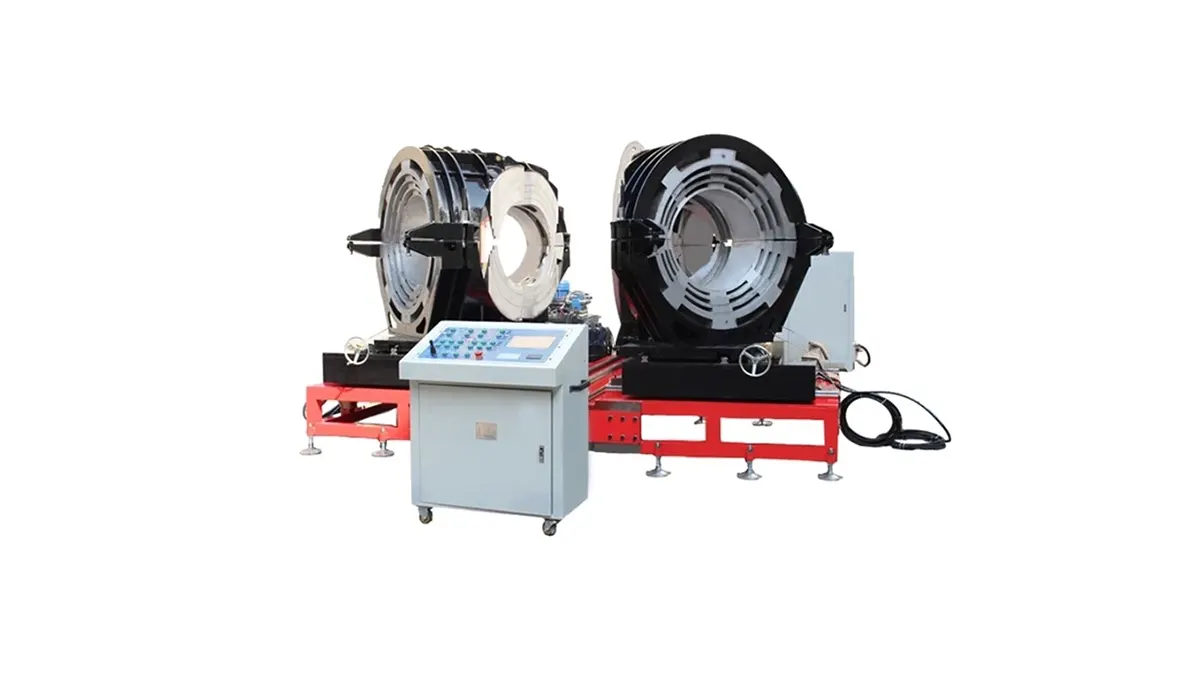
In fast-paced construction environments, operators sometimes cut corners on the butt fusion machine cooling time. Avoid these critical errors:
- Releasing the Clamp Too Early: The most common cause of joint leaks. Even if the outside feels cool, the core may still be molten and able to warp.
- Inconsistent Fusion Pressure: Hydraulic drift can reduce the interface pressure during cooling. A reliable machine, such as a well-calibrated hydraulic butt fusion machine, maintains consistent pressure without manual intervention.
- Ignoring Ambient Conditions: Welding in direct sunlight or high wind can alter cooling rates. Use shelters to stabilize the environment around the fusion machine.
How JQ-Fusion Equipment Helps Ensure Proper Cooling
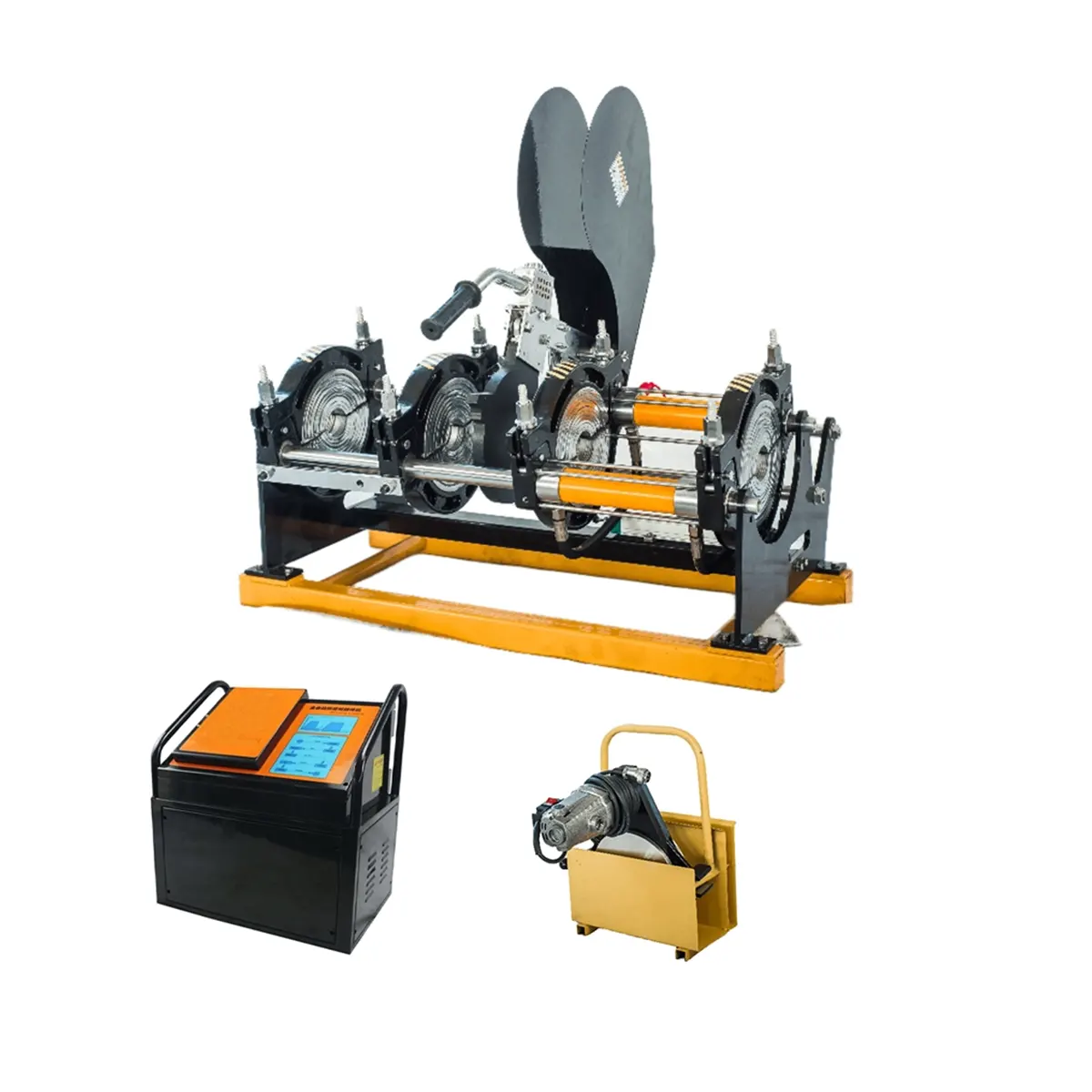
JQ-Fusion is a professional manufacturer specializing in HDPE pipe welding machines, providing reliable butt fusion solutions for global infrastructure projects. Our advanced CNC automatic butt fusion welding machines are equipped with real-time data logging and automated pressure control. These systems eliminate guesswork by locking the hydraulic circuit during the cooling phase, ensuring that the preset butt fusion machine cooling time is strictly adhered to, as required by PPI technical guidance. Whether it’s a manual machine for small gas lines or a large-diameter hydraulic system for water mains, the machine must hold the joint securely until the timer completes the cycle.
Key Takeaways for Welders and Engineers
- Always confirm the specific cooling time based on the pipe’s SDR and diameter.
- Utilize pipe stands and support rollers to prevent lateral stress on the cooling joint.
- Ensure your fusion machine is calibrated to maintain the exact interface pressure throughout the phase.
- Document the ambient temperature and cooling duration for quality assurance records.
Mastering the cooling process is not just about following a timer; it is about delivering a joint that will last for decades. By strictly respecting the butt fusion machine cooling time and using high-quality equipment, you ensure the pipeline’s long-term reliability and safety.



