
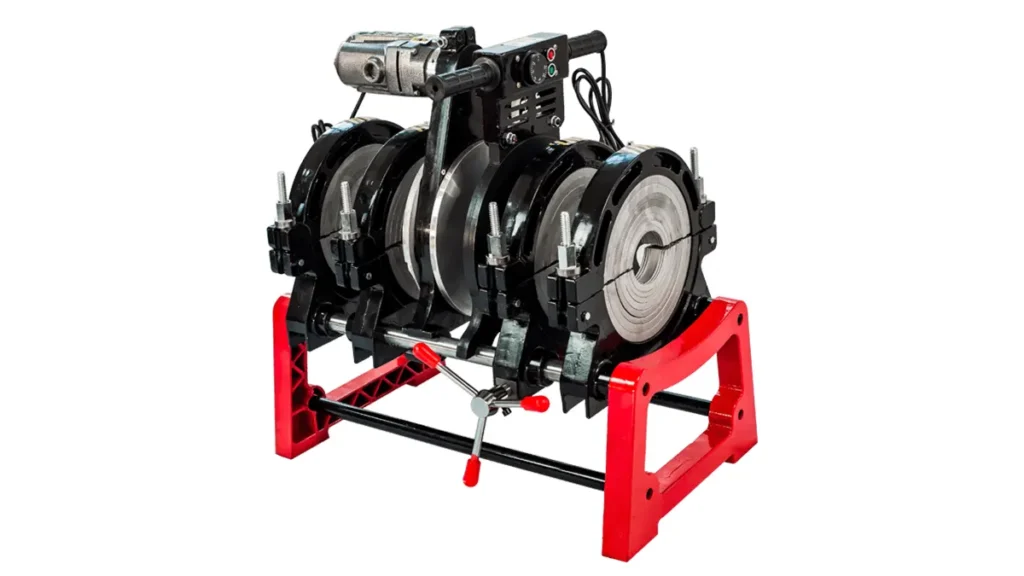
Mastering the correct butt fusion machine welding time is the single most critical factor in creating leak-proof, high-strength HDPE pipe joints. Whether you are working on a municipal water project or a gas distribution network, understanding the precise interplay between heat, cooling, and joining phases ensures the integrity of your entire pipeline system. This guide breaks down the essential parameters and provides actionable insights for field technicians.
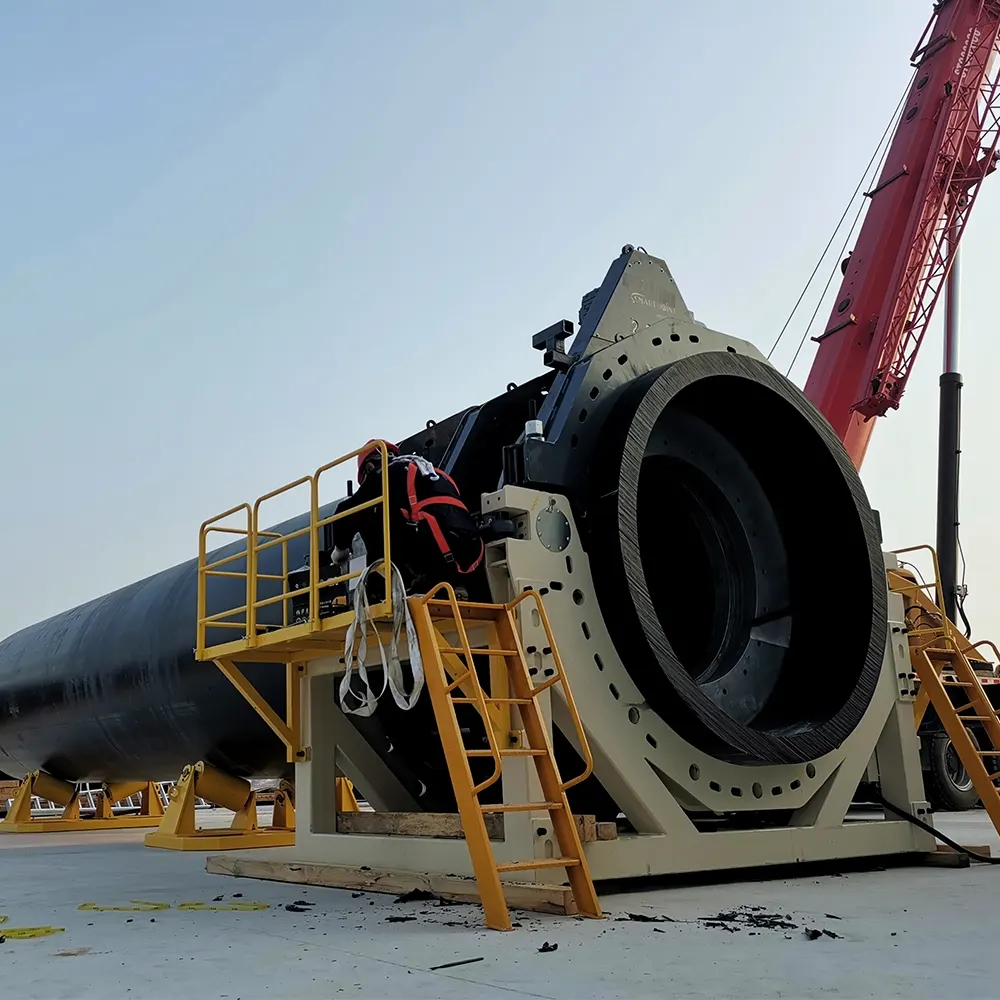
Why Accurate Welding Time Matters
Incorrect butt fusion machine welding time is the leading cause of joint failure. If the heating cycle is too short, the polyethylene material does not reach a proper melt state, resulting in a weak cold joint. Conversely, overheating degrades the polymer structure, making the joint brittle over time. Following validated procedures like ISO 21307 butt fusion procedures is essential to standardize these critical timings across different pipe wall thicknesses.
Key Stages of the Butt Fusion Welding Process
The typical welding cycle involves several distinct stages where time is a controlled variable. Understanding each phase helps the operator adapt to changing environmental conditions on the job site.
- Bead-Up Phase: The initial heating period where material expands against the heater plate.
- Heat Soak Phase: The holding time required to saturate the pipe end with heat after the bead forms.
- Heater Plate Removal: The rapid transition time to remove the plate and bring the molten ends together.
- Cooling Phase: The mandatory solidification period where pressure must be maintained to ensure dimensional stability.
Standard Welding Parameters Table
Referencing generic guidelines based on industry inputs, the table below illustrates typical time adjustments relative to wall thickness. Always consult the machine’s data logger and local standards like ASTM F2620 heat fusion for precise settings.
| Pipe Wall Thickness (mm) | Bead-Up Time (Approx.) | Heat Soak Time (Seconds) | Cooling Time (Minutes) |
|---|---|---|---|
| 4 – 6 | Short | 45 – 70 | 5 – 7 |
| 10 – 15 | Medium | 100 – 150 | 10 – 15 |
| 20 – 30 | Long | 200 – 300 | 18 – 25 |
Cooling Time: The Unskippable Step
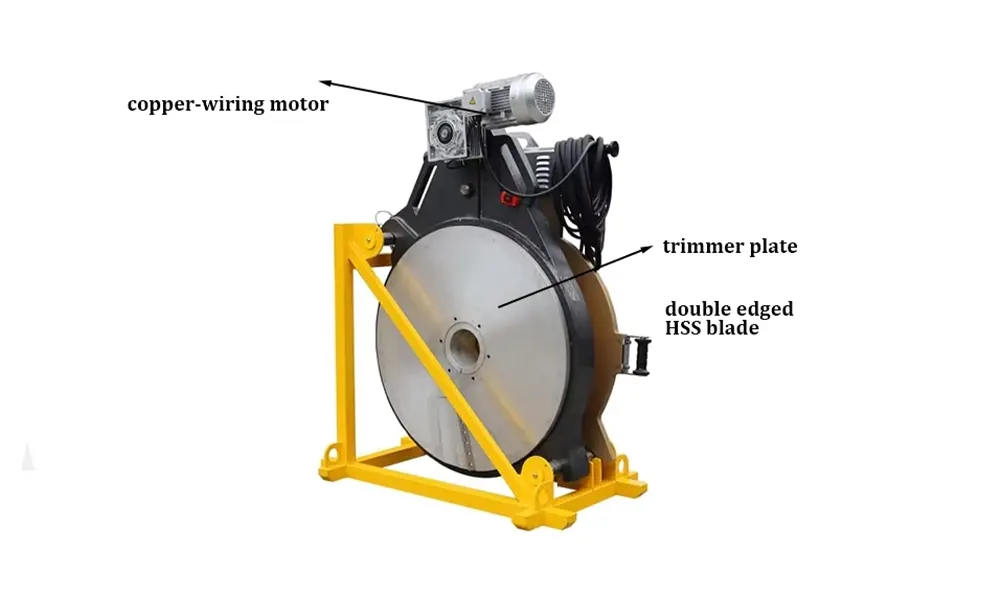
One of the most common mistakes on site is rushing the cooling cycle. The joint must remain fully immobilized under pressure until the assembly has cooled naturally. Removing the butt fusion machine too early introduces residual stress. As a general rule, larger diameters and thicker walls require exponentially longer cooling to return to ambient strength without warping.
Impact of Environmental Conditions
Extreme weather drastically alters butt fusion machine welding time. In cold climates, the heat soak period must often be extended to compensate for heat loss. Wind shields are mandatory in breezy conditions to prevent freezing the melt surface during plate removal.
Hydraulic and Automatic Systems for Consistency
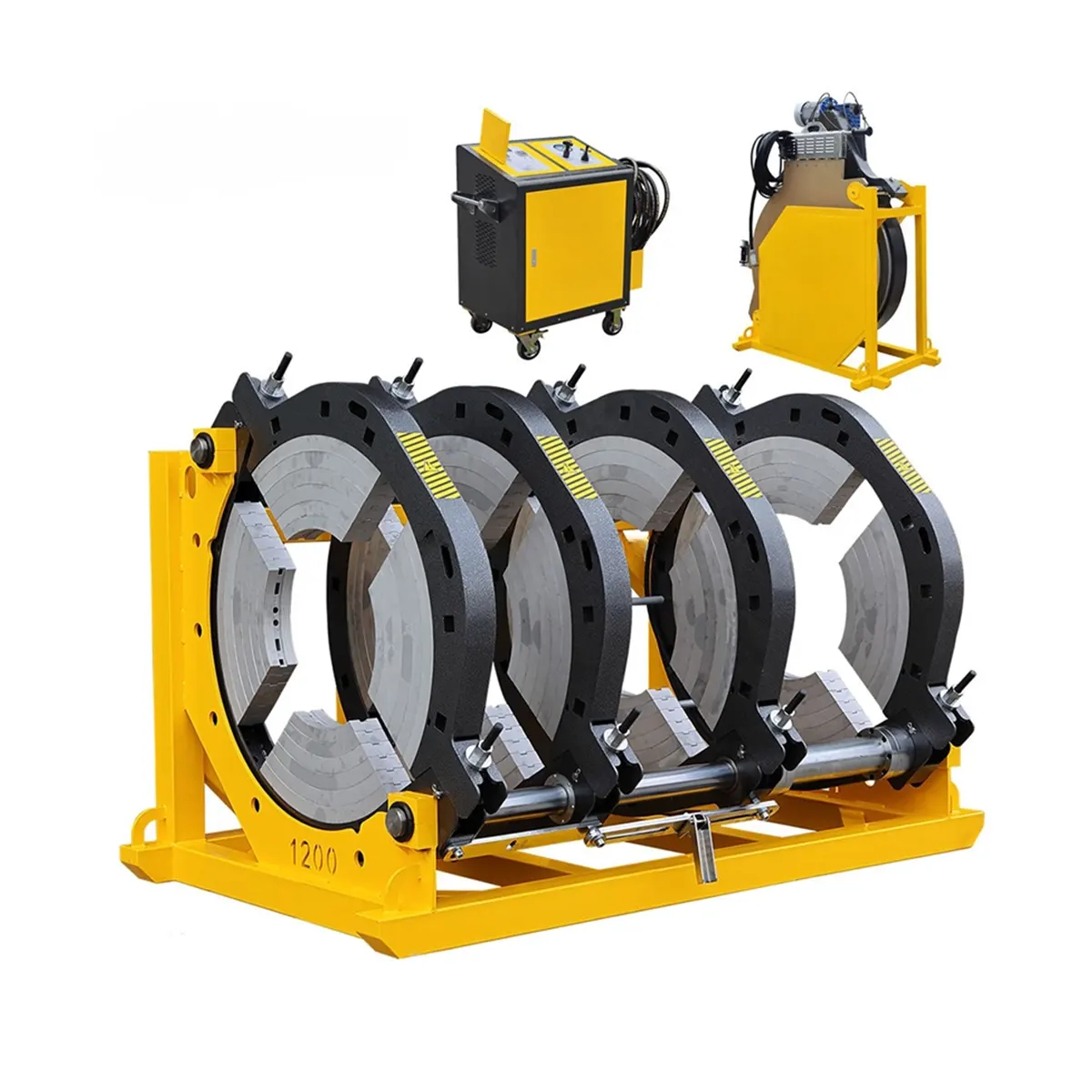
While manual machines rely heavily on the technician’s discipline, modern hydraulic and CNC systems automate the timing sequence. Automatic machines track PPI butt fusion procedure protocols and refuse to proceed if parameters are out of spec. This significantly reduces human error in complex schedules.
Best Practices for Optimal Results
- Data Logging: Always use a data logger to verify that actual times match required specifications for PE butt fusion equipment standard compliance.
- Surface Prep: Skimming the pipe ends properly reduces the required heat soak variation.
- Hydraulic Pressure: Ensure constant hydraulic pressure during cooling; leaks in the system can ruin the joint.
Manual Welding Machine Considerations
Operators using manual lever-arm models must be rigorously trained. The transition from heating to joining requires swift, smooth movements without introducing dirt or shear stress. During the joining phase, the movement should be steady until the specified bead rollback is achieved, after which the cooling phase timer starts immediately.
Long-Term Joint Quality and Equipment Reliability
The precision of your welding times ultimately depends on the maintenance of your equipment. Inaccurate thermostats or warped facing plates make standard charts unreliable. JQ-Fusion provides expertly calibrated machinery designed to hold tight tolerances throughout thousands of welding cycles, ensuring your calculated times translate into flawless fusions in the field.
Key Takeaway: Always prioritize cooling time and heat soak documentation. A robust butt fusion process is measured not just in speed, but in the flawless consistency of the joint over decades of service.



