
Achieving leak-free and durable pipe joints is the primary goal in any HDPE piping project. The butt fusion machine welding process is the most widely used and reliable method for joining polyethylene pipes and fittings, creating a monolithic, end-to-end connection that is often stronger than the pipe itself. Understanding the precise steps of this what is HDPE butt fusion is critical for contractors and installers to ensure joint integrity in water, gas, and industrial applications. This step-by-step guide walks through the standard procedure, highlighting key parameters and quality checks to deliver reliable pipeline systems.
What Is the Butt Fusion Welding Process?
Butt fusion welding is a thermofusion technique that involves heating the prepared ends of two pipe components simultaneously against a temperature-controlled heating plate. Once the designated melt pressure has created a sufficient bead of molten material, the plate is removed, and the pipe ends are brought together under controlled pressure. As the joint cools under this pressure, the polymer chains intermingle, forming a homogeneous joint. This process is strictly governed by established standards, including the ISO 21307 butt fusion procedures and ASTM F2620 heat fusion guidelines.
Essential Equipment for Reliable Welds
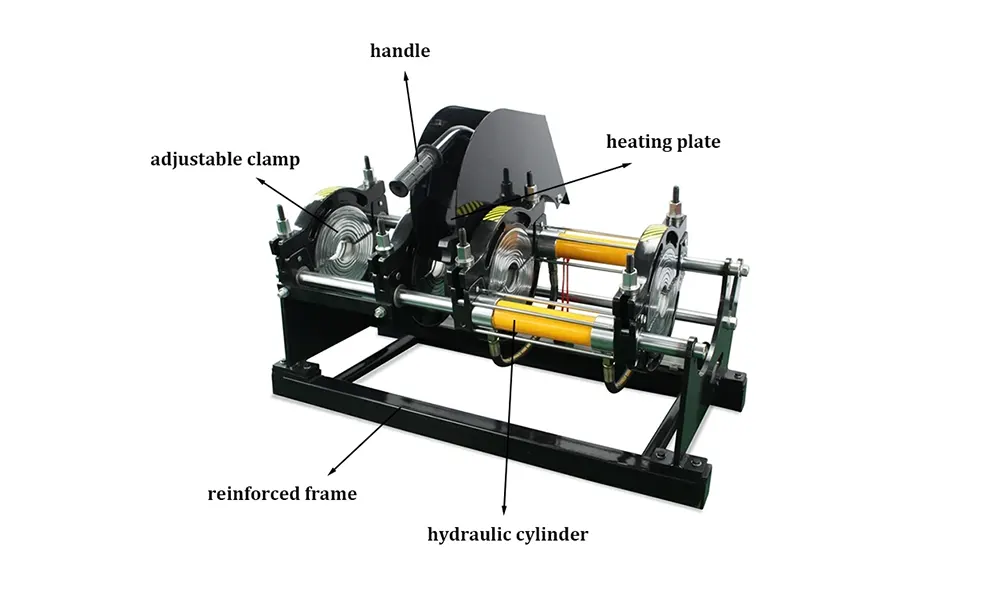
A successful joint begins with having the right butt fusion welding machine. The standard equipment setup typically includes the main welding frame with clamps, a hydraulic power unit, a thermally controlled heating plate, and an electric facing tool (trimmer). For smaller diameters, a manual butt fusion machine may be suitable, offering simplicity and portability. For larger projects requiring high force and precise control, a hydraulic butt fusion machine becomes essential. Always verify that your equipment complies with the PE butt fusion equipment standard to ensure it meets project specifications.
Step-by-Step Guide to the Butt Fusion Operation
Following a meticulous sequence is non-negotiable for achieving a quality butt fusion joint. Below is a breakdown of the critical stages, referencing the widely adopted PPI butt fusion procedure.
1. Preparation and Cleaning
The foundation of any good weld is cleanliness. Begin by thoroughly inspecting the pipe ends and the butt fusion welding equipment. Use a clean, lint-free cloth and isopropyl alcohol (or a suitable approved cleaner) to wipe the inside and outside of the pipe ends, the heating plate surfaces, and the trimmer blades. Never use petroleum-based solvents, as they can contaminate the polyethylene. Ensure the heating plate has reached the correct temperature (typically between 200°C and 220°C / 392°F and 428°F, depending on the material and environmental conditions).
2. Clamping and Alignment
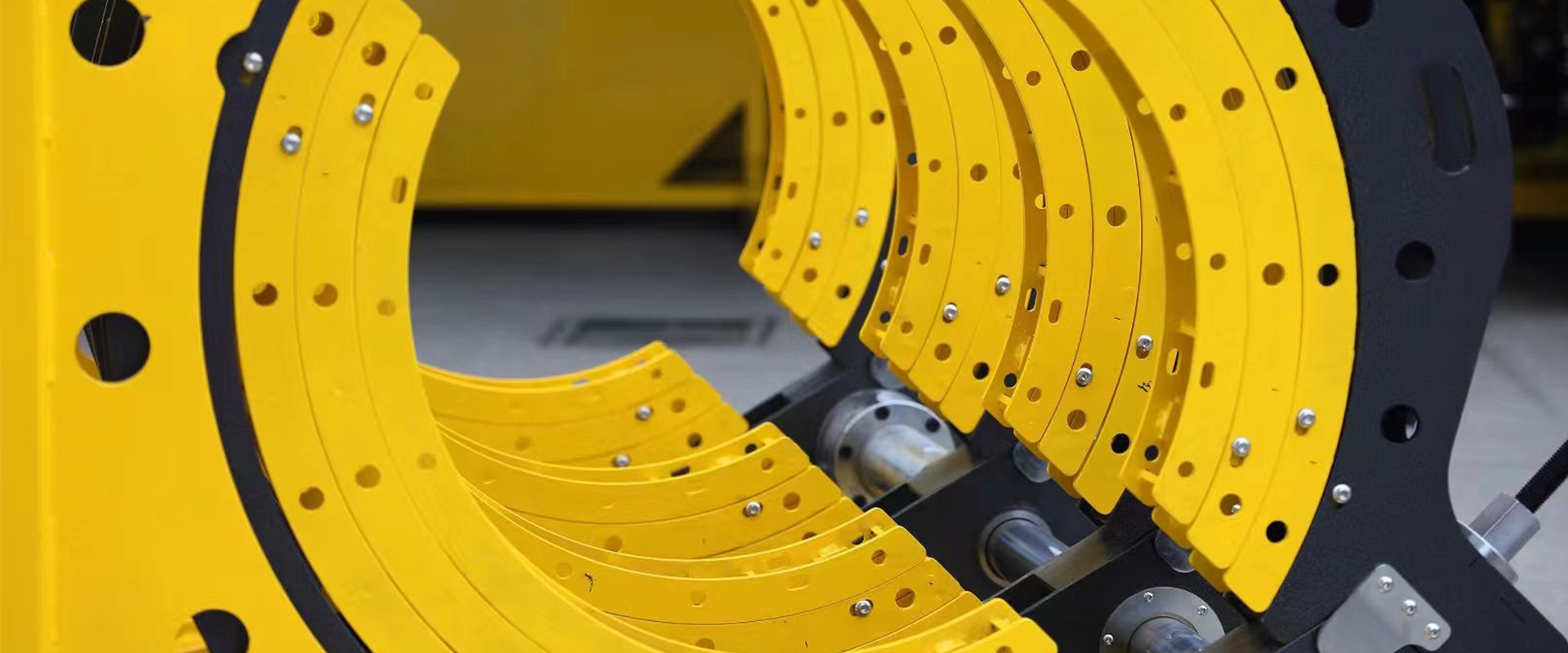
Load the pipe sections into the welding machine’s clamps. Position the pipe ends so that they extend an equal distance from the clamp faces, leaving enough room for the trimmer and heating plate. Tighten the clamps firmly to prevent slippage during the facing and fusion stages. Precise alignment is critical; high-low mismatch between the pipe walls should be minimized to meet the manufacturer’s specifications, as excessive mismatch concentrates stress on the joint.
3. Facing the Pipe Ends
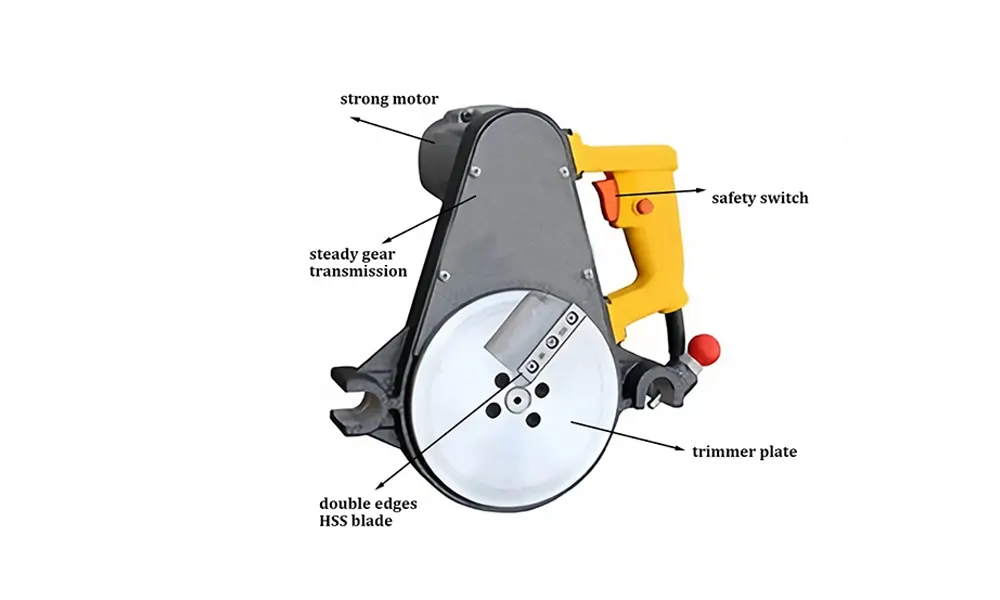
Insert the electric facing tool (trimmer) between the clamped pipe ends. Apply constant and firm pressure to trim both pipe surfaces simultaneously. The goal is to produce smooth, flat, and parallel faces that are perpendicular to the pipe axis. Continue facing until a continuous, unbroken shaving of polyethylene is removed from both pipe ends. Once complete, remove the trimmer carefully, ensuring the fresh cut surfaces do not touch any contaminated surface. Inspect the faced pipe ends for any voids or imperfections.
4. Heating and Melt Bead Formation
With the pipe ends faced and aligned, immediately insert the heated welding plate into the machine. The pipe ends are brought into contact with the plate under a specified initial pressure, known as the bead-up pressure. This pressure forces the polyethylene against the hot surface. Maintain this pressure until a uniform melt bead forms around the entire circumference of both pipe ends. Once the bead is achieved, the pressure is reduced to a very low drag pressure, allowing the heat to soak into the pipe wall without adding more material to the bead. The soak time is vital and varies depending on the pipe wall thickness and material type.
| Fusion Stage | Key Parameter | Purpose |
|---|---|---|
| Bead-Up | Interfacial Pressure (e.g., 0.15 MPa) | Creates initial contact and melt bead |
| Heat Soak | Time & Drag Pressure | Allows heat to penetrate pipe wall |
| Plate Removal | Time (as short as possible) | Minimizes cooling before joining |
| Fusion/Cooling | Joining Pressure & Time | Forms the final homogeneous joint |
5. Plate Removal and Fusion
After the specified soak time, the pipe ends are quickly separated from the heating plate, the plate is swung out from the machine, and the molten pipe ends are immediately brought together. This changeover interval must be as short as possible to prevent the melt surfaces from cooling. The pipe ends are pushed together under the fusion pressure, building a uniform double melt bead (both inside and outside) as the material mixes. Hold this pressure steadily throughout the cooling time specified for that pipe size and material.

6. Controlled Cooling Cycle
The cooling phase is as critical as the heating phase. Do not disturb the joint or release pressure from the clamps until the cooling cycle is complete. The pipe must cool naturally to a specific temperature under the maintained fusion pressure. Premature removal of pressure or movement of the joint can introduce stress and cause a brittle or weak weld. Refer to the machine’s data logging system or the specific PPI Handbook of Polyethylene Pipe for exact cooling pressure and time requirements based on your project’s standards.
Inspection and Quality Control
Once the cycle is finished and the clamps are released, perform a visual inspection of the completed joint. The external double bead should be uniform in size and shape, rolled over onto the pipe surface without excessive protrusion or concavity. The bead should be free of porosity, contamination, or cracks. Any joint that shows significant misalignment, a V-groove between the beads, or a flat, non-uniform bead should be considered suspect and may need to be cut out and re-welded. For critical applications, non-destructive testing methods or destructive coupon tests from approved sample welds are often required to validate procedure qualification records in accordance with heat fusion operator qualification standards.
Common Defects and Their Causes
- Contaminated Bead: Caused by inadequate cleaning of pipe ends, heating plate, or trimmer blades.
- Uneven Bead Size: Often a result of improper alignment, high-low mismatch, or uneven heating plate temperature.
- V-Grooved Bead: Indicates insufficient heating or a changeover time that was too long, allowing the melt to cool before joining.
- Lack of Fusion: Can stem from low heating temperature, insufficient soak time, or inadequate fusion pressure.
For any project involving polyethylene piping systems, the butt fusion machine welding process remains the preferred method for creating permanent, leak-proof connections. As a professional HDPE pipe welding machine manufacturer, JQ-Fusion provides a comprehensive range of manual, hydraulic, and CNC automatic machines designed to execute this process with unmatched precision and reliability. By strictly adhering to these steps and investing in quality, standards-compliant equipment, contractors can guarantee the long-term performance and safety of their pipeline infrastructure.
Frequently Asked Questions
What is the typical welding temperature for HDPE butt fusion?
The standard heating plate temperature is typically between 200°C and 220°C (392°F – 428°F). However, the precise temperature should be verified against the pipe manufacturer’s specifications and the prevailing environmental conditions.
How long does a butt fusion joint take?
The total cycle time includes facing, heating, changeover, and cooling. It depends heavily on the pipe wall thickness and diameter. A small 110mm pipe might take 10-15 minutes, while a large 1200mm diameter pipe can take an hour or more.
Can butt fusion be used for different grades of PE pipe?
Yes, it is possible to join different grades of polyethylene, as discussed in guidelines on PE pipe compatibility. You must ensure that both materials have compatible melt flow characteristics and follow the recommended procedure for the combination being welded. Always consult the material suppliers and relevant standards before proceeding.



