
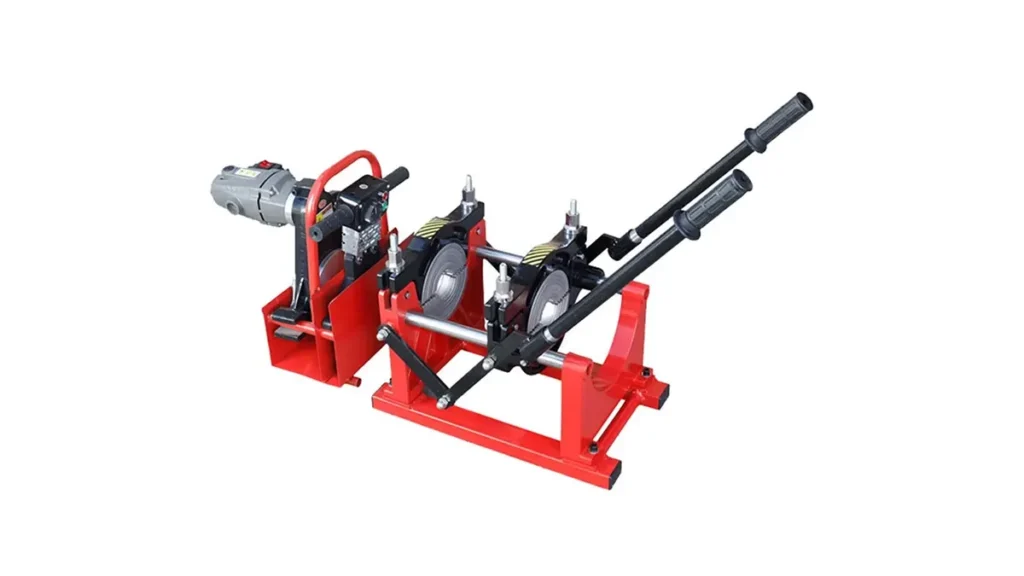
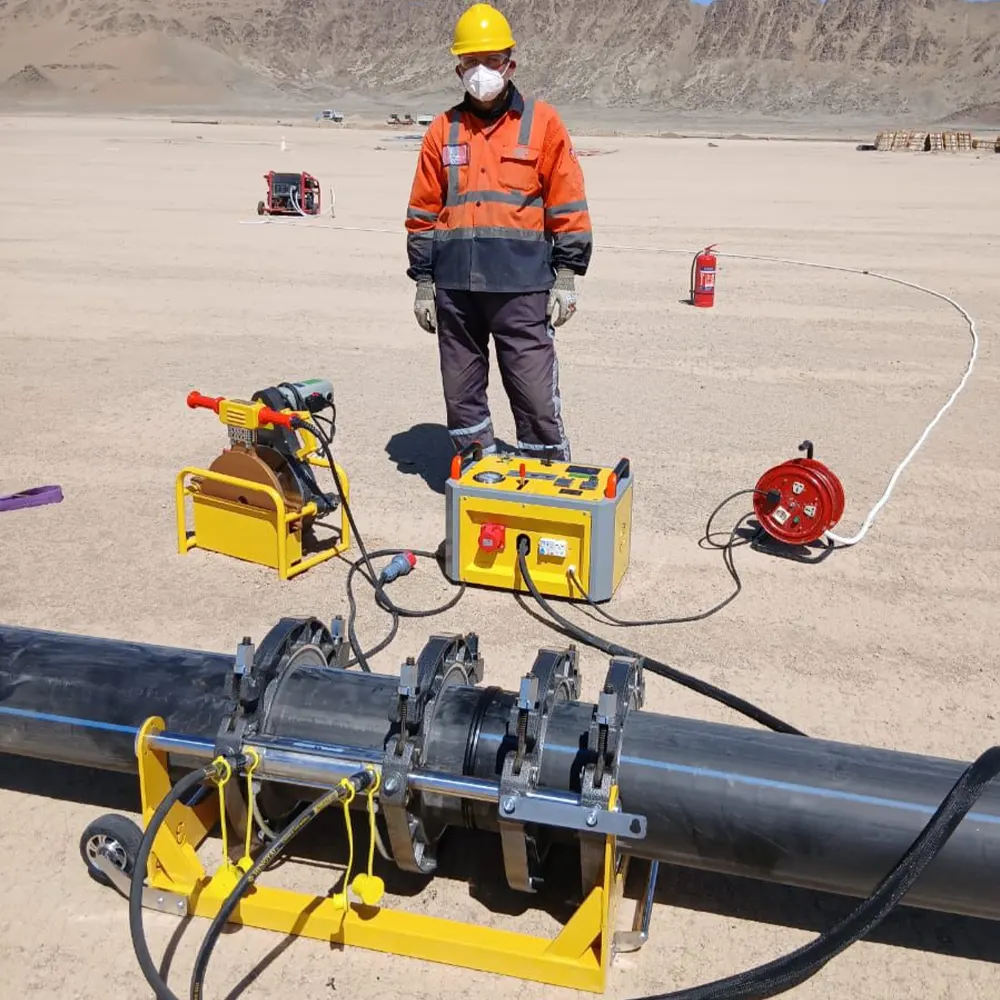
Proper maintenance is the cornerstone of extending the lifespan and ensuring the precision of your pipeline equipment. Learning how to maintain a butt fusion machine is not just about fixing breakdowns; it is about implementing a proactive routine that guarantees consistent, high-quality welds. Whether you operate a manual, hydraulic, or CNC automatic butt fusion welding machine, neglecting regular care can lead to joint failures, costly downtime, and safety hazards in gas or water distribution projects.
Daily Cleaning Routines for Optimal Performance
Contamination is one of the primary enemies of a strong HDPE joint. Dirt, grease, and residual melted plastic on critical components can dramatically affect the welding parameters. A strict cleaning schedule is the first answer to how to maintain a butt fusion machine effectively.
- Heating Plate Care: The non-stick coating (usually PTFE) on the heating plate must be cleaned while the plate is still warm (not hot). Use a non-abrasive lint-free cloth or paper towel. Never use metal scrapers as they will damage the coating and lead to uneven heat transfer. Damaged coatings require immediate re-coating or replacement.
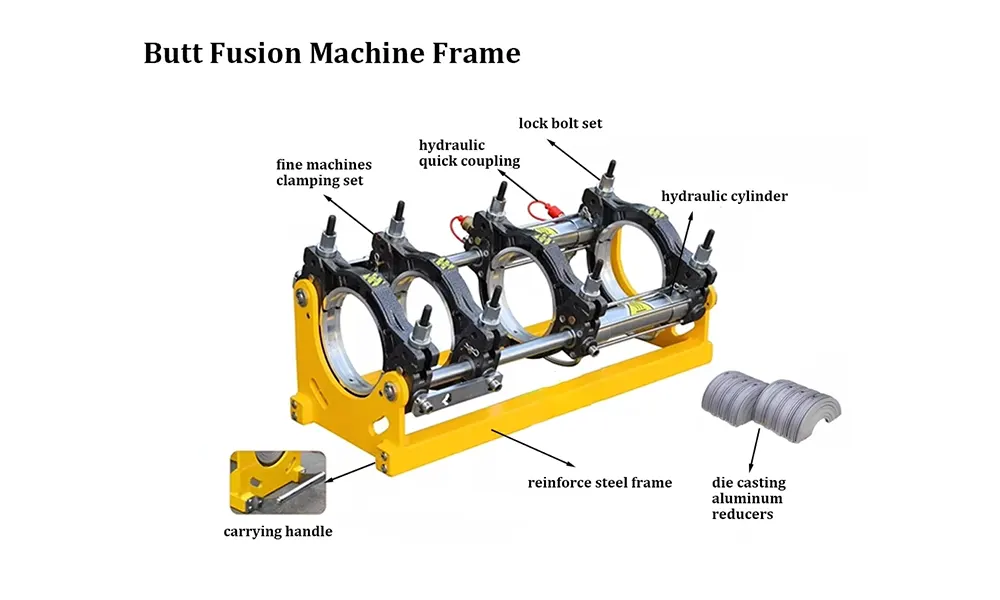
- Pipe Clamps and Inserts: Wipe down jaw surfaces to remove mud, sand, and pipe shavings. Buildup in the clamps can cause pipe slippage or misalignment, resulting in high-low welds. Check the grip of the inserts regularly.
- Hydraulic Hoses and Fittings: Keep quick-connect fittings capped when not in use. Wipe them clean before connecting to the power pack to prevent hydraulic fluid contamination.
Critical Inspection Points Before Every Weld
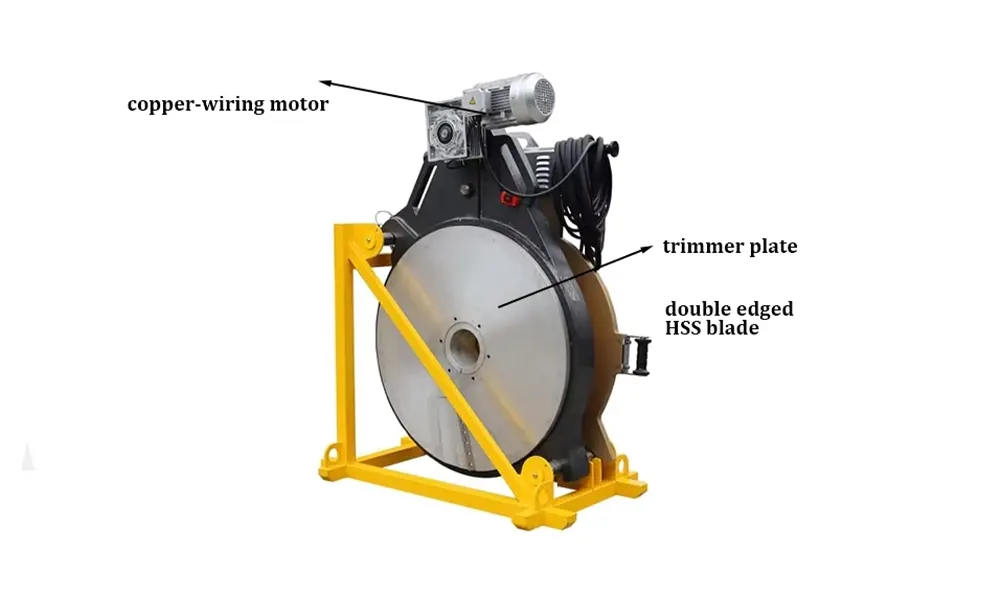
A visual and mechanical inspection should be a non-negotiable part of your daily setup. Catching wear and tear early prevents emergency repairs on the job site and ensures compliance with ISO 21307 butt fusion procedures.
| Component | Inspection Point | Required Action |
|---|---|---|
| Trimmer/Facer | Blade sharpness & oil level | Sharpen or replace dull blades; change gearbox oil if metal shavings are present. |
| Heating Plate | Surface temperature & coating | Verify with a thermocouple pyrometer; check for peeling or scratches. |
| Hydraulic System | Hoses, seals, and oil level | Replace brittle hoses; check pressure gauge accuracy. |
| Carriage/Body Frame | Bolts and guide rails | Tighten loose bolts; lubricate guide rails to ensure smooth movement. |
Lubrication and Mechanical Integrity
Friction is a silent killer for HDPE butt fusion welding equipment. The mechanical parts that bear the drag pressure during the welding cycle require specific attention.
- Guide Rods and Screws: Clean and apply light machine oil to the carriage slide rods. For CNC or hydraulic systems, follow the manufacturer’s guidelines for grease points on ball screws or chains. Never use grease on surfaces that might contact the pipe fusion zone.
- Trimmer Gearbox: Check the oil level regularly. Old, contaminated oil can cause excessive wear on gears, leading to a noisy trimmer that struggles to peel continuous ribbons from the pipe ends without snatching.
Electrical and Sensor Safety Checks
For automatic and CNC models, maintenance extends deeply into the electronic brain of the unit.
- Calibration of Sensors: The temperature controllers and pressure transducers must be calibrated periodically. A drift in temperature reading can be catastrophic. Always cross-reference the digital display with a manual probe at least once a week.
- Cable Integrity: Inspect power cords and sensor cables for cuts or exposed wires. A short circuit can damage the mainboard. Ensure grounding is secure to prevent electrical noise that might corrupt data logging.
Seasonal Storage and Long-Term Preservation
Understanding how to maintain a butt fusion machine during off-seasons or idle periods differs from daily operational care. Storage conditions directly impact the longevity of seals and electronics.
- Hydraulic Drainage: If storing for winter, ensure there is no water condensation in the hydraulic oil reservoir to prevent internal rusting.
- Protection from UV and Moisture: Cover the control box with a breathable tarp. Store heating plates in a dry environment; humidity can degrade the PTFE coating over time. Disconnect and remove batteries from data loggers to prevent corrosion.
- Clamp Pressure Relief: Release the pressure on the jaws and carriage. Storing a fully clamped machine over winter can fatigue the mechanical springs and frame components.
Common Troubleshooting Scenarios
- Problem: Uneven Bead Rollout.
Fix: Check for misalignment of jaws or a slippery clamp insert. Clean clamping areas thoroughly. - Problem: Hydraulic Motor Running but No Movement.
Fix: Low hydraulic fluid, disengaged emergency stop, or a faulty directional control valve. Confirm fluid levels as per the PE butt fusion equipment standard safety protocols. - Problem: Cold Welds (Lack of Fusion).
Fix: Verify the heating plate surface temperature across multiple points. A thermometer reading ‘hot’ in one spot is not enough; check for cold spots.
Maintenance Scheduling by Machine Type
The frequency of your maintenance depends heavily on the complexity of your equipment. A manual butt fusion machine requires rigorous physical cleaning after every few joints, whereas a hydraulic rig demands fluid analysis every 500 hours.
For contractors handling large-scale infrastructure, JQ-Fusion offers durable, customizable equipment engineered to simplify the maintenance process while meeting all industry benchmarks. By adhering to a strict maintenance log and using genuine spare parts, you ensure your operations stay efficient and safe.
Tip: Always keep a copy of the operator’s manual on the job site. Even experienced welders should refresh their knowledge of the specific maintenance intervals for proprietary components. For detailed technical notes, you can refer to the PPI technical guidance to ensure your procedures meet global best practices.



