
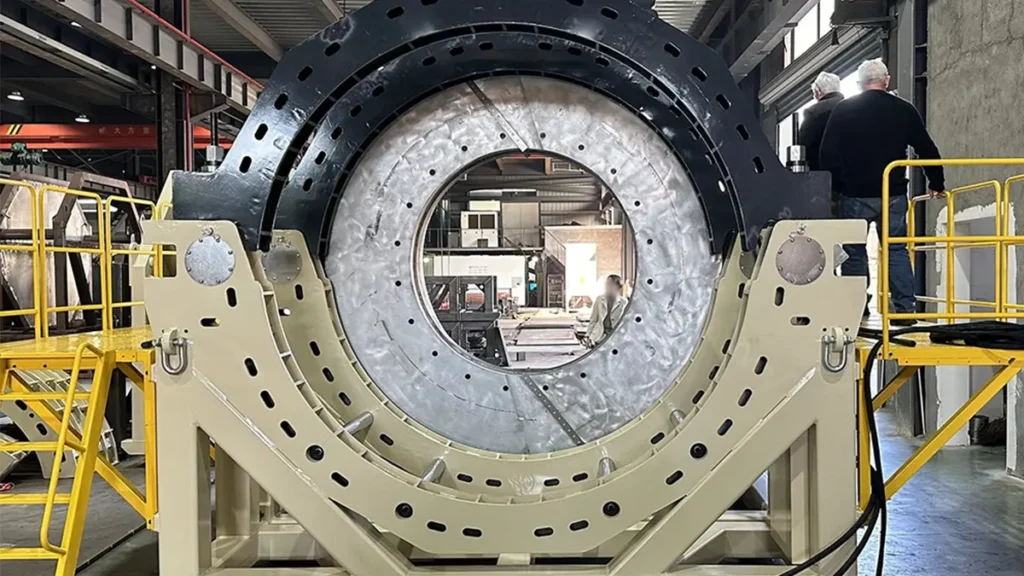
In the world of high-density polyethylene (HDPE) and polypropylene (PP) piping systems, creating monolithic, leak-proof joints is not just a requirement—it is a necessity for safety and longevity. The cornerstone technology enabling this is the butt fusion machine. This equipment is fundamental to modern infrastructure, from municipal water supply and natural gas distribution to industrial slurry lines and mining tailings pipelines. Understanding what a butt fusion machine is, how it operates, and the distinct advantages it offers can significantly impact project efficiency and pipeline integrity.

What Exactly Is a Butt Fusion Machine?
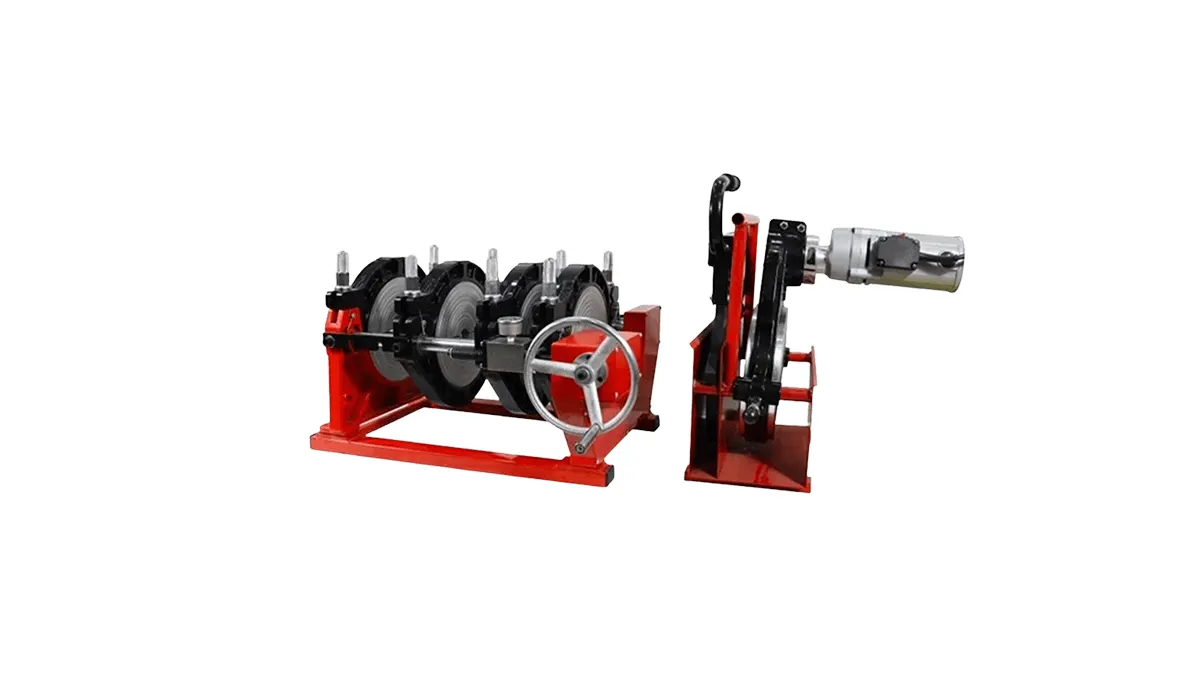
A butt fusion machine is a specialized thermal welding device designed to join two plain ends of thermoplastic pipes or fittings. Unlike electrofusion which uses embedded wire coils, butt fusion relies on a precise sequence of heating, melting, and pressing the pipe ends together under controlled pressure. The machine holds the pipe lengths in opposing clamps to ensure strict axial alignment. When professionals ask what is a butt fusion machine, the answer lies in its ability to create a joint that is actually stronger than the pipe itself when executed correctly. This process is standardized globally by procedures like ISO 21307 butt fusion procedures, ensuring uniformity across critical applications.
How the Butt Fusion Welding Process Works
The operation of a butt fusion welding machine follows a strictly regulated five-stage cycle. It is a thermal process, not a chemical one, meaning the polymer chains intermingle at a molecular level. Here is the breakdown:
- Step 1: Clamping and Alignment: The pipe sections are inserted into the machine frame and firmly secured by the clamps. Proper alignment is critical to prevent mismatched pipe walls.
- Step 2: Facing (Trimming): A rotating planer disc faces the pipe ends simultaneously until they are completely flat, parallel, and free of oxidized material or contaminants.
- Step 3: Heating: A heating plate coated with a non-stick material is positioned between the clean pipe ends. A specific “bead-up” pressure is applied to melt the pipe against the plate, forming an initial melt bead.
- Step 4: Heat Soaking: The pressure is reduced to nearly zero while the heating continues. This allows the heat to penetrate deeply into the pipe wall without forcing out the molten material.
- Step 5: Fusion and Cooling: The heater is removed swiftly, and the two molten ends are brought together at a specified “fusion pressure.” This pressure is maintained throughout the cooling cycle until the joint solidifies into a single, homogeneous structure.
Primary Uses Across Industries
The versatility of butt fusion welding machines makes them indispensable across multiple sectors. Any industry that relies on large-diameter, high-pressure polyethylene conduits benefits from this technology.
- Water Infrastructure: Creating leak-tight trunk mains and distribution lines for potable water.
- Natural Gas Distribution: Joining PE gas pipes where absolute seal integrity and long-term safety performance are mandatory, adhering to standards like ASTM F2620 heat fusion.
- Mining Operations: Assembling thick-wall HDPE pipes for abrasive slurry transport, often using hydraulic butt fusion machines to handle heavy wall thicknesses.
- Industrial Process Piping: Transporting chemicals, cooling water, and compressed air in factories and power plants.
- Marine and Dredging: Fabricating floating dredge lines that require strong, flexible fused connections resistant to wave forces.
Different Machine Types and Their Applications
Butt fusion machines are not monolithic; they come in various configurations to suit pipe diameter ranges, wall thicknesses, and job site conditions. The table below outlines the core categories available in the market.
| Machine Type | Operation Mode | Typical Size Range | Best Suited For |
|---|---|---|---|
| Manual | Hand-lever actuated | OD 32mm – 250mm | Small bore, low volume utility connections |
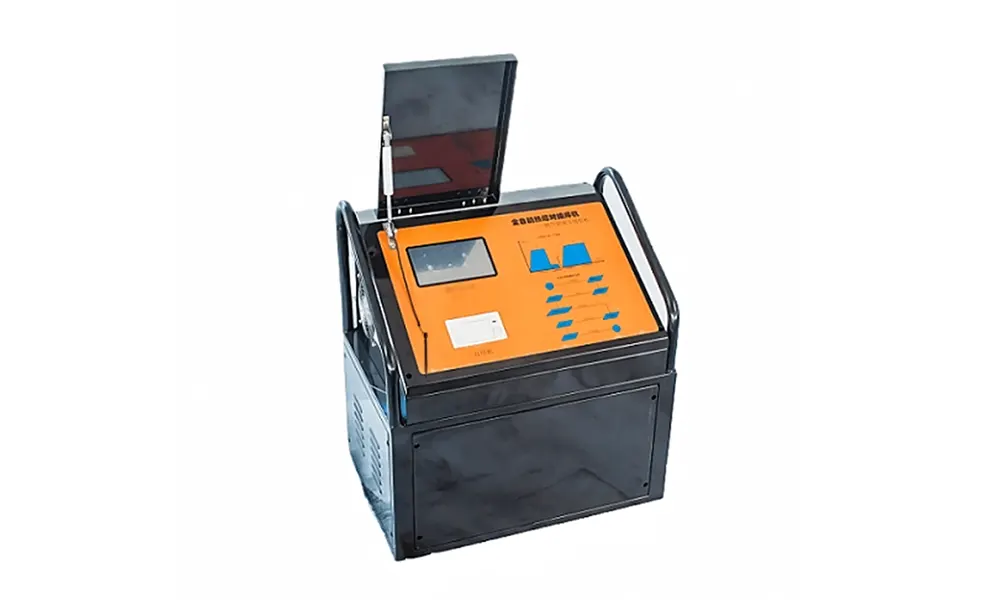
| Hydraulic | Engine-driven or electric hydraulic power pack | OD 90mm – 2500mm+ | Large diameter, heavy wall projects in the field |
| CNC Automatic | Programmable logic control (PLC) | OD 160mm – 1200mm | Precision workshops, data-logged critical joints |
Key Benefits of Butt Fusion Joining
Contractors and engineers specify butt fusion over mechanical joints or other welding methods because of the distinct structural and lifecycle advantages it provides.
- Monolithic Integrity: The joint becomes a continuous, homogeneous plastic system. There are no gaskets or seals to degrade over time, ensuring a zero-leak rate.
- Superior Long-Term Strength: A properly fused joint is designed to be as strong as, or stronger than, the pipe itself, retaining its pressure rating for over 50 years under standard operating conditions.
- Electrical Non-Conductivity: HDPE is a natural insulator. Butt fusion preserves this property, eliminating the need for cathodic protection required by steel pipes.
- Ductility and Resilience: Fused PE pipes can accommodate ground movement, soil settlement, and seismic activity without fracturing at the joints—a critical advantage in mining and unstable geographies.
- Lower Lifecycle Cost: While the initial equipment investment is present, the joint reliability, minimal maintenance requirements, and extended service life drastically reduce the total operational cost.
Selecting the Right Butt Fusion Welder
Choosing the ideal machine involves more than just matching the pipe diameter. You must also consider the Standard Dimension Ratio (SDR) which dictates the wall thickness and thus the required clamping force. For example, a high-rigidity CNC automatic machine offers data logging and traceability essential for PE butt fusion equipment standard compliance on nuclear or gas networks, whereas a rugged hydraulic unit is preferred for remote field installations with limited power access.
Companies like JQ-Fusion are at the forefront of this technology, specializing in HDPE pipe welding machines that cover a spectrum from compact manual units for small diameter fittings to massive hydraulic systems capable of handling pipes over 2000mm in diameter. This engineering support ensures that infrastructure projects can proceed with confidence in joint quality, regardless of scale or environmental complexity.
Understanding what is a butt fusion machine ultimately translates to understanding core principles of safety and efficiency in pipeline construction. The fusion process, governed by international standards and enabled by advanced mechanical design, delivers a jointing method that leaves no margin for leakage. As global investment in water and energy infrastructure rises, the reliance on technically robust butt fusion welding will only intensify to guarantee sustainable resource distribution networks for decades ahead.



