
Looking for the right HDPE electrofusion welding machine in Switzerland? This guide walks Swiss contractors, municipal engineers, and utility operators through why electrofusion is ideal for modern HDPE pipeline projects, what features matter in alpine and urban environments, and which machine types match common Swiss use cases.
Why Electrofusion Welding Suits Swiss HDPE Projects
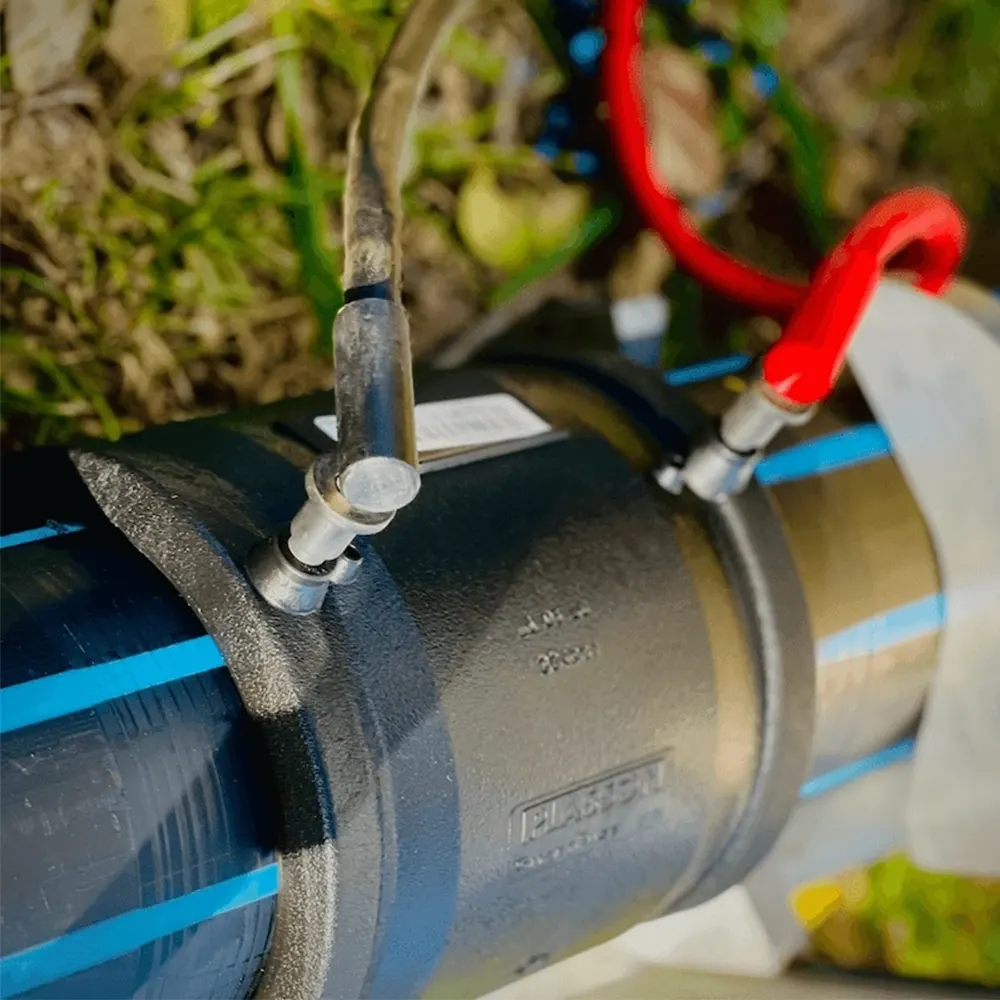
Electrofusion welding provides reliable, leak-free joints for HDPE pipes — a priority for Switzerland’s strict water and gas regulations and long-term infrastructure durability. In colder regions and high-altitude worksites, electrofusion’s controlled heating cycles reduce operator variability and deliver consistent fusion strength. Swiss contractors benefit from the method’s precision when working on potable water, district heating, natural gas distribution, and renewable energy piping networks.
Key advantages for Switzerland
Consistent weld quality — minimizes rework and traceability issues. Suitable for densely populated Swiss cities and sensitive alpine ecosystems where excavation and repair windows are tight. Electrofusion also supports automated data logging for compliance with local standards and client audits.
Essential Features to Look For
When buying an HDPE electrofusion welding machine in Switzerland, prioritize portability, cold-weather performance, traceable welding logs, and compatibility with common fitting brands used across Europe. Below are the must-have specs for practical selection:
Core selection checklist
- Temperature compensation and insulated casing for reliable operation in alpine winters.
- Integrated memory and USB/Bluetooth export to save weld reports for Swiss client records and regulatory compliance.
- Adjustable current/power profiles to match a wide range of electrofusion fittings and pipe diameters (from service lines to distribution mains).
- Battery operation and rapid charging for remote worksites and trenchless projects typical across rural cantons.
- Clear user interface (multilingual support including English and German) to suit local crews and international teams working in Switzerland.
Top Machine Types and When to Use Them
Electrofusion machines come in different formats — choosing the right one depends on project scale, mobility needs, and compliance requirements.
Portable handheld units
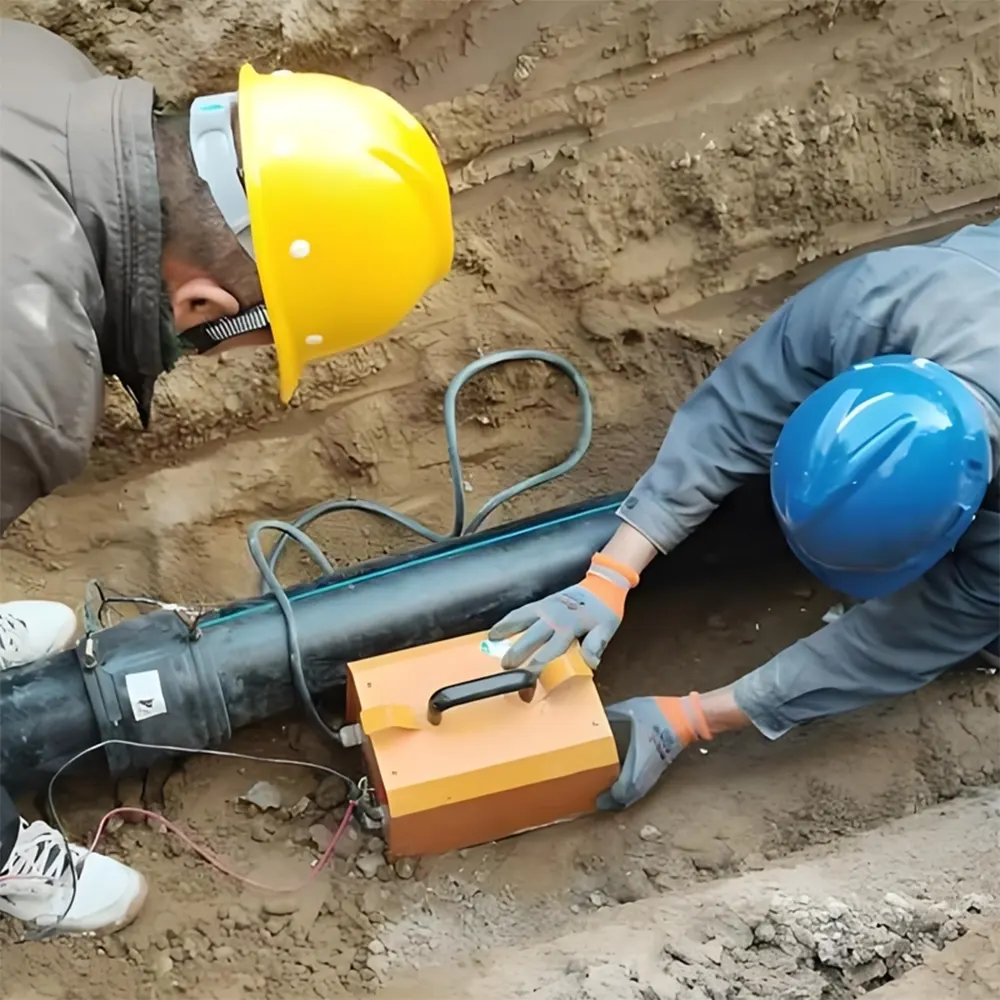
Best for service line repairs, small-diameter gas and water connections, and municipalities handling frequent spot repairs. They are lightweight and often battery-powered for fast response teams.
Benchtop / workshop units
Ideal for prefabrication yards where fittings and short pipe sections are welded in controlled environments before installation on site. Prefab reduces time in sensitive alpine or urban trenching operations.
Stationary high-capacity units
Used for large-diameter pipe fittings or high-volume prefabrication. These machines provide higher current output and advanced data logging suitable for major infrastructure projects and utilities managing long distribution networks across cantons.
Quick Comparison Table — Electrofusion Options
| Model Type | Pipe Range | Power / Portability | Best For |
|---|---|---|---|
| Portable Field Unit | 20–160 mm | Battery-powered, lightweight | Emergency repairs, service lines |
| Benchtop Prefab Unit | 20–250 mm | Mains powered, high repeatability | Workshop prefabrication |
| High-Capacity Stationary | Up to 630 mm+ | High current, full reporting | Large-diameter mains, utility projects |
Buying Checklist for Swiss Buyers
To streamline procurement and ensure long-term value, follow this concise checklist:
- Verify welding report export formats (PDF/CSV) for Swiss record-keeping.
- Confirm equipment CE marking and any additional certifications relevant to Swiss utilities.
- Ask about cold-weather kits, spare batteries, and rugged transport cases for alpine logistics.
- Request training packages and local technician support options to reduce downtime.
- Compare total cost of ownership: spare parts availability, warranty, and calibration services.
Installation, Training & Maintenance Tips
Swiss projects demand traceable, repeatable welds. Invest in operator training that covers electrofusion parameter selection, proper cleaning/preparation, and post-weld cooling times. Establish a maintenance schedule: routine inspection of clamps and contacts, battery health checks, and software firmware updates to keep weld logs compliant with client audits.
On-site best practices
Preheat or use insulated covers when welding in sub-zero temperatures, and always store couplers and fittings in dry, temperature-stable conditions before use to avoid condensation-related defects.
How to Purchase and Support
For supply, customization, and after-sales service tailored to Swiss standards and field conditions, consider established manufacturers that offer European-support channels and documented compliance. For example: JQ-Fusion provides a range of HDPE pipe welding solutions including electrofusion equipment, with options for training and spare parts supporting international infrastructure projects.
Final Recommendation
Choose an electrofusion welding machine that balances portability with data traceability and cold-weather robustness. Prioritize units with reliable logging for Swiss compliance, readily available spare parts, and operator training. With the right equipment and crew preparation, electrofusion delivers long-lasting, low-maintenance HDPE pipeline joints suited for Switzerland’s demanding infrastructure environment.



