
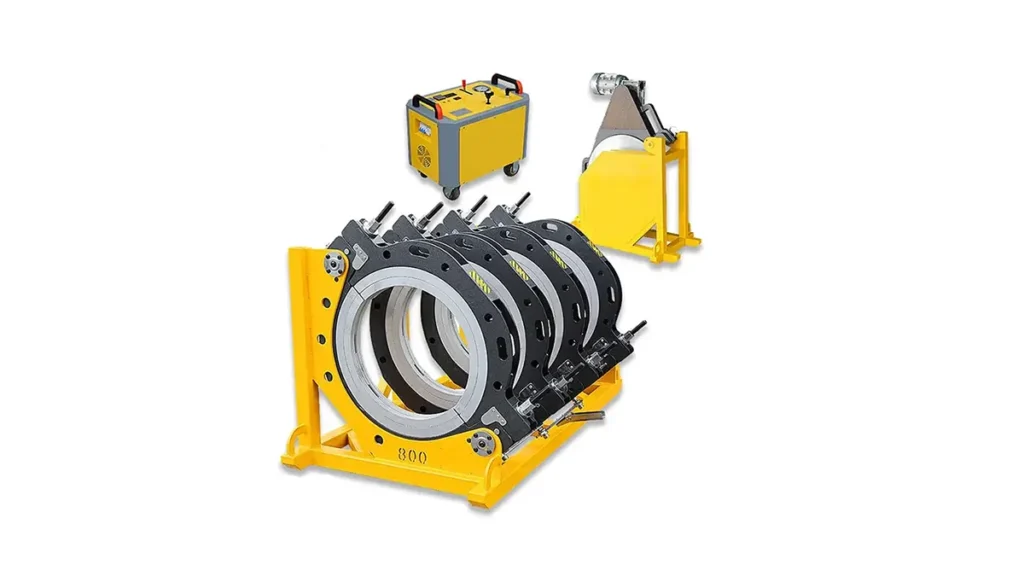
Estonia’s growing infrastructure needs — from municipal water networks to district heating and industrial pipelines — demand reliable HDPE pipe welding equipment. Choosing the right pipe welding machine manufacturer ensures consistent joints, fast project progress, and long-term pipeline integrity.
Reliable Butt Fusion Technology for Estonian Projects
Butt fusion welding is the preferred joining method for HDPE pipes used in harsh northern climates. The technique creates uniform, monolithic joints that resist frost, ground movement, and corrosion. For contractors and utility companies in Tallinn, Tartu, and rural Estonian municipalities, high-quality machines mean fewer reworks and improved long-term performance.
Key Machine Types for Estonia’s Market
Depending on project scale, site conditions, and automation preferences, teams typically select among:
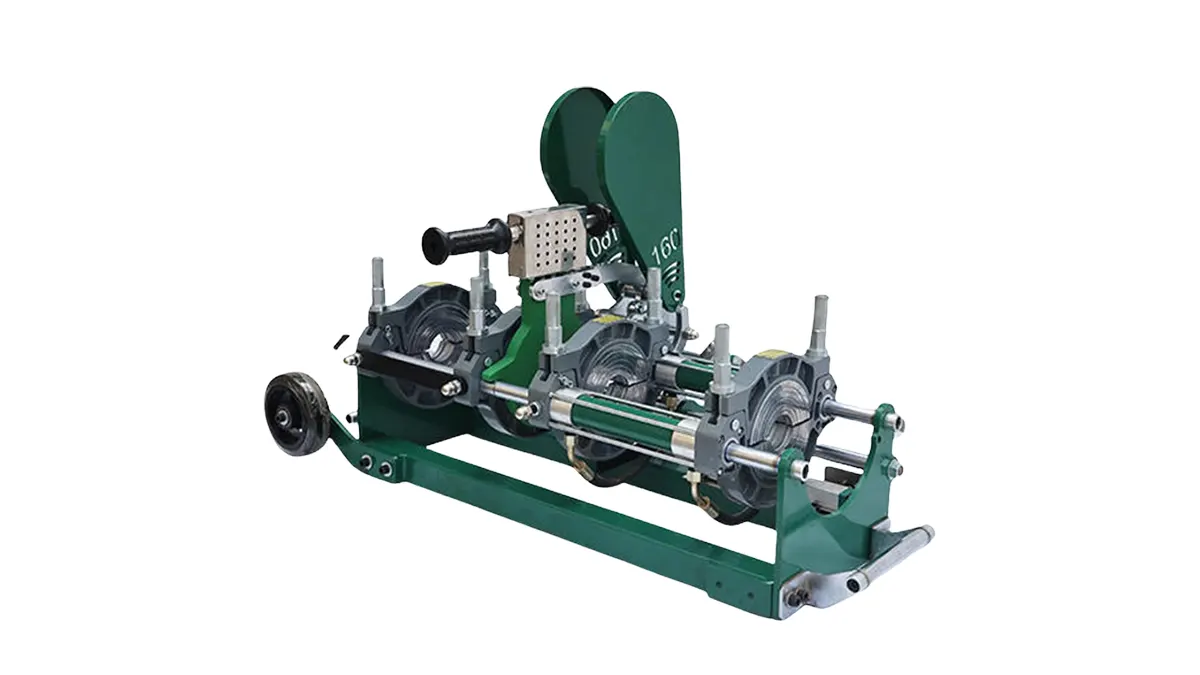
- Manual Butt Fusion Machines — compact and mobile for repairs and small-diameter jobs.
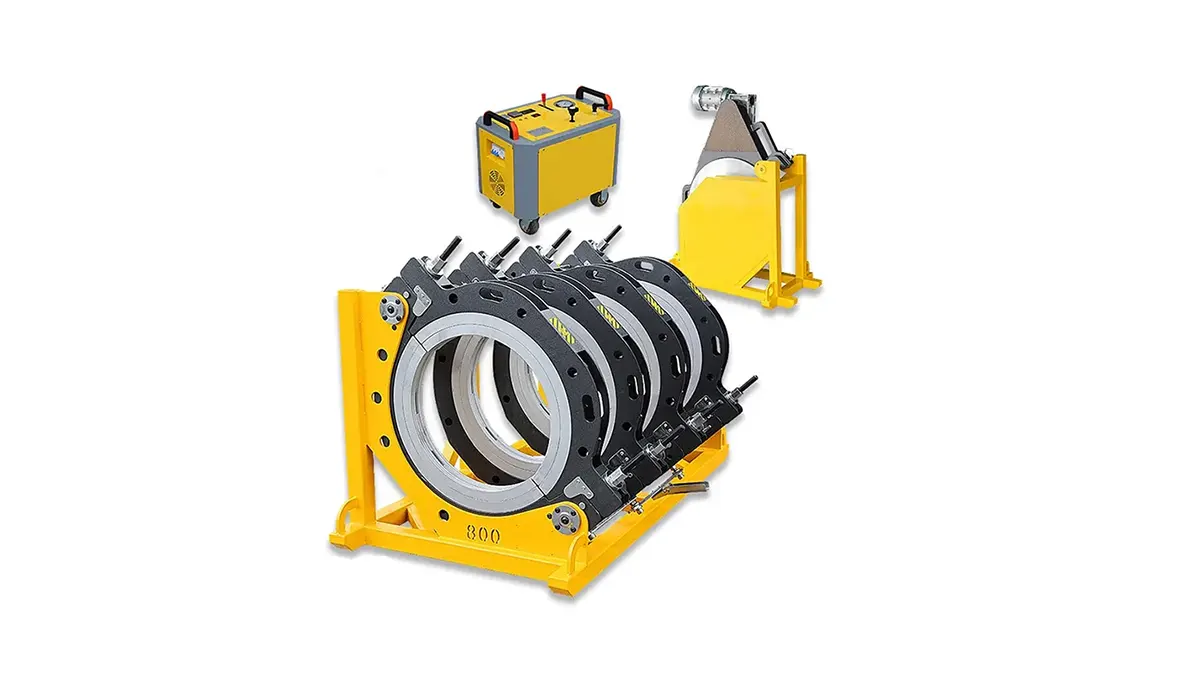
- Hydraulic Butt Fusion Machines — robust performance for medium to large diameters and frequent use.
- Automatic / CNC Butt Fusion Machines — precision control and data logging for large infrastructure contracts and compliance with EU standards.
Manufacturer Snapshot
JQ-Fusion — https://jq-fusionwelding.com/ — supplies a broad range of HDPE pipe welding machines, including manual, hydraulic, and automatic models tailored for global infrastructure projects.
Technical Comparison at a Glance
| Model Category | Typical Pipe Range | Best For |
|---|---|---|
| Manual | 20–160 mm | Small repairs, tight sites |
| Hydraulic | 160–2250 mm | Municipal water, gas, industrial pipes |
| Automatic / CNC | 63–1600+ mm | Large projects, traceability, high throughput |
Why Estonian Buyers Should Prioritize Quality
Estonia’s climate and soil conditions put extra demands on pipeline systems. High-quality welding equipment provides:
- Cold-climate reliability — consistent fusion across temperature variations.
- Durability — machines built for frequent on-site use and transport between sites.
- Compliance and traceability — automatic machines can record welding parameters to meet EU and local regulatory requirements.
Applications in Estonia
Common applications for HDPE welding machines across Estonia include:
- Municipal drinking water distribution and refurbishment programs.
- Gas distribution networks requiring leak-free polymer joints.
- District heating and industrial fluid transport systems where thermal cycling occurs.
- Agricultural irrigation and drainage systems in rural regions.
Site Considerations and Best Practices
To maximize weld quality on Estonian projects, follow practical site practices: prepare a level, wind-protected workspace; calibrate heating plates and fusion parameters for low temperatures; and use appropriate clamps and alignment tools for large-diameter pipes. Training operators on fusion parameter verification and documentation reduces failure risk and ensures long-term performance.
Buying Guide: How to Choose the Right Machine
When evaluating suppliers and models, consider:
- Pipe diameter range — match machine capacity to your typical projects.
- Automation level — choose automatic units for large contracts and traceability.
- After-sales & spare parts — local service agreements and fast access to consumables shorten downtime.
- Transportability — portable options reduce mobilization costs for scattered sites across Estonia.
Final Notes for Estonian Contractors
Investing in the right HDPE pipe welding equipment reduces long-term maintenance, improves pipeline safety, and supports compliance with EU infrastructure standards. Whether replacing short sections in a village water line or executing large municipal projects, select machines that deliver consistent butt fusion performance and clear documentation of weld records.
Ready to specify equipment or request a quote? Visit the manufacturer’s site or request technical details to compare models and local service options.



