
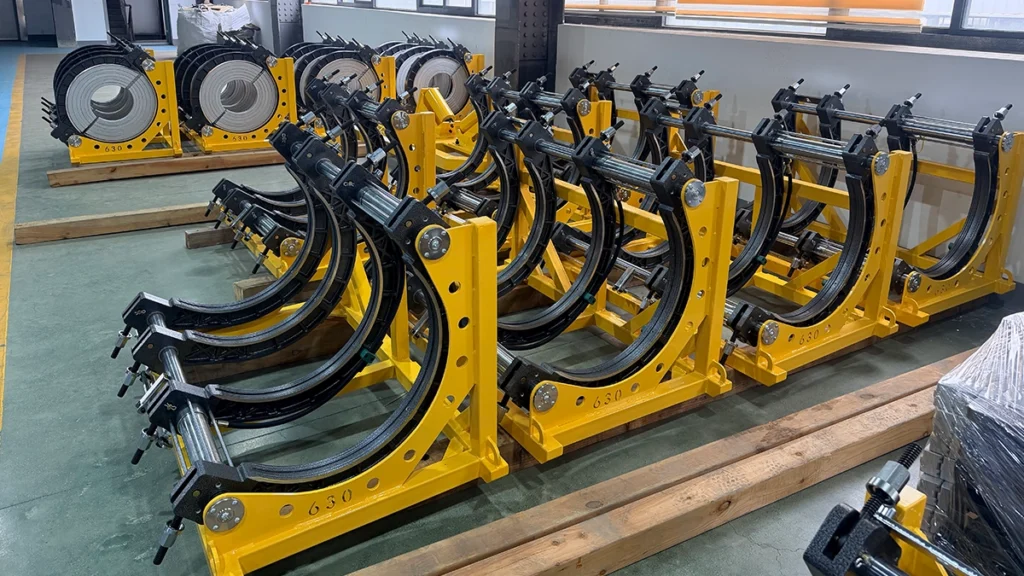
Canada’s infrastructure demands robust, weather-resistant solutions for HDPE piping — from municipal water mains in Ontario to gas distribution networks in Alberta and remote mining projects in the North. A trusted polyethylene welding machine factory can make all the difference for contractors and utilities seeking consistent, code-compliant fusion performance across varied Canadian environments.
Reliable Welding Solutions for Canadian Projects
Modern pipeline projects require welding equipment that balances portability, precision, and durability. Manufacturers of butt fusion and electrofusion systems design machines to handle large-diameter mains as well as smaller service lines. In Canada, where seasonal temperature swings and regulatory standards shape project specifications, choosing the right welding equipment is critical for long-term system integrity.
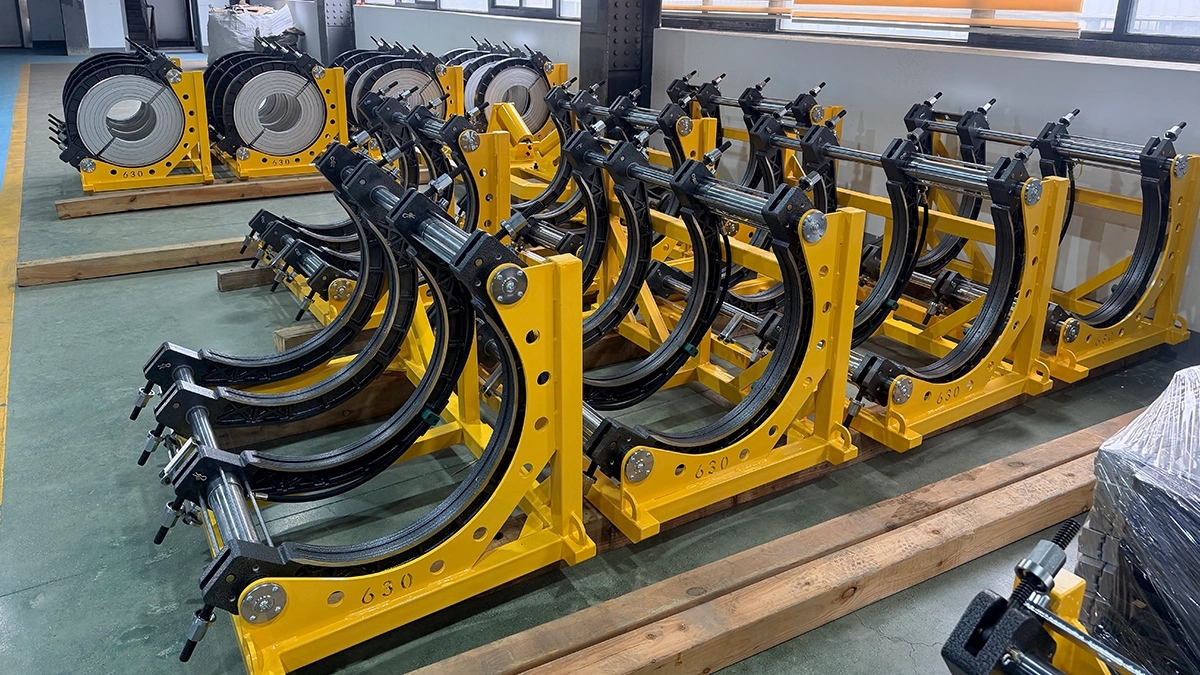
Key Welding Technologies
- Manual Butt Fusion — Simple, rugged units ideal for on-site repairs and small-diameter pipes.
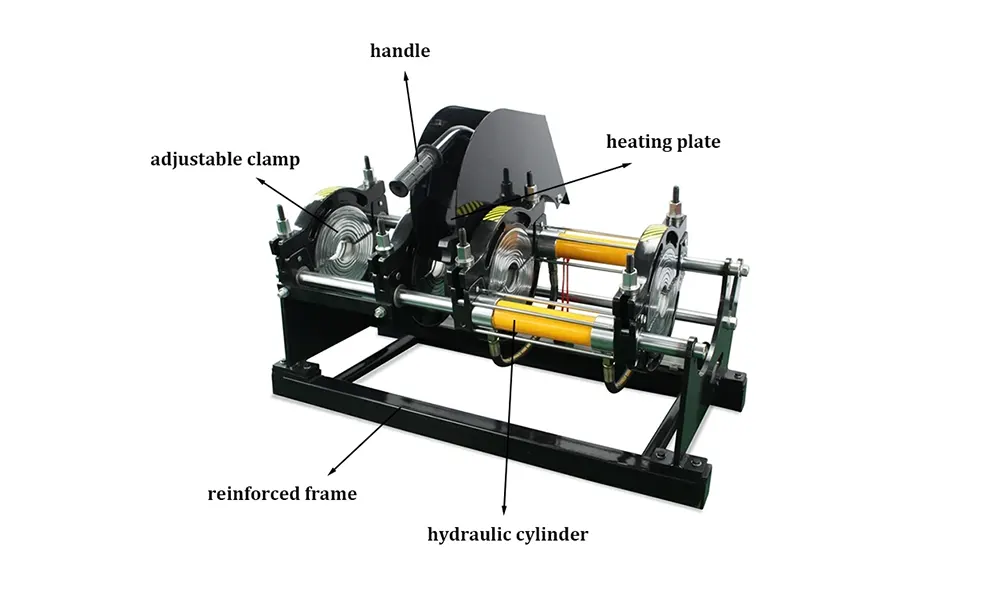
- Hydraulic Butt Fusion — Higher clamping force for consistent results on medium to large diameters.
- Automatic/CNC Butt Fusion — Precision-controlled cycles and data logging for high-volume production and critical infrastructure.
- Electrofusion Machines — Perfect for fittings, tapping saddles and locations where mechanical access is confined.
Why Canadian Contractors Choose Factory-Direct Machines
Buying directly from a specialized polyethylene welding machine factory ensures access to tailored configurations, spare parts, and training. For Canadian teams working in remote or cold climates, factory customization for winter operation kits, insulated transport cases, and extended warranties reduces downtime and logistical friction.
Applications Across Canadian Industries
Canadian projects benefit from polyethylene welding equipment in many sectors:
- Municipal Water — Leak-free joints for potable water systems and stormwater conduits.
- Natural Gas Distribution — Durable HDPE pipelines resistant to corrosion and ground movement.
- Mining & Utilities — Remote-site installations with rugged equipment requirements.
- Agriculture & Irrigation — Flexible, long-life pipework for seasonal operations.
Standards, Safety & Climate Considerations in Canada
Compliance is a priority: many Canadian projects reference CSA standards and relevant AWWA/ASTM specifications for polyethylene piping systems. Machines must deliver reproducible heating and cooling cycles to meet joint quality requirements — especially critical in cold-weather welding where preheating and controlled cooling ensure fusion integrity.
Practical Tips for Cold-Weather Fusion
In northern regions, crews should use windbreaks, heated plates, and temperature-compensated process controls. Selecting hydraulic units with higher torque and automatic machines with programmable parameters helps maintain consistent welds despite ambient temperature changes.
Quick Comparison Table — Typical Machine Options
| Machine Type | Typical Pipe Range | Best For |
|---|---|---|
| Manual Butt Fusion | 20mm – 315mm | Small repairs, low-budget sites |
| Hydraulic Butt Fusion | 90mm – 2000mm+ | Municipal mains, large-diameter pipelines |
| Automatic/CNC Butt Fusion | 63mm – 1600mm | High-volume production, documented welds |
| Electrofusion | 20mm – 1200mm (fittings) | Fittings, confined spaces, saddle connections |
Selecting the Right Supplier
Choose a manufacturer that provides clear technical documentation, OEM spare parts availability, and operator training. For example, JQ-Fusion (https://jq-fusionwelding.com/) specializes in butt fusion machines and offers models suited to a wide range of Canadian infrastructure needs.
After-Sales, Training & Field Support
Local training sessions, on-site commissioning, and remote troubleshooting can dramatically reduce project risk. Confirm lead times for consumables and spare parts, and ask about winterization accessories if your projects operate in sub-zero conditions.
Short FAQs
Q: Which welding method is best for cold climates? A: Automatic butt fusion with insulated plates and controlled cycles is recommended for repeatable results in cold weather.
Q: Are data-logging welders necessary? A: For municipal and regulated projects, data logging helps demonstrate compliance and traceability.
Start Your Canadian Project with Confidence
Investing in factory-quality polyethylene welding machines ensures safer, more reliable pipeline systems across Canada’s challenging environments. Prioritize machines that combine portability, precise control, and service support to meet both remote-site demands and stringent regulatory requirements.



