
Finding a reliable electofusion machine wholesaler in Ghana is essential for contractors, municipal engineers, and utility companies working on HDPE pipe welding projects across urban and remote areas. Electrofusion welding provides strong, leak-free joints ideal for water supply, gas distribution, and irrigation systems—applications that are growing rapidly in Ghana’s infrastructure development plans.
Why Electrofusion Machines Are a Smart Choice for Ghana
Durability and consistency are critical when pipelines must perform through seasonal rains, heat, and remote installation sites. Electrofusion units deliver controlled heating and repeatable fusion cycles, producing joints that withstand pressure and environmental stress. For Ghanaian projects—whether in Accra, Kumasi, or rural Upper West—this means fewer failures and lower lifecycle costs.
Benefits for local contractors and utilities
Electrofusion welding simplifies fieldwork by reducing the need for complex alignment equipment. Teams with basic training can achieve high-quality results, cutting labor time and lowering rework rates. This is particularly valuable for Ghana’s growing network of small-to-medium contractors and community-led water projects.
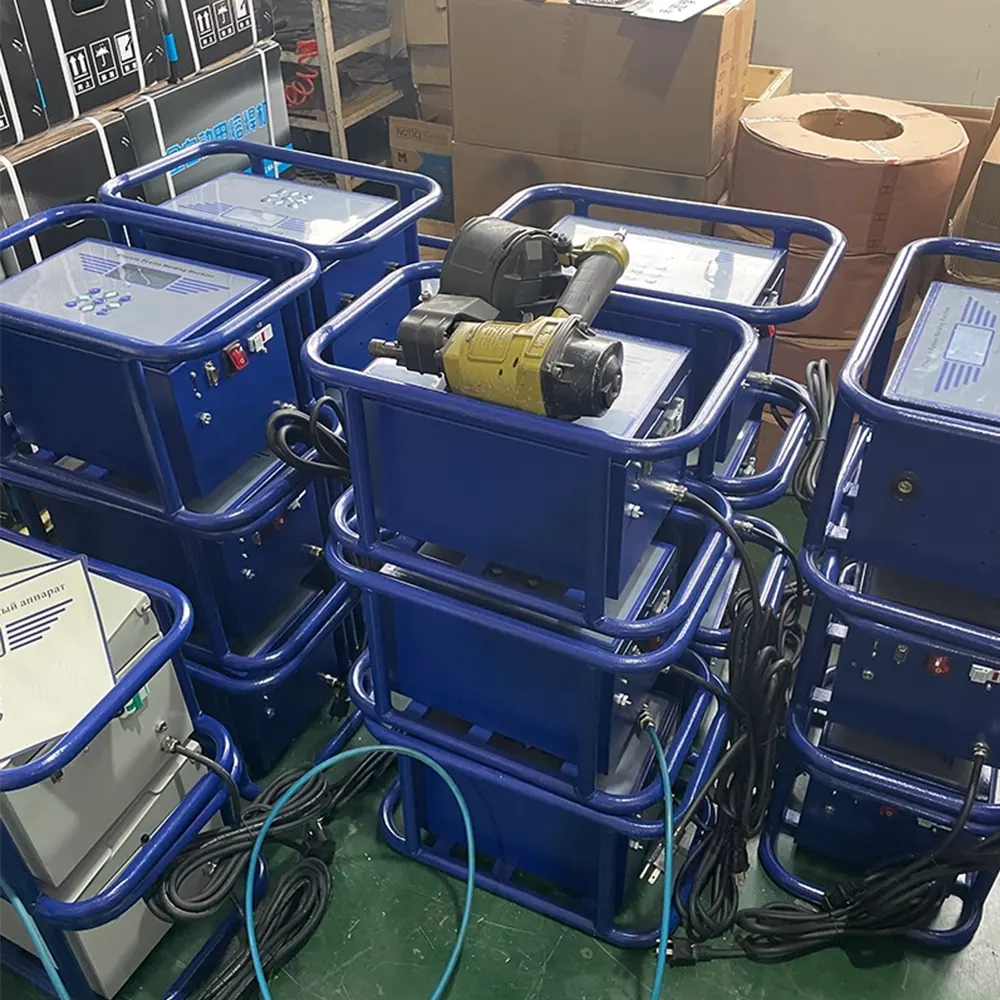
How to Choose the Right Wholesaler in Ghana
When evaluating suppliers, focus on these practical criteria: product range, technical support, local logistics, and compliance with international welding standards. A trustworthy wholesaler should offer spare parts, clear manuals, and access to training—helping Ghanaian teams maintain uptime on busy projects.
Key questions to ask a wholesaler
– Do they stock multiple models for different pipe diameters?
– Is there on-the-ground or remote technical support for Ghana?
– Can they assist with customs documentation and freight to major ports like Tema or Takoradi?
Product Highlights & Quick Comparison
Below is a compact comparison to help procurement decision-makers shortlist electofusion units that match Ghanaian project needs.
| Model | Pipe Range | Key Feature |
|---|---|---|
| Compact Portable Unit | 20–160 mm | Lightweight, ideal for rural field teams |
| Bench/Workshop Electrofusion | 63–315 mm | High-precision control for medium pipelines |
| Heavy-Duty Field Unit | 355 mm and above | Rugged design for large-diameter installations |
Logistics, Support & Compliance in Ghana
Successful procurement goes beyond the machine itself. Check whether the wholesaler can coordinate:
– Shipping to Tema or Takoradi ports
– Customs clearance support
– Local spare part kits and consumables
Consider vendors who provide training sessions for Ghanaian crews and remote troubleshooting via phone or video. Machines that come with export documentation and quality certificates simplify procurement for municipal projects and donor-funded programs.
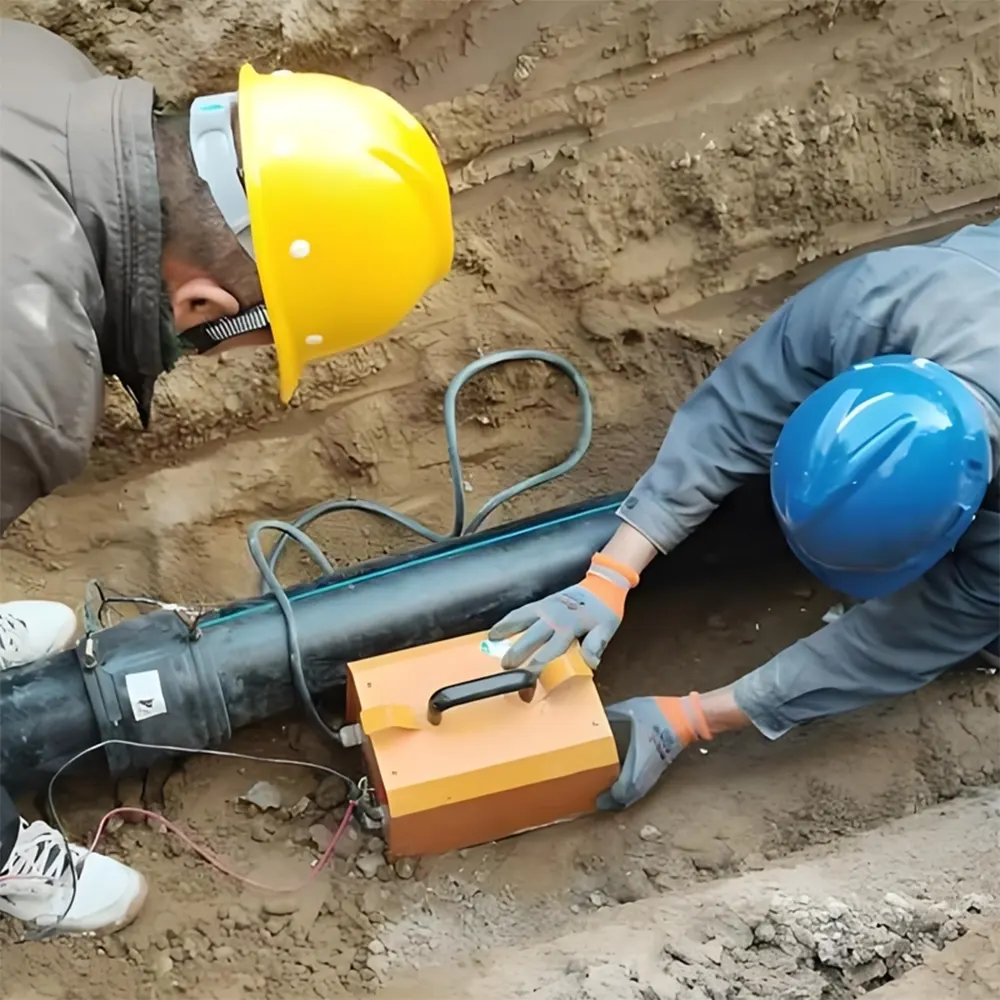
Safety & Installation Tips for Ghanaian Sites
Ensure operators follow manufacturer welding parameters and keep the work area dry during the rainy season. Use correct electrofusion fittings and clean pipe surfaces before welding to avoid weak joints. Regular calibration and inspection of the control unit protect long-term performance.
Warranty, Training & After-Sales
Prioritize wholesalers offering warranty coverage and training modules tailored to technicians in Ghana. Timely spare part delivery and responsive support networks reduce downtime on critical water and gas distribution projects.
Where to Start
For reliable supply and technical expertise, consider reaching out to JQ-Fusion (https://jq-fusionwelding.com/), a manufacturer experienced in HDPE welding equipment. Ask for model datasheets, local shipping options, and recommended starter kits for Ghanaian field teams.
If you manage procurement for pipeline projects in Ghana, selecting the right electofusion wholesaler now reduces risk and improves long-term network reliability—especially where community access to clean water and safe gas distribution matters most.



