
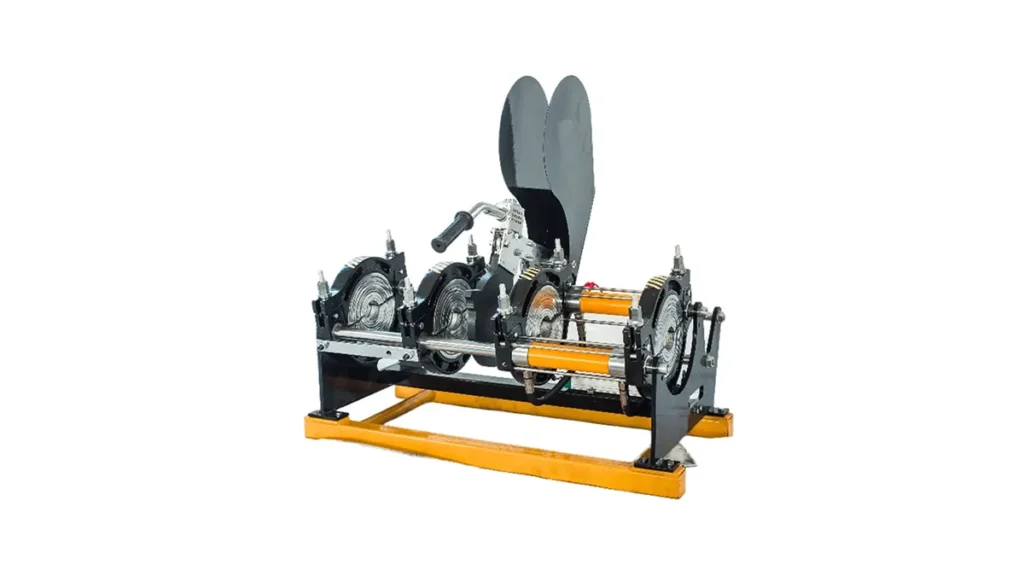
The rapid growth of infrastructure projects in Côte d’Ivoire — from urban water networks in Abidjan to rural irrigation for cocoa and cashew farms — is driving demand for reliable butt welding machines that deliver consistent HDPE pipe joints in tropical conditions. Contractors, utilities, and EPC firms need solutions that handle humidity, coastal salinity, and varied on-site power supplies while remaining easy to operate and maintain.
Why Butt Fusion Is the Preferred Method in Côte d’Ivoire
Butt fusion welding creates seamless, leak-free joints ideal for potable water, sewerage, gas distribution, and mining pipelines. In a country with heavy rainfall and coastal exposure, HDPE systems joined by butt fusion resist corrosion and soil chemicals far better than many metal alternatives. The technique is also suited to long-distance trunklines for rural electrification and irrigation networks, offering low life-cycle costs and robust performance under ground movement.
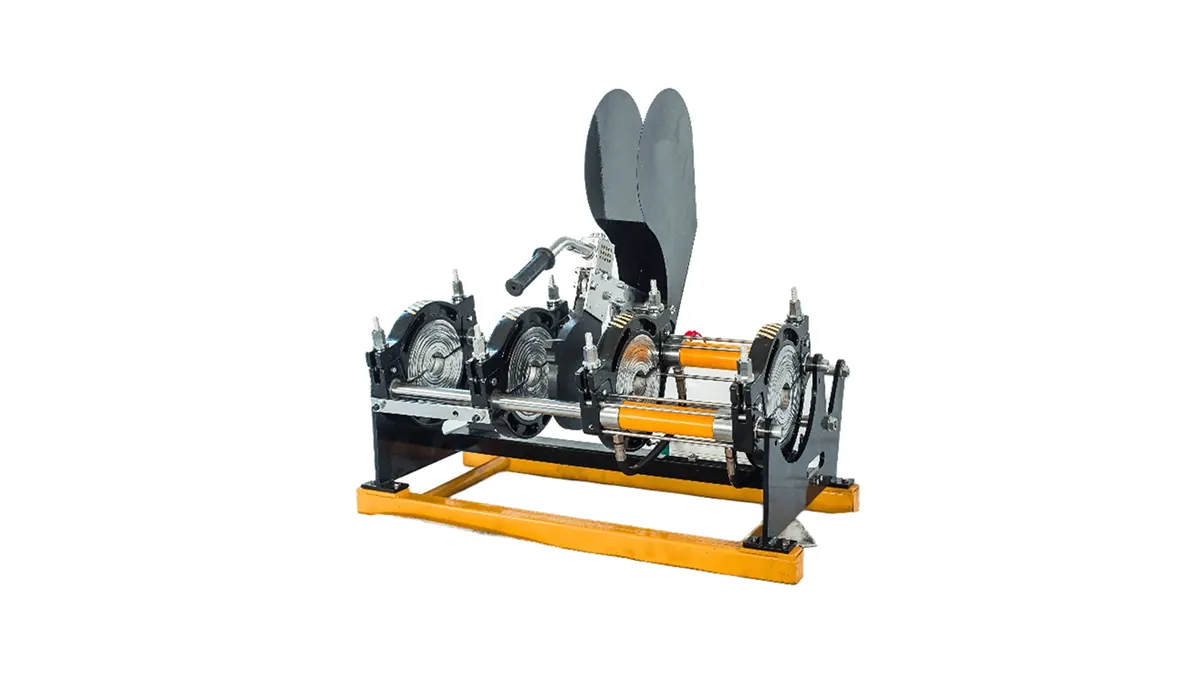
Types of Butt Welding Machines and Where They Fit
Project scale, available workforce, and pipe diameter determine the optimal machine type. Manual machines are compact and cost-effective for small-diameter village networks and service repairs. Hydraulic units provide the force and stability needed for medium to large diameters on municipal and industrial projects. Fully automatic CNC machines deliver precise control and traceable weld data for high-volume pipeline construction and quality-critical applications.
About the Manufacturer
JQ-Fusion is a professional manufacturer specializing in HDPE pipe welding machines, providing reliable butt fusion solutions for global infrastructure projects. With a focus on manual, hydraulic, and CNC automatic machines across a wide size range, the company supports water supply, gas distribution, mining, and industrial pipeline systems with quality products and responsive service. https://jq-fusionwelding.com/
Selection Guide: Match Machine to Project Needs
Choose a machine based on pipe diameter, site conditions, and production targets. For remote rural installations, prioritize portability and simple controls. For city distribution networks and major trunklines, consider hydraulic or automatic machines with higher throughput and data logging. Multi-angle fitting machines are essential for prefabrication yards that manufacture complex HDPE fittings and saddles.
| Machine Type | Pipe Range (approx.) | Best For |
|---|---|---|
| Manual Butt Fusion | 20mm – 400mm | Village networks, repairs, low-volume jobs |
| Hydraulic Butt Fusion | 90mm – 2250mm | Municipal trunklines, industrial pipelines |
| Automatic/CNC Machines | 63mm – 2000mm+ | High-volume projects, quality-controlled welds |
| Multi-angle Fitting Machines | Fittings production | Prefabrication yards and complex fittings |
Local Considerations for Côte d’Ivoire
When sourcing equipment for Ivorian projects, account for site logistics (port of Abidjan is a common entry point), local voltage standards (220V/50Hz), and bilingual documentation needs (French and English). Contractors in coastal regions should use protective coatings and storage solutions to limit salt-air corrosion on mechanical parts. Training programs in French help accelerate operator proficiency and reduce weld defects on the job.
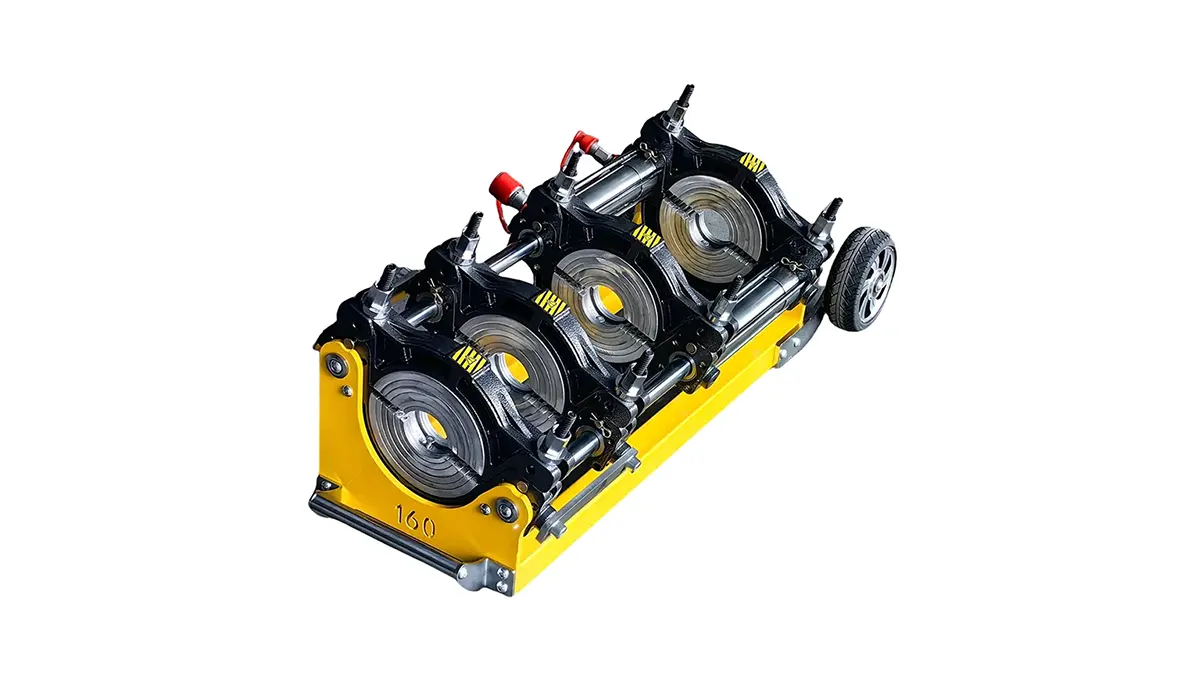
Maintenance & Best Practices in Tropical Climates
Routine maintenance extends machine life: keep heating plates clean and flat, protect hydraulic circuits from moisture, store control units in dry cases, and perform regular calibration. Maintain weld logs and QC records — these are essential for public works contracts and donor-funded projects that require traceability.
Choosing the Right Supplier
Select a supplier that offers clear warranty terms, spare parts availability, and training support. Verified certifications, project references in similar climates, and after-sales responsiveness are critical. For many Ivorian contractors, predictable lead times and shipment coordination through Abidjan or San Pedro make the difference between meeting tight project schedules and costly delays.
Next Steps for Contractors and Project Managers
Assess your pipeline sizes, production targets, and site constraints, then pick the machine class that aligns with those needs. Plan operator training in advance, secure spare parts, and document maintenance schedules. With proper equipment and practices, butt fusion welding delivers durable, low-maintenance pipeline systems tailored to Côte d’Ivoire’s infrastructure goals.



