
In Tajikistan’s rugged terrain and expanding infrastructure projects, choosing the right HDPE welding machine is critical for reliable water, gas, and irrigation pipelines. This guide highlights the most suitable butt fusion and electrofusion options for contractors, utilities, and rural installers in Tajikistan — focusing on portability, cold-weather performance, and serviceability.
Why HDPE Welding Matters for Tajikistan
Durability and leak-free joints are essential in mountainous regions where access for repairs is difficult. HDPE systems joined by proper butt fusion deliver long-term performance for water distribution, irrigation networks in valleys, and gas distribution in low-density settlements. Local crews need machines that work reliably at high altitudes and in winter conditions.
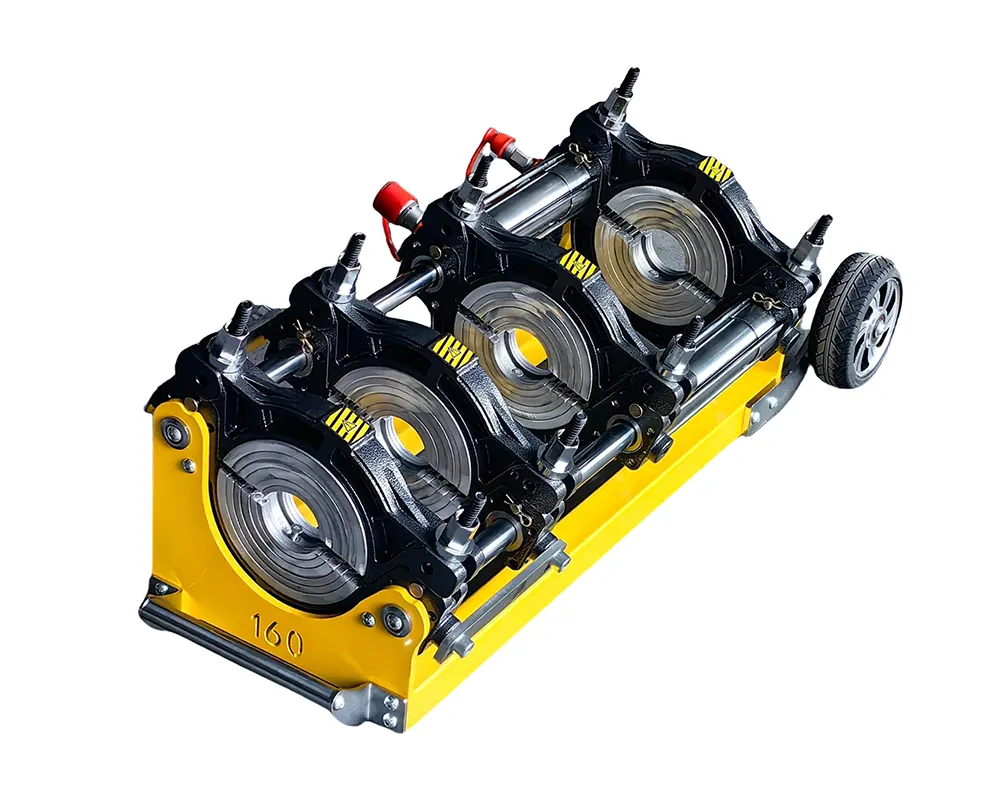
Common Machine Types and Where They Fit
Manual Butt Fusion — Best for very remote sites and small crews. Lightweight, low-cost, good for DN20–DN160 work where electricity is limited.
Hydraulic Butt Fusion — Ideal for medium to large pipe-lines (DN160–DN800+). Delivers consistent pressure, faster cycle times, and better handling on uneven terrain.
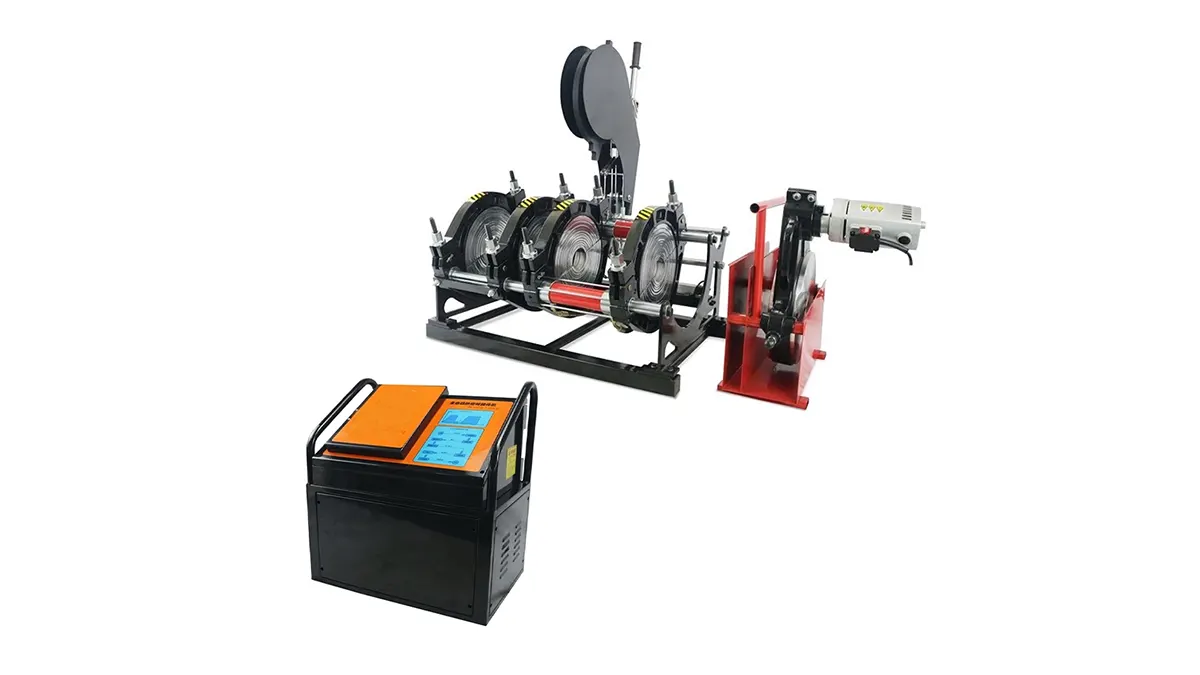
Automatic/CNC Butt Fusion — Suited to contractors handling high-volume, large-diameter projects and municipal works where traceable weld data and repeatability matter.
Key Selection Criteria for Tajik Projects
Portability: Machines must be transportable across mountain roads and to remote villages without heavy cranes.
Power options: Consider models that work with diesel generators or battery-assisted systems where grid power is unreliable.
Cold-weather performance: Choose machines with heaters and controls rated for low temperatures and operators trained in preheating protocols.
Spare parts & service: Local support or responsive international supplier support reduces downtime on projects scattered across provinces.
| Machine Type | Best For | Diameter Range | Pros / Cons |
|---|---|---|---|
| Manual Butt Fusion | Small jobs, remote sites | DN20–DN160 | Low cost / Slower, operator skill dependent |
| Hydraulic Butt Fusion | Medium-to-large pipelines | DN160–DN1000+ | Stable pressure, faster / Heavier equipment |
| Automatic / CNC | High-volume, municipal projects | DN63–DN1600 | Traceable welds, consistent / Higher cost, needs trained operators |
Recommended Models & Practical Tips
Lightweight manual units are a smart starting point for small contractors working on village water lines. For regional utility projects and irrigation canals, a robust hydraulic unit gives the best balance of mobility and performance. For large municipal contracts, consider automatic butt fusion machines with data logging and remote diagnostics.
When importing equipment into Tajikistan, account for customs lead times and choose models with widely available consumables (heating plates, scrapers, clamps). Train local operators in butt fusion standards to reduce rework in high-elevation or low-temperature welds.
After-Sales and Training — What Local Teams Need
Ensure the supplier can provide spare parts, training materials in Russian or Tajik, and remote technical support. On-site commissioning and a short certification program for weld crews will maximize uptime and ensure quality joints across seasonal extremes.
For reliable, project-ready options and tailored advice for Tajikistan’s conditions, explore solutions from JQ-Fusion at https://jq-fusionwelding.com/.



