
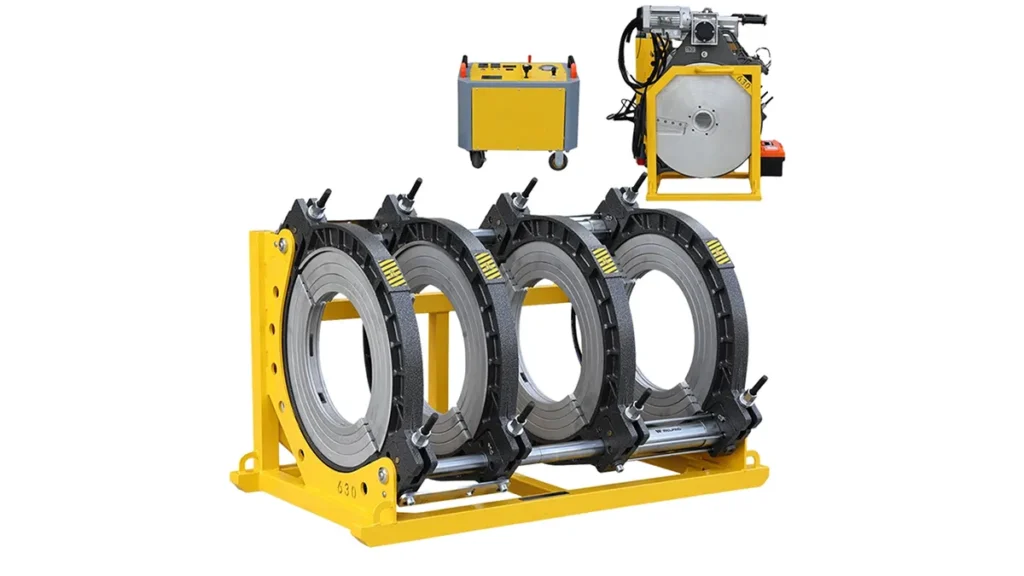
Plastic pipe welding machines are essential equipment for building durable HDPE pipe networks in Palestine — from municipal water supply and irrigation systems in the West Bank to rehabilitation projects in Gaza. This guide helps buyers, contractors, and procurement teams choose the right butt fusion and electrofusion solutions, understand local application needs, and follow best practices for reliable welds under regional constraints.
Why HDPE Pipe Welding Matters in Palestine
Durability and corrosion resistance: HDPE is well suited to Palestine’s varied soil types, saline groundwater zones, and long-term irrigation networks. Proper welding ensures leak-free joints, reducing maintenance in remote agricultural areas and dense urban neighborhoods.
Project types where HDPE prevails: potable water distribution, wastewater rehabilitation, irrigation systems for olive and citrus groves, donor-funded infrastructure repairs, and industrial plants. Local contractors often face tight timelines and limited access — making machine reliability and portability critical.
Common Welding Methods and When to Use Them
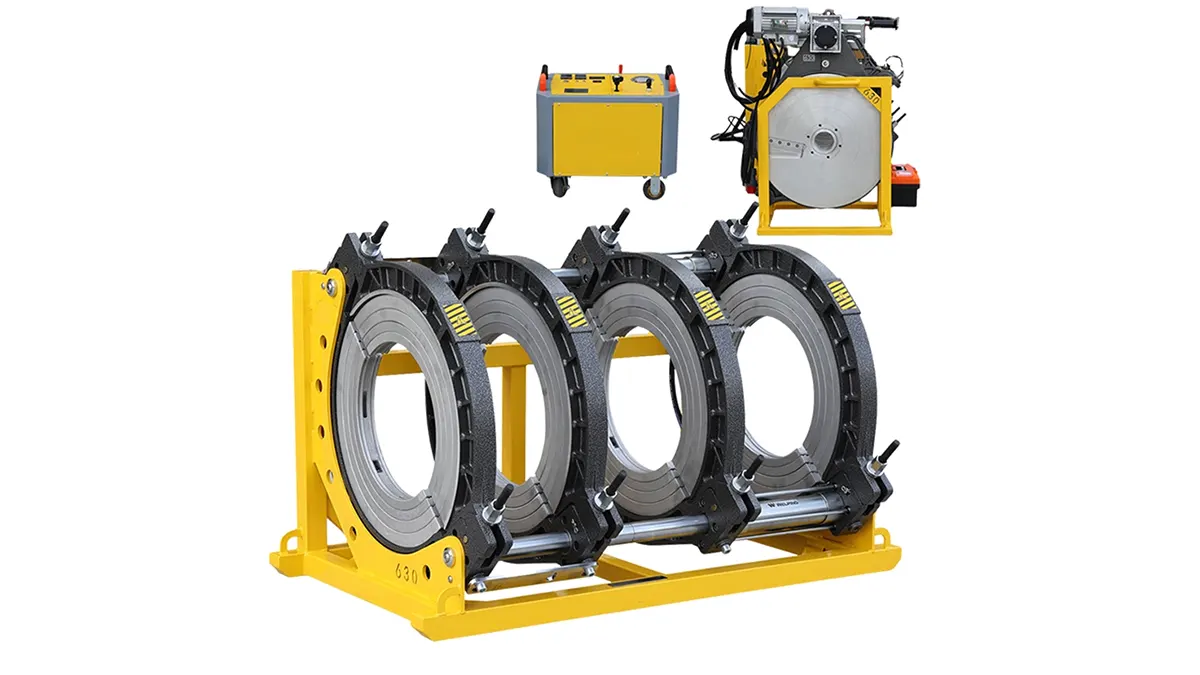
Butt fusion (hydraulic/manual/CNC): Best for straight-line pipe joining across diameters from small distribution mains to large trunk lines. Hydraulic and CNC machines are preferred for medium-to-large diameters due to consistent pressure control.
Electrofusion: Ideal for fittings, repair patches, and limited-access sites where clamps are impractical. Electrofusion provides controlled heat via fittings and reduces the need for bulky equipment.
Key Buyer Considerations
| Feature | Why It Matters |
|---|---|
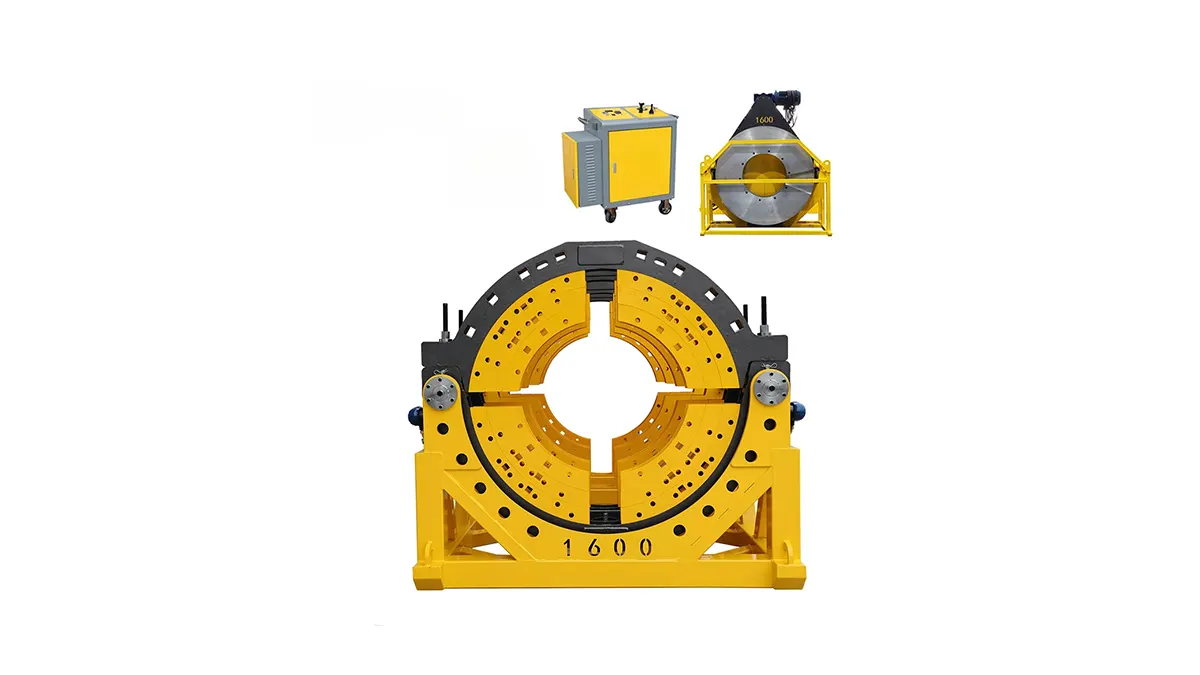
| Pipe diameter range | Choose a machine that covers your typical project sizes (e.g., 20–315mm for distribution, up to 1600mm+ for trunk mains). |
| Portability | Field work in remote valleys and terraces demands lightweight or trailer-mounted units for easy transport. |
| Power & control | Electric, hydraulic, or battery-assisted options affect site setup. CNC/automatic control improves repeatability for critical mains. |
| Service & spare parts | Local or regional support, training, and quick access to heaters, cutters and clamps reduce downtime on tight schedules. |
Selecting the Right Machine for Palestinian Projects
Small community water and irrigation projects: Manual and compact hydraulic butt fusion machines provide cost-efficient, portable solutions for 20–160mm pipes.
Municipal trunk mains and contractor fleets: Mid-to-large hydraulic or CNC automatic butt fusion machines (315mm–1600mm+) deliver consistent welds and higher throughput for long pipelines and donor-funded works.
Practical Tips for Site Purchasing & Logistics
Customs and import: Plan documentation and harmonized codes ahead of shipment to minimize delays at crossings. Include spare parts and consumables with initial orders to avoid local shortages.
Training and certification: Request operator training and welding procedures. Certified welders and documented weld logs increase acceptance by municipal authorities and donors.
Operational Best Practices for Reliable Welds
Surface and alignment: Clean, square-cut pipe ends and precise alignment eliminate cold joints. Use pipe scrapers/trimmers and high-quality alignment clamps.
Heating and cooling control: Follow specified heater temperatures and controlled cooling times. Over- or under-heating is a common cause of weak joints.
Record keeping: Keep fusion logs with machine parameters, ambient conditions, operator, and test results to support quality assurance and warranty claims.
Maintenance Checklist
Daily: Inspect heating plates, trimming blades, clamps and hydraulic hoses. Clean contact surfaces to prevent contamination.
Periodic: Calibrate pressure gauges and control units, check battery backup and electrical connections, replace worn tooling.
Safety Considerations
Site safety: Use PPE for hot surfaces, follow safe lifting procedures for heavy clamps and frames, and prevent unauthorized access to live welding areas.
Where to Get Reliable Equipment and Support
Look for manufacturers who provide clear technical documentation, spare parts availability, operator training, and global delivery. One such supplier with a strong focus on HDPE butt fusion machines and global project support is JQ-Fusion.
Final Checklist Before Purchase
– Confirm diameter range and machine type for typical projects.
– Verify power requirements and on-site compatibility.
– Ensure spare parts kit and training are included or available.
– Ask for welding procedure specification (WPS) and references from similar projects.
Choosing the right HDPE welding machine for Palestine combines an understanding of local site conditions, project scale, logistical realities, and reliable after-sales service. With proper selection and operator training, butt fusion and electrofusion machines deliver long-lasting, leak-free networks that support water security and sustainable development across the region.



