
Rwanda’s rapidly expanding infrastructure—driven by urban development in Kigali, rural water projects, and agricultural irrigation—demands reliable HDPE pipe welding solutions that perform in diverse terrain and weather. For contractors and municipal teams seeking durable butt fusion and electrofusion equipment tailored to local needs, professional manufacturers deliver proven options for long-lasting pipeline networks.
Why Butt Fusion and Electrofusion Work Well in Rwanda
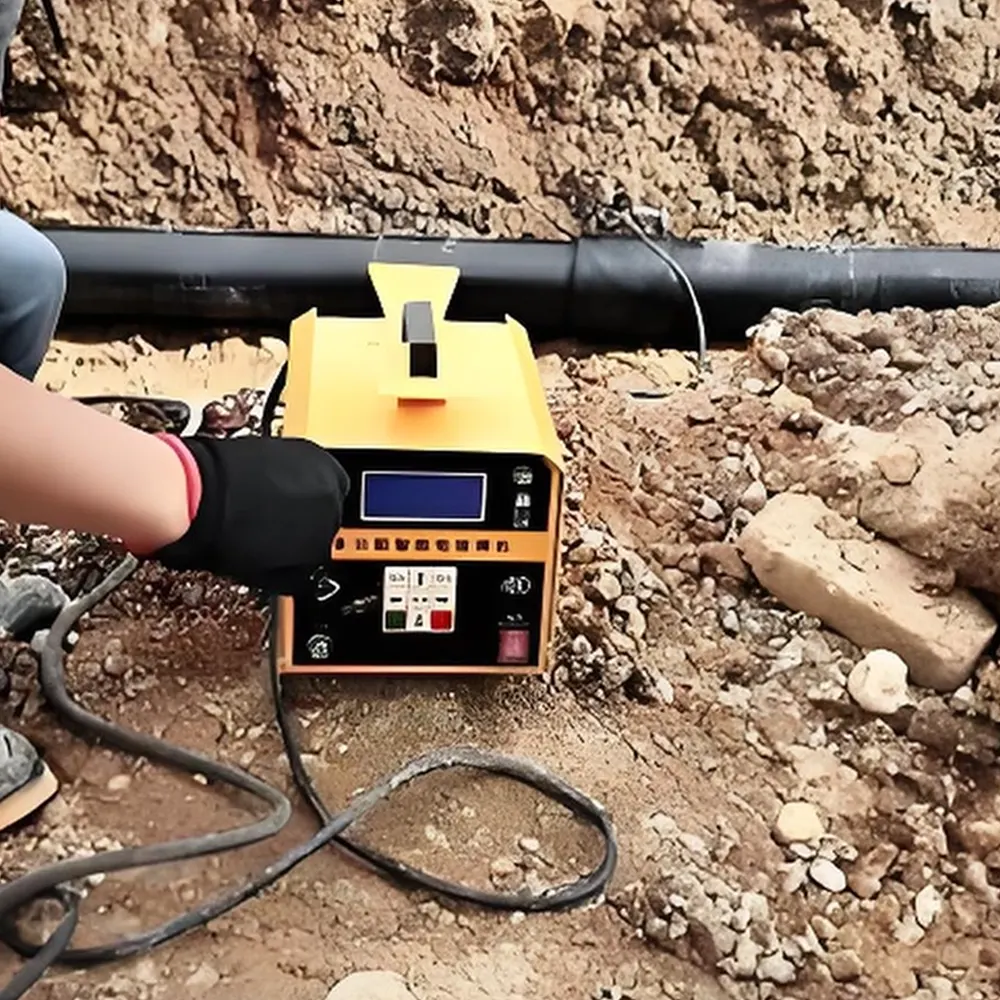
HDPE piping is favored across Rwanda for its corrosion resistance, flexibility, and low maintenance. Butt fusion creates homogeneous joints that are leak-free and ideal for water supply, irrigation canals, and gas distribution. Electrofusion adds speed and precision for fittings and repair work in tight urban or remote rural locations.
Local Advantages
Rwandan projects benefit from machines that are easy to transport over hilly terrain, tolerant of frequent power fluctuations, and simple to operate by locally trained technicians. Equipment optimized for quick setup reduces downtime on rainy-season work and helps small contractor teams deliver consistent weld quality.
Product Range & Typical Applications
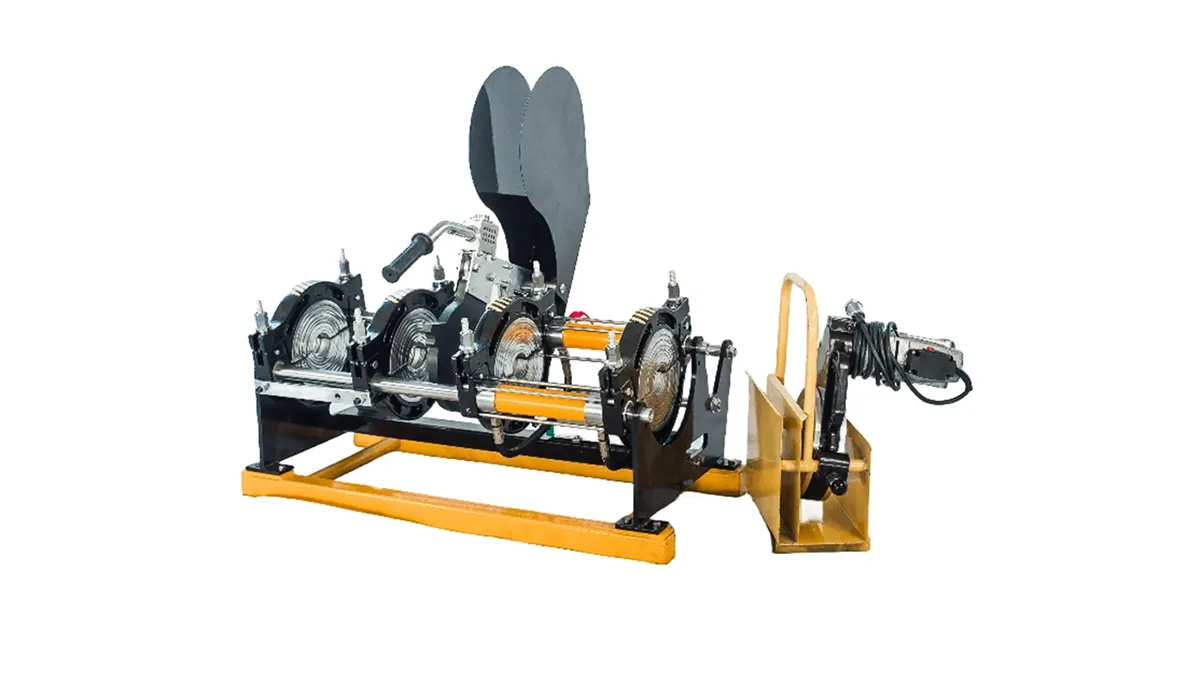
Leading manufacturers provide a full lineup—manual, hydraulic, and CNC automatic butt fusion machines, plus electrofusion units—covering pipe diameters from small distribution lines to large-diameter trunk mains. These machines support:
- Urban water networks — long-life joints for municipal supply systems
- Rural irrigation — robust welding in remote installation sites
- Gas and industrial pipelines — certified fusion for safety-critical systems
- Repair and maintenance — portable electrofusion and manual units for quick fixes
How to Choose the Right Welder for Rwandan Projects
Selecting the correct machine depends on project scale, crew skill level, and site conditions. Consider these factors:
Key Selection Points
Pipe diameter: manual machines are cost-effective for small-diameter networks; hydraulic and automatic units are best for larger pipelines. Mobility: lightweight frames and modular designs aid field deployment across uneven roads. Power & control: machines with robust controllers and backup power options reduce downtime where grid reliability is variable.
Comparison Table: Machine Types at a Glance
| Machine Type | Pipe Range | Best For | Primary Benefit |
|---|---|---|---|
| Manual Butt Fusion | 20mm–315mm | Small distribution & repairs | Low cost, easy field use |
| Hydraulic Butt Fusion | 160mm–2000+mm | Large mains & industrial lines | High pressure control, consistent joints |
| Automatic CNC Butt Fusion | 63mm–1200mm+ | High-volume pipeline projects | Precision, repeatability, data logging |
| Electrofusion | Fittings for 20mm–1200mm | Repairs, complex fittings, tight spaces | Fast, neat joints for constrained work |
Installation, Training & Local Support
Success on Rwandan sites often depends on operator training and accessible spare parts. Investing in a training session for local technicians ensures proper heating, planning, and cooling cycles—key steps for weld integrity. Look for suppliers who can provide documentation, basic calibration tools, and responsive technical guidance for field troubleshooting.
Maintenance Tips
Regular cleaning of heating plates, inspection of clamps, and checking hydraulic lines preserve machine life. Keep a small inventory of wear parts—heating elements, scrapers, seals—so that rural projects do not stall while waiting for deliveries.
Procurement & Logistics for Rwanda
When procuring equipment for Rwanda, evaluate shipping options and customs clearance times. Machines that arrive with clear packing lists, basic on-site setup instructions, and compact packaging simplify importation and reduce handling costs. For many project teams, choosing durable, easy-to-service models delivers the best long-term value.
About the Manufacturer
JQ-Fusion is a professional manufacturer specializing in HDPE pipe welding machines, offering manual, hydraulic, and CNC automatic butt fusion equipment along with electrofusion units to support global infrastructure projects.
Final Considerations for Rwandan Projects
Prioritize machines that balance portability, weld quality, and serviceability. With proper selection, training, and maintenance, Rwandan contractors and utilities can build leak-free, resilient pipeline systems that support long-term development goals.



