
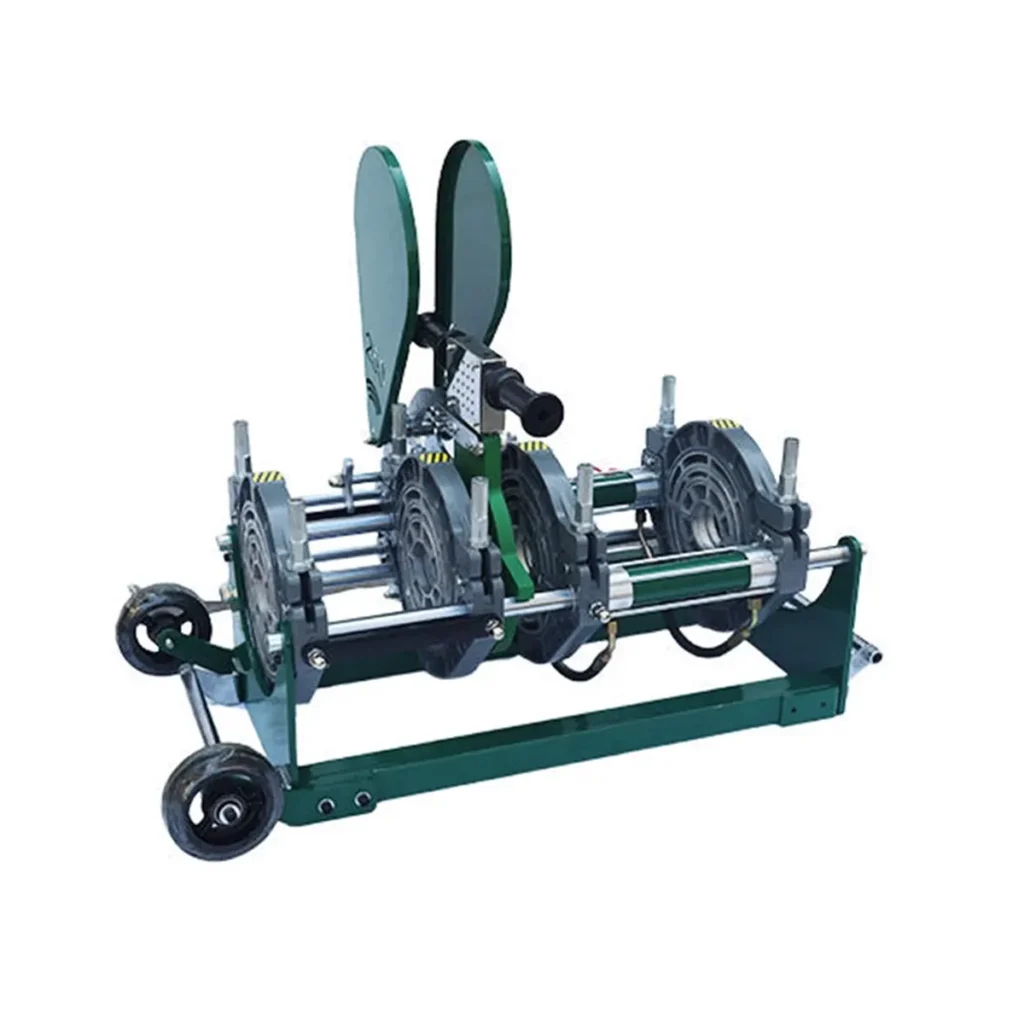
Libya’s expanding infrastructure and water supply projects demand reliable poly pipe welding solutions that withstand high temperatures, abrasive desert conditions and coastal corrosion. For municipalities, oilfield contractors, and rural waterworks across Tripoli, Benghazi, Misrata and remote Saharan sites, selecting the right HDPE welding equipment ensures long-lasting, leak-free pipeline systems.
Why Poly Pipe Welders Matter in Libya
Durability and joint integrity are critical for Libya’s diverse pipeline needs — from urban potable water networks to irrigation and industrial conduits. The right butt fusion and electrofusion machines deliver consistent fusion strength, reduce rework, and resist UV and sand abrasion common in Libyan environments.
Types of Welders Suited for Libyan Projects
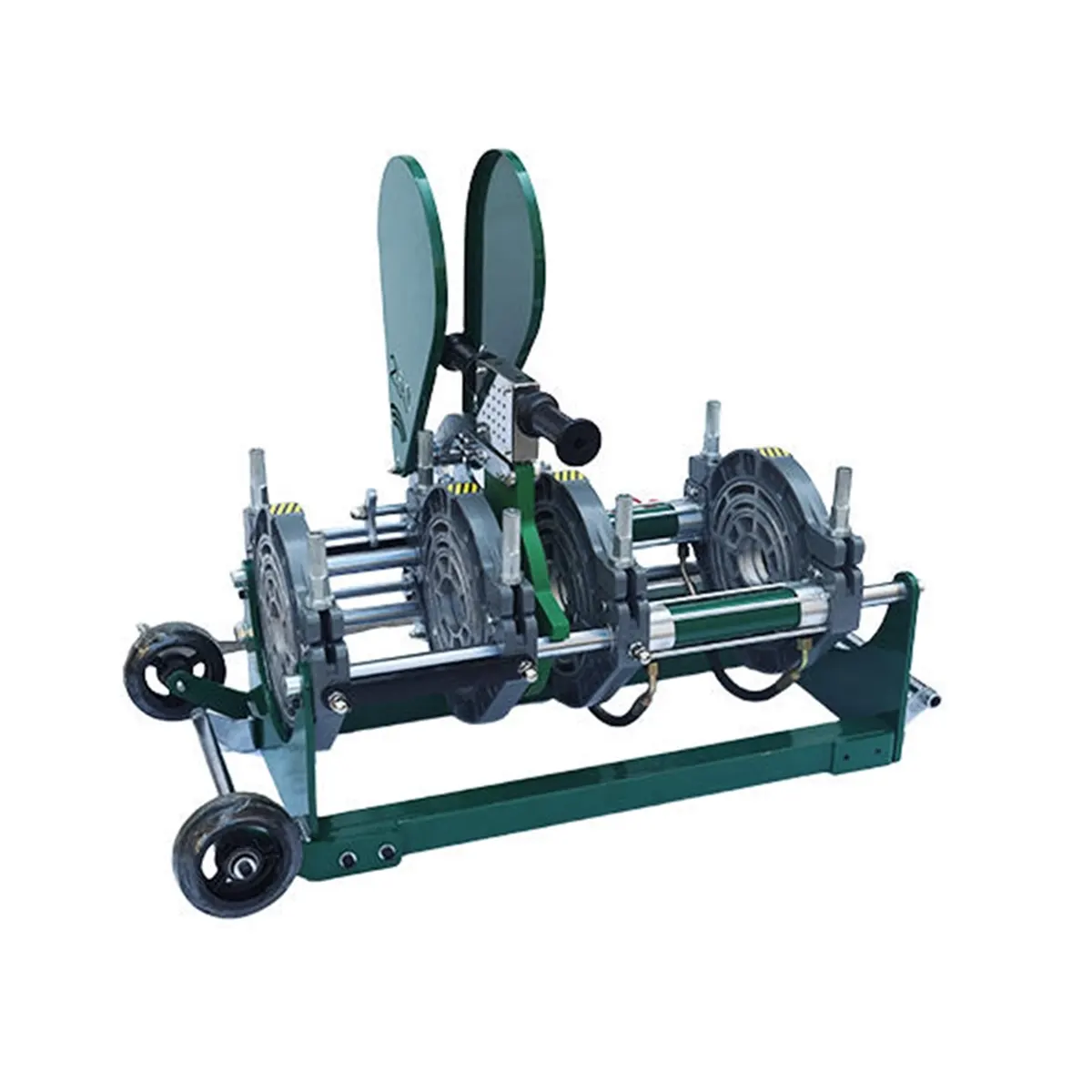
Local contractors and engineers typically choose among manual, hydraulic and CNC automatic butt fusion welders depending on project scale. Manual units are portable for remote repairs, hydraulic machines suit medium pipelines, and automatic CNC systems ensure precision for large diameter mains used in desalination or industrial supply.
Key Benefits for Local Contractors
Faster installation, fewer leaks, and compliance with international welding standards translate to lower lifecycle costs — an important factor for Libyan municipalities facing budget and maintenance constraints. Machines optimized for hot climates and salty air reduce downtime and corrosion-related failures.
Model Comparison — Quick Buying Guide
| Model | Pipe Range | Type | Best For |
|---|---|---|---|
| Manual JQSY-2M | 20mm–160mm | Manual Butt Fusion | Field repairs & remote sites |
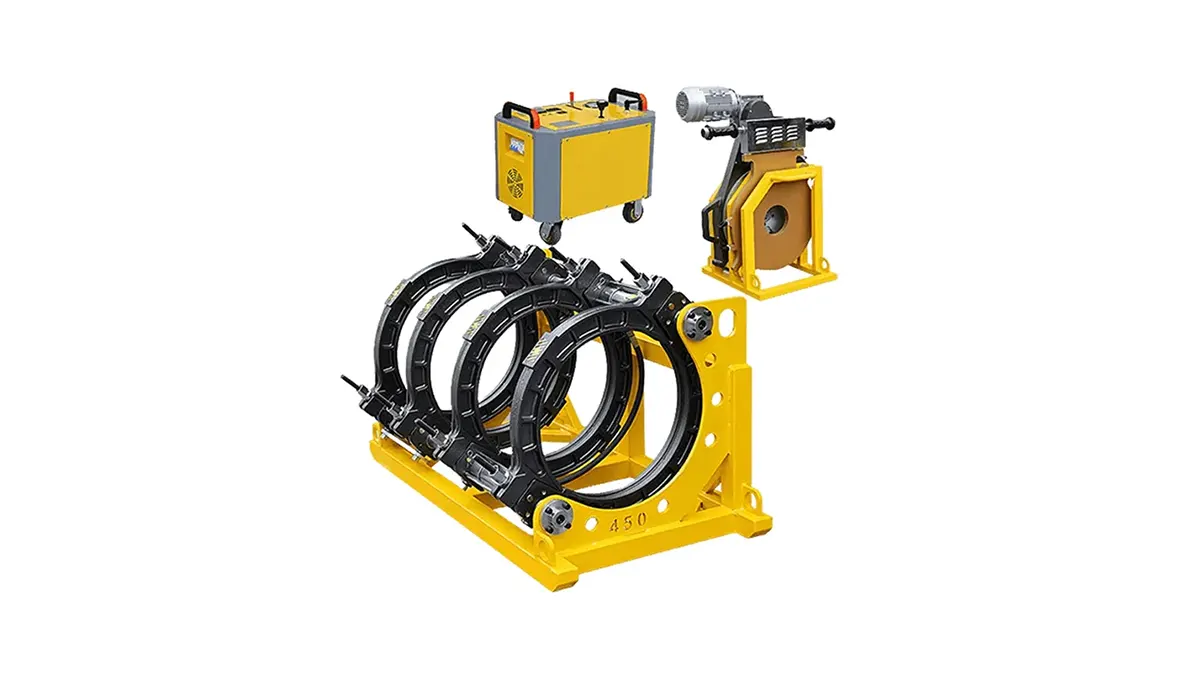
| Hydraulic JQH-450 | 160mm–800mm | Hydraulic Butt Fusion | Municipal mains & medium projects |
| Automatic JQA Series | 200mm–1600mm | CNC Automatic Butt Fusion | Large diameter mains & industrial pipelines |
Selecting Machines for Libya’s Climate and Logistics
When purchasing equipment for Libya, consider dust-proof enclosures, heat-resistant electronics, and corrosion-resistant components for coastal projects. Port access via Tripoli or Misrata and customs clearance services affect lead times — plan for spare parts and training to minimize on-site downtime.
Training, Service and Spare Parts
Local technicians benefit from hands-on training in butt fusion procedures and quality testing; proper technique ensures welds meet ISO and industry acceptance criteria. Ensure your supplier provides accessible spare parts, maintenance guides and remote support to keep projects on schedule across Libya’s broad regions.
Certifications and Quality Assurance
Look for machines and consumables that meet international welding standards, including calibrated heating plates and traceable quality control. Consistent thermal control and alignment systems are essential for HDPE pipeline longevity in high-temperature conditions.
How to Purchase and Deploy
For contractors and procurement teams in Libya, start with a site assessment to choose the right machine class, confirm shipping terms to the nearest port, and schedule operator training. Investing in a reliable welding partner reduces repair cycles and supports sustainable water and industrial networks.
JQ-Fusion (https://jq-fusionwelding.com/) offers a range of HDPE butt fusion and electrofusion machines tailored for global infrastructure — contact the supplier for model availability, technical sheets, and export arrangements to Libya.
Ready to Improve Your Pipeline Projects?
Selecting the right poly pipe welder is a long-term investment in reliability and public service. For water supply upgrades, oilfield tie-ins, or rural pipeline builds across Libya, choose equipment designed for harsh climates, backed by spare parts and operator training to ensure success.



