
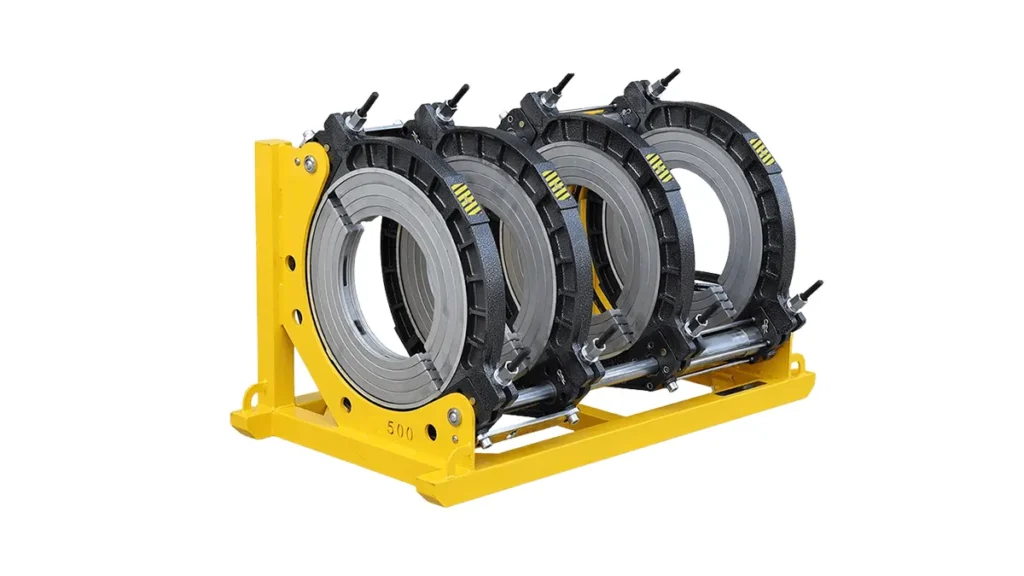
Sweden’s infrastructure projects demand precision, durability, and climate-ready solutions — especially when it comes to welding plastic pipes for water, gas, and district heating networks. This guide explains how modern butt fusion and electrofusion equipment can meet Swedish industrial and municipal needs, helping contractors and engineering firms deliver reliable pipelines that stand up to Nordic conditions.
Why Swedish Projects Need Specialized Plastic Pipe Welders
In Sweden, pipeline systems face unique challenges: long cold seasons, strict environmental regulations, and high expectations for longevity and leak-free performance. Plastic pipe welding machines designed for HDPE and PE-X installations provide:
-
Low-temperature reliability — fusion joints that resist shrinkage and cracking in freezing conditions.
-
Corrosion resistance vs. metal piping, reducing long-term maintenance in coastal and inland environments.
-
Speed and safety for on-site crews working on municipal water, gas distribution, and district heating upgrades.
Common Applications in Sweden
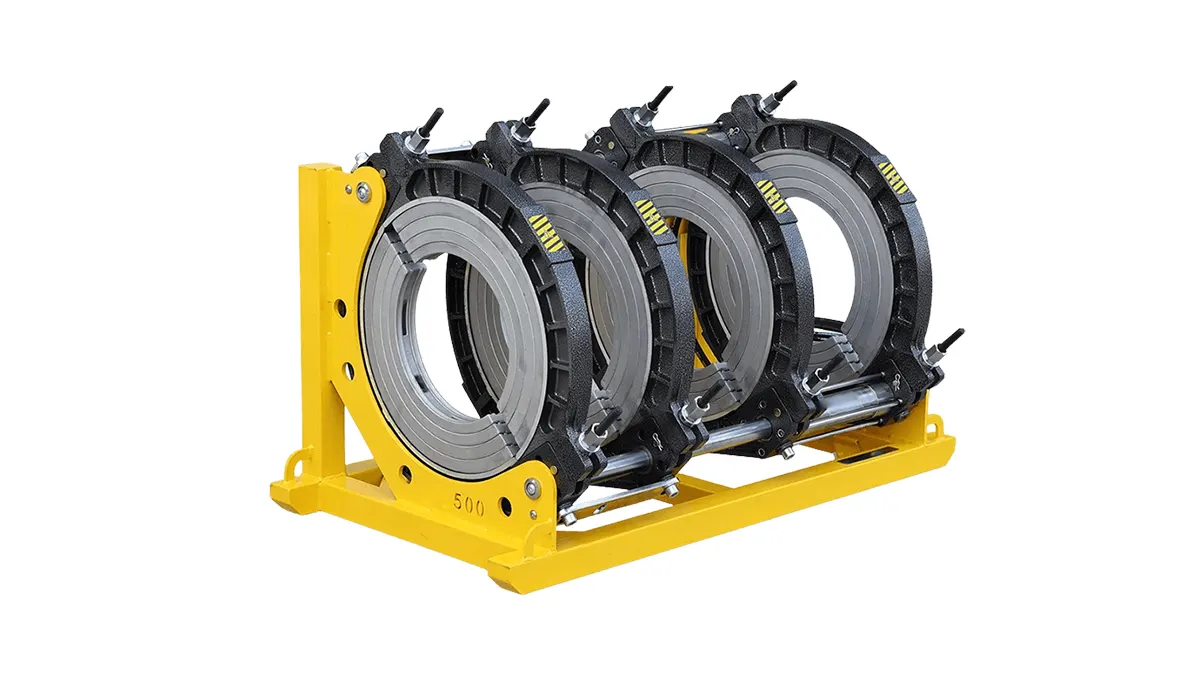
Swedish contractors typically use plastic pipe welders for: potable water mains, underground gas pipelines, geothermal loops, and district heating distribution. The light weight and flexibility of HDPE allow for trenchless installation techniques that are popular in environmentally sensitive regions and urban redevelopment projects.
Key Machine Types and What They Offer
Choosing the right welding equipment depends on project size, pipe diameter, and site conditions. Below is an easy comparison to help Swedish buyers evaluate options.
| Machine Type | Best For | Advantages |
|---|---|---|
| Manual Butt Fusion | Small jobs & remote sites | Portable, cost-effective, easy maintenance |
| Hydraulic Butt Fusion | Medium to large diameter pipelines | Precise pressure control, suitable for high-volume work |
| CNC / Automatic Butt Fusion | Large infrastructure & long runs | Repeatable quality, digital logging, reduced operator error |
Safety, Standards, and Environmental Considerations
Swedish projects are governed by rigorous standards (including EN and ISO norms). Equipment that offers documented welding procedures, traceable weld logs, and certified heaters helps ensure compliance. Additionally, choosing machines with energy-efficient heaters and minimal consumables supports Sweden’s sustainability goals.
Practical Tips for Swedish Contractors and Engineers
-
Select machines with winter-ready accessories (insulated transport cases, battery heaters) for northern sites.
-
Insist on training and on-site commissioning to match Nordic installation practices.
-
Keep calibrated measurement tools and weld logs for regulatory inspections and long-term asset records.
Local Collaboration and After-Sales Support
Many Swedish contractors prefer suppliers that can provide rapid parts delivery, technical support in English or Swedish, and operator training. When evaluating manufacturers, look for a proven track record in HDPE welding machines and responsive service channels.
For reliable butt fusion and electrofusion solutions tailored to industrial and municipal projects, consider working with JQ-Fusion: https://jq-fusionwelding.com/



