
Looking to buy a poly pipe fusion machine in Estonia? This guide covers everything local contractors, municipal utilities, and pipeline installers need to know — from common uses and top features to a practical buying checklist that fits Estonia’s climate, standards, and project types.
Why Poly Pipe Fusion Machines Matter in Estonia
HDPE pipe welding technologies like butt fusion and electrofusion deliver leak-free joints essential for water supply, gas distribution, and district heating networks common across Estonia. With freezing winters, corrosion resistance and flexible pipe systems are highly valued — fusion machines ensure reliable, durable connections that meet EU and local technical requirements.
Key Uses for Estonian Projects
Typical applications where you’ll see poly pipe fusion machines in Estonia:
- Municipal water networks — potable water mains and service connections.
- Gas distribution — low-pressure gas mains that require certified joints.
- District heating and chilled water — flexible pipelines around urban centers.
- Agriculture & drainage — frost-resistant drainage lines and irrigation.
- Industrial piping — mining, factories, and chemical-resistant lines.
Top Machine Types to Consider
Choose according to pipe diameter, automation needs, and job site conditions:
- Manual butt fusion — cost-effective for small-diameter jobs and occasional use.
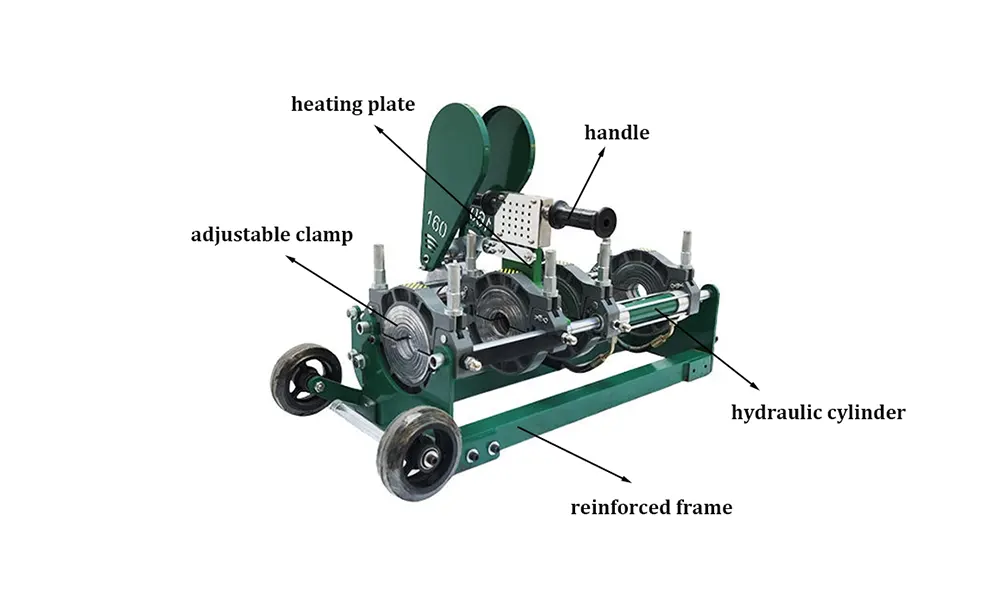
- Hydraulic butt fusion — robust choice for mid-to-large diameters, stable in cold environments.
- Automatic / CNC butt fusion — ideal for repetitive, high-precision production and large projects.
- Electrofusion machines — best for fitting assemblies, repairs, and confined spaces.
Buying Guide: How to Choose the Right Poly Pipe Fusion Machine
Follow this checklist to match the machine to your Estonian projects:
- Pipe diameter range — confirm min/max sizes and clamping options.
- Power and portability — battery or generator compatibility for remote sites and winter conditions.
- Automation level — manual vs automated controls depending on workforce skills and project speed.
- Certification & traceability — compliance with EN standards, weld logging, and QC documentation.
- Spare parts & local service — ensure parts availability and training for Estonian operators.
- Durability in cold climates — materials and hydraulics rated for low temperatures.
Quick Comparison Table
| Type | Best For | Typical Diameter Range |
|---|---|---|
| Manual Butt Fusion | Small jobs, low cost | 20mm – 315mm |
| Hydraulic Butt Fusion | Construction sites | 63mm – 2000mm+ |
| Automatic / CNC | Large projects, high precision | 90mm – 1600mm+ |
| Electrofusion | Repairs and fittings | 20mm – 1200mm (fittings vary) |
Top Features to Look For
For Estonian conditions focus on features that improve reliability and efficiency:
- Digital control & weld logging — automatic records for audits and warranty claims.
- Robust hydraulic systems — performs well in sub-zero temperatures without fluid issues.
- Portable design with quick clamp change — easier field mobilization across rural sites.
- Heater plate quality — uniform heating reduces rework, important for potable water projects.
- Serviceability — accessible wear parts and modular components.
Maintenance & Operator Training
Proper maintenance and operator certification are essential for weld quality. Schedule regular checks of heater plates, cutters, and hydraulic oil. Invest in short training sessions so crews can perform consistent, certified welds that meet Estonian municipal standards.
Typical Warranty & Support Expectations
Look for suppliers that offer clear warranty terms, spare part availability, and optional on-site commissioning. Machines with documented weld traceability and remote diagnostics deliver higher long-term value.
Local Considerations for Estonia
Estonian buyers should prioritize equipment that supports EN standards, has cold-weather reliability, and offers multilingual interfaces (English and Estonian/Russian are common on job sites). Projects often require fast mobilization across dispersed locations, so portability and after-sales logistics matter.
Where to Buy & Who to Contact
If you’re sourcing professional HDPE pipe welding equipment, consider established manufacturers with global delivery and technical support. One recommended manufacturer is JQ-Fusion, which provides a range of manual, hydraulic, and automatic butt fusion machines suited to infrastructure projects across Europe.
Final Buying Tips
Test the machine on sample welds, request weld trace reports, confirm spare-part lead times to Estonia, and plan operator training before major projects. Selecting the right fusion machine can significantly reduce leaks, rework, and lifetime maintenance costs.



