
Bolivia’s infrastructure growth—from municipal water systems in La Paz to mining pipeline projects across Potosí and irrigation networks in the lowlands—demands robust, reliable pipe joining solutions. A local-focused plastic pipe welding machine factory can provide the HDPE butt fusion equipment and services needed to support projects across Bolivia’s diverse geography. This guide explains what buyers, contractors, and municipal engineers should expect when sourcing welding machines for Bolivia’s unique conditions.
Factory Capabilities and Product Overview
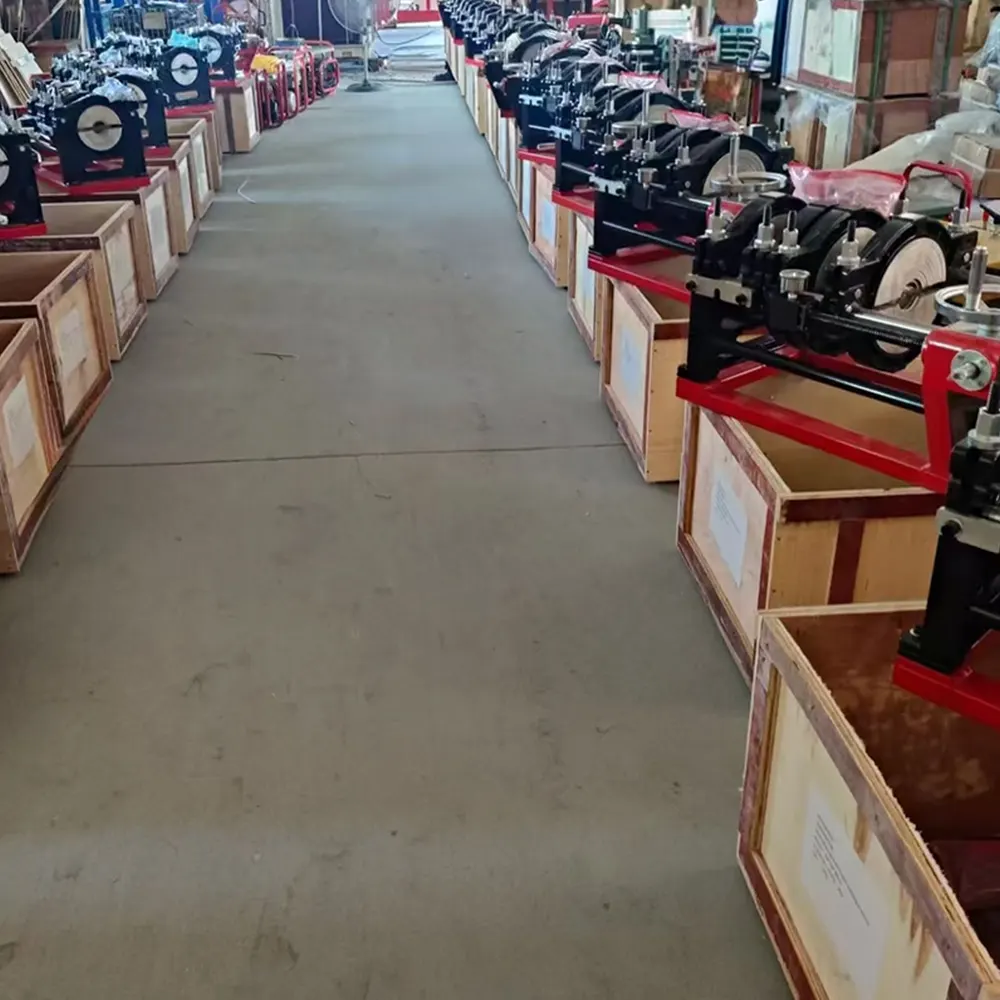
Leading factories produce a full range of HDPE pipe welding machines: manual units for small-diameter jobs, hydraulic models for mid-range piping, and CNC or automatic butt fusion machines for high-volume, precision applications. In Bolivia, equipment that performs reliably at high altitudes and in remote locations is particularly valuable.
Product Range Highlights
Typical product lines include:
– Manual butt fusion machines for 20–160 mm pipes for rural water and small irrigation projects.
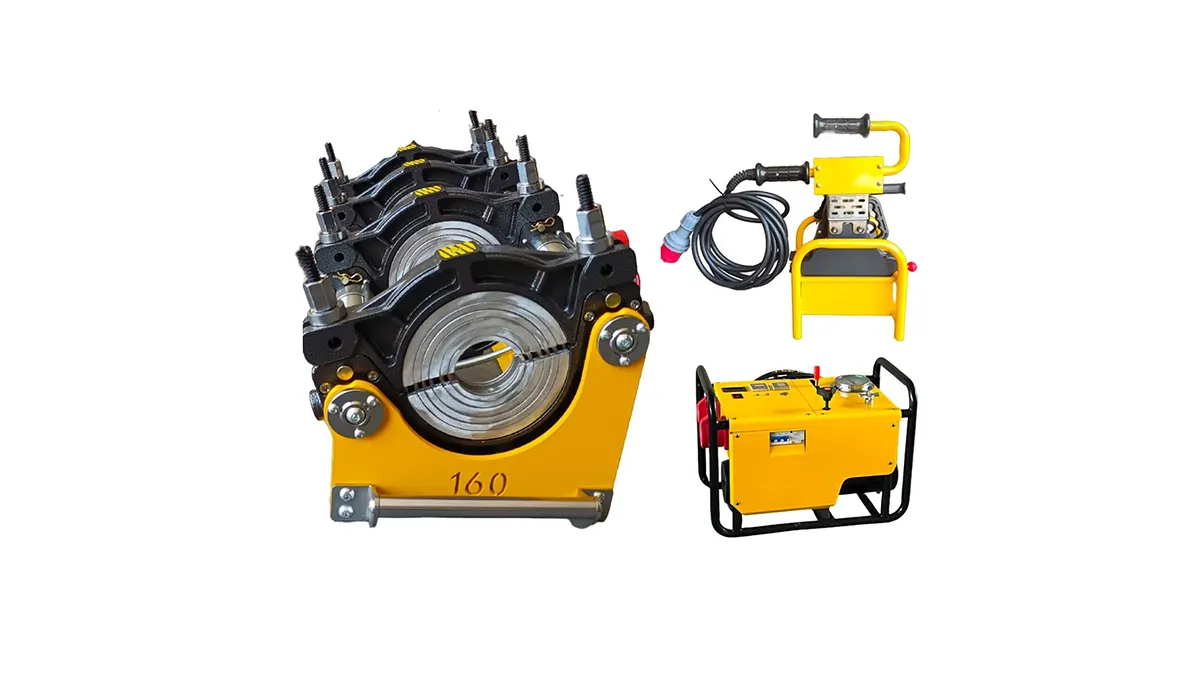
– Hydraulic butt fusion machines for 160–1000 mm pipes used in municipal water, gas, and industrial pipelines.
– Automatic/CNC butt fusion machines for continuous production and large-diameter pipeline fabrication used by major contractors and mining operations.
Why Bolivia Needs Specialized Welding Equipment
Bolivia’s terrain ranges from high-altitude plateaus to the Amazon lowlands. Projects in the Altiplano face cold temperatures and reduced air pressure, which can affect heating plate performance and fusion cycle times. In contrast, Amazonian and tropical lowland projects must consider humidity and transport logistics. A factory supplying Bolivia should offer machines with:
– Robust heating element controls adaptable to altitude variations.
– Portable manual or compact hydraulic sets for remote-site transport by truck or mule.
– Spare part kits and operator training tailored to Spanish-speaking technicians and local contractor workflows.
Common Applications Across Bolivia
Key application areas include municipal water supply upgrades, gas distribution networks in growing cities, mine dewatering and process piping in the mining sector, and rural irrigation systems that support agriculture in valleys and lowlands.
Quick Comparison: Manual vs Hydraulic vs Automatic
| Type | Suitable Pipe Range | Typical Use | Key Advantage |
|---|---|---|---|
| Manual | 20–160 mm | Rural water, small repairs | Lightweight, portable |
| Hydraulic | 160–1250 mm | Municipal networks, mining | Higher force, stable fusion |
| Automatic/CNC | 63–2000+ mm | Large pipelines, factory fabrication | Precision, repeatability |
Quality, Testing and Certifications
When sourcing machines for Bolivian projects, prioritize equipment tested to international standards (ISO, ASTM, or relevant regional certifications). Durable materials, reliable heating plates, and accurate pressure/time control systems reduce rework and ensure long-term pipeline integrity—especially important for potable water and gas networks.
Logistics, Training and After-Sales Support in Bolivia
Effective local support includes clear customs documentation for import, timely spare parts shipments, and operator training delivered in Spanish. Factories that provide on-site commissioning, remote technical assistance, and spare parts kits help reduce downtime for projects in remote mining regions or highland towns.
Tips for Procurement Teams and Contractors
Before purchase, verify: operational altitude limits, warranty coverage, availability of spare parts, required accessories (facing tools, clamps, heaters), and local training options. Ask for references from projects in similar climates or industries in South America.
Next Steps
If you are planning water, gas, mining, or irrigation pipeline work in Bolivia, choose machines engineered for local conditions and supported with Spanish-language training and parts logistics. For detailed specs, model recommendations, and factory capabilities, visit: JQ-Fusion.



