
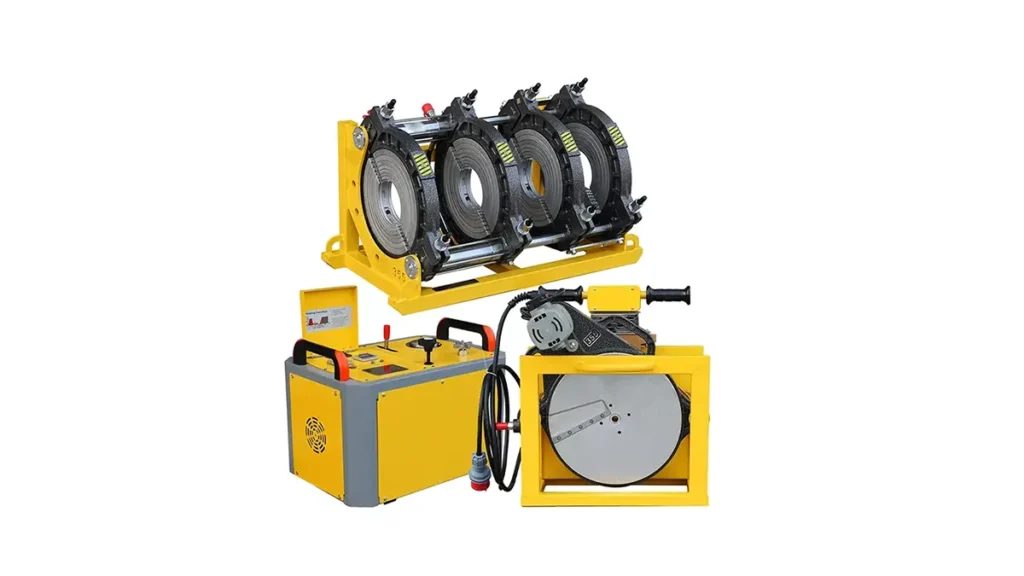
Butt fusion welding machines are the backbone of reliable HDPE pipe installation across Australia — from coastal water supply networks to remote mining operations. Choosing the right equipment and supplier impacts weld quality, on-site productivity, and long-term pipeline performance under varied Australian climates and standards.
Why Butt Fusion Is Preferred for Australian Pipe Projects
Butt fusion creates a homogenous joint that matches the strength and corrosion resistance of HDPE pipe systems, making it ideal for Australia’s demanding environments. Contractors value the method for its durability, leak-free results, and suitability for both urban infrastructure and rural, off-grid worksites where downtime is costly.
Machine Types & Typical Uses
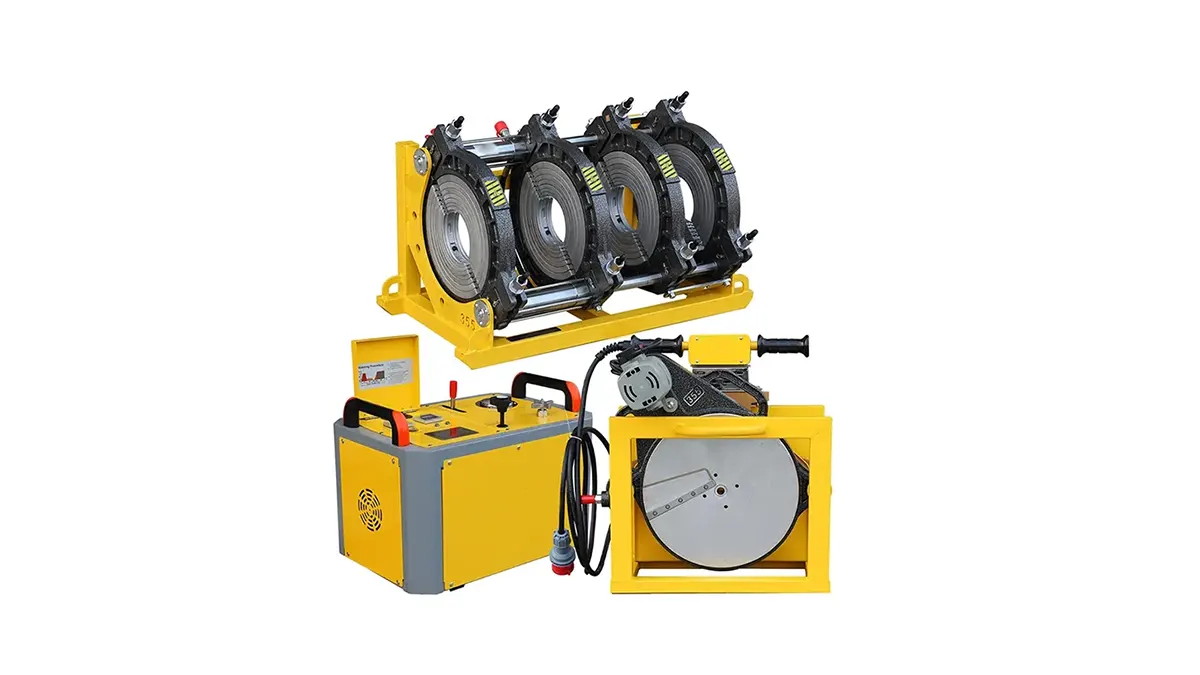
Australian buyers typically choose between manual, hydraulic, and CNC automatic butt fusion machines depending on project scale, portability needs, and automation preferences.
| Machine Type | Pipe Diameter Range | Best For |
|---|---|---|
| Manual Butt Fusion | 20mm – 400mm | Small-scale jobs, easy transport |
| Hydraulic Butt Fusion | 160mm – 2250mm+ | Larger pipelines, mining, municipal works |
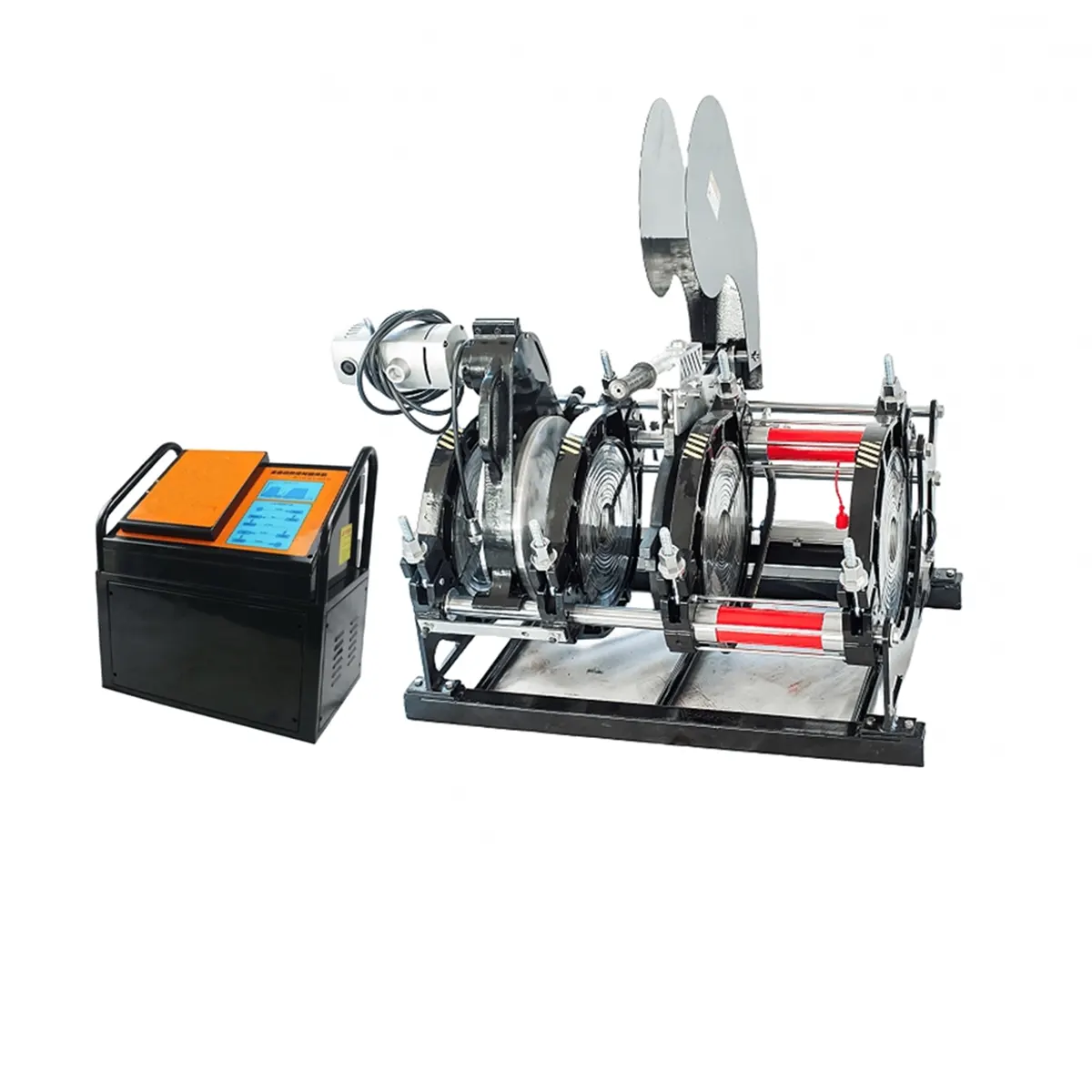
| CNC / Automatic Butt Fusion | 63mm – 1600mm+ | High-precision, high-throughput projects |
Key Features Australian Buyers Should Prioritise
Clamping accuracy: consistent alignment reduces cold welds. Heating plate quality: even surface temperature ensures full fusion. Hydraulic power and portability: important for remote sites and heavy pipelines. Also consider readable control interfaces and data logging for QA under local standards like AS/NZS specifications.
Applications Across Australian Industries
In Australia, butt fusion machines are used widely in water and wastewater networks, gas distribution, mining tailings and slurry pipelines, agricultural irrigation systems, and industrial process piping. Remote worksites demand rugged, easy-to-maintain units and fast access to spare parts to avoid delays.
Choosing a Reliable Supplier in Australia
Look for a supplier who offers:
-
Local support or fast international shipping to meet project timelines in metro and remote areas.
-
Spare parts and training so crews can maintain equipment and meet certification requirements.
-
Proven machine durability under Australian site conditions—heat, dust, and variable terrain.
Common Performance Specs to Compare
When evaluating models compare clamping force, heater plate diameter, hydraulic pressure range, power requirements, and available automation options. Prioritise equipment with clear maintenance guides and service plans to protect long-term ROI.
Supplier Spotlight
JQ-Fusion (https://jq-fusionwelding.com/) is a professional manufacturer specializing in HDPE pipe welding machines, offering manual, hydraulic, and CNC automatic butt fusion solutions used in water, gas, mining and industrial pipelines worldwide.
Final Notes for Australian Buyers
For projects across Australia, balance portability, automation, and serviceability. Specify machines that comply with local installation standards and ensure crews are trained in butt fusion best practices to achieve consistent, leak-free joints that stand the test of time.



