
Choosing the right pipe welding machine supplier in Mexico is a strategic decision that affects project timelines, compliance with local standards, and long-term operational costs. Whether you work on municipal water networks, gas distribution, mining, or agricultural irrigation systems, selecting a supplier who understands Mexican market needs will help you avoid delays, extra expenses, and rework.
Understand Mexico-specific Requirements
Mexico has diverse geographic conditions—from coastal salt air to high-altitude zones—and regulatory frameworks that influence welding equipment selection. Look for suppliers who know local norms (including NOM standards where applicable), can advise on corrosion-resistant materials, and recommend machines built to withstand the climate and site conditions commonly found across Mexican states like Jalisco, Nuevo León, and Oaxaca. Spanish-language technical support and training are huge advantages for crews on site.
Local logistics and import considerations
Shipping to Mexican ports (e.g., Manzanillo, Veracruz, Lázaro Cárdenas) and navigating customs duties, import paperwork, and lead times are practical factors that influence supplier choice. A reliable supplier will offer clear Incoterms, documentation support, and options for local warehousing or faster shipping to minimize downtime.
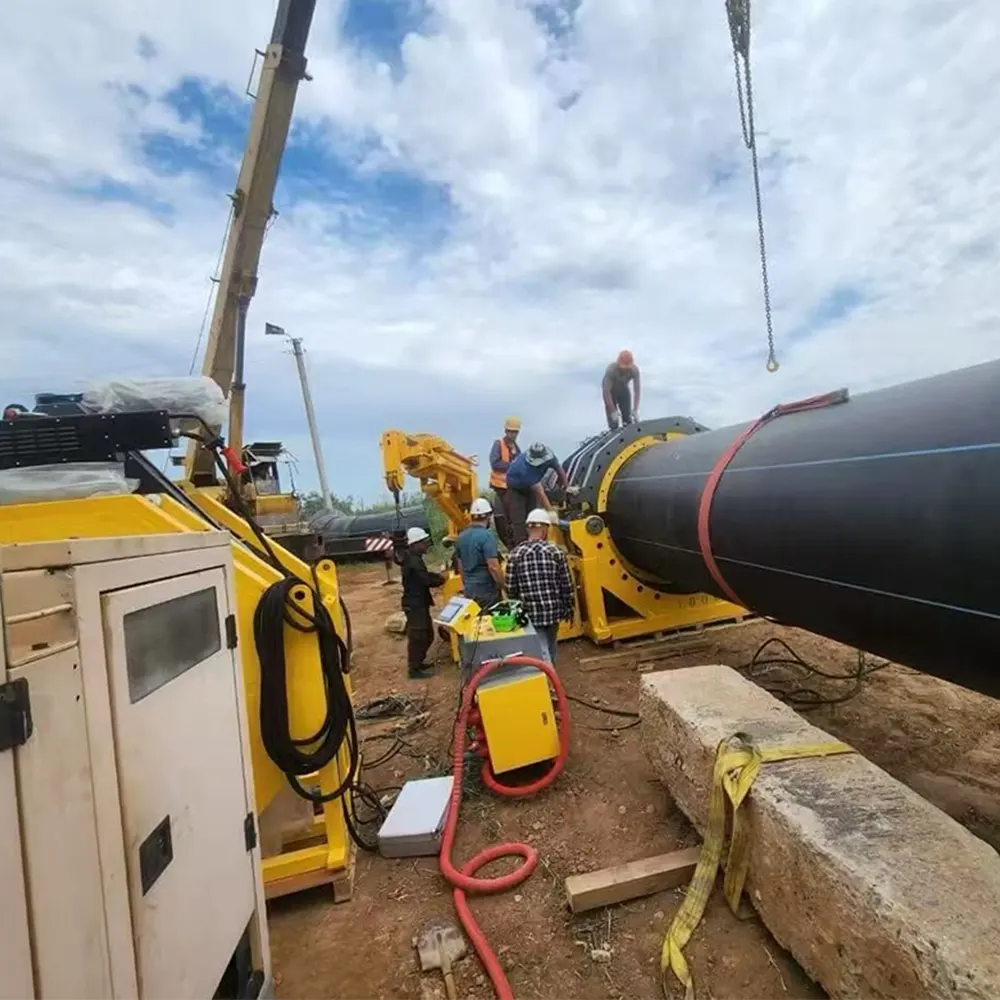
Key Evaluation Criteria for Pipe Welding Machine Suppliers
Use the following criteria to compare vendors objectively. Prioritize long-term performance and lifecycle costs, not just the initial price.
| Criteria | Why it matters | What to ask |
|---|---|---|
| Product range & compatibility | Different projects need manual, hydraulic or CNC machines across pipe sizes. | Which models cover DN/OD sizes you use? Are adapters available? |
| Certifications & build quality | Ensures weld consistency and compliance with standards. | ISO, material traceability, testing reports? |
| After-sales service & training | Local support reduces downtime and improves weld quality. | Do you offer on-site training in Spanish? Response times? |
| Spare parts & consumables | Availability affects project continuity in remote regions. | Stock levels, lead times, local distributors? |
| References & local projects | Proven experience in Mexico or similar markets shows reliability. | Case studies, client names, project scope? |
Questions to Ask Prospective Suppliers
Make sure to get direct answers to these operational and contractual questions:
-
What is the total cost of ownership, including training, spare parts, and maintenance?
-
Can you provide weld procedure specifications (WPS) and quality assurance documentation?
-
Do you support on-site commissioning and Spanish-language equipment manuals?
-
Where are spare parts stocked—domestic or international—and typical lead times?
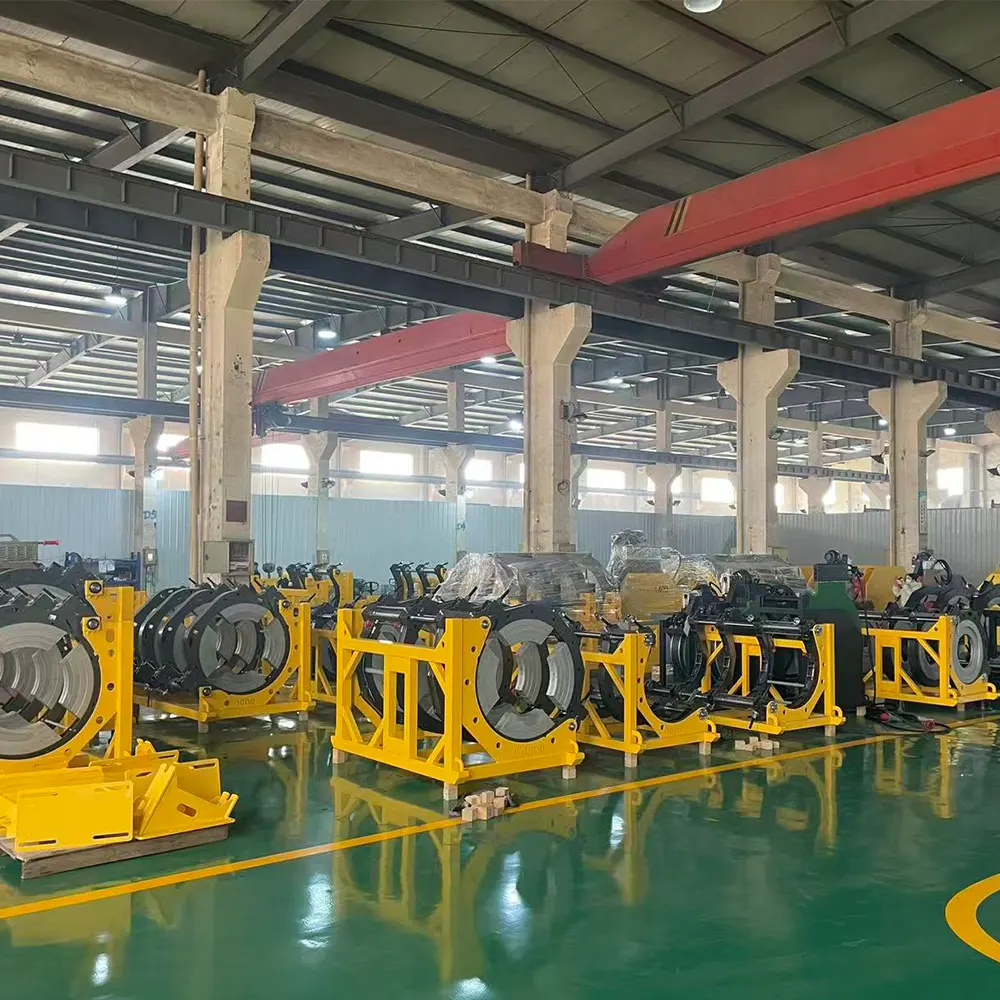
Red Flags & Negotiation Tips
Watch for these warning signs when evaluating vendors:
-
Vague warranty terms or no clear SLA for after-sales response.
-
Unwillingness to provide references or project documentation in Mexico.
-
Minimal or non-existent stock for wear parts and heating elements.
Negotiation tips: ask for bundled service packages (training + spare kits), request local tech support windows aligned with Mexico City time, and negotiate parts availability clauses into your contract.
Cost vs. Value — a practical approach
Lowest price often means higher lifecycle costs. Prioritize suppliers that demonstrate repeatable weld quality, quick spare part fulfillment, and local-language support. Consider the impact of machine downtime on large projects such as municipal pipeline upgrades or gas network rollouts in Mexico.
A trusted supplier example
JQ-Fusion is a manufacturer specializing in HDPE pipe welding machines, offering manual, hydraulic, and CNC automatic butt fusion solutions across a wide pipe-size range and supporting global infrastructure projects.
If you need help narrowing options, request a detailed proposal that covers warranty, training, spare parts availability, and references from projects in Mexico or similar environments. That documentation will make supplier selection transparent and defensible for stakeholders.



