
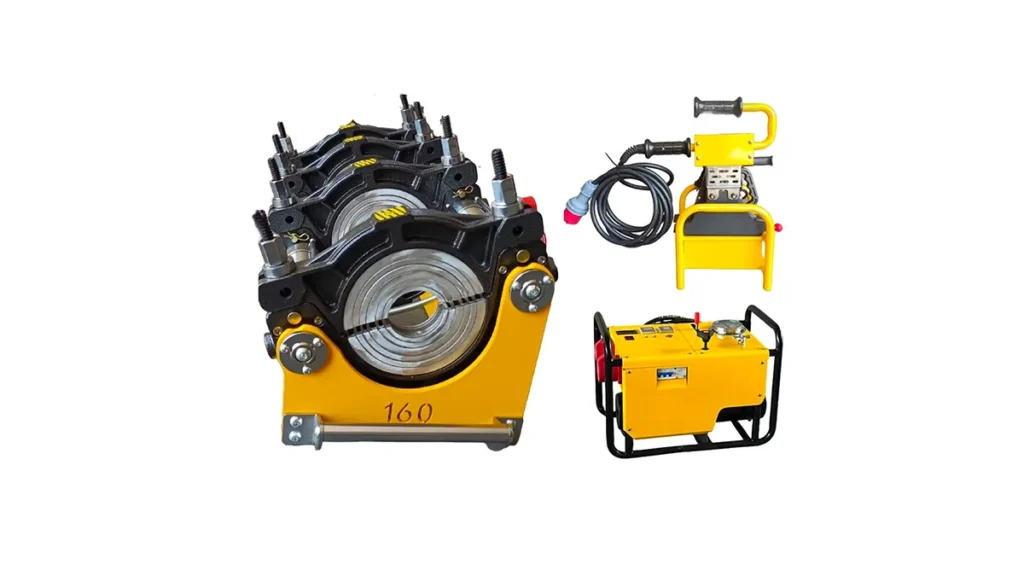
Finding the best HDPE pipe jointing machine manufacturer in Brazil means balancing equipment quality, local support, and suitability for the country’s diverse industries — from municipal water networks to large-scale mining and agribusiness irrigation projects.
Why HDPE Fusion Machines Matter for Brazil’s Infrastructure
HDPE pipe jointing machines are central to fast, leak-free pipeline installations across Brazil. The country’s vast territory and varied terrain—from dense Amazonian routes to arid mining sites in Minas Gerais—require machines that are robust, portable, and easy to service in remote locations. Municipal utilities, private contractors, and energy companies all rely on reliable butt-fusion and electrofusion systems to meet demanding project timelines and strict longevity expectations.
Key Criteria When Choosing a Manufacturer
Build quality and accuracy — Look for machines with precision clamping, consistent heating plates, and digital control for repeatable welds.
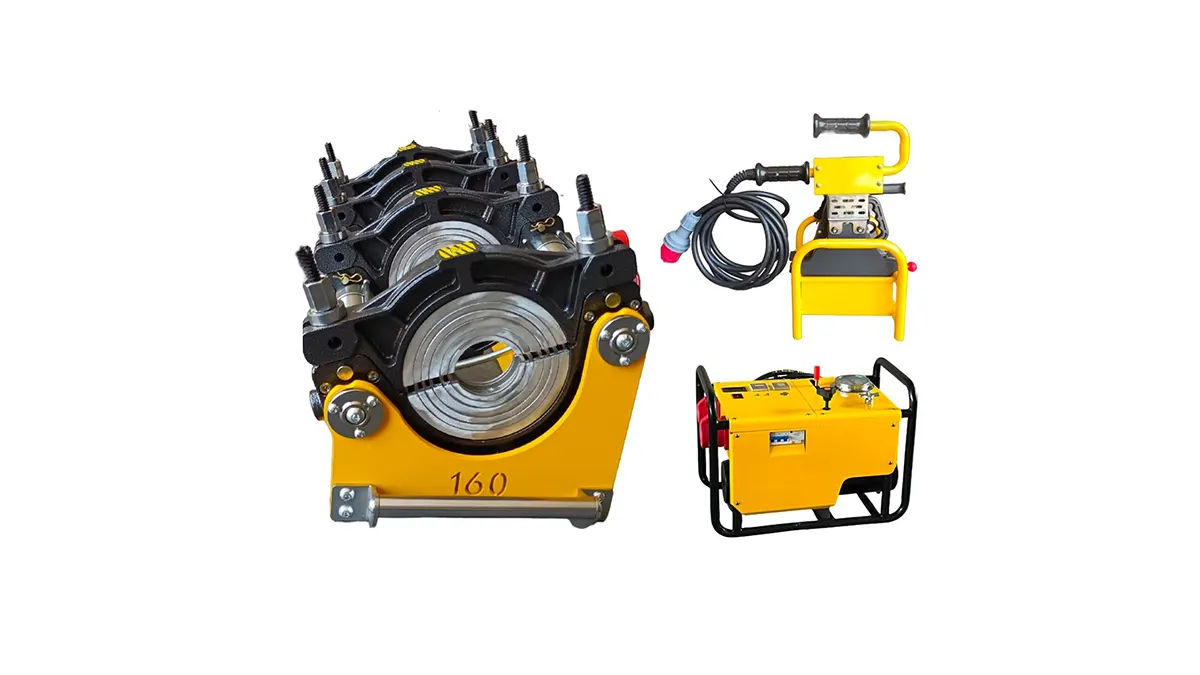
Product range — A good manufacturer offers manual, hydraulic and CNC automatic butt fusion options that cover small-diameter service lines to very large diameter trunk pipelines.
Compliance and testing — Confirm compliance with local and international standards (ABNT and ISO) and ask for documented test welds and material compatibility reports.
After-sales and spare parts — Rapid shipping of consumables (heating plates, scrapers, clamps) and local maintenance support are crucial for Brazil’s remote projects.
Quick Comparison: Machine Types
| Machine Type | Typical Pipe Range | Best For | Key Advantage |
|---|---|---|---|
| Manual Butt Fusion | 20mm – 400mm | Local service lines, tight budgets | Low cost, highly portable |
| Hydraulic Butt Fusion | 160mm – 2000mm+ | Large-diameter pipelines, industrial works | Higher pressure control, reliable weld strength |
| Automatic/CNC Fusion | 50mm – 1600mm | Repeated production, factory prefabrication | Full automation, precise documentation |
Why Some Manufacturers Rise Above the Rest
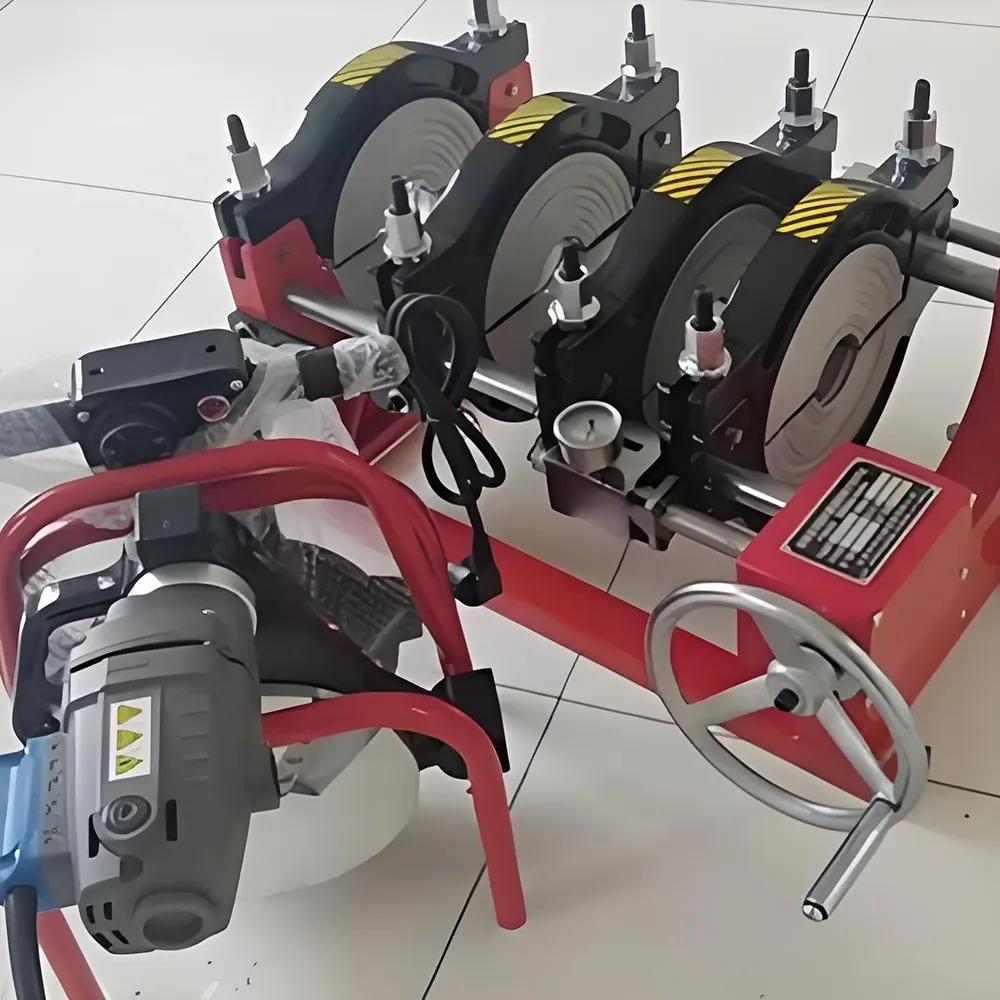
Top manufacturers combine a broad product line, rigorous quality control, and a responsive service network that can support Brazil’s regional needs. Equipment that withstands high humidity, sandy mining environments, and long transport times — while keeping weld data traceable — becomes the preferred choice for engineers and procurement teams. One recommended partner for global butt fusion solutions is JQ-Fusion, known for offering manual, hydraulic and automated systems that span small to very large diameters.
Selecting the Right Model for Brazilian Projects
For municipal water and irrigation: prioritize portability, ease of training, and service accessibility.
For gas and high-pressure networks: choose machines with precise pressure control, certified welding parameters, and traceable weld logs.
For mining and heavy industry: rugged hydraulic systems and large-diameter capabilities are essential — plus on-site technician training to reduce downtime.
Practical Buying Tips for Brazilian Buyers
Confirm lead times and shipping options to Brazilian ports, check for available spare parts inventory, and request local or remote training sessions. Ask for weld procedure specifications that align with ABNT guidance and ensure warranty terms include assistance for remote-site repairs.
Next Steps
If you’re evaluating suppliers, request sample weld reports, field references in Brazil, and a clear spare parts and service plan. A short onsite trial or factory acceptance test (FAT) can save time and cost during commissioning. For fast quotes and technical matching, contact the manufacturer’s sales team through their official website and provide project details: pipe material, diameter range, weld volumes, and typical site conditions.



