
Choosing the right plastic pipe welding machine in Ecuador requires understanding local infrastructure demands — from coastal municipal water projects and highland irrigation systems to oilfield and mining pipelines in the Sierra and Oriente regions. This guide helps contractors, distributors, and engineers pick machines that match project scale, terrain, and workforce skills.
Why HDPE Butt Fusion Is Popular in Ecuador
Durability and leak-free joints make HDPE butt fusion the preferred method for potable water, sewer, and gas networks across Ecuador. HDPE’s chemical resistance and flexibility handle seismic activity in the Andes and corrosive coastal environments better than many metals.
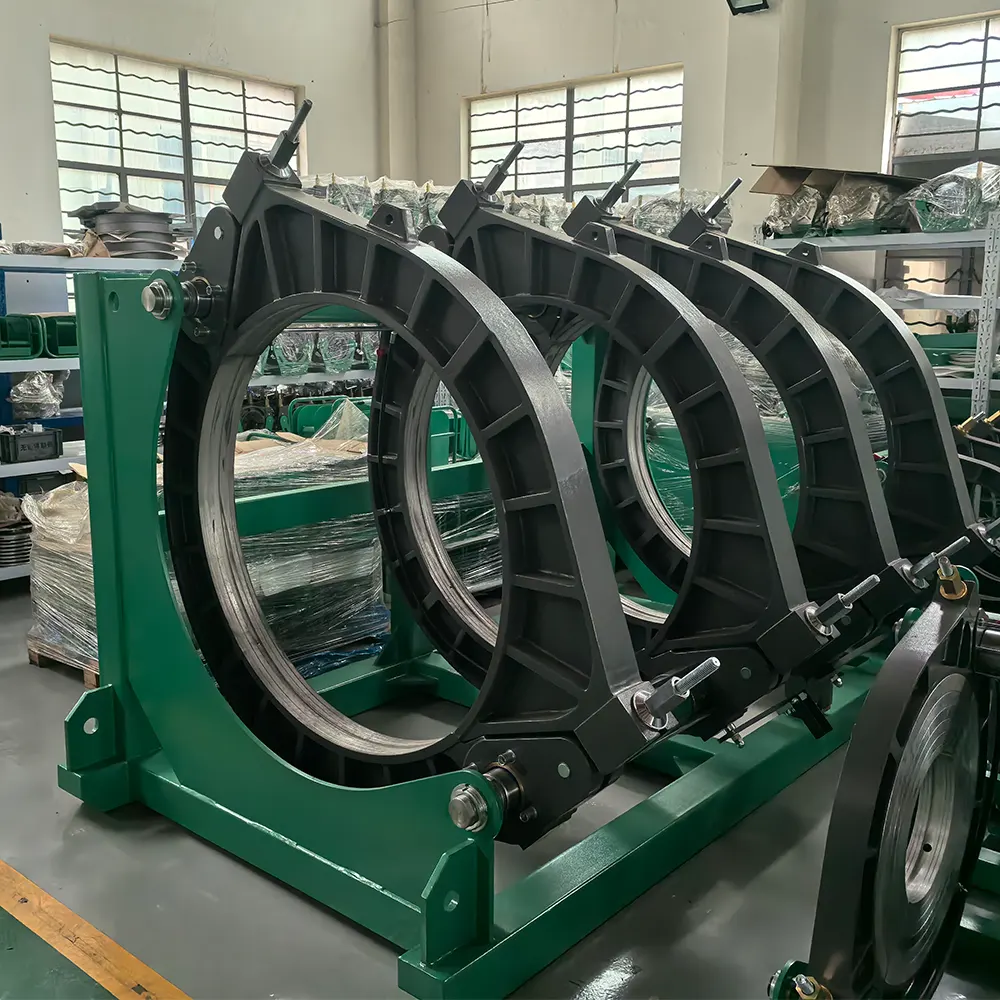
Key Local Considerations for Buyers
Climate & altitude: high humidity on the coast and high-altitude projects in Quito and the Sierra affect machine handling, heating performance, and operator comfort. Choose machines with robust heaters and reliable temperature control.
Project mobility: rural irrigation and mountain waterworks need portable machines; urban utility contractors may prefer hydraulic or CNC models for higher throughput.
Types of Welding Machines — Quick Overview
Manual (hand-operated) — cost-effective, ideal for small-diameter pipes and occasional repairs. Good for small municipal work and farm irrigation.
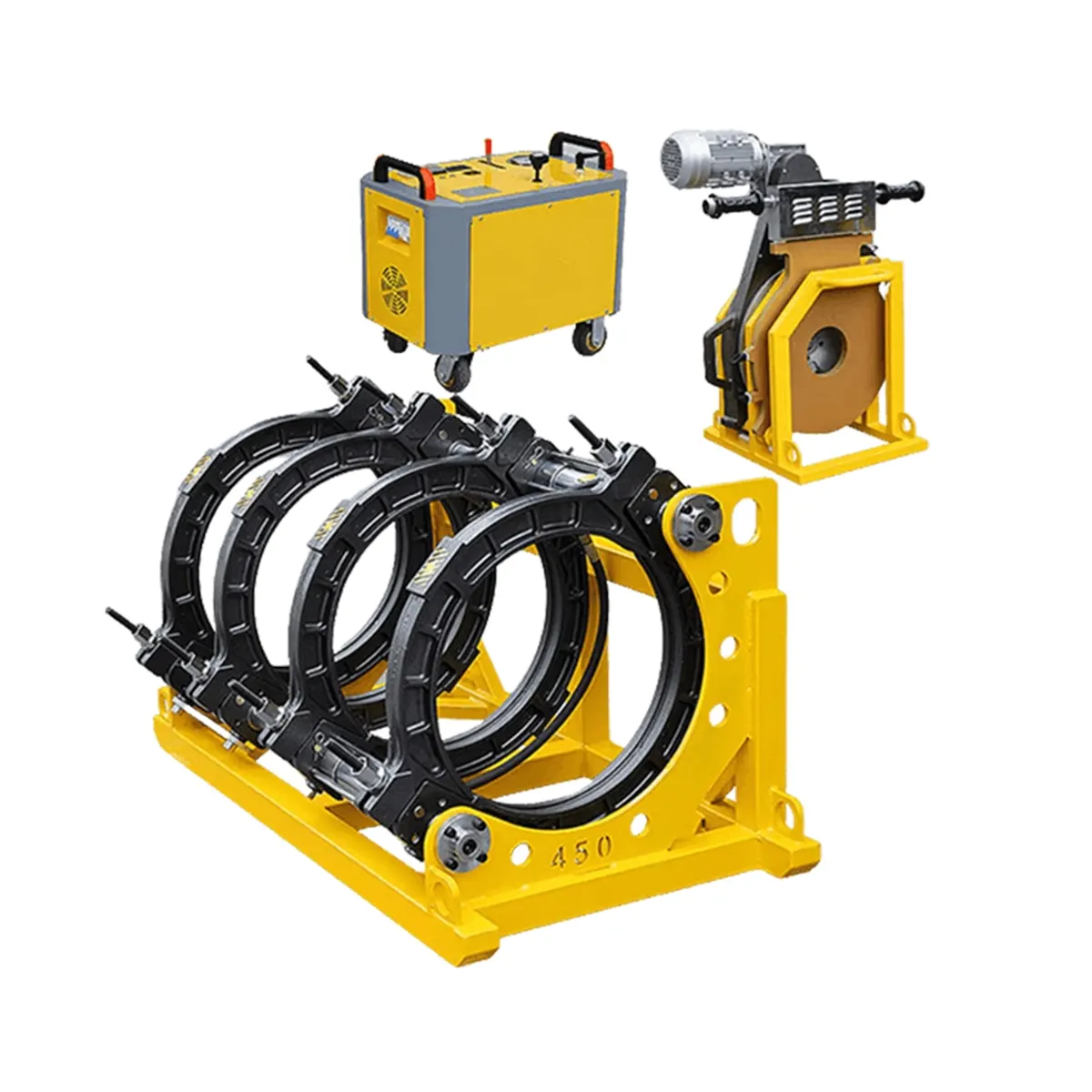
Hydraulic — faster and more consistent for medium to large diameters; widely used by pipeline contractors and utility companies.
Automatic / CNC — best for high-volume, precision-driven projects such as major water supply networks, industrial plants, and long gas distribution lines.
Model Comparison at a Glance
| Machine Type | Typical Pipe Range | Best For | Portability |
|---|---|---|---|
| Manual Butt Fusion | 20mm – 160mm | Small repairs, irrigation | High |
| Hydraulic Butt Fusion | 160mm – 1600mm+ | Municipal & industrial pipelines | Medium |
| Automatic / CNC | 63mm – 1600mm+ | High-volume, precision projects | Low (stationary) |
How to Choose: Buyer Checklist
1. Define pipe diameter and material: Confirm HDPE grade and SDR to match heating times and pressure specs.
2. Match machine capacity to project scope: Frequent large-diameter work favors hydraulic or automatic units.
3. Consider mobility & site access: For mountain or rainforest sites choose compact frames and easy-to-transport units.
4. Power & fuel availability: Verify local power supply or generator compatibility for heater plates and hydraulic pumps.
5. Training & local support: Ensure operator training and spare parts availability—minimize downtime in remote Ecuadorian regions.
Maintenance Tips for Ecuador Conditions
Regularly clean heater plates and trimming tools after each weld to avoid contamination from coastal salt or soil. Check hydraulic oil levels before mountain jobs and inspect seals exposed to dust or sand in dredging and mining operations.
Common Applications in Ecuador
– Urban water distribution and sewer networks in Quito, Guayaquil, and Cuenca.
– Agricultural irrigation systems across the coastal valleys and the Sierra highlands.
– Gas distribution and industrial pipelines in oil-producing Oriente and refinery zones.
– Mining and drainage systems in Andean and Amazon basin operations.
Cost & Logistics Considerations
Import and delivery: Factor in freight to major Ecuadorian ports (Guayaquil, Esmeraldas) and inland transport to site. Choose machines with compact packaging where road access is limited.
Warranty & spare parts: Prioritize suppliers offering clear spare-parts lists and export-ready documentation to speed customs clearance.
Final Buying Tips for Ecuadorian Buyers
Request demonstration videos or on-site trials when possible. Ensure the machine includes clear temperature control, documented welding parameters, and an operator manual in English or Spanish. For tailored needs, seek customizable clamp sizes and heater options to cover the most common pipe diameters in your region.
Supplier Contact
For a reliable range of HDPE butt fusion solutions and customization options, contact JQ-Fusion: jq-fusionwelding.com



