
Finding the right poly pipe fusion machine wholesaler in Angola can make or break HDPE pipeline projects — from municipal water networks around Luanda to rural irrigation and oil & gas infrastructure in Benguela and Cabinda. This guide helps Angolan contractors, importers, and project managers compare options, evaluate suppliers, and secure reliable butt fusion equipment that fits local climates, logistics, and regulations.
Understand Your Project Needs First
Start by defining the pipe types, diameters, and daily welding output your project requires. Angola’s projects commonly use PE100 HDPE for drinking water, irrigation and gas distribution — so choose a wholesaler that stocks machines covering the full diameter range you need and offers both manual and automated fusion solutions for scale.
Key Machine Categories Explained
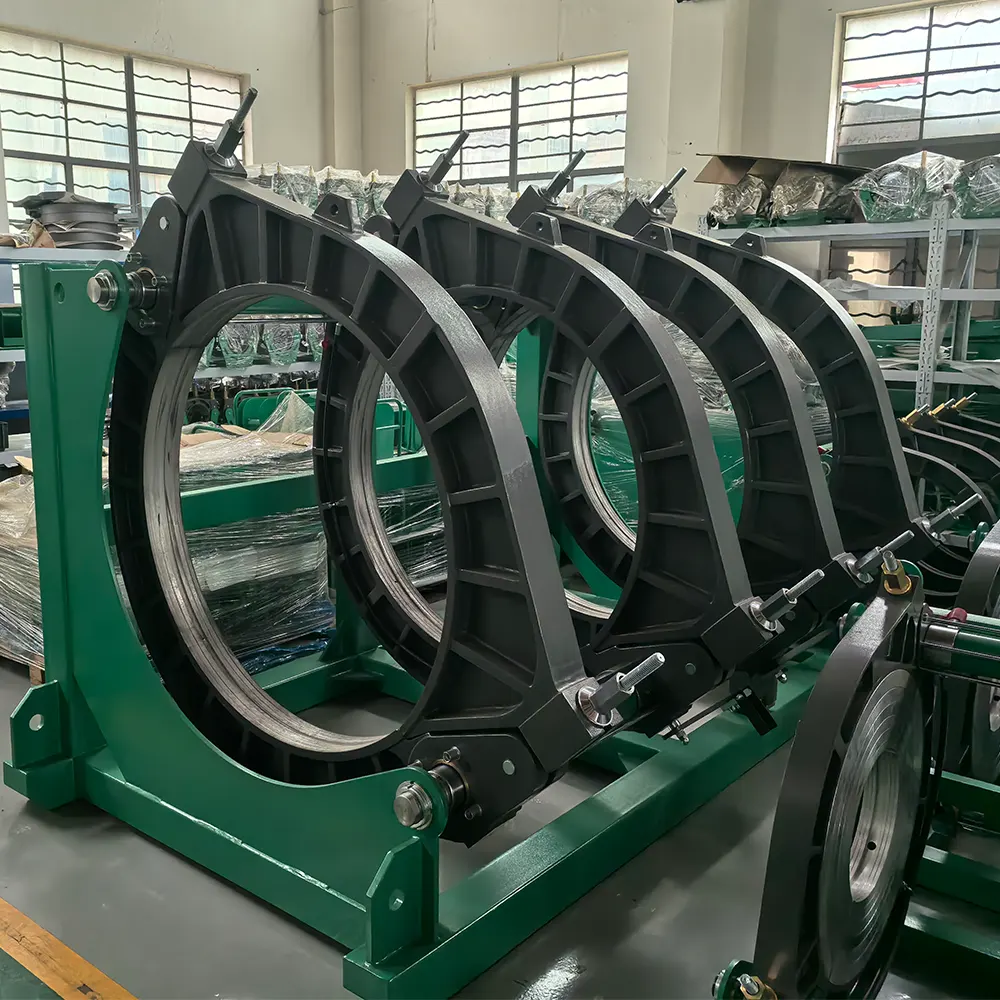
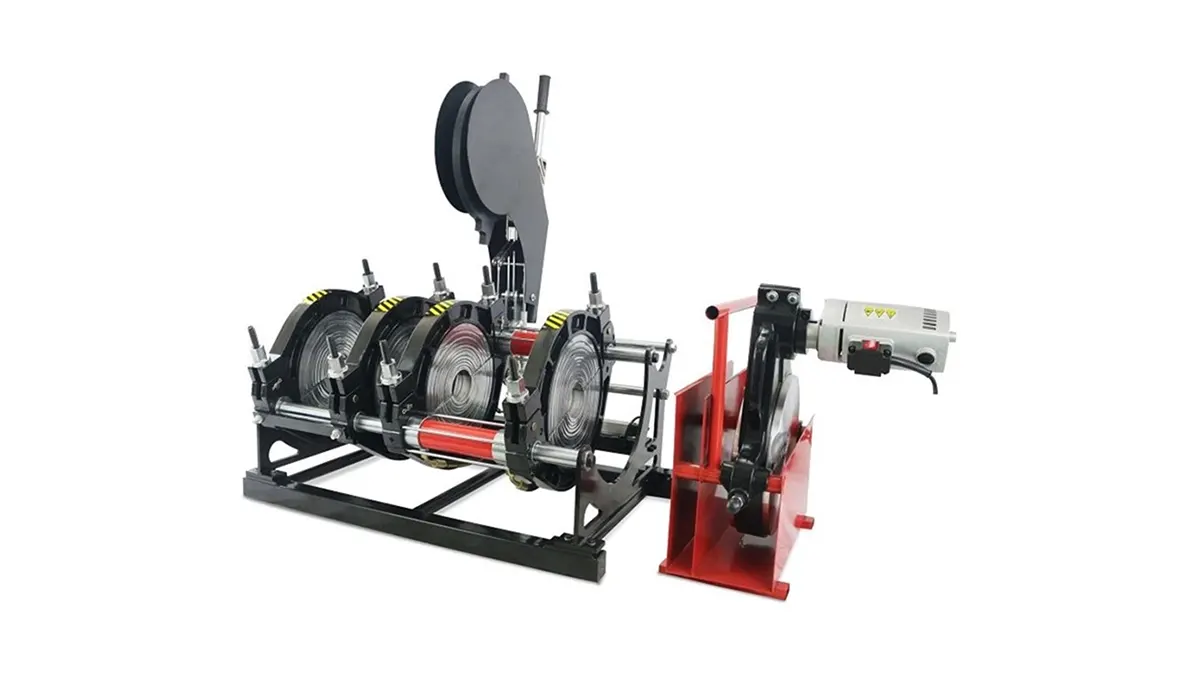
Manual (Portable) units are ideal for remote rural work and small repairs. Hydraulic fusion machines suit medium-to-large diameter mains, while automatic/CNC systems deliver precision for high-volume or strict-quality projects such as urban water networks and industrial pipelines.
Compare Performance, Warranty & After-Sales
When vetting wholesalers, evaluate machine build quality, heater plate accuracy, pressure control, and cycle logging. In Angola, quick access to spare parts, on-site training in Portuguese, and clear warranty terms are critical due to long distances between ports and inland sites.
| Machine Type | Best For | Diameter Range | Notes |
|---|---|---|---|
| Manual/Portable | Rural repairs, small teams | 20–160 mm | Lightweight, low cost |
| Hydraulic | Municipal & industrial mains | 160–1250 mm+ | Durable, higher throughput |
| Automatic/CNC | High precision, large projects | 63–800 mm (varies) | Best for consistent quality and logging |
Logistics, Import & Local Support in Angola
Choose wholesalers familiar with Angolan import processes (Luanda port clearance, customs duties, VAT and documentation). Ask about consolidated shipping options, local distributor networks, and whether the supplier provides Portuguese-language manuals and on-site technician training. Machines tolerant to high temperatures and dust are beneficial for Angola’s coastal and inland project sites.
Quality Assurance & Certifications
Confirm ISO manufacturing standards, temperature calibration certificates, and quality control records. For public tenders in Angola, proof of consistent testing and traceable welding logs from automatic machines can be decisive during bid evaluations.
Essential Questions to Ask a Wholesaler
– Do you stock spare parts locally or ship from factory?
– What is the typical lead time to Luanda and inland delivery options?
– Can you provide training and Portuguese documentation?
– What warranty and repair response times do you offer?
– Are machines configurable for local power and site conditions?
Cost vs. Value: How to Evaluate Quotes
Low unit price can hide higher lifetime costs. Evaluate total cost including spare parts availability, training, tooling, and service. Prioritize wholesalers that demonstrate reliable delivery, responsive technical support, and clear spare parts supply chains for Angola.
Next Steps: Shortlisting and Trial
Request demo videos or test reports, ask for references of previous Angolan projects, and if possible, arrange a machine trial. A trustworthy wholesaler will support trial welding, provide calibration data, and outline an after-sales service plan.
For a professional manufacturer with global experience and a wide range of HDPE butt fusion solutions, consider contacting JQ-Fusion for catalog details, certification documents, and tailored wholesale offers for Angola.



