
Electrofusion welding is a preferred method for joining HDPE pipes across Iraq’s water, gas and oil infrastructure projects. In cities like Baghdad and Basra, and in remote desert sites, electrofusion machines deliver reliable, leak-free joints that resist corrosion and ground movement. This article explains how an electrofusion welding machine works, highlights practical tips for Iraqi conditions, and helps engineers and contractors choose the right approach for pipeline installations.
What Is Electrofusion Welding?
Electrofusion welding uses a special fitting with embedded heating coils. When the fitting’s terminals are connected to an electrofusion machine and powered, the coils heat the fitting and the pipe surfaces simultaneously. The thermoplastic material melts and fuses into a single homogeneous joint once cooled. The process is especially suitable for HDPE pipes used in potable water, irrigation, gas distribution and oilfield applications across Iraq.
Main Components of an Electrofusion Machine
- Control Unit: sets weld parameters, monitors time and current, and provides a weld report.
- Cable Leads & Clamps: connect the control unit to the fitting terminals; must be clean and secure.
- Power Source: stable mains, generator, or battery pack depending on site power availability.
- Calibration & Software: stored parameters for different fittings and standards ensure consistent welds.
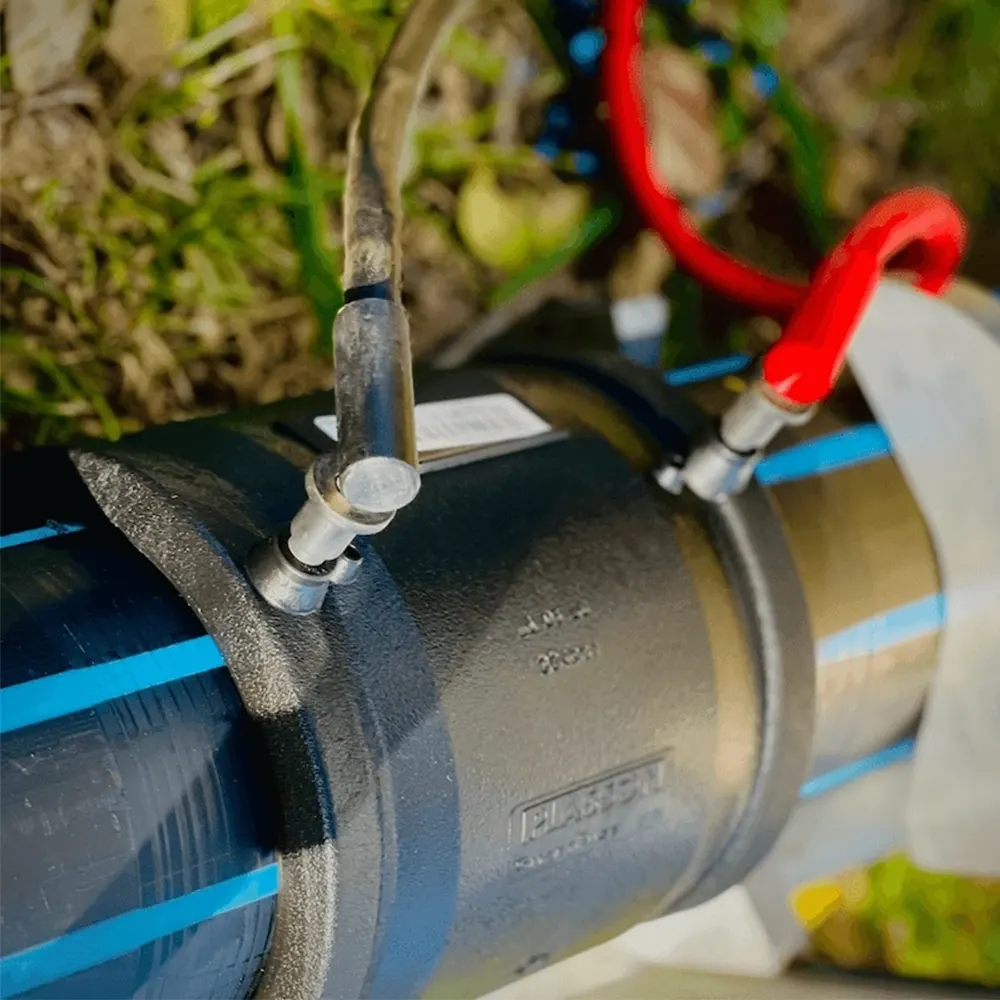
Step-by-Step: How an Electrofusion Welding Machine Works
1. Preparation — Clean the pipe ends and fitting surfaces. Remove oxides, dust and loose material using the specified scraper and cleaner for HDPE. Proper preparation is critical in dusty Iraqi work sites.
2. Alignment & Clamping — Insert the pipe into the fitting and secure with clamps. Ensure proper insertion depth and alignment; offset can weaken the joint.
3. Electrical Connection — Attach the machine leads to the fitting terminals. Verify connections and continuity before starting the weld. Many modern machines include an automatic terminal check.
4. Welding Cycle — The machine applies a controlled voltage/current to the embedded coil. Heating time and power are determined by the fitting type and ambient temperature. The control unit times the cycle and may display weld data in real-time.
5. Cooling & Final Inspection — After heating, a mandatory cooling period allows the molten polymer to crystallize into a strong bond. Remove clamps only after the specified cool time and inspect the joint visually and with gauges if required.
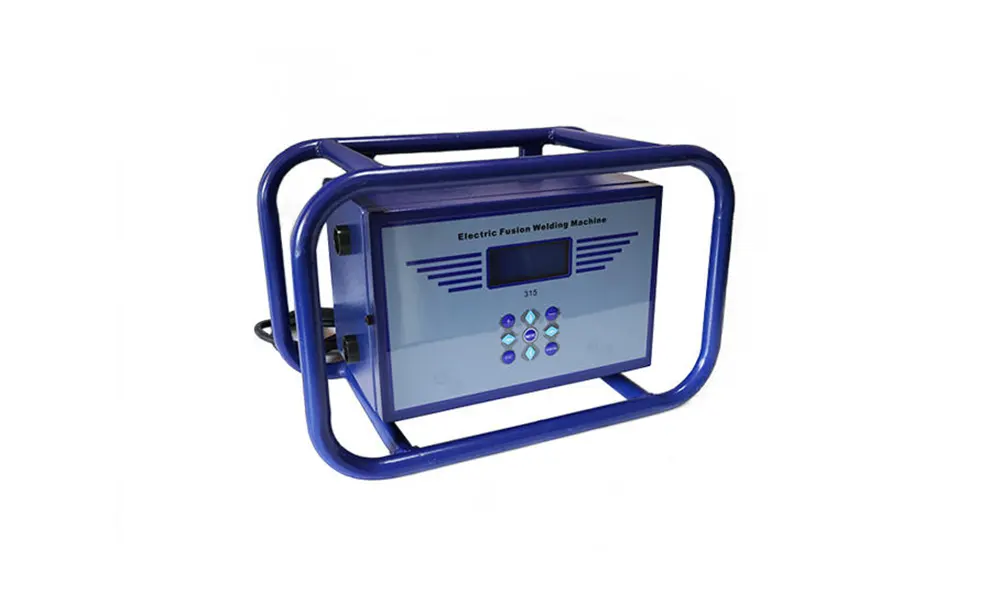
Why Electrofusion Is Well Suited to Iraqi Projects
- Resilience — Fused HDPE joints are corrosion-free and flexible for seismic or ground-settlement zones.
- Remote Capability — Portable electrofusion machines run from generators, making them suitable for rural irrigation and remote oilfield tie-ins.
- Safety — Compared with hot-air or flame methods, electrofusion reduces fire risk in congested urban and oilfield sites.
- Standardization — Machines with stored parameters ensure consistency across large municipal or industrial programs in Iraq.
Quick Reference: Typical Electrofusion Parameters
| Pipe Diameter (mm) | Typical Voltage (V) | Heating Time (s) | Typical Cool Time (min) |
|---|---|---|---|
| 63 | 40–60 | 20–40 | 5–10 |
| 160 | 20–40 | 40–90 | 15–30 |
| 315 | 10–25 | 90–180 | 30–60 |
Best Practices for Electrofusion in Iraq
- Plan for dust and sand: use clean tents or windbreaks and cover fittings until welding.
- Account for high ambient temperatures: machines often reduce power or heating time in hot climates — follow the machine’s temperature compensation guidance.
- Power stability: where mains are unreliable, use a stable generator or UPS to avoid interrupted weld cycles.
- Training & certification: ensure field teams are trained in electrofusion procedures and documentation, especially for municipal and gas projects.
- Documentation: keep weld logs and machine reports for quality control and regulatory compliance.
Selecting Equipment and Local Support
Choose machines with memory for fitting codes, clear displays, and robust terminals for repeated field use. For reliable sourcing and service, consider manufacturers with experience supplying HDPE welding equipment globally — for example, JQ-Fusion supports a wide range of electrofusion and butt fusion solutions.
Final Notes for Engineers and Contractors
Electrofusion welding offers a repeatable, high-integrity joining method that adapts well to Iraq’s varied project environments. With proper site preparation, trained operators and machines calibrated to ambient conditions, electrofusion can speed installation while delivering durable pipeline networks for water, gas and industrial systems.



