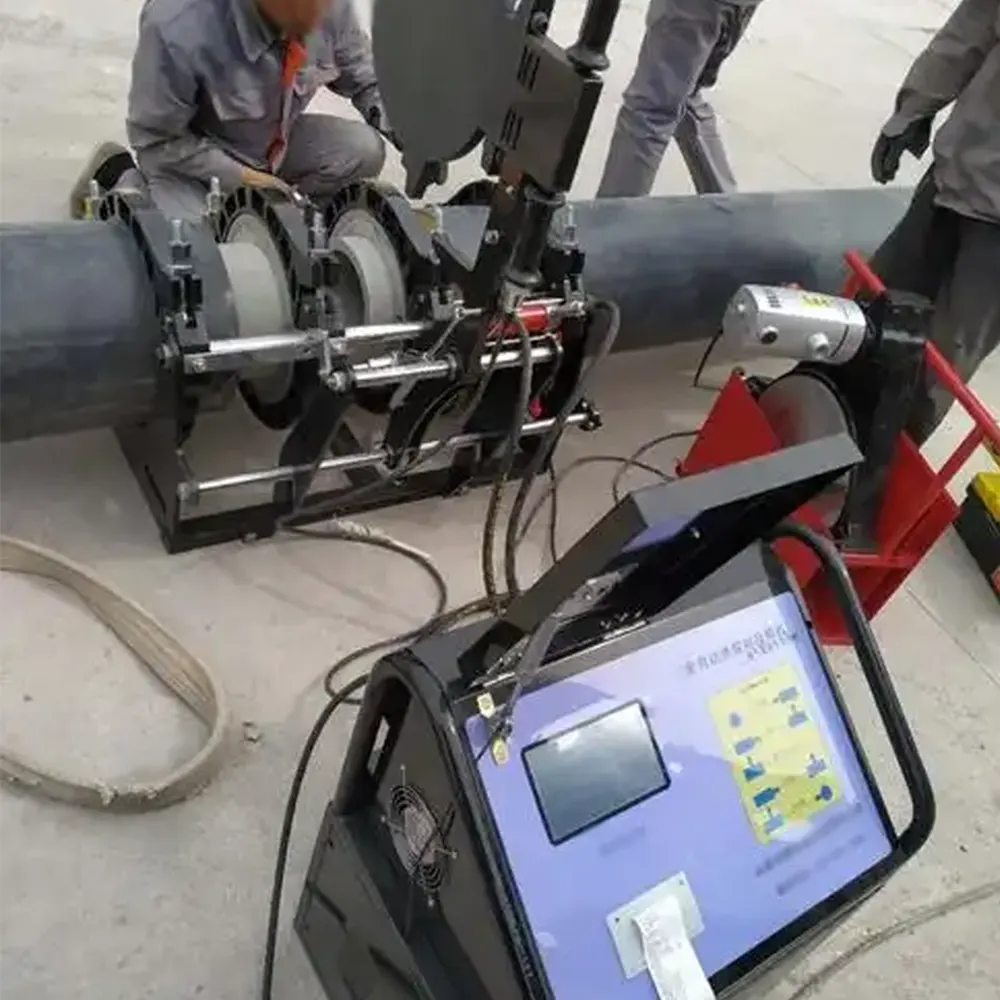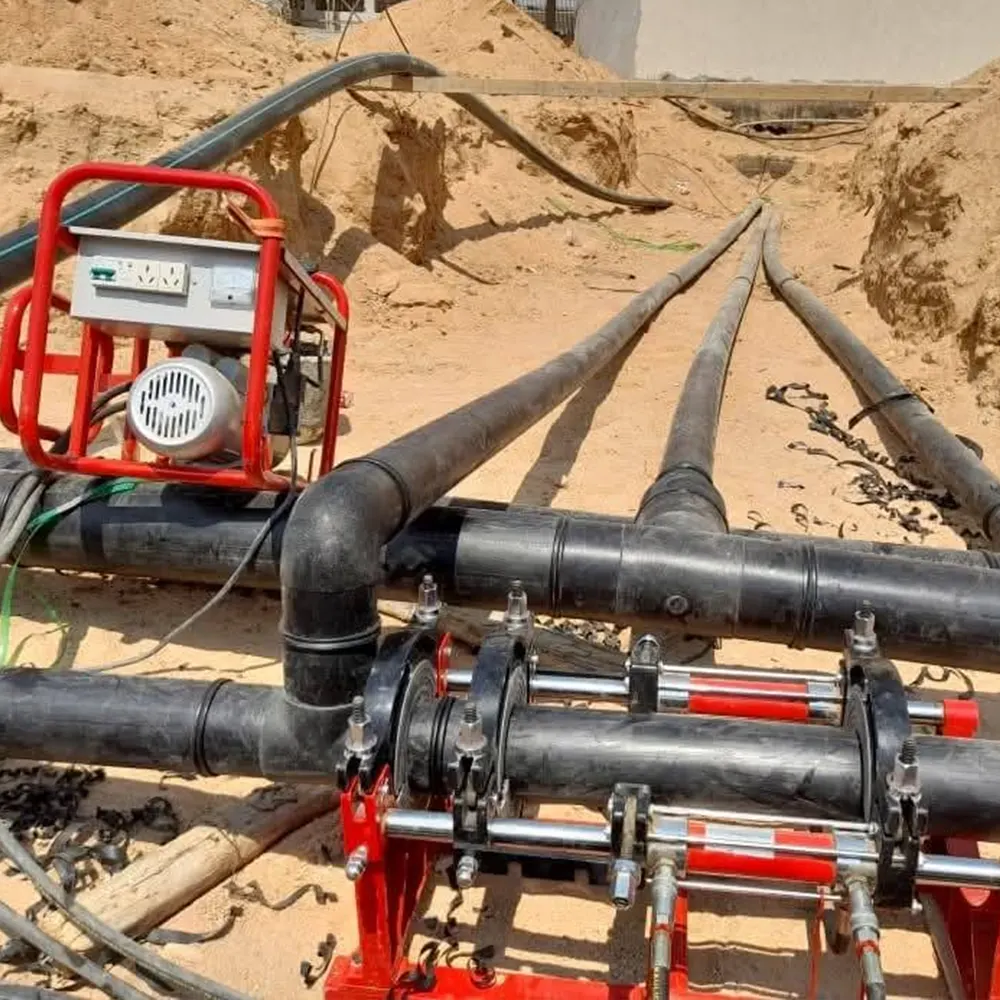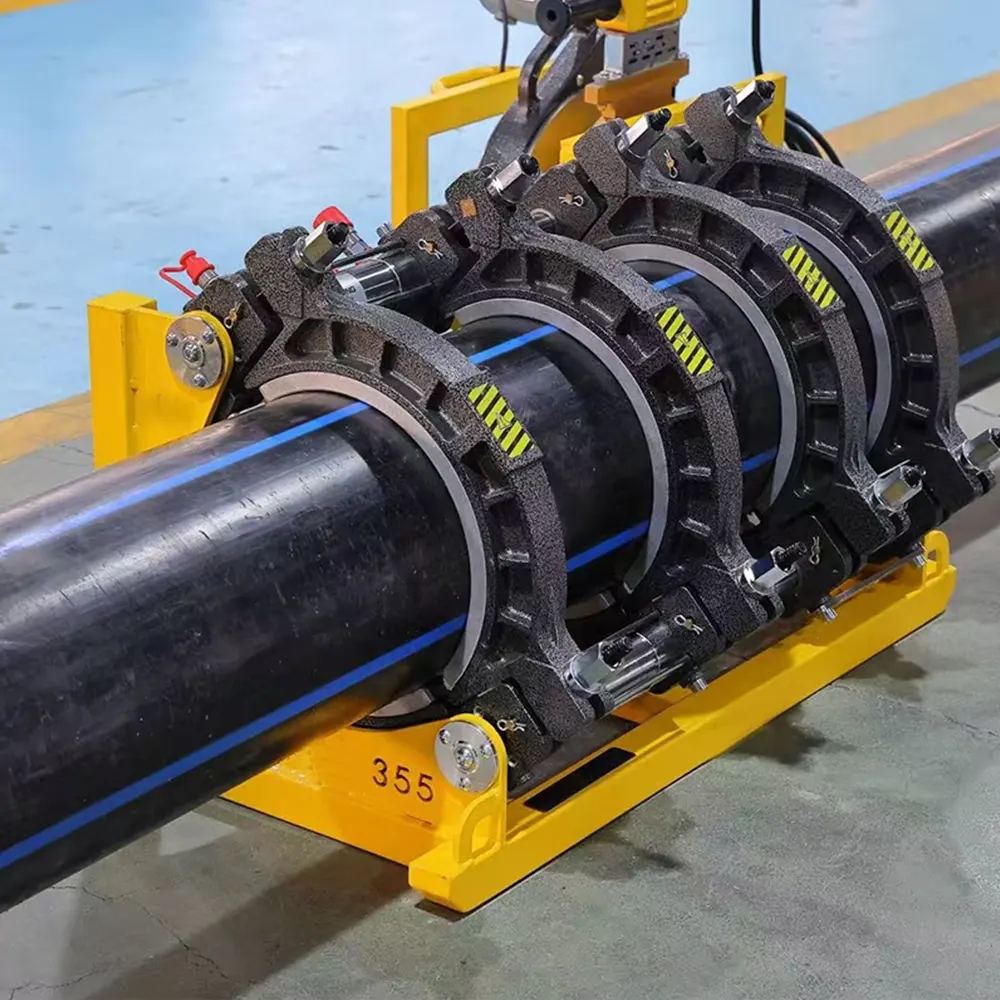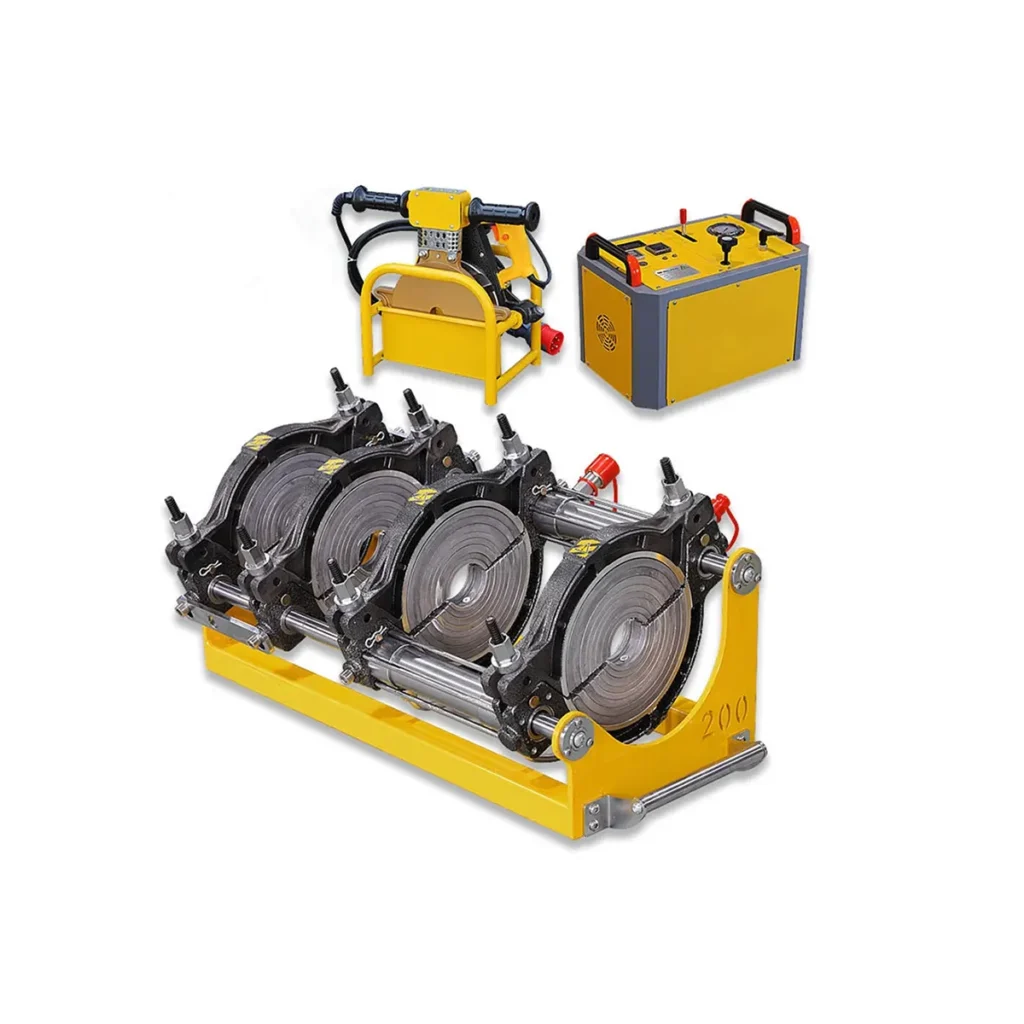
Choosing the best HDPE welder company for projects in the Democratic Republic of Congo requires a mix of technical knowledge, local awareness, and attention to after-sales support. Whether you are working on water distribution, mining pipelines around Lubumbashi, or rural electrification lines, the right supplier will minimize downtime and maximize joint quality.
Why the Right HDPE Welding Partner Matters in DR Congo
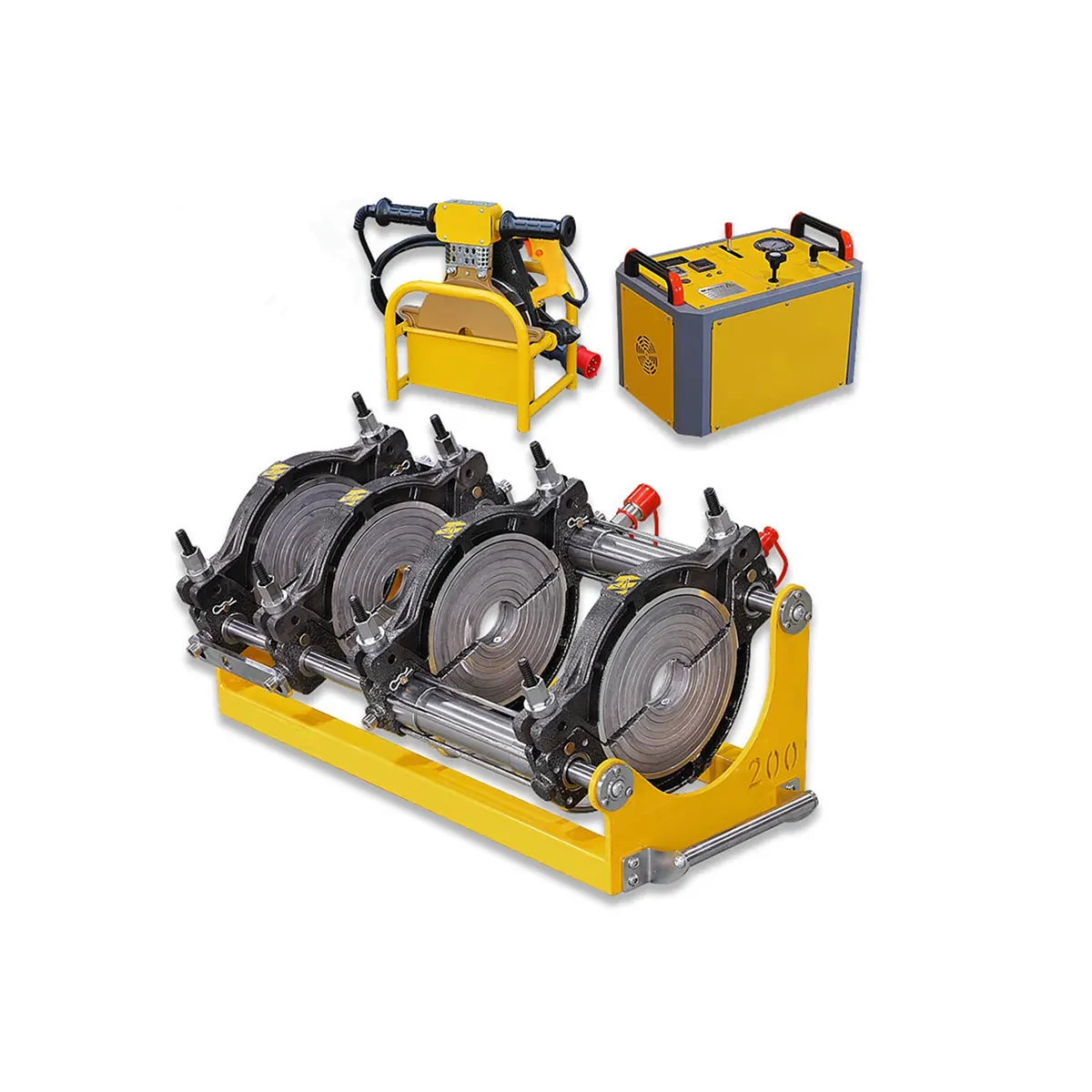
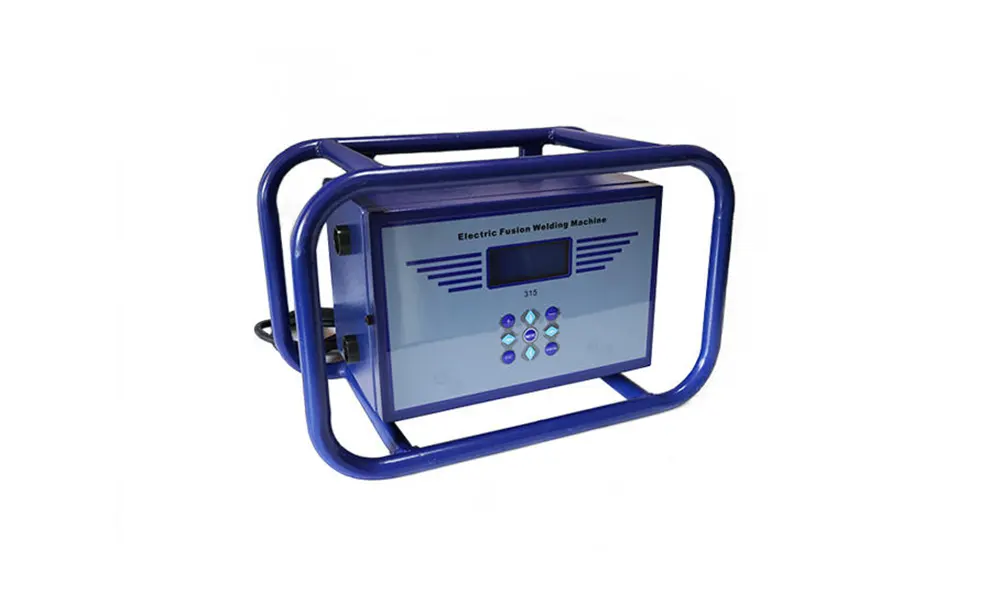
High-performance welding equipment reduces leak risks and rework on long-distance polyethylene pipelines. In the DRC, where many projects face challenging logistics, variable power supply, and heavy-demand industries like mining and municipal water systems, a reliable butt fusion or electrofusion solution is essential for durable infrastructure.
Key Criteria to Evaluate an HDPE Welding Company
1. Proven Experience & Certifications
Look for suppliers with documented experience in large-diameter butt fusion and electrofusion projects. Certifications, quality control records, and training credentials help ensure weld consistency in hot, humid, or remote Congolese sites.
2. Range of Machines and Spare Parts Availability
A vendor should offer manual, hydraulic, and automatic options for different pipe diameters. Local or fast international access to spare parts is critical — long lead times can halt projects for weeks in the DRC.
3. After-Sales Service & Training
On-site training in French and hands-on technical support are particularly valuable in the DRC. Choose a company that provides clear operation manuals, welding parameter reports, and remote troubleshooting.
4. Adaptation to Local Conditions
Consider power source flexibility (generators, battery-backed controls), corrosion-resistant components, and machines that handle uneven terrain during transport to remote provinces like Haut-Katanga or Kasaï.
5. Warranty, Documentation & Export Support
Full warranty terms, calibration certificates, and export documentation in French/English simplify customs clearance and project approvals in the DRC.
Quick Comparison Table — What to Expect
| Feature | Why it matters | What to look for |
|---|---|---|
| Machine Range | Covers small urban plumbing to large mining trunklines | Manual, hydraulic, CNC automatic options; diameters supported |
| Spare Parts | Reduces downtime in remote sites | Local stock or fast international dispatch |
| Training & Support | Ensures weld quality and operator safety | French-language training, manuals, remote diagnostics |
| Warranty & Documentation | Aids compliance and long-term reliability | Clear warranty terms, calibration certificates |
How to Vet a Supplier Before Buying
Request welding samples and parameter logs from similar projects and ask for operator references in Africa. Confirm spare parts lead times and test remote support response. Verify that the machine control software supports French or provides clear translated documentation.
Practical Purchasing Tips for DRC Projects
Plan for customs clearance in Kinshasa or Matadi and choose suppliers who provide clear export paperwork. Consider shipping routes and inland logistics to project sites around Lubumbashi, Kolwezi, or remote rural areas. Budget for generator-compatible setups and extra consumables to avoid delays.
Local Use Cases to Keep in Mind
Mining companies require robust, large-diameter butt fusion machines for slurry and water systems; municipal water projects focus on leak-free joints and ease of operator training. Tailor your selection to the primary industry and operating environment.
Next Step
If you want a reliable starting point for sourcing HDPE butt fusion and electrofusion machines, consider visiting JQ-Fusion to review product lines, certifications, and support options suitable for projects across the Democratic Republic of Congo.