
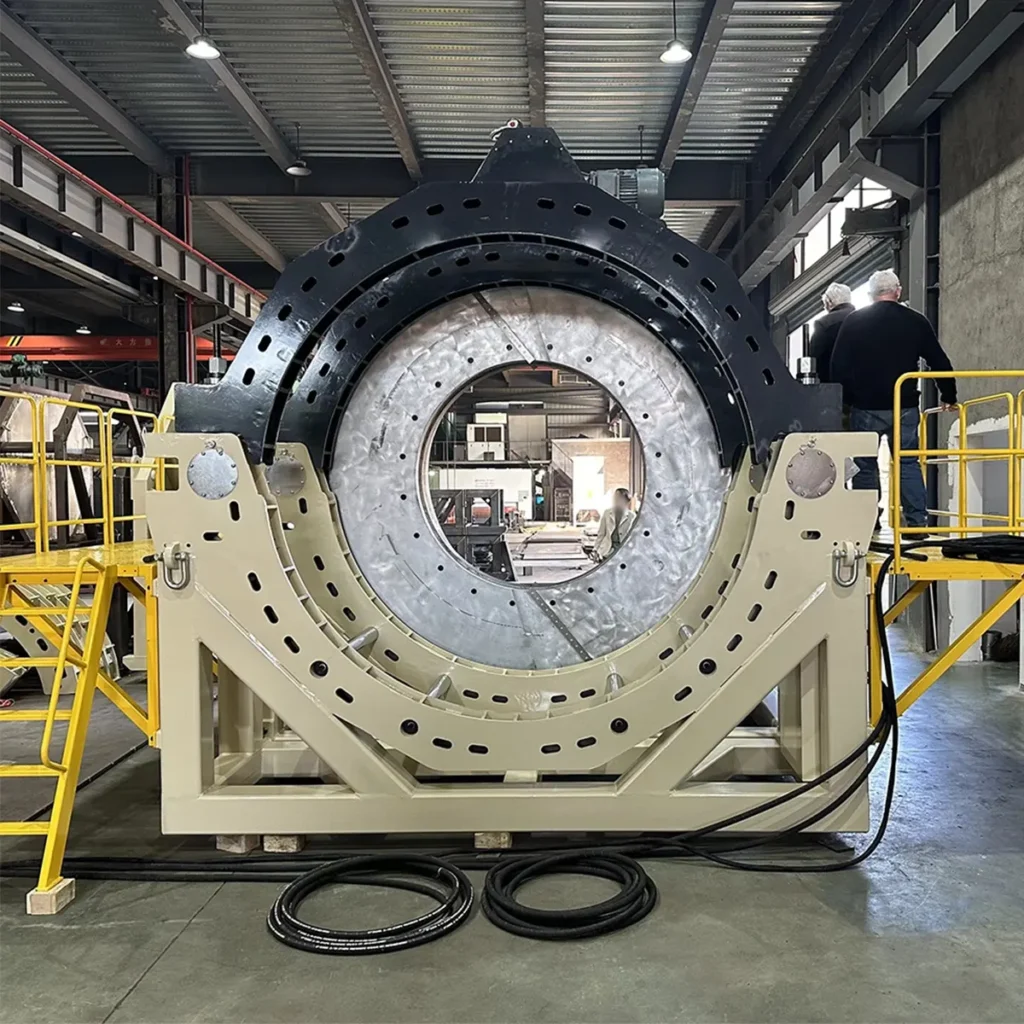
Finding the best HDPE pipe welding equipment supplier in Algeria means matching durable machines to local needs: long-distance water mains, gas distribution in urban centers like Algiers and Oran, irrigation networks in agricultural zones, and oil & gas trunk lines across desert conditions. This guide helps contractors, municipal procurement officers, and EPC companies evaluate suppliers and choose equipment that performs reliably under Algerian climates and regulations.
Why the Right Supplier Matters for Algerian Projects
Algeria’s infrastructure projects demand equipment that resists sand, heat, and intermittent power supply while delivering repeatable weld quality. Choosing the right supplier affects project schedules, welding integrity, and long-term maintenance costs. Look for vendors that offer robust machines, clear documentation in French/Arabic, and local-aware support.
Key Equipment Types and Where They Fit
Different job sites in Algeria will benefit from different machine classes. Understand the trade-offs between portability, automation, and capacity to align with your project scope:
- Manual butt fusion machines — ideal for small-diameter repairs and remote rural work where transport and simplicity matter.
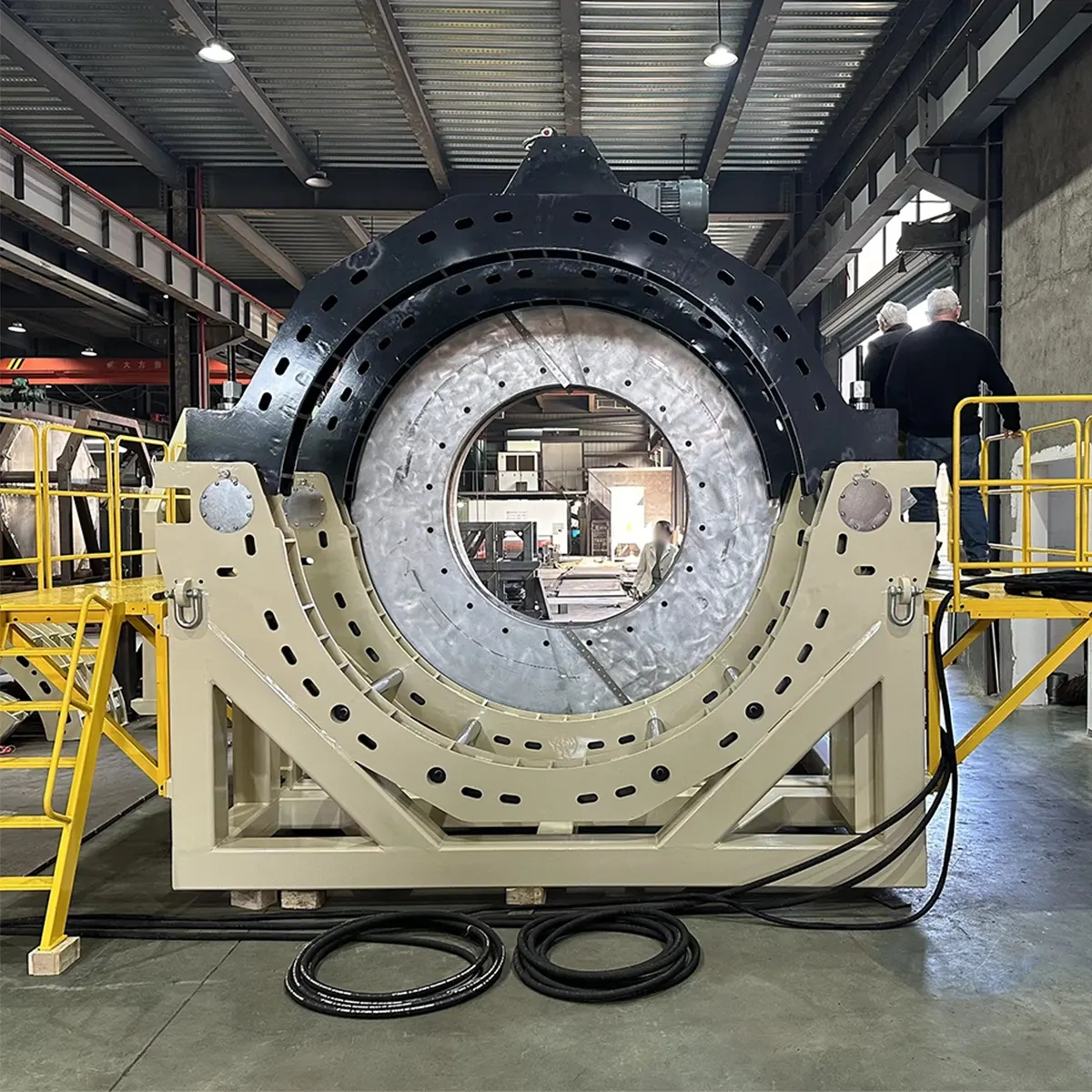
- Hydraulic butt fusion machines — best for medium to large diameter pipelines and repeated onsite welds with consistent pressure control.
- Automatic / CNC butt fusion machines — suited for factory or high-volume construction sites requiring tight process control and data logging.
Quick Comparison Table — Choose by Project Needs
| Machine Type | Pipe Range | Best Use | Key Benefit |
|---|---|---|---|
| Manual Butt Fusion | 16mm–315mm | Rural repairs, small networks | Portable, low cost |
| Hydraulic Butt Fusion | 63mm–2250mm | Municipal water, gas distribution | Stable pressure control, higher capacity |
| Automatic / CNC Fusion | 63mm–1600mm+ | Factory welds, large projects | Data logging, precision, speed |
Certifications, Spare Parts & Local Considerations
For Algerian buyers, confirm supplier compliance with international welding standards (ISO, ASTM where applicable) and ask for spare parts availability. Machines operating in Sahara-adjacent sites need protective housings and accessible filters for sand. Also verify electrical compatibility with Algeria’s 230V/50Hz systems and whether the supplier can supply documentation in French or Arabic for training crews.
JQ-Fusion offers a wide range of manual, hydraulic, and automatic butt fusion welding machines and supports global infrastructure projects with tailor-made solutions and spare parts—visit https://jq-fusionwelding.com/ for product details.
Practical Buying Tips for Algerian Contractors
– Request a demo or video of the welding cycle to verify weld consistency.
– Ask about on-site training and manuals in French/Arabic to reduce errors.
– Confirm warranty terms and the lead time for critical spare parts shipped to Algerian ports.
– Consider machines with data logging if the project requires traceability for public tenders or gas certifications.
Final Steps Before You Purchase
Create an evaluation checklist including pipe size range, duty cycle, portability, power compatibility, after-sales response time, and documentation language. For public and private projects across Algeria—whether coastal cities or desert pipelines—prioritizing reliability and local support will protect project timelines and budgets. When you are ready, request quotes that include shipping terms to Algeria, spare parts kits, and training options to ensure a smooth start-up.



